
Best Audio Products of 2025: Sony WH-1000XM6, Nothing Headphone 1, Beats Powerbeats Fit, and More
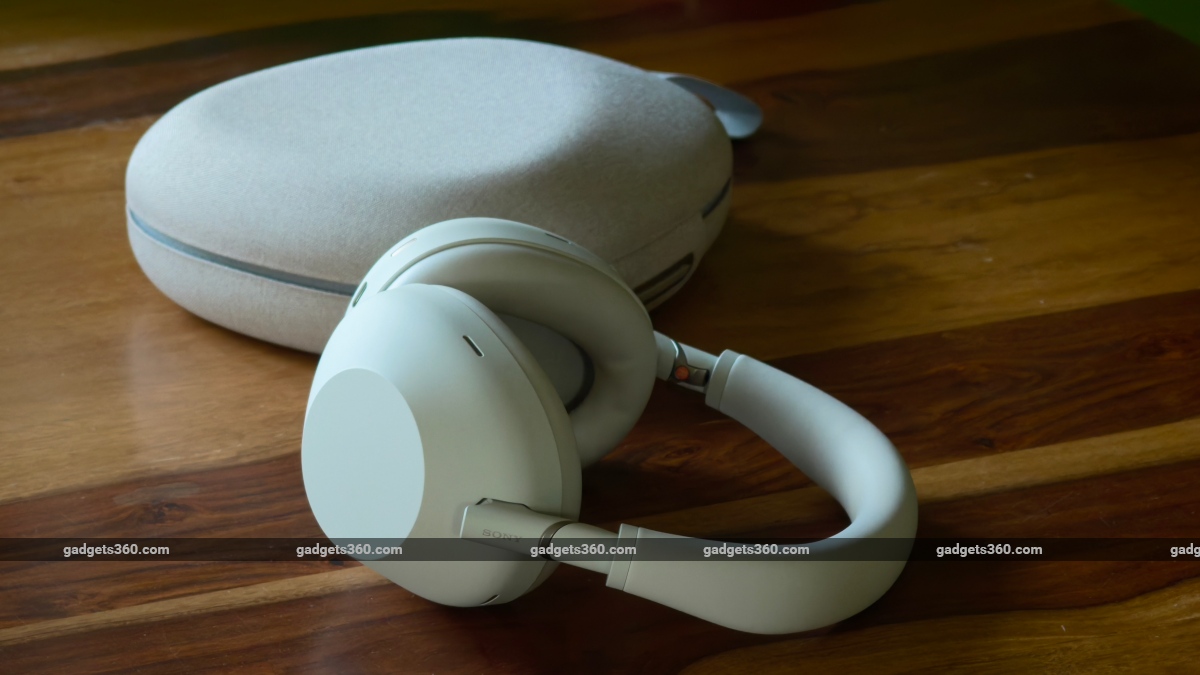
ANC, spatial sound, and better battery life are now standard features
Brands push comfort, connectivity, and personalisation further than ever
Bold new designs reshape over-ear and in-ear listening experiences
The audio landscape in 2025 is shaping up to be one of the most refined and versatile yet, with brands pushing harder than ever to elevate sound quality, comfort, and intelligent features. Whether your priority is losing yourself in music with premium over-ear headphones, staying motivated during workouts with secure-fit sports earbuds, or transforming your living room with a high-end home theatre setup, this year has delivered major advancements across every category. Improvements in noise cancellation, spatial audio, and adaptive tuning have become standard expectations, while better battery life, stronger wireless stability, and more thoughtful ergonomics are helping listeners get more from their devices every day.
This Gadgets 360 guide highlights some of the most notable audio releases of the year from brands known for innovation and consistency. Sony continues to lead the over-ear ANC segment with its latest flagship, while Beats strengthens its fitness lineup with new performance-focused earbuds. Sony's home entertainment division has also expanded with a next-generation theatre system aimed at delivering more immersive sound at home.
OnePlus, Realme, and JBL have broadened the true wireless space with upgraded models offering better microphones, refined sound profiles, and smarter software. Sennheiser returns with a new wired model focused on precision and clarity for audiophiles. Meanwhile, Nothing entered the over-ear category for the first time, introducing a bold design that reflects the company's distinctive visual identity.
Together, these releases show how 2025 is redefining audio with smarter technology, better design, and a stronger focus on real-world listening.
| Audio Product | Gadgets 360 rating (out of 10) | Price in India (as recommended) |
|---|---|---|
| Sony Bravia Theatre System 6 | 8 | Rs. 49,990 |
| Sony WH-1000XM6 | 9 | Rs. 39,990 |
| Nothing Headphone 1 | 9 | Rs. 21,999 |
| Sennheiser HD 505 | 8 | Rs. 27,990 |
| Beats Powerbeats Fit | 8 | Rs. 24,900 |
| JBL Tour Pro 3 | 8 | Rs. 19,999 |
| OnePlus Buds 4 | 8 | Rs. 5,999 |
| Realme Buds Air 7 Pro | 8 | Rs. 5,499 |
Sony Bravia Theatre System 6
The Sony Bravia Theatre System 6 comes across as a strong all-in-one 5.1-channel home theatre option if you want cinematic sound without piecing together separate components. Dialogue is clear, the subwoofer delivers plenty of impact, and the surround speakers create an engaging sense of space, especially in medium-sized rooms. Setup is straightforward, though you will need to plan cable and power placement. Since the system relies on virtualised Dolby Atmos and DTS:X rather than dedicated height channels, overhead effects feel simulated, not truly three-dimensional.
For movies, shows, and live sports, the Bravia Theatre System 6 performs well, but its music playback is more limited, with bass occasionally sounding too loose and stereo separation feeling less refined. At Rs. 49,990, it offers good value if your priority is immersive home theatre sound, and you can live without built-in streaming features or Wi-Fi. If you're an audiophile or want a more network-connected setup, you may find the compromises harder to overlook. You can check our full review of the system here to see how it performs in everyday use.
Sony WH-1000XM6
Sony WH-1000XM6 focuses heavily on customisation, comfort, and improved everyday usability. The refreshed design brings back the foldable hinge, introduces a slimmer magnetic case, and adds practical touches like easier-to-replace earpads and distinct physical buttons. You get a long list of features through the Sony Sound Connect app, including a new ten-band EQ, Background Music mode, hands-free voice control, and head-gesture support. Noise cancellation is noticeably stronger, call quality is cleaner, and the new QN3 chip with 12 mics helps the XM6 deliver one of the quietest listening experiences in its segment.
In terms of sound, the XM6 continues Sony's signature approach: clean, detailed audio with a controlled low end that still leans slightly toward a consumer-friendly bass profile. The tuning is more refined than earlier generations, and the extensive EQ options let you shape the sound to your preference. Battery life remains strong, and gaming performance through LC3/LE Audio is impressive with low latency. If you want premium ANC headphones that are deeply customisable and easy to live with, the XM6 feels like a meaningful upgrade, even for XM5 owners. You can head over to our full review here for a closer look at how they perform in real-world use.
Nothing Headphone 1
Nothing's first over-ear model makes a strong debut by leaning into what the brand does best: bold design and thoughtful features. Headphone 1 stands out visually with its transparent, retro-inspired aesthetic, solid aluminium build, and a clever mix of physical controls, including a satisfying volume roller and customisable buttons. Comfort is excellent, and the Nothing X app offers deep tuning options, from an eight-band EQ to adjustable ANC and spatial audio modes.
KEF's tuning gives the headphones a balanced, enjoyable sound with clear vocals, clean bass, and good instrument separation. ANC is strong for the price, call quality is impressive, and multipoint connectivity, low-latency gaming modes, and fast pairing round out a feature-rich package. Battery life is a major highlight, where Nothing claims up to 35 hours with ANC on and up to 80 hours with it off, and real-world performance comes close. There are a few drawbacks, such as the case design being slightly awkward, the headphones not folding fully, and ANC and head tracking falling short of more expensive competitors.
Durability over time, especially with the transparent elements, will need longer testing. Even so, Headphone 1 comes across as a well-rounded first-gen effort that prioritises design, comfort, and sound quality without pushing the price too high. If you want stylish everyday headphones with strong battery life and balanced audio, you may find these an appealing pick. You can check our full review here for a more in-depth look at day-to-day performance.
Sennheiser HD 505
Sennheiser HD 505 aims to refine the formula that made the HD 560S a favourite among audiophiles, and the early impression is that it succeeds in important ways. The headphones stick to the familiar HD 500-series design but introduce meaningful upgrades in comfort, weight, and overall feel. At just 237 grams, they are exceptionally light, making them easy to wear for long sessions, even if you wear glasses. The reduced clamp force, plush velour pads, and improved headband cushioning all contribute to a design that disappears on your head. With 120 Ohm angled transducers, an open-back build, and a wide frequency response, the HD 505 is built for detailed, natural, and spacious sound.
When it comes to performance, you get the signature Sennheiser tuning: warm, balanced, and impressively clear across most frequencies. Bass can feel a little punchy and the mids occasionally slightly recessed, but the overall presentation remains clean, open, and highly enjoyable whether you're listening to music, mixing audio, gaming, or watching films.
The open-back design does mean zero isolation and plenty of sound leakage, so these are best used in quiet personal spaces. At Rs. 27,990, they lean toward enthusiasts rather than casual buyers, but if you want an accessible entry into high-end open-back sound, they are a strong contender. You can check our full review here if you want a deeper breakdown before deciding.
Beats Powerbeats Fit
Beats Powerbeats Fit is built with fitness enthusiasts in mind, and the review highlights that the fit is its biggest strength. The wingtip design creates an exceptionally stable hold that stays fixed even during demanding workouts, giving it one of the most reliable in-ear fits available today. The buds are comfortable, lightweight, and supported by a compact case that finally improves on the bulkier Pro lineup. Audio quality is clean and well-balanced, ANC performs reliably for gym sessions or commuting, and the Apple H1 chip ensures smooth pairing on iOS while Android users still get solid functionality through the Beats app. Battery life is impressive as well and easily spans several days of moderate use.
The main drawback is the pricing. At Rs. 24,900, it sits uncomfortably close to the AirPods Pro 3, which offers a more complete feature set, and not far from the Powerbeats Pro 2, which adds heart-rate monitoring that the Fit does not include. Even so, if you prioritise a secure, workout-ready fit above everything else and are willing to pay for it, the Powerbeats Fit stands out as a strong option for active users. You can check our full review here to see how the earbuds perform in daily routines and real exercise scenarios.
JBL Tour Pro 3
The JBL Tour Pro 3 stands out as a feature-heavy pair of premium TWS earbuds that manages to justify all the added technology with genuinely strong performance. The highlight is the Smart Charging Case, which includes a built-in touch display that lets you adjust ANC, tweak the EQ, switch spatial audio modes, check notifications, and even use transmitter mode without touching your phone.
The Tour Pro 3 earbuds themselves offer a comfortable fit, IP55 durability, responsive controls, and a dual-driver setup that produces deep, controlled bass, clear mids, and well-extended highs. ANC is strong enough for metros and busy cafés, and spatial audio delivers an impressively wide soundstage.
The only real drawbacks are the bulkier charging case and a price that places the Tour Pro 3 alongside established competitors from Sony and Bose. Even so, if you want a feature-rich TWS experience that does not compromise on core audio quality, these earbuds are worth serious consideration. You can check our full review here to see how they perform in daily use and decide whether they fit your listening needs.
OnePlus Buds 4
The OnePlus Buds 4 land firmly in the sub-Rs. 6,000 segment with a redesigned, chunkier look, improved controls, and a surprisingly robust feature set for the price. ANC performance is a major highlight, with the Adaptive mode adjusting intelligently to your surroundings and performing close to what you would expect from more expensive models. The Buds 4 also deliver clear mids, solid bass, and good instrument separation, making them reliable all-rounders for commuting, casual listening, and gaming thanks to low-latency support.
Battery life is another strong point, offering long playback both with and without ANC, along with fast charging for quick top-ups. Call quality is dependable, the fit is comfortable, and the HeyMelody app adds useful extras like personalised audio tuning. If you want an affordable pair of TWS earbuds that balance practical features, good sound, and strong noise cancellation without crossing Rs. 6,000, these are easy to recommend. If you want a closer look at how they hold up in everyday use, you can dive into our full review here.
Realme Buds Air 7 Pro
The Realme Buds Air 7 Pro position themselves as another strong option in the sub Rs. 6,000 segment, offering a bold redesign, comfortable fit, IP55 protection, and a feature set that feels unusually rich for the price. The ANC performs well for everyday noise, the battery life comfortably lasts through long listening sessions, and Realme's companion app adds useful customisation, including EQ controls, spatial audio, dual-device connection, and personalised tuning. Their AI features, while ambitious, are hit-or-miss, but the overall experience still feels polished for the segment.
Where the Buds Air 7 Pro falter is in their out-of-the-box sound tuning, which pushes heavy bass at the expense of mids and vocal clarity. You can correct this with EQ adjustments, but those who prefer a more natural or balanced signature may find better alternatives. If you enjoy punchy bass and want premium features without crossing Rs. 6,000, these will suit you well. If you're curious about how they hold up in everyday use and real-world scenarios, you can read our full review here for a more detailed breakdown.