- Home
- Laptops
- Laptop Finder
- Asus Laptops
- Asus VivoBook Pro 15 N580VD-FI418T
Asus VivoBook Pro 15 N580VD-FI418T
- Asus
- 4 User Ratings
- Last Updated: 16th October 2026


Key Specs
-
 Display size 15.60-inch
 -
Display resolution 3840x2160 pixels
-
 Touchscreen No
 -
 Processor Core i7
 -
 RAM 16GB
 -
 OS Windows 10
 -
 Hard disk No
 -
SSD No
-
 Graphics Nvidia GeForce GTX 1050
 -
 Weight 1.90 kg
Market Status Released
Asus VivoBook Pro 15 N580VD-FI418T Summary
Asus VivoBook Pro 15 N580VD-FI418T is a Windows 10 laptop with a 15.60-inch display that has a resolution of 3840x2160 pixels. It is powered by a Core i7 processor and it comes with 16GB of RAM.
Graphics are powered by Nvidia GeForce GTX 1050. Connectivity options include Wi-Fi 802.11 g/n, Bluetooth, Ethernet and it comes with 4 USB ports (2 x USB 2.0, 1 x USB 3.0, 1 x USB 3.0 (Type A), 1 x USB 3.0 (Type C)), Mic In, RJ45 (LAN) ports.
As of 16th October 2026, Asus VivoBook Pro 15 N580VD-FI418T price in India starts at Rs. 99,990.
Asus VivoBook Pro 15 N580VD-FI418T Price in India
| Product Name | Price in India |
|---|---|
| Asus Vivobook Pro 15 N580VD-FI418T Laptop (Windows 10, 16GB RAM, 1000GB HDD, Intel Core i7, Champagne, 15.6 inch) | ₹ 99,990 |
Asus VivoBook Pro 15 N580VD-FI418T price in India starts from ₹ 99,990. The lowest price of Asus VivoBook Pro 15 N580VD-FI418T is ₹ 99,990 at Amazon on 16th October 2026.
Price too high? Subscribe to our price drop alert
Notify When Available
Asus VivoBook Pro 15 N580VD-FI418T Full Specifications
General
| Brand | Asus |
| Model | VivoBook Pro 15 N580VD-FI418T |
| Price in India | ₹99,990 |
| Model Number | Pro 15 N580VD-FI418T |
| Series | VivoBook |
| Dimensions (mm) | 203.20 x 35.00 x 40.00 |
| Weight (kg) | 1.9 |
| Colours | Champagne |
| Operating system | Windows 10 |
| Battery Life (up to hours) | 6 |
Display
| Size | 15.60-inch |
| Resolution | 3840x2160 pixels |
| Touch Screen | No |
Processor
| Processor | Intel Core i7 7th Gen 7700HQ |
| Base Clock Speed | 2.8 GHz |
Memory
| RAM | 16GB |
| Expandable RAM up to (GB) | 32GB |
Graphics
| Graphics Processor | Nvidia GeForce GTX 1050 |
| Dedicated Graphic Memory Type | GDDR5 |
Storage
| Hard disk | No |
| SSD | No |
Connectivity
| Wi-Fi standards supported | 802.11 g/n |
| Bluetooth version | 4.2 |
| Ethernet | 10/100/1000 Base T |
Inputs
| Pointer Device | Touchpad |
| Touchpad | Yes |
| Internal Mic | Yes |
| Speakers | Yes |
| Finger Print Sensor | No |
Ports and slots
| Number of USB Ports | 4 |
| USB Ports | 2 x USB 2.0, 1 x USB 3.0, 1 x USB 3.0 (Type A), 1 x USB 3.0 (Type C) |
| VGA Port | No |
| Mic In | Yes |
| RJ45 (LAN) | Yes |
! Error or missing information?
Please let us know
Asus VivoBook Pro 15 N580VD-FI418T Competitors
-
 CompareSamsung Galaxy Book4 Pro 360₹ 1,16,990
 -
CompareAsus Zenbook A14₹ 86,990
-
CompareAcer Swift 7 SF714-52T₹ 1,13,912
-
CompareAsus Vivobook S14 (S3407CA)₹ 84,990
-
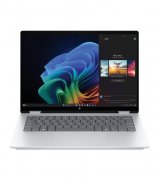
CompareHP OmniBook X Flip 14₹ 89,990
-
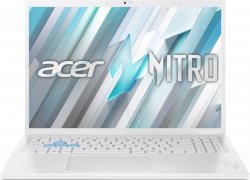
CompareAcer Nitro Lite 16₹ 93,990
-
CompareAsus Vivobook 14 (2025) (AMD Ryzen AI 7 350)₹ 89,990
-
CompareApple MacBook Air 13-inch (M4, 2025)₹ 91,990



OR
-
Asus VivoBook Pro 15 N580VD-FI418T
₹99,990
Asus VivoBook Pro 15 N580VD-FI418T User Review and Ratings
3.5★
4 ratings &
4 reviews
4 reviews
Displaying 4 of 4 reviews
Sort By:
-
Good, solid laptop.Ragman304 (Nov 24, 2019) on AmazonMore than one year since I purchased this. So far so good! Runs like a charm and does everything I need.Is this review helpful?Reply
-
Product review and ServiceAmazon Customer (Nov 13, 2018) on AmazonThis is my fourth day and I find the product working as excellent. Beside the ordered reach to my in the desired specified duration as prime customer.The services rendered by MRIG Technologies pvt ltd, Bangalore was excellent and found good retailer to purchase quality electronic productsIs this review helpful?Reply
-
Delivery charges?Anuradha (Dec 1, 2018) on AmazonFor a 1lac+ worth product, is the delivery charge really necessary? No question or doubts about the quality of the laptop.Is this review helpful?Reply
-
Read it carefully or regret laterYUGANSH MISHRA (Jan 6, 2019) on AmazonYou guys made a mistake by investing 1 Lac money in 7th gen old processor ..you'll surely regret later very soonIs this review helpful?Reply
Other Asus Laptops
-
CompareAsus Vivobook S14 (S5452MA)₹ 1,18,990
-
CompareAsus TUF Gaming A15 (FA506NCG)₹ 1,15,990
-
CompareAsus TUF Gaming F16 (FX607)₹ 1,35,990
-
CompareAsus TUF Gaming A16 (FA608)₹ 1,99,990
-
CompareAsus TUF Gaming A15 (FA506NCQ)₹ 1,24,990
-
CompareAsus TUF Gaming 16 (FX610)₹ 1,79,990
-
CompareAsus Chromebook CX15 (CX1505CTA)₹ 47,990
-
CompareAsus Asus Zenbook A14 (2026)₹ 1,85,990
-
CompareAsus Vivobook 15 (X1504MA)₹ 1,59,990
-
CompareAsus Chromebook CM15 (CM1505)₹ 28,990

Related Laptops
-
CompareHP 15-FD1254TU₹ 99,990
-
CompareAcer Swift Neo₹ 99,999
-
CompareHP Envy x360 14₹ 99,999
-
CompareAsus Zenbook 14 OLED (UX3405MA-PZ751WS)₹ 99,990
-
CompareAsus Zenbook 14 Flip OLED (UP5401)₹ 99,990
-
CompareLG Gram 14 (14Z90Q)₹ 99,999
-
CompareAsus ZenBook S 13 OLED (UM5302)₹ 99,990
-
CompareSamsung Galaxy Book 2 Pro 360 13.3₹ 99,999
-
CompareAcer Nitro 5 (AN515-46)₹ 99,900
-
CompareAsus ROG Zephyrus G14 (2021)₹ 99,990


Need some help?
Asus service center near you








Popular on Gadgets
- Samsung Galaxy S26 Ultra
- Motorola Razr Fold
- ChatGPT
- OPPO Find N6
- Mobiles Under Rs. 40,000
- Vivo X300 Ultra
- Asus Zenbook S14
- iQOO 15
- Vivo X300 Pro
- Lenovo Yoga Slim 7i Aura Edition
- iQOO 15R
- Vivo X Fold 5
- Sony PlayStation 5
- HP OmniPad 12
- OnePlus Nord CE 6 Lite
- OnePlus Pad 4
- OPPO F33 Pro 5G
- Cryptocurrency
- HP OmniBook Ultra 14 (2026)
- iPhone 17
- Eureka Forbes AP 355 Room Air Purifier
- Latest Mobile Phones
- Compare Phones
Latest Gadgets
- Tecno Spark 50S 5G
- Vivo Y600s Pro
- Vivo Y32 (2026)
- Infinix Smart 20 HD
- Vivo V80
- Vivo S2 FE
- Vivo Y600K Turbo
- Realme P4s Lite
- HP ZBook Ultra G3a
- Dell Pro Rugged 14
- Amazon Alexa Tablet 8
- Amazon Alexa Tablet 11
- Amazfit T-Rex Dual Solar
- OPPO Watch S2
- Toshiba 65-Inch 4K Ultra HD Smart Mini LED QLED TV (65Z670SP)
- Haier M70 Mini LED 65-inch
- Acer Predator Atlas 8
- Asus ROG Ally
- Blue Star 1.5 Ton 5 Star Inverter Split AC (IE518ZNURS)
- Blue Star 2 Ton 3 Star Inverter Window AC (WIE324L)
- About Us
- Sitemaps
- Feedback
- Archives
- Contact Us
- RSS
- Advertise
- Career
- Privacy Policy
- Ethics
- Editorial Policy
- Terms & Conditions
- Complaint Redressal
Download Our Apps
Available in Hindi
© Copyright Red Pixels Ventures Limited 2026. All rights reserved.