- Home
- Science
- Science News
- Automated Cockpits May Drive 'Bored' Pilots Crazy
Automated Cockpits May Drive 'Bored' Pilots Crazy
By Indo Asian News Service | Updated: 8 May 2014 18:01 IST
Click Here to Add Gadgets360 As A Trusted Source

Advertisement
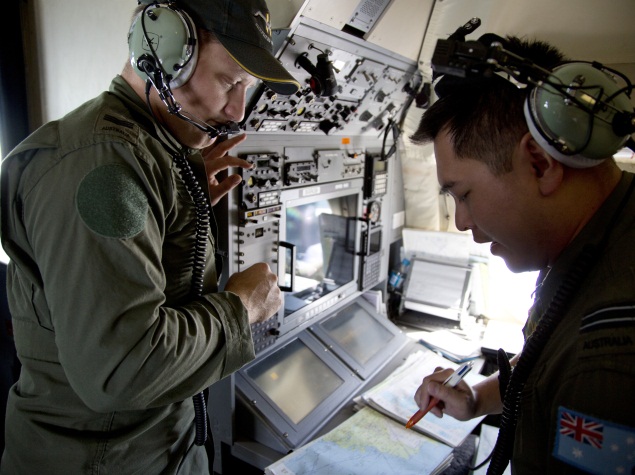
Automation in the cockpits are designed to free pilots from paying attention to the mundane flight tasks and allow them to concentrate on the overall flight, but they can also drive the pilots crazy, indicated a study.
"Humans are not robots. We can not stare at a green light for hours at a stretch without getting tired, bored, or going crazy," said Stephen Casner, a research psychologist at Nasa's Ames Research Center in the US.
Although the automated systems in cockpits assume many of the tasks formerly performed by human pilots and do it with impressive reliability, the pilots can not completely disengage from the tasks as they are expected to respond if something goes amiss.
"The mind is restless," maintained Jonathan Schooler, a professor of psychological and brain sciences at University of California, Santa Barbara.
"When we are not given something specific to think about, we come up with something else to think about," Schooler added.
For the study, researchers designed a flight simulation study in which they asked pilots to follow a published arrival procedure into New York's busy John F. Kennedy International Airport.
As the pilots navigated the flight, they were asked about what they were thinking during various levels of automation and to assign their thoughts to three categories: the specific task at hand, higher-level thoughts (for example planning ahead), or thoughts unrelated to the flight (for example, what is for dinner).
The pilots reported an increase in big-picture flight-related thoughts when using higher levels of automation, but when the flight was progressing according to plan and pilots were not interacting with the automation, their thoughts were more likely to wander.
"As technology grows in capability, we seem to be taking the approach of using humans as safety nets for computers," Casner noted.
On the basis of these findings, researchers studying cockpit automation might consider rethinking the interaction between humans and machines.
The study appeared in the journal Human Factors.
Comments
Get your daily dose of tech news, reviews, and insights, in under 80 characters on Gadgets 360 Turbo. Connect with fellow tech lovers on our Forum. Follow us on X, Facebook, WhatsApp, Threads and Google News for instant updates. Catch all the action on our YouTube channel.


Advertisement
Follow Us




-
![[Sponsored] LG NANO 4K UHD AI TV NU885: Gemini Search, Dolby Atmos & 5 Years of Updates](https://www.gadgets360.com/static/desktop/images/spacer.png)
04:17
[Sponsored] LG NANO 4K UHD AI TV NU885: Gemini Search, Dolby Atmos & 5 Years of Updates -
00:57
[Sponsored] Samsung Galaxy Z Fold8 My Fan Cam in Action: Find the Moment, Then Share It -
01:41
[Sponsored] What Do You Need To Know Before Your Next Run? | Samsung Galaxy Watch Ultra2 -
01:32
[Sponsored] Big Day Tomorrow? Prep Today | Samsung Galaxy Watch Ultra2 -
04:37
[Sponsored]: CP PLUS CarKam CP-F89B: 4K Dashcam With Rear Camera, GPS & Emergency Recording
-
iPhone 16 आज भी Amazon सेल में मिल रहा ₹15 हजार से ज्यादा सस्ता
-
OnePlus 15 को Amazon Great Indian Festival Sale में खरीदें सस्ता
-
₹2250 सस्ता मिल रहा Motorola का 7000mAh बैटरी वाला फोन! Flipkart पर ऑफर
-
₹18999 में मिल रहा Moto G Max फोन! 7000mAh बैटरी, Flipkart सेल में ऑफर
-
Poco X8s जल्द हो सकता है लॉन्च, NBTC पर हुई लिस्टिंग
Advertisement
Popular on Gadgets
- Samsung Galaxy S26 Ultra
- Motorola Razr Fold
- ChatGPT
- OPPO Find N6
- Mobiles Under Rs. 40,000
- Vivo X300 Ultra
- Asus Zenbook S14
- iQOO 15
- Vivo X300 Pro
- Lenovo Yoga Slim 7i Aura Edition
- iQOO 15R
- Vivo X Fold 5
- Sony PlayStation 5
- HP OmniPad 12
- OnePlus Nord CE 6 Lite
- OnePlus Pad 4
- OPPO F33 Pro 5G
- Cryptocurrency
- HP OmniBook Ultra 14 (2026)
- iPhone 17
- Eureka Forbes AP 355 Room Air Purifier
- Latest Mobile Phones
- Compare Phones
Latest Gadgets
- Samsung Galaxy F70 5G
- Tecno Spark 50S 5G
- Vivo Y600s Pro
- Vivo Y32 (2026)
- Infinix Smart 20 HD
- Vivo V80
- Vivo S2 FE
- Vivo Y600K Turbo
- HP ZBook Ultra G3a
- Dell Pro Rugged 14
- Amazon Alexa Tablet 8
- Amazon Alexa Tablet 11
- Amazfit T-Rex Dual Solar
- OPPO Watch S2
- Toshiba 65-Inch 4K Ultra HD Smart Mini LED QLED TV (65Z670SP)
- Haier M70 Mini LED 65-inch
- Acer Predator Atlas 8
- Asus ROG Ally
- Blue Star 1.5 Ton 5 Star Inverter Split AC (IE518ZNURS)
- Blue Star 2 Ton 3 Star Inverter Window AC (WIE324L)

- About Us
- Sitemaps
- Feedback
- Archives
- Contact Us
- RSS
- Advertise
- Career
- Privacy Policy
- Ethics
- Editorial Policy
- Terms & Conditions
- Complaint Redressal
Download Our Apps
Available in Hindi
© Copyright Red Pixels Ventures Limited 2026. All rights reserved.