-
 RedmiBook 15 Pro, RedmiBook 15 e-Learning Edition Laptops With 11th-Gen Intel Processors Launched in India: Price, Specifications3 August 2021
 -
Mary Meeker's Internet Trends 2018 Report: Smartphone Shipments Stagnate in 2017, E-Commerce Grows, and More31 May 2018
-
Samsung Launches 'Smart Learning' Store for the Education Sector2 September 2014
-
Electronic Waste Is Piling Up: How Can This Change?16 July 2014
-
President to launch new e-learning platform 'A-VIEW'8 November 2012
- Home
- Internet
- Internet News
- E Learning Can Help Create More Health Professionals: WHO Study
E-Learning Can Help Create More Health Professionals: WHO Study
By Indo-Asian News Service | Updated: 12 January 2015 19:13 IST
Click Here to Add Gadgets360 As A Trusted Source

Advertisement
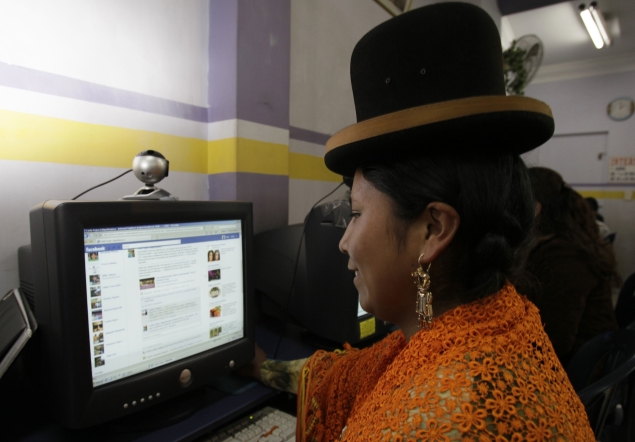
Electronic learning - the use of electronic media and devices in education - is likely to be as effective as traditional methods for training health professionals, says a study.
Students acquire knowledge and skills through online and offline e-learning as well as or better than they do through traditional teaching, showed the findings of the study commissioned by the World Health Organization (WHO) and carried out by Imperial College London.
"E-learning programmes could potentially help address the shortage of healthcare workers by enabling greater access to education, especially in the developing world," said Josip Car from Imperial College London.
According to a recent WHO report, the world is short of 7.2 million healthcare professionals, and the figure is growing.
For the study, the researchers carried out a systematic review of the scientific literature to evaluate the effectiveness of e-learning for undergraduate health professional education.
They conducted separate analysis looking at online learning, requiring an Internet connection, and offline learning.
Combining e-Learning with traditional teaching might be more suitable for healthcare training than courses that rely fully on e-learning because of the need to acquire practical skills, the authors suggested. Comments
Get your daily dose of tech news, reviews, and insights, in under 80 characters on Gadgets 360 Turbo. Connect with fellow tech lovers on our Forum. Follow us on X, Facebook, WhatsApp, Threads and Google News for instant updates. Catch all the action on our YouTube channel.
Related Stories




Advertisement
Follow Us




-
![[Sponsored] LG NANO 4K UHD AI TV NU885: Gemini Search, Dolby Atmos & 5 Years of Updates](https://www.gadgets360.com/static/desktop/images/spacer.png)
04:17
[Sponsored] LG NANO 4K UHD AI TV NU885: Gemini Search, Dolby Atmos & 5 Years of Updates -
00:57
[Sponsored] Samsung Galaxy Z Fold8 My Fan Cam in Action: Find the Moment, Then Share It -
01:41
[Sponsored] What Do You Need To Know Before Your Next Run? | Samsung Galaxy Watch Ultra2 -
01:32
[Sponsored] Big Day Tomorrow? Prep Today | Samsung Galaxy Watch Ultra2 -
04:37
[Sponsored]: CP PLUS CarKam CP-F89B: 4K Dashcam With Rear Camera, GPS & Emergency Recording
-
iPhone 16 आज भी Amazon सेल में मिल रहा ₹15 हजार से ज्यादा सस्ता
-
OnePlus 15 को Amazon Great Indian Festival Sale में खरीदें सस्ता
-
₹2250 सस्ता मिल रहा Motorola का 7000mAh बैटरी वाला फोन! Flipkart पर ऑफर
-
Realme लाई बजट फोन Realme C01, 6500mAh बैटरी के साथ!
-
Coolpad लाई पहला वाइड फोन Cool X Wide, 50MP कैमरा, 4600mAh बैटरी, प्री-ऑर्डर शुरू!
Advertisement
Popular on Gadgets
- Samsung Galaxy S26 Ultra
- Motorola Razr Fold
- ChatGPT
- OPPO Find N6
- Mobiles Under Rs. 40,000
- Vivo X300 Ultra
- Asus Zenbook S14
- iQOO 15
- Vivo X300 Pro
- Lenovo Yoga Slim 7i Aura Edition
- iQOO 15R
- Vivo X Fold 5
- Sony PlayStation 5
- HP OmniPad 12
- OnePlus Nord CE 6 Lite
- OnePlus Pad 4
- OPPO F33 Pro 5G
- Cryptocurrency
- HP OmniBook Ultra 14 (2026)
- iPhone 17
- Eureka Forbes AP 355 Room Air Purifier
- Latest Mobile Phones
- Compare Phones
Latest Gadgets
- Samsung Galaxy F70 5G
- Tecno Spark 50S 5G
- Vivo Y600s Pro
- Vivo Y32 (2026)
- Infinix Smart 20 HD
- Vivo V80
- Vivo S2 FE
- Vivo Y600K Turbo
- HP ZBook Ultra G3a
- Dell Pro Rugged 14
- Amazon Alexa Tablet 8
- Amazon Alexa Tablet 11
- Amazfit T-Rex Dual Solar
- OPPO Watch S2
- Toshiba 65-Inch 4K Ultra HD Smart Mini LED QLED TV (65Z670SP)
- Haier M70 Mini LED 65-inch
- Acer Predator Atlas 8
- Asus ROG Ally
- Blue Star 1.5 Ton 5 Star Inverter Split AC (IE518ZNURS)
- Blue Star 2 Ton 3 Star Inverter Window AC (WIE324L)

- About Us
- Sitemaps
- Feedback
- Archives
- Contact Us
- RSS
- Advertise
- Career
- Privacy Policy
- Ethics
- Editorial Policy
- Terms & Conditions
- Complaint Redressal
Download Our Apps
Available in Hindi
© Copyright Red Pixels Ventures Limited 2026. All rights reserved.