
-
 Facebook Introduces Your Algorithm Feature to Let Users Customise Feed and Reels14 October 2026
 -
Facebook Reportedly Testing New Reels-First Experience in India Putting Video Front and Centre7 October 2026
-
How to Recover a Hacked Facebook Account: A Step-by-Step Guide20 September 2026
-
Meta One Subscription Launched in India as a Single Plan for WhatsApp Plus, Instagram Plus and Facebook Plus With Higher AI Limits16 September 2026
-
Meta Agrees to Pay $18 Billion to Settle US Lawsuits Over Children's Social Media Addiction27 August 2026
- Home
- Social networking
- Social networking News
- Social Media Posts Can Help Improve Public Safety: Study
Social Media Posts Can Help Improve Public Safety: Study
By Indo-Asian News Service | Updated: 13 August 2015 17:05 IST
Click Here to Add Gadgets360 As A Trusted Source

Advertisement
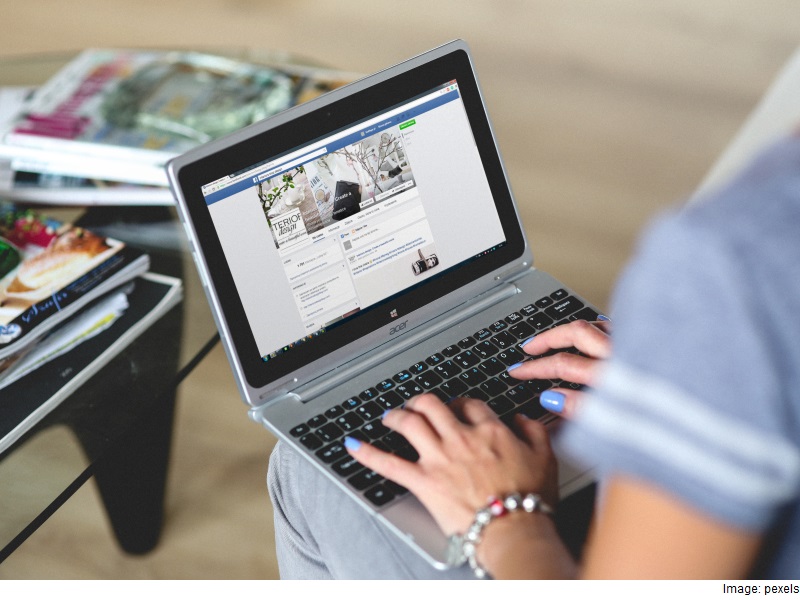
Statisticians can glean insightful information from Facebook posts, tweets and other online social media communications that may help improve public safety, researchers have said.
Michiko Wolcott and colleagues evaluated social media traffic posted during and the days following typhoon Haiyan striking the Philippines in November 2013 to develop a set of social media analytics for emergency response managers.
"Social media can play a critical role in the dissemination of the information, as well as collection of relevant data during natural disasters," said Wolcott.
- Facebook and Instagram using bone structure analysis sounds a bit unsettling
- What can Meta AI do? I use Instagram, Facebook, and WhatsApp a lot, and want to try it out.
- World Cup-Themed Features Rolling out on Social Media Apps
- New Episodic Reels Feature Might Actually Get Me to Follow Creators
- How many social media platforms are you on?
"The idea of leveraging social media data such as Twitter is intuitively attractive, given their natural ties to mobile devices with obvious disaster response implications," he explained.
Similarly, bio-statistician Elaine Nsoesie came up with a method for tracking food borne illness and disease outbreaks using social media sites such as Twitter and Yelp to supplement traditional surveillance systems.
Traditional surveillance systems capture only a fraction of the estimated 48 million food borne illness cases in the country each year, primarily because few affected individuals seek medical care or report their condition to the appropriate authorities, Nsoesie said.
"Reports of food borne illness on review sites could serve as early indicators of food borne disease outbreaks. Information gleaned from such novel data streams could aid traditional surveillance systems in near real-time monitoring of food borne related illnesses," Nsoesie added.
The findings were presented recently at the 2015 Joint Statistical Meetings (JSM 2015) in Seattle, US.
Comments
Get your daily dose of tech news, reviews, and insights, in under 80 characters on Gadgets 360 Turbo. Connect with fellow tech lovers on our Forum. Follow us on X, Facebook, WhatsApp, Threads and Google News for instant updates. Catch all the action on our YouTube channel.
Related Stories






Advertisement
Follow Us




-
![[Sponsored] Galaxy Tab S10 Lite for Students: Notes, Solve Math and More](https://www.gadgets360.com/static/desktop/images/spacer.png)
01:15
[Sponsored] Galaxy Tab S10 Lite for Students: Notes, Solve Math and More -
04:17
[Sponsored] LG NANO 4K UHD AI TV NU885: Gemini Search, Dolby Atmos & 5 Years of Updates -
00:57
[Sponsored] Samsung Galaxy Z Fold8 My Fan Cam in Action: Find the Moment, Then Share It -
01:41
[Sponsored] What Do You Need To Know Before Your Next Run? | Samsung Galaxy Watch Ultra2 -
01:32
[Sponsored] Big Day Tomorrow? Prep Today | Samsung Galaxy Watch Ultra2
-
NVIDIA के सीईओ ने पेश किए माइक्रोडक रोबोट, AI से चलते हैं, क्या काम आएंगे
-
iPhone Duo को बीच से खोला, फोल्डेबल डिस्प्ले से हटाया कवर, फिर क्या दिखा?
-
1 जनवरी से फोन में बिना सिम नहीं चलेगा WhatsApp, सिम बाइडिंग हुआ अनिवार्य
-
Oppo Find X10 ग्लोबल मार्केट में लॉन्च, 200MP दो कैमरा, 7150mAh बैटरी जैसे फीचर्स
Advertisement
Popular on Gadgets
- Samsung Galaxy S26 Ultra
- Motorola Razr Fold
- ChatGPT
- OPPO Find N6
- Mobiles Under Rs. 40,000
- Vivo X300 Ultra
- Asus Zenbook S14
- iQOO 15
- Vivo X300 Pro
- Lenovo Yoga Slim 7i Aura Edition
- iQOO 15R
- Vivo X Fold 5
- Sony PlayStation 5
- HP OmniPad 12
- OnePlus Nord CE 6 Lite
- OnePlus Pad 4
- OPPO F33 Pro 5G
- Cryptocurrency
- HP OmniBook Ultra 14 (2026)
- iPhone 17
- Eureka Forbes AP 355 Room Air Purifier
- Latest Mobile Phones
- Compare Phones
Latest Gadgets
- HMD 2660 Flip Senior Edition
- Lava Aura Curve
- Poco X8s
- Samsung Galaxy F70 5G
- Tecno Spark 50S 5G
- Vivo Y600s Pro
- Vivo Y32 (2026)
- Infinix Smart 20 HD
- Lenovo Yoga 9n 2-in-1
- Lenovo Yoga Pro 9n
- Amazon Alexa Tablet 8
- Amazon Alexa Tablet 11
- Pebble Qore 2
- Amazfit T-Rex Dual Solar
- Toshiba 65-Inch 4K Ultra HD Smart Mini LED QLED TV (65Z670SP)
- Haier M70 Mini LED 65-inch
- Acer Predator Atlas 8
- Asus ROG Ally
- Blue Star 1.5 Ton 5 Star Inverter Split AC (IE518ZNURS)
- Blue Star 2 Ton 3 Star Inverter Window AC (WIE324L)

- About Us
- Sitemaps
- Feedback
- Archives
- Contact Us
- RSS
- Advertise
- Career
- Privacy Policy
- Ethics
- Editorial Policy
- Terms & Conditions
- Complaint Redressal
Download Our Apps
Available in Hindi
© Copyright Red Pixels Ventures Limited 2026. All rights reserved.