
-
 Samsung One UI 9.5 May Bring Call Recording to WhatsApp, Telegram11 November 2026
-
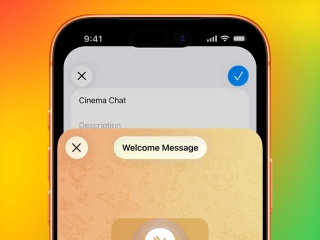
Telegram 13th Anniversary Update Brings Welcome Messages, Interactive Buttons, and More26 August 2026
-
Telegram Users Could Get Personalised .gram Domains if ICANN Approves19 August 2026
-
Best Telegram Bots for Productivity You Can Use in India 202615 August 2026
-
Apple Briefly Took Down Telegram From App Store After a User ‘Planted’ Pornographic Content in a Public Chat5 August 2026
Telegram’s New Bot API Update Turns Messages Into Interactive Mini-Apps, Adds Support for Crypto Payments
Telegram's latest update provides users with access to small applications without having to leave a conversation.
Written by Shaurya Tomer, Edited by Rohan Pal | Updated: 11 November 2026 16:49 IST

Photo Credit: Reuters
The widgets will render their interfaces natively inside message bubbles
Click Here to Add Gadgets360 As A Trusted Source

Advertisement
Telegram announced a new feature on Tuesday that turns ordinary messages into interactive mini-apps. The cross-platform social media and instant messaging service claims users can access tools and services directly within their conversations. The feature is said to be part of the latest Bot API update, which lets developers create HTML-based widgets that run inside message bubbles. Separately, Telegram is also adding support for TON (The Open Network) Connect transactions.
Interactive Widgets, TON Wallet Support on Telegram
In an X post, Telegram Founder and CEO Pavel Durov revealed that users can now convert any message on the platform into an app. It is part of the Bot API 10.4 update released on November 9, which introduces support for interactive HTML widgets that developers can embed directly into messages.
- Telegram vs X: Where Does the Crypto Community Belong?
- Telegram has rolled out new updates
- India blocks telegram app access till June 22 over Neet security concerns
- Generating flash usdt fot trading and gaming
- The Truth About Bitcoin Recovery Services HIRE META TECH RECOVERY PRO After a devastating hack that depleted my USDT ho
Any Telegram message can now become an app. ⚡ Downloads instantly (less than 4 KB) 🎨 Interactive and natively rendered 💸 Payments and viral mechanics built in 🛠️ Build your own. More info and docs for devs: https://t.co/v6hbiQErCB https://t.co/RqJb7LQnjN
— Pavel Durov (@durov) November 10, 2026
As per the release notes, the new widgets allow bots to send custom interfaces with dynamic layouts, adjustable sizing, and interactive elements. Developers can build these using HTML, CSS, and JavaScript. This, according to Telegram, provides users with access to small applications without having to leave a conversation.
Unlike traditional Telegram Mini Apps, which generally open web pages hosted by developers, these widgets will render their interfaces natively inside message bubbles. Telegram uses a QuickJS sandbox to run the mini-apps, while routing interactions through the relevant bot. The widgets can also remain visible as users scroll through a conversation.
Telegram claims that developers can make the interfaces respond to user input, send queries, and receive answers. Bots can also update widgets in place, which will allow information and interface elements to change without sending an entirely new message.
Apart from this, the messaging platform is introducing shared widgets, which let bots reuse the same interface across multiple messages and update it through a central setting.
Telegram is also expanding the payment capabilities of these widgets through its native Wallet. Bot API 10.4 adds support for signing and notifying users about transactions, while bots can also access wallet cards containing information such as balances and NFT stickers.
With support for TON Connect transaction formats, developers will be able to build payment requests using existing TON Connect code. When a user initiates a transaction through a widget, the bot prepares the request, and Telegram opens its native wallet. Users can then review the payment amount and destination before confirming the transaction. The bots can detect service messages related to wallet transfers as well, although the availability of the payment widget will depend on regional restrictions.
Comments
Get your daily dose of tech news, reviews, and insights, in under 80 characters on Gadgets 360 Turbo. Connect with fellow tech lovers on our Forum. Follow us on X, Facebook, WhatsApp, Threads and Google News for instant updates. Catch all the action on our YouTube channel.
Further reading:
Telegram, Telegram Update
Related Stories

Telegram’s New Bot API Update Turns Messages Into Interactive Mini-Apps, Adds Support for Crypto Payments


Advertisement
Follow Us


-
Best Pointed Toe Pump Heels for Women Under ₹1,299 for Office & Parties
-
Best Foldable Laptop Trays Under ₹899 for Lazy Sundays
-
Who Should Actually Buy a 24-Inch TV in 2026? Best Small Screen Picks Included
-
Best Festive Ethnic Jackets & Waistcoats for Women Under ₹899
-
Best Heavy-Duty Cable Organisers: Keep Your Space Neat and Organised
-
Auto Expo 2027: भारत दिखाएगा दुनिया को ताकत, कार से लेकर फ्यूचर मोबिलिटी
-
₹10 हजार सस्ता मिल रहा Samsung का 200 मेगापिक्सल कैमरा वाला फोन
-
बिना ब्लेड वाला Dyson का फैन भारत में लॉन्च, हर सेकंड देगा 500 लीटर हवा
-
Vivo X500 के भारत में जल्द लॉन्च की तैयारी, रेड कलर का हो सकता है ऑप्शन
-
Jio लाया छोटा डिवाइस Pico Small Cell, बिल्डिंग के अंदर भी मिलेगा तेज 5G इंटरनेट, मिलेगी 1Gbps की स्पीड
Advertisement
Popular on Gadgets
- Samsung Galaxy S26 Ultra
- Motorola Razr Fold
- ChatGPT
- OPPO Find N6
- Mobiles Under Rs. 40,000
- Vivo X300 Ultra
- Asus Zenbook S14
- iQOO 15
- Vivo X300 Pro
- Lenovo Yoga Slim 7i Aura Edition
- iQOO 15R
- Vivo X Fold 5
- Sony PlayStation 5
- HP OmniPad 12
- OnePlus Nord CE 6 Lite
- OnePlus Pad 4
- OPPO F33 Pro 5G
- Cryptocurrency
- HP OmniBook Ultra 14 (2026)
- iPhone 17
- Eureka Forbes AP 355 Room Air Purifier
- Latest Mobile Phones
- Compare Phones
Latest Gadgets
- Vivo Y6k
- Karbonn Rebel
- Karbonn Rebel Pro
- OnePlus Turbo 6Vs
- Redmi M100 Pro
- OnePlus Ace 7 Pro
- OnePlus Ace 7
- Samsung W27
- Dell 14S (2026)
- HP ProBook 4 G2iS 14
- Infinix Xpad 30
- iPad mini (2026)
- Moto Watch 2 Fit
- Pebble Qore 2
- Toshiba 65-Inch 4K Ultra HD Smart Mini LED QLED TV (65Z670SP)
- Haier M70 Mini LED 65-inch
- Acer Predator Atlas 8
- Asus ROG Ally
- Blue Star 1.5 Ton 5 Star Inverter Split AC (IE518ZNURS)
- Blue Star 2 Ton 3 Star Inverter Window AC (WIE324L)

- About Us
- Sitemaps
- Feedback
- Archives
- Contact Us
- RSS
- Advertise
- Career
- Privacy Policy
- Ethics
- Editorial Policy
- Terms & Conditions
- Complaint Redressal
Download Our Apps
Available in Hindi
© Copyright Red Pixels Ventures Limited 2026. All rights reserved.