OpenAI’s GPT-6.1 Sol AI Model Launched With Near-GPT-6 Astra Intelligence at Significantly Lower Costs
OpenAI’s new GPT-6.1 Sol AI model is currently available to all Plus, Pro, Business, Enterprise, and Edu users.
Written by Dhruv Raghav, Edited by Ketan Pratap | Updated: 30 September 2026 09:59 IST
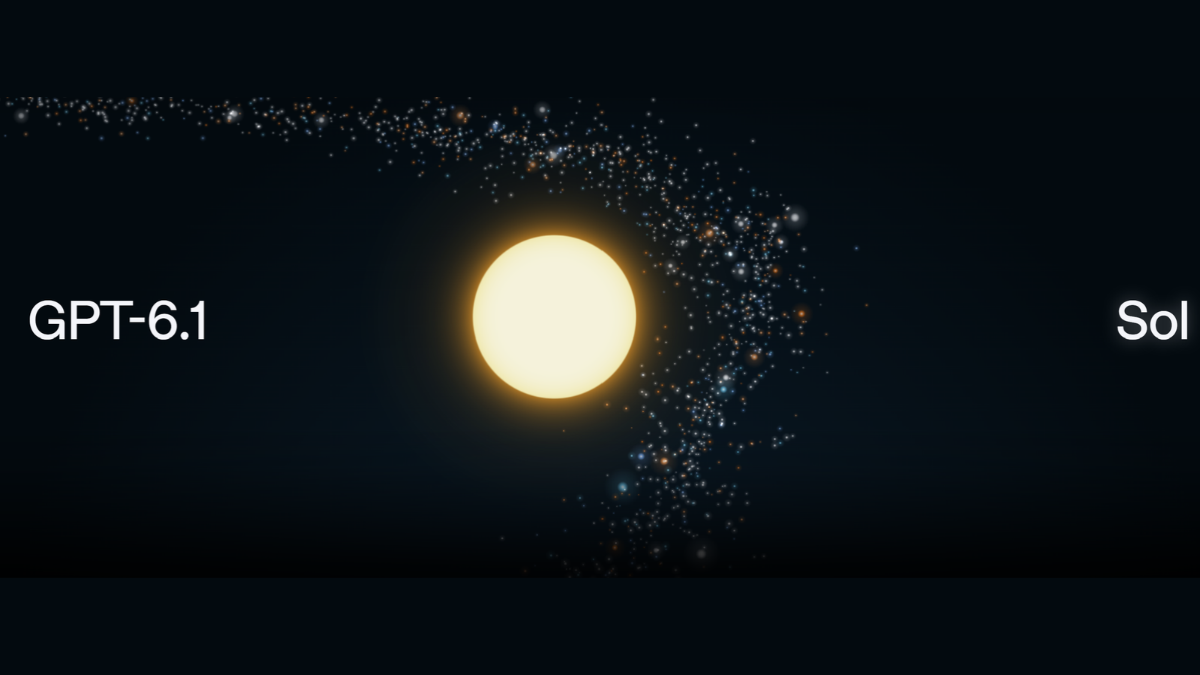
Photo Credit: OpenAI
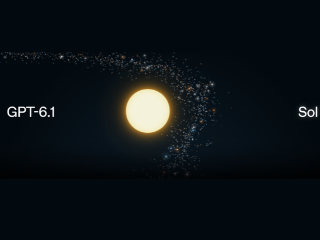
OpenAI's GPT-6.1 Sol outperformed Anthropic's Opus 5.5 on select tests
Click Here to Add Gadgets360 As A Trusted Source

Advertisement
OpenAI launched its new GPT-6.1 Sol on Tuesday as the successor to its recently released GPT-6 Sol AI model. The new model was introduced during the OpenAI Dev Day 2026 event on Tuesday, along with the ChatGPT Dots agent and its new collaborative platform called ChatGPT Space. OpenAI claims that its latest GPT-6.1 AI model delivers enhancements on multiple fronts over its predecessor, including agentic coding, computer use, and professional work. It is claimed to “nearly match” GPT-6 Astra's capabilities, while being notably more cost-efficient. The Sam Altman-led AI giant also claims that the GPT-6.1 Sol outperformed Anthropic's Opus 5.5 with fallbacks.
GPT-6.1 Sol Availability, Pricing
During the OpenAI Dev Day 2026, the AI giant's annual developer conference, the Sam Altman-led firm launched the latest GPT-6.1 Sol AI model, which succeeds the GPT-6 Sol. The new AI model is currently available to all Plus, Pro, Business, Enterprise, and Edu users. Subscribers can access GPT-6.1 Sol via ChatGPT Work and Codex. However, it has yet to be released in Chat. Meanwhile, developers can access the AI model via the OpenAI API.
In terms of API pricing, GPT-6.1 Sol costs $2 (roughly Rs. 192) per million input tokens, $0.10 (about Rs. 10) per million cached input tokens, and $10 (roughly Rs. 960) per million output tokens. The company also plans to release GPT-6.1 Sol Ultrafast in the coming days, which is claimed to deliver up to 8x faster token generation than the standard speed in Codex.
GPT-6.1 Sol Improvements, Capabilities
OpenAI claims that GPT-6.1 Sol nearly matches the intelligence of the GPT-6 Astra AI model in agentic coding, computer use, and professional work. However, it delivers these capabilities at one-fifth the standard input and output token prices and 95 percent less cached input token prices than the GPT-6 Astra model. It is also more cost-efficient than its predecessor, costing 50 percent less than GPT-6 Sol's cached input token prices.
At the same time, GPT-6.1 Sol is claimed to be better than GPT-6 Sol at executing complex professional tasks, like writing and debugging code, understanding documents, and executing multi-step business workflows. On DeepSWE's benchmarking test, GPT-6.1 Sol nearly matched the performance of GPT-6 Astra, while executing the same task at one-fifth the cost. Moreover, it outperformed GPT-6 Sol by 6.4 percent at a lower reasoning effort.
On the GDP.pdf test, GPT-6.1 Sol outperformed Anthropic's Opus 5.5 with fallbacks, while costing less than half for each task in various reasoning settings. Similarly, on AutomationBench, the AI model outperforms Opus 5.5 by 2.2 percent at medium reasoning effort, while performing the task at one-third the cost.
Comments
Get your daily dose of tech news, reviews, and insights, in under 80 characters on Gadgets 360 Turbo. Connect with fellow tech lovers on our Forum. Follow us on X, Facebook, WhatsApp, Threads and Google News for instant updates. Catch all the action on our YouTube channel.


OpenAI’s GPT-6.1 Sol AI Model Launched With Near-GPT-6 Astra Intelligence at Significantly Lower Costs


Advertisement
Follow Us




-
00:21
[Sponsored] Samsung Galaxy Z Fold8, Fold8 Ultra -
03:41
[Sponsored] Samsung Galaxy Z Fold8: How It Fits Into an Actor’s Busy Day | Camera, Multitasking & More -
09:53
iPhone 18 Goes On Sale In India: Huge Crowds, Long Queues At Apple Stores -
06:32
Google Pixel 11 Pro XL Review: The Most Exciting Pixel Yet? | 120X Zoom + Tensor G6 -
05:20
Samsung Galaxy Watch Ultra 2 Review: Is This the Best Android Smartwatch?
-
iQOO Pad Ultra 165Hz AMOLED डिस्प्ले के साथ हुआ लॉन्च
-
Apple Pay की भारत में एंट्री, सीधा iPhone और स्मार्टवॉच से होगी पेमेंट
-
भारत में बच्चों के सोशल मीडिया पर लगेगा बैन? सरकार उठा सकती है बड़ा कदम
-
Samsung Galaxy S27 Ultra के कैमरा फीचर्स होंगे कमाल! फोटोग्राफी में बड़े अपग्रेड लीक
-
Oppo K14 Plus 5G लॉन्च: 8000mAh की बैटरी लंबे समय तक देगी साथ, फोटोग्राफी के लिए 50MP कैमरा से लैस
Advertisement
Popular on Gadgets
- Samsung Galaxy S26 Ultra
- Motorola Razr Fold
- ChatGPT
- OPPO Find N6
- Mobiles Under Rs. 40,000
- Vivo X300 Ultra
- Asus Zenbook S14
- iQOO 15
- Vivo X300 Pro
- Lenovo Yoga Slim 7i Aura Edition
- iQOO 15R
- Vivo X Fold 5
- Sony PlayStation 5
- HP OmniPad 12
- OnePlus Nord CE 6 Lite
- OnePlus Pad 4
- OPPO F33 Pro 5G
- Cryptocurrency
- HP OmniBook Ultra 14 (2026)
- iPhone 17
- Eureka Forbes AP 355 Room Air Purifier
- Latest Mobile Phones
- Compare Phones
Latest Gadgets
- HMD Vibe 2 Pro 5G
- OPPO K14 Plus 5G
- Lava Shark 2 Pro 5G
- Ai+ Pulse 2 FE
- OPPO Reno 16t
- Itel Zeno 300
- Vivo Y600i
- Mivi One 5G
- Dell 14 Plus 2-in-1 (AMD Ryzen AI 7 350, 2025)
- Microsoft Surface Laptop, 13-inch (2nd Edition)
- iQOO Pad Ultra
- Ai+ NovaTab
- Amazfit T-Rex Dual Solar
- OPPO Watch S2
- Toshiba 65-Inch 4K Ultra HD Smart Mini LED QLED TV (65Z670SP)
- Haier M70 Mini LED 65-inch
- Acer Predator Atlas 8
- Asus ROG Ally
- Blue Star 1.5 Ton 5 Star Inverter Split AC (IE518ZNURS)
- Blue Star 2 Ton 3 Star Inverter Window AC (WIE324L)

- About Us
- Sitemaps
- Feedback
- Archives
- Contact Us
- RSS
- Advertise
- Career
- Privacy Policy
- Ethics
- Editorial Policy
- Terms & Conditions
- Complaint Redressal
Download Our Apps
Available in Hindi
© Copyright Red Pixels Ventures Limited 2026. All rights reserved.