
-
 CoinDCX Dismisses Second Breach Claims as Blockchain Investigators Examine Wallet Transfers22 October 2026
-
Malaysia Rolls Out Tokenised Bond Platform for Around-the-Clock Settlement21 October 2026
-
Qubic Brings Blockchain Back Online After $1.4 Million Attack, Sets Recovery Claim Window21 October 2026
-
Qubic Halts Chain as Attacker Exploits Weak Seeds to Drain 1,400 Wallets19 October 2026
-
Trump Announces $215 Million Quantum Computing Push as Crypto Security Concerns Rise9 October 2026
- Home
- Cryptocurrency
- Cryptocurrency News
- Ethereum Postpones Glamsterdam Testing as Developers Warn of Contract Risks
Ethereum Postpones Glamsterdam Testing as Developers Warn of Contract Risks
ChainSecurity identified potential gas accounting issues that could prevent existing smart contracts from completing transactions.
Written by Rahul Dhingra, Edited by Rohan Pal | Updated: 23 October 2026 17:37 IST

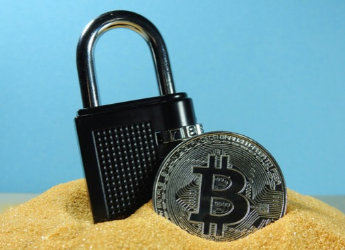
Photo Credit: Unsplash/GuerrillaBuzz
Glamsterdam also proposes changes to Ethereum’s block-building and validation processes
Click Here to Add Gadgets360 As A Trusted Source
Advertisement
The Ethereum development team has postponed the Glamsterdam upgrade for Monday in the Hoodi test network after researchers discovered a vulnerability in the code that might affect the way existing smart contracts deal with failed transactions. It was planned to go live on October 26 at 17:42:48 UTC. The upgrade had been put off for further evaluation in light of an All Core Devs Execution meeting held by developers on Thursday. This was to determine how the new gas accounting method proposed for Ethereum interacted with existing contracts.
EIP-8037 Could Change Gas Refunds and Storage Costs Under the Proposed Rules
The issue revolves around EIP-8037, which modifies how Ethereum fees are calculated for adding new entries to its database. This proposal seeks to curtail the size of this database as Ethereum increases the number of transactions it can handle through its network. Analysis on October 13 by security firm ChainSecurity found that the update, along with EIP-8038, could affect how smart contracts react in situations where a called contract runs out of gas, which is the fee for paying the network operators.
- AI: A Threat or an Ally for Crypto Security?
- Crypto Exchanges Should Be Judged on Security, Not Just Trading Fees
- Crypto Projects Need to Prove Their Reliability Before Asking for Mass Adoption
- Crypto Bridges Are Sacrificing Too Much Security for Convenience
- Can Crypto Exchanges Recover Trust After a Major Security Breach?
Other types of smart contract logic are meant to detect the failure of an operation and continue to perform other functions. They might have recorded an operation's failure, prevented any more operations from occurring, or shifted onto other logic functions. At times, developers depend on the residual gas left for those actions to fail, which reverses the entire operation.
The new scheme of Glamsterdam disrupts this process as well because under the suggested regulations, if a record is reversed, the gas that was used in creating this record will be refunded. This might lead to a surplus of gas needed for handling failure.
The problem may occur the other way around as well. ChainSecurity found that creating a new storage slot would need 110,020 gas once the separate allowance runs out, against 22,100 gas allowed by the previous rule. The contract may fail to complete a legitimate transaction due to a lack of gas budget.
The results relate to the behavior of current software under the proposed rules. ChainSecurity has proven the technique but hasn't made it public that one of the protocols in production is vulnerable. Glamsterdam introduces several features to Ethereum, among which are a novel way to choose block builders and improvements that should allow the blockchain to process larger blocks.
The network had announced the launch of the Glamsterdam update on the testnet in September, bringing its upcoming scaling solution closer to being tested on a live network. As per the announcement, its largest changes include alterations to block building, block validation, and state handling by clients while processing transactions. Operators of nodes in Sepolia must have the appropriate version of both their execution and consensus clients before activation.
Comments
Get your daily dose of tech news, reviews, and insights, in under 80 characters on Gadgets 360 Turbo. Connect with fellow tech lovers on our Forum. Follow us on X, Facebook, WhatsApp, Threads and Google News for instant updates. Catch all the action on our YouTube channel.
Related Stories



Advertisement
Follow Us


-

01:15
[Sponsored] Galaxy Tab S10 Lite for Students: Notes, Solve Math and More -
04:17
[Sponsored] LG NANO 4K UHD AI TV NU885: Gemini Search, Dolby Atmos & 5 Years of Updates -
00:57
[Sponsored] Samsung Galaxy Z Fold8 My Fan Cam in Action: Find the Moment, Then Share It -
01:41
[Sponsored] What Do You Need To Know Before Your Next Run? | Samsung Galaxy Watch Ultra2 -
01:32
[Sponsored] Big Day Tomorrow? Prep Today | Samsung Galaxy Watch Ultra2
-
NVIDIA के सीईओ ने पेश किए माइक्रोडक रोबोट, AI से चलते हैं, क्या काम आएंगे
-
iPhone Duo को बीच से खोला, फोल्डेबल डिस्प्ले से हटाया कवर, फिर क्या दिखा?
-
1 जनवरी से फोन में बिना सिम नहीं चलेगा WhatsApp, सिम बाइडिंग हुआ अनिवार्य
-
OnePlus Ace 7 सीरीज में मिलेगा डुअल-एयरफ्लो डिजाइन, 3 कलर्स के ऑप्शन
-
Oppo Reno 17 सीरीज के लॉन्च की तैयारी, NBTC पर हुई लिस्टिंग
Advertisement
Popular on Gadgets
- Samsung Galaxy S26 Ultra
- Motorola Razr Fold
- ChatGPT
- OPPO Find N6
- Mobiles Under Rs. 40,000
- Vivo X300 Ultra
- Asus Zenbook S14
- iQOO 15
- Vivo X300 Pro
- Lenovo Yoga Slim 7i Aura Edition
- iQOO 15R
- Vivo X Fold 5
- Sony PlayStation 5
- HP OmniPad 12
- OnePlus Nord CE 6 Lite
- OnePlus Pad 4
- OPPO F33 Pro 5G
- Cryptocurrency
- HP OmniBook Ultra 14 (2026)
- iPhone 17
- Eureka Forbes AP 355 Room Air Purifier
- Latest Mobile Phones
- Compare Phones
Latest Gadgets
- HMD 2660 Flip Senior Edition
- Lava Aura Curve
- Poco X8s
- Samsung Galaxy F70 5G
- Tecno Spark 50S 5G
- Vivo Y600s Pro
- Vivo Y32 (2026)
- Infinix Smart 20 HD
- Lenovo Yoga 9n 2-in-1
- Lenovo Yoga Pro 9n
- Amazon Alexa Tablet 8
- Amazon Alexa Tablet 11
- Pebble Qore 2
- Amazfit T-Rex Dual Solar
- Toshiba 65-Inch 4K Ultra HD Smart Mini LED QLED TV (65Z670SP)
- Haier M70 Mini LED 65-inch
- Acer Predator Atlas 8
- Asus ROG Ally
- Blue Star 1.5 Ton 5 Star Inverter Split AC (IE518ZNURS)
- Blue Star 2 Ton 3 Star Inverter Window AC (WIE324L)

- About Us
- Sitemaps
- Feedback
- Archives
- Contact Us
- RSS
- Advertise
- Career
- Privacy Policy
- Ethics
- Editorial Policy
- Terms & Conditions
- Complaint Redressal
Download Our Apps
Available in Hindi
© Copyright Red Pixels Ventures Limited 2026. All rights reserved.