
-
 Bitcoin Holds Above $83,000 as ETF Outflows and Global Market Caution Weigh on Sentiment14 October 2026
 -
Bitcoin Holds Above $83,000 as ETF Outflows and Rising Yields Weigh on Market13 October 2026
-
Bitcoin Slips Below $83,000 as Treasury Yields Hit 2002 High8 October 2026
-
Bitcoin Struggles Below $87,000 Despite Rising Whale Accumulation7 October 2026
-
Bitcoin Stays Near $83,000 as October Fed Hike Odds Drop Below 50 percent30 September 2026
- Home
- Cryptocurrency
- Cryptocurrency News
- Solana’s Alpenglow Upgrade Set for October 21 With 150 Millisecond Finality Target
Solana’s Alpenglow Upgrade Set for October 21 With 150-Millisecond Finality Target
Solana validators will switch to certificate-based voting, replacing the existing process of recording votes as blockchain transactions.
Written by Rahul Dhingra, Edited by Rohan Pal | Updated: 14 October 2026 17:41 IST
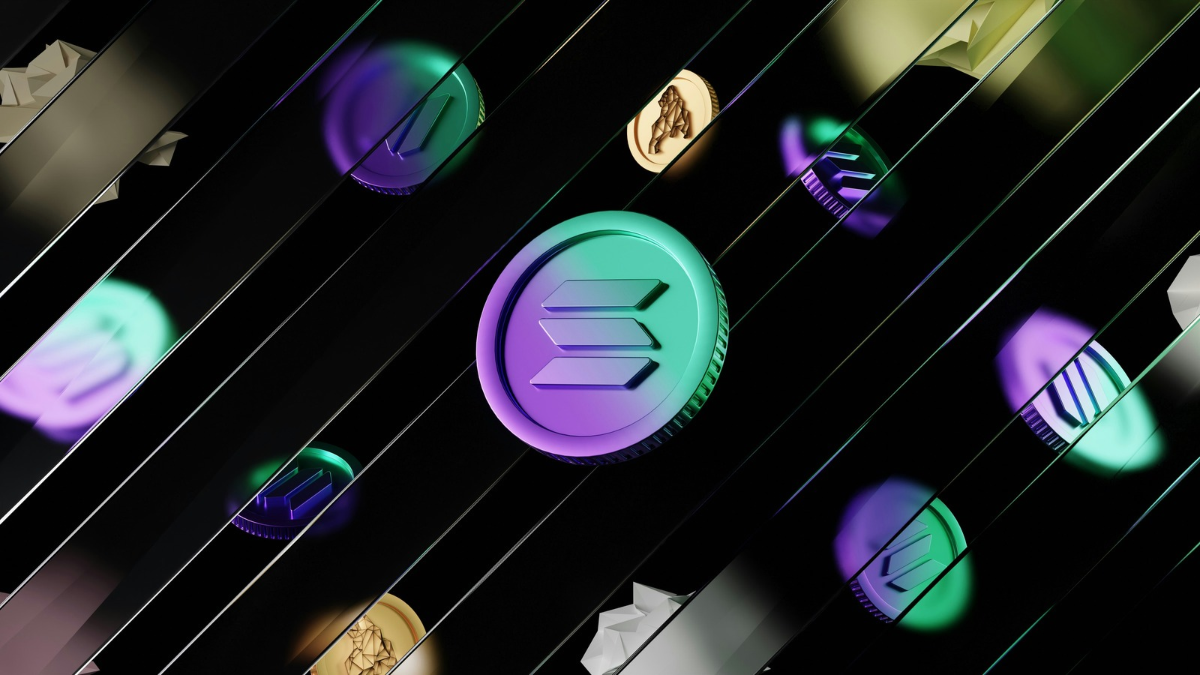
Photo Credit: Unsplash/GuerrillaBuzz
The upgrade is planned for epoch 1064, with the transition expected to take about 18 minutes
Click Here to Add Gadgets360 As A Trusted Source

Advertisement
The Solana blockchain will host an upgrade known as Alpenglow, which will make transactions irreversible in 150 milliseconds through the revision of how computers that power the network reach agreement on payments. The upgrade will go live on October 21, and the latest timetable released by the Solana Foundation also shows when TowerBFT will be replaced, having been used by the blockchain since its inception in 2020. The 150 milliseconds will remain the target, but the performance will depend on the network's status.
Alpenglow Will Replace Solana's Existing Validator Voting Mechanism
The network status is important because a Solana payment can succeed within this period quite promptly. But Alpenglow seeks to provide a more certain guarantee that this success cannot be reversed. A merchant who needs that assurance before accepting a transaction, or a bridge that would have to release funds from another blockchain, can do so sooner.
Until now, validators, which are the machines that verify transactions and ensure security on the Solana network, have been sending their votes in the form of transactions on the blockchain. Alpenglow will be able to send their votes in exchange for a certificate after one or two rounds of voting.
There will be a dramatic reduction in the number of transactions Solana can execute due to the disappearance of the votes within the block, even though people will continue to trade and make payments as before. The operators require software that is based on Agave 4.3.0. The Firedancer and Frankendancer are alternative software packages that are used to run validators and will not be able to support the initial migration process.
Eliminating the vote transactions also alters the payment system for validators. The validators currently paying voting fees of around 1 SOL per epoch will no longer have to pay that, and instead will pay 0.8 SOL just once. The term epoch refers to the time period where Solana selects validators for handling network operations. The transition has been planned for epoch 1064 and will be completed around 15:00 UTC on October 21. Solana will be using its previous voting procedure for the first 5,000 slots before it transitions to Alpenglow in approximately 18 minutes.
Similar to Solana, at the start of this month, the Ethereum network also announced the plan to launch its Glamsterdam update on the Sepolia testnet, bringing its upcoming scaling solution closer to being tested on a live network. The Ethereum Foundation confirmed that its largest changes include alterations to block building, block validation, and state handling by clients while processing transactions.
Comments
Get your daily dose of tech news, reviews, and insights, in under 80 characters on Gadgets 360 Turbo. Connect with fellow tech lovers on our Forum. Follow us on X, Facebook, WhatsApp, Threads and Google News for instant updates. Catch all the action on our YouTube channel.
Related Stories






Advertisement
Follow Us




-
![[Sponsored] LG NANO 4K UHD AI TV NU885: Gemini Search, Dolby Atmos & 5 Years of Updates](https://www.gadgets360.com/static/desktop/images/spacer.png)
04:17
[Sponsored] LG NANO 4K UHD AI TV NU885: Gemini Search, Dolby Atmos & 5 Years of Updates -
00:57
[Sponsored] Samsung Galaxy Z Fold8 My Fan Cam in Action: Find the Moment, Then Share It -
01:41
[Sponsored] What Do You Need To Know Before Your Next Run? | Samsung Galaxy Watch Ultra2 -
01:32
[Sponsored] Big Day Tomorrow? Prep Today | Samsung Galaxy Watch Ultra2 -
04:37
[Sponsored]: CP PLUS CarKam CP-F89B: 4K Dashcam With Rear Camera, GPS & Emergency Recording
-
Dell Pro Essential 14, Essential 15 लॉन्च, सिक्योरिटी के लिए गजब फीचर्स
-
Flipkart Big Billion Days Sale: ₹15 हजार में स्टूडेंट के लिए बेस्ट लैपटॉप
-
Amazon Great Indian Festival Sale: 10 हजार से सस्ते मिल रहे ये स्मार्टफोन
-
Amazon पर Samsung Galaxy A56 5G, Flipkart पर Motorola Edge 70 Fusion की डील, ₹30 हजार में कौनसा फोन बेहतर?
-
₹13 हजार सस्ती कीमत में मिल रहा iPhone 17 Pro, जानें पूरा ऑफर
Advertisement
Popular on Gadgets
- Samsung Galaxy S26 Ultra
- Motorola Razr Fold
- ChatGPT
- OPPO Find N6
- Mobiles Under Rs. 40,000
- Vivo X300 Ultra
- Asus Zenbook S14
- iQOO 15
- Vivo X300 Pro
- Lenovo Yoga Slim 7i Aura Edition
- iQOO 15R
- Vivo X Fold 5
- Sony PlayStation 5
- HP OmniPad 12
- OnePlus Nord CE 6 Lite
- OnePlus Pad 4
- OPPO F33 Pro 5G
- Cryptocurrency
- HP OmniBook Ultra 14 (2026)
- iPhone 17
- Eureka Forbes AP 355 Room Air Purifier
- Latest Mobile Phones
- Compare Phones
Latest Gadgets
- Vivo Y600s Pro
- Vivo Y32 (2026)
- Infinix Smart 20 HD
- Vivo V80
- Vivo S2 FE
- Vivo Y600K Turbo
- Realme P4s Lite
- Vivo S60t
- HP ZBook Ultra G3a
- Dell Pro Rugged 14
- Amazon Alexa Tablet 8
- Amazon Alexa Tablet 11
- Amazfit T-Rex Dual Solar
- OPPO Watch S2
- Toshiba 65-Inch 4K Ultra HD Smart Mini LED QLED TV (65Z670SP)
- Haier M70 Mini LED 65-inch
- Acer Predator Atlas 8
- Asus ROG Ally
- Blue Star 1.5 Ton 5 Star Inverter Split AC (IE518ZNURS)
- Blue Star 2 Ton 3 Star Inverter Window AC (WIE324L)

- About Us
- Sitemaps
- Feedback
- Archives
- Contact Us
- RSS
- Advertise
- Career
- Privacy Policy
- Ethics
- Editorial Policy
- Terms & Conditions
- Complaint Redressal
Download Our Apps
Available in Hindi
© Copyright Red Pixels Ventures Limited 2026. All rights reserved.