-
 Solana’s Alpenglow Upgrade Set for October 21 With 150-Millisecond Finality Target14 October 2026
 -
Japan Digital Agency Reports Potential Leak of 246,000 Records After Cyberattack11 September 2026
-
Bitcoin Holds Below $79,000 as Rate Concerns Weigh on Recovery8 September 2026
-
Bitcoin Climbs Above $80,500 as Fed Rate Hike Bets Ease4 September 2026
-
Australia Sets September 30 Deadline for Crypto Firm Licensing3 September 2026
- Home
- Cryptocurrency
- Cryptocurrency News
- Zerion Links Crypto Cyberattack to North Korean Hackers Using AI Tactics
Zerion Links Crypto Cyberattack to North Korean Hackers Using AI Tactics
AI-driven tactics emerge as new threat in crypto security landscape.
Written by Rahul Dhingra, Edited by David Delima | Updated: 15 April 2026 18:45 IST
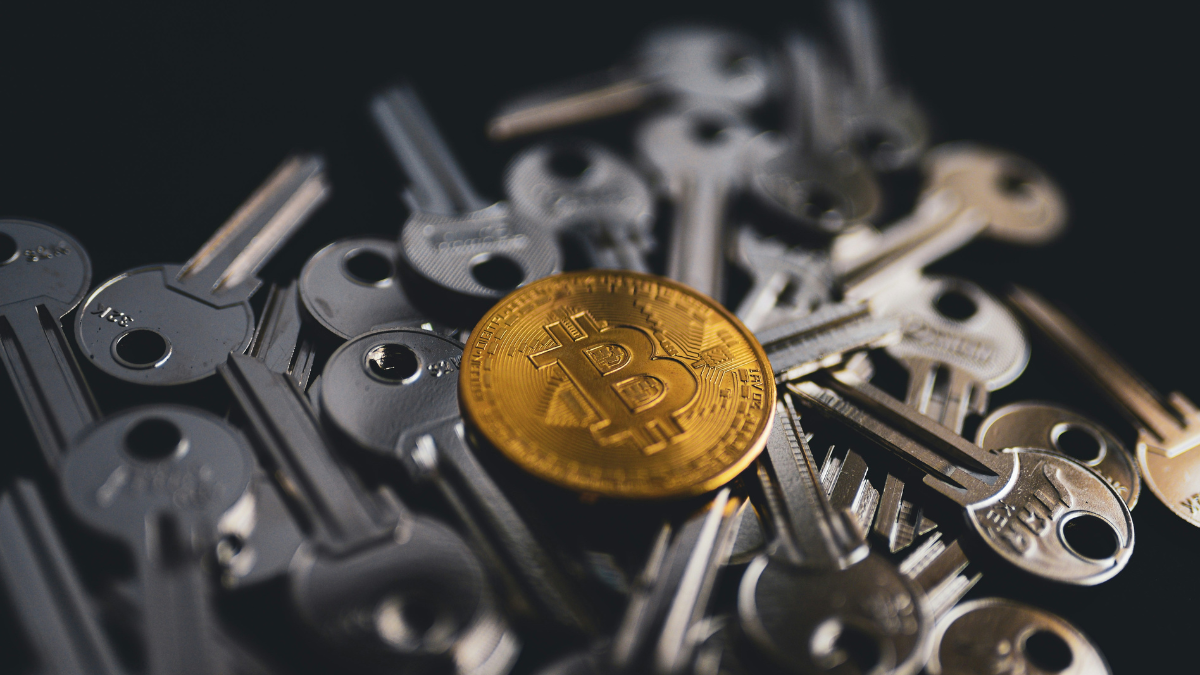
Photo Credit: Unsplash/rc.xyz NFT gallery
AI-powered tactics are making crypto attacks more sophisticated
Click Here to Add Gadgets360 As A Trusted Source

Advertisement
The Zerion team released a post-mortem report on Wednesday, claiming that North Korean-affiliated hackers were using AI-enabled social engineering in a cyberattack. Hackers stole around $100,000 (roughly Rs. 93.4 lakh) from the company's hot wallets last week. It was later confirmed that no user funds, Zerion apps or infrastructure were affected and that the company had disabled the web app as a precautionary move. Zerion further added that the attacker gained access to some team members' logged-in sessions and credentials, as well as private keys to company hot wallets.
Report Highlights Growing Use of AI in Cyberattacks
The firm stated that the attack was similar to those that had been investigated by the Security Alliance last week. Between February and April, the nonprofit Security Alliance (SEAL) reported that it had tracked and blocked over 164 domains linked to the DPRK group UNC1069. It was also mentioned in the report that the group operates “multiweek, low-pressure social engineering campaigns” across Telegram, LinkedIn and Slack. Malicious people impersonate trusted brands or known contacts, or they use access to company and individual accounts that have already been hacked.
In a post on X, Zerion addressed this issue and gave a glimpse of how the road looked ahead. The crypto wallet said, “This incident showed that AI is changing the way cyber threats work. We are taking steps to further strengthen Zerion's security,” The firm added in the post that they will be strengthening internal policies for using credentials and authentication. The Web app will be restored in the next 48 hours. The team will be investing in team security training and working to accelerate security compliance.
Last week, security researcher Taylor Manonan claimed that North Korean IT workers have been infiltrating DeFi platforms for the past 7 years. This includes the Drift Protocol hack as well, which disclosed a $280 million (roughly Rs. 2,600 crore) exploit, which also had a DPRK group behind it. Drift Protocol explained that this was not a typical hack, but a months-long, highly coordinated social engineering operation.
In a blog post earlier this year, blockchain security firm Elliptic also stated that ”The evolution of the DPRK's social engineering techniques, combined with the increasing availability of AI to refine and perfect these methods, means the threat extends well beyond exchanges.”
This incident reflects how cyber threats in the crypto ecosystem are evolving with the help of AI, which are making attacks more targeted and harder to detect. Cases like Zerion wallet and Drift protocol serve as an example that even established platforms are not immune to cyber threats, and hence, it reinforces the need for stringent security across the crypto landscape.
Comments
Get your daily dose of tech news, reviews, and insights, in under 80 characters on Gadgets 360 Turbo. Connect with fellow tech lovers on our Forum. Follow us on X, Facebook, WhatsApp, Threads and Google News for instant updates. Catch all the action on our YouTube channel.
Related Stories






Advertisement
Follow Us




-
![[Sponsored] LG NANO 4K UHD AI TV NU885: Gemini Search, Dolby Atmos & 5 Years of Updates](https://www.gadgets360.com/static/desktop/images/spacer.png)
04:17
[Sponsored] LG NANO 4K UHD AI TV NU885: Gemini Search, Dolby Atmos & 5 Years of Updates -
00:57
[Sponsored] Samsung Galaxy Z Fold8 My Fan Cam in Action: Find the Moment, Then Share It -
01:41
[Sponsored] What Do You Need To Know Before Your Next Run? | Samsung Galaxy Watch Ultra2 -
01:32
[Sponsored] Big Day Tomorrow? Prep Today | Samsung Galaxy Watch Ultra2 -
04:37
[Sponsored]: CP PLUS CarKam CP-F89B: 4K Dashcam With Rear Camera, GPS & Emergency Recording
-
Dell Pro Essential 14, Essential 15 लॉन्च, सिक्योरिटी के लिए गजब फीचर्स
-
Flipkart Big Billion Days Sale: ₹15 हजार में स्टूडेंट के लिए बेस्ट लैपटॉप
-
Amazon Great Indian Festival Sale: 10 हजार से सस्ते मिल रहे ये स्मार्टफोन
-
Amazon पर Samsung Galaxy A56 5G, Flipkart पर Motorola Edge 70 Fusion की डील, ₹30 हजार में कौनसा फोन बेहतर?
-
₹13 हजार सस्ती कीमत में मिल रहा iPhone 17 Pro, जानें पूरा ऑफर
Advertisement
Popular on Gadgets
- Samsung Galaxy S26 Ultra
- Motorola Razr Fold
- ChatGPT
- OPPO Find N6
- Mobiles Under Rs. 40,000
- Vivo X300 Ultra
- Asus Zenbook S14
- iQOO 15
- Vivo X300 Pro
- Lenovo Yoga Slim 7i Aura Edition
- iQOO 15R
- Vivo X Fold 5
- Sony PlayStation 5
- HP OmniPad 12
- OnePlus Nord CE 6 Lite
- OnePlus Pad 4
- OPPO F33 Pro 5G
- Cryptocurrency
- HP OmniBook Ultra 14 (2026)
- iPhone 17
- Eureka Forbes AP 355 Room Air Purifier
- Latest Mobile Phones
- Compare Phones
Latest Gadgets
- Vivo Y600s Pro
- Vivo Y32 (2026)
- Infinix Smart 20 HD
- Vivo V80
- Vivo S2 FE
- Vivo Y600K Turbo
- Realme P4s Lite
- Vivo S60t
- HP ZBook Ultra G3a
- Dell Pro Rugged 14
- Amazon Alexa Tablet 8
- Amazon Alexa Tablet 11
- Amazfit T-Rex Dual Solar
- OPPO Watch S2
- Toshiba 65-Inch 4K Ultra HD Smart Mini LED QLED TV (65Z670SP)
- Haier M70 Mini LED 65-inch
- Acer Predator Atlas 8
- Asus ROG Ally
- Blue Star 1.5 Ton 5 Star Inverter Split AC (IE518ZNURS)
- Blue Star 2 Ton 3 Star Inverter Window AC (WIE324L)

- About Us
- Sitemaps
- Feedback
- Archives
- Contact Us
- RSS
- Advertise
- Career
- Privacy Policy
- Ethics
- Editorial Policy
- Terms & Conditions
- Complaint Redressal
Download Our Apps
Available in Hindi
© Copyright Red Pixels Ventures Limited 2026. All rights reserved.