- Home
- Laptops
- Laptops News
- Dell Reportedly Shipping Another Dangerous Root Certificate on Its PCs
Dell Reportedly Shipping Another Dangerous Root Certificate on Its PCs
By Manish Singh | Updated: 25 November 2015 17:27 IST
Click Here to Add Gadgets360 As A Trusted Source

Advertisement
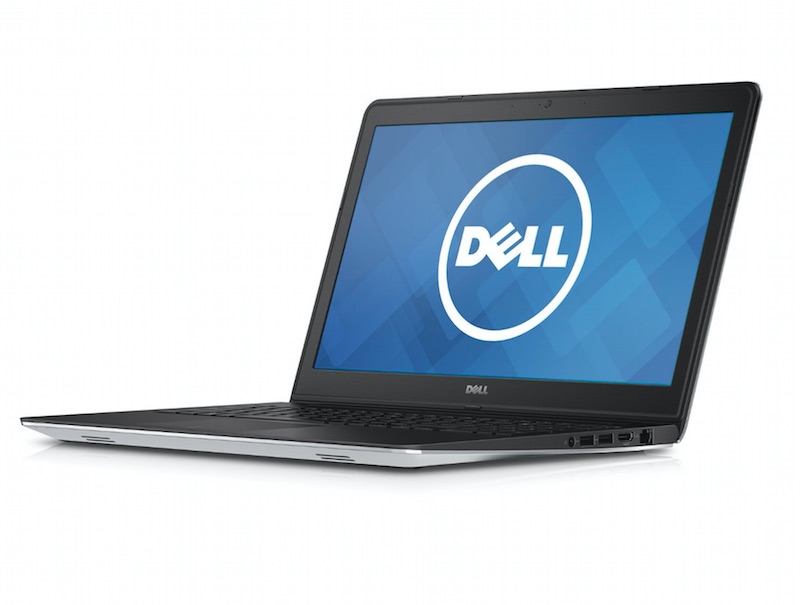
Another root certificate vulnerability has been found on at least some Dell's Windows-powered computers. Earlier this week, the US-based computer juggernaut was caught shipping some of its recent PCs with a self-signed eDellRoot digital certificate which put its customers' privacy and security at risk.
It turns out, eDellRoot wasn't the only self-signed digital certificate that could allow attackers to impersonate websites and steal a user's information. Another root certificate called DSDTestProvider has been found by researchers on some Dell systems that could potentially be abused by attackers to perform the same man-in-the-middle attacks the eDellRoot certificate allowed, allowing attackers to snoop on user data and spoof encrypted pages.
"Dell System Detect installs the DSDTestProvider certificate into the Trusted Root Certificate Store on Microsoft Windows systems. The certificate includes the private key," wrote researchers at Carnegie Mellon University.
"This allows attackers to create trusted certificates and perform impersonation, man-in-the-middle (MiTM), and passive decryption attacks, resulting in the exposure of sensitive information."
Dell System Detect (DSD) is designed to interact with the Dell Support website. The researchers note that Dell systems that have been re-imaged, a popular process in which users remove all the applications that come pre-installed on the system and re-install them, are not affected. Some Dell systems don't come with the said certificate at all - those computers are not affected either. As of now, exactly which PCs ship with the DSDTestProvider certificate is not known.
The certificate is identical to the eDellRoot, which means that an attacker could generate certificates by the DSDTestProvider CA too, and impersonate websites and other services, emails, and decrypt network traffic among other things.
On Monday, Dell acknowledged that its eDellRoot certificate is riddled with an "unintended security vulnerability." The company also published an 11-page document with instructions on how to get rid of the said certificate. Dell is yet to acknowledge any vulnerability in the DSDTestProvider certificate.
Comments
Get your daily dose of tech news, reviews, and insights, in under 80 characters on Gadgets 360 Turbo. Connect with fellow tech lovers on our Forum. Follow us on X, Facebook, WhatsApp, Threads and Google News for instant updates. Catch all the action on our YouTube channel.
Further reading:
DSDTestProvider, Dell, Laptops, Security, Vulnerability, Windows, eDellRoot, malware


Advertisement
Follow Us




-
![[Sponsored] LG NANO 4K UHD AI TV NU885: Gemini Search, Dolby Atmos & 5 Years of Updates](https://www.gadgets360.com/static/desktop/images/spacer.png)
04:17
[Sponsored] LG NANO 4K UHD AI TV NU885: Gemini Search, Dolby Atmos & 5 Years of Updates -
00:57
[Sponsored] Samsung Galaxy Z Fold8 My Fan Cam in Action: Find the Moment, Then Share It -
01:41
[Sponsored] What Do You Need To Know Before Your Next Run? | Samsung Galaxy Watch Ultra2 -
01:32
[Sponsored] Big Day Tomorrow? Prep Today | Samsung Galaxy Watch Ultra2 -
04:37
[Sponsored]: CP PLUS CarKam CP-F89B: 4K Dashcam With Rear Camera, GPS & Emergency Recording
-
आ गई हवा में उड़ने वाली Tesla Roadster कार, आखिर सच हुआ फिल्मों वाला कमाल
-
रोबोट ने की लड़की से छेड़छाड़, पीछे से पकड़ा और किए गंदे इशारे, जानें
-
PS5 कहां मिलेगा सस्ता, Flipkart या Amazon, जानें सबकुछ
-
Samsung Galaxy A38 5G में मिल सकती है ट्रिपल रियर कैमरा यूनिट
-
iPhone 18 Pro vs iPhone 17 Pro: जानें Flipkart Big Billion Days Sale में किस पर मिल रहा ज्यादा डिस्काउंट
Advertisement
Popular on Gadgets
- Samsung Galaxy S26 Ultra
- Motorola Razr Fold
- ChatGPT
- OPPO Find N6
- Mobiles Under Rs. 40,000
- Vivo X300 Ultra
- Asus Zenbook S14
- iQOO 15
- Vivo X300 Pro
- Lenovo Yoga Slim 7i Aura Edition
- iQOO 15R
- Vivo X Fold 5
- Sony PlayStation 5
- HP OmniPad 12
- OnePlus Nord CE 6 Lite
- OnePlus Pad 4
- OPPO F33 Pro 5G
- Cryptocurrency
- HP OmniBook Ultra 14 (2026)
- iPhone 17
- Eureka Forbes AP 355 Room Air Purifier
- Latest Mobile Phones
- Compare Phones
Latest Gadgets
- Tecno Spark 50S 5G
- Vivo Y600s Pro
- Vivo Y32 (2026)
- Infinix Smart 20 HD
- Vivo V80
- Vivo S2 FE
- Vivo Y600K Turbo
- Realme P4s Lite
- HP ZBook Ultra G3a
- Dell Pro Rugged 14
- Amazon Alexa Tablet 8
- Amazon Alexa Tablet 11
- Amazfit T-Rex Dual Solar
- OPPO Watch S2
- Toshiba 65-Inch 4K Ultra HD Smart Mini LED QLED TV (65Z670SP)
- Haier M70 Mini LED 65-inch
- Acer Predator Atlas 8
- Asus ROG Ally
- Blue Star 1.5 Ton 5 Star Inverter Split AC (IE518ZNURS)
- Blue Star 2 Ton 3 Star Inverter Window AC (WIE324L)

- About Us
- Sitemaps
- Feedback
- Archives
- Contact Us
- RSS
- Advertise
- Career
- Privacy Policy
- Ethics
- Editorial Policy
- Terms & Conditions
- Complaint Redressal
Download Our Apps
Available in Hindi
© Copyright Red Pixels Ventures Limited 2026. All rights reserved.