
-
 UFS 5.0 With Faster Data Access, Higher Sequential Performance Announced as Development Nears Completion7 October 2025
 -
Samsung Develops UFS 4.0 Storage for Future Phones, Unveils Pro Endurance MicroSD Card4 May 2022
-
UFS 3.1 Flash Storage Standard Announced: Promises Improved Write Speeds, Lower Power Consumption3 February 2020
-
Samsung 512GB eUFS 3.0 Storage Chips Announced for Next-Gen Flagship Smartphones27 February 2019
-
Samsung 1TB eUFS 2.1 Storage Chips Announced for Upcoming Flagship Smartphones, May Feature on Galaxy S1030 January 2019
- Home
- Mobiles
- Mobiles Features
- UFS 2.2, UFS 3.1 or UFS 4.1: Which Storage Standard Should You Choose?
UFS 2.2, UFS 3.1 or UFS 4.1: Which Storage Standard Should You Choose?
While they may look like minor version numbers, they can make a noticeable difference to how fast a phone feels.
Written by Sucharita Ganguly, Edited by Rohan Pal | Updated: 2 August 2026 18:00 IST
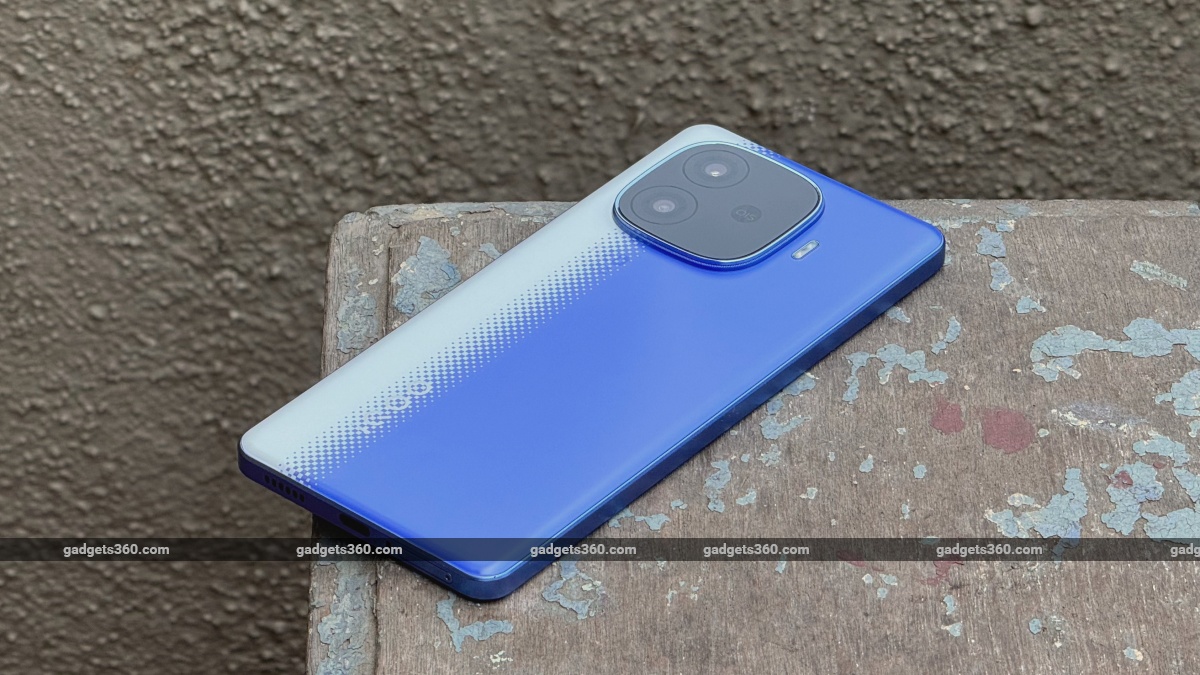
If you're shopping for a flagship phone, UFS 4.1 is definitely a nice feature to have
Click Here to Add Gadgets360 As A Trusted Source

Advertisement
Most people look at a smartphone's processor, RAM or cameras before making a purchase, but the type of storage it uses is just as important. It influences how quickly apps open, how fast files are copied, and even how smoothly games and camera features perform. Over the years, Universal Flash Storage, or UFS, has become faster and more efficient with each new generation. If you've come across terms like UFS 2.2, UFS 3.1 or UFS 4.1 while comparing phones, here's what they mean and how they differ.
What Is UFS Storage?
UFS, short for Universal Flash Storage, is the type of storage found in most modern smartphones. Think of it as the phone's internal storage system that determines how quickly it can read and save data. A faster UFS version means apps open more quickly, large files transfer faster, photos and videos are saved faster, and the phone generally feels more responsive. It also helps when you're switching between apps, playing games or recording high-resolution videos.
Over the years, UFS has evolved through multiple generations, with each new version bringing faster speeds, better efficiency and new features. So, what exactly changes between UFS 2.2, UFS 3.1 and UFS 4.1? Let's take a closer look.
UFS 2.2 vs UFS 3.1 vs UFS 4.1: Key Differences
If you've been comparing smartphones, you've probably come across terms like UFS 2.2, UFS 3.1 and UFS 4.1. While they may look like minor version numbers, they can make a noticeable difference to how fast a phone feels. A newer UFS standard means quicker app launches, faster file transfers and a more responsive experience overall.
UFS 2.2 is the standard you'll find in many budget and mid-range smartphones. With sequential read speeds of up to 1,200MB/s and write speeds of around 260MB/s, it's fast enough for everyday tasks like browsing, streaming, social media and casual gaming. It also introduced WriteBooster, which speeds up tasks such as installing apps or saving large files.
Meanwhile, UFS 3.1 builds on that foundation with much faster read and write speeds of up to 2,100MB/s and 1,200MB/s, respectively. Beyond the speed boost, it brings features such as DeepSleep to reduce power consumption and Host Performance Booster to improve responsiveness. The difference is most noticeable when launching apps, transferring large files or playing graphics-intensive games.
Finally, UFS 4.1 isn't just about higher speeds. It also makes storage smarter and more efficient. Alongside read speeds of up to 4,200MB/s and write speeds of up to 2,800MB/s, it introduces better storage management, improved firmware updates and support for larger storage capacities. These enhancements help flagship phones handle AI-powered features, high-resolution video recording and other demanding workloads more efficiently.
In short, all three versions are capable, but newer standards offer a faster, smoother and more efficient experience as smartphones continue to become more powerful.
Does UFS Version Matter in Daily Use?
For most people, the answer is both yes and no. If you mainly use your phone for calls, messaging, social media and streaming, UFS 2.2 is fast enough to deliver a smooth experience. However, if you frequently play games, edit videos, transfer large files or use AI-powered features, a phone with UFS 3.1 or UFS 4.1 will feel quicker and more responsive. Apps open sooner, file transfers take less time, and demanding tasks run more smoothly. While the processor and RAM remain equally important, faster UFS storage helps keep your phone feeling snappy as apps and features become more demanding.
Should You Buy a Phone With UFS 4.1?
If you're shopping for a flagship phone, UFS 4.1 is definitely a nice feature to have. It offers faster storage, better power efficiency and is well suited for AI features, high-resolution video recording and other demanding tasks. However, it shouldn't be the deciding factor.
For most people, a phone with UFS 3.1 or even UFS 2.2 will still feel fast enough for everyday use. Instead of choosing a phone based on its storage standard alone, look at the overall package, including the processor, RAM, battery life and software support. In the end, UFS is just one part of the equation, and a well-balanced smartphone will almost always deliver the best long-term experience.
1. What is UFS storage in a smartphone?
UFS, short for Universal Flash Storage, is the storage technology that powers most modern smartphones, affecting speed and responsiveness.
2. Is UFS 4.1 better than UFS 3.1?
Yes. UFS 4.1 is faster, more power-efficient and better suited for flagship smartphones than UFS 3.1.
3. Does UFS version matter when buying a smartphone?
Yes. UFS 2.2 and UFS 3.1 are sufficient for everyday use, while UFS 4.1 suits demanding users.
Comments
Get your daily dose of tech news, reviews, and insights, in under 80 characters on Gadgets 360 Turbo. Connect with fellow tech lovers on our Forum. Follow us on X, Facebook, WhatsApp, Threads and Google News for instant updates. Catch all the action on our YouTube channel.
Further reading:
UFS, UFS Storage, UFS 2.2, UFS 3.1, UFS 4.1, Universal Flash Storage, Smartphone Storage, Mobile Storage
Related Stories



Advertisement
Follow Us




-

05:20
Samsung Galaxy Watch Ultra 2 Review: Is This the Best Android Smartwatch? -
07:01
Samsung Galaxy Z Fold 8 Review: Is This the Best Foldable Phone? -
06:39
Samsung Galaxy Z Fold8 Ultra Review: Cameras, Battery, Performance Tested -
04:33
[Sponsored] JBL Live 780NC: Great Sound, Perfect Comfort, Smart ANC & 80-Hour Battery -
12:04
[Partner Content] OPPO Reno16 Series Deep Dive: Built for Creators?
-
Realme 15 Pro के 12GB RAM और 256GB स्टोरेज वेरिएंट पर बड़ा डिस्काउंट
-
₹2 हजार से ज्यादा UPI पेमेंट करने से पहले जान लें ये बात
-
एक जगह मिलेंगे दुनिया भर के 1000+ Live TV चैनल, फ्री में ऐसे देखें
-
Oppo Find X10 में होगा MediaTek Dimensity 9600 Pro चिपसेट
-
Oppo ने 7000mAh बैटरी के साथ K14 Lite किया पेश, कम दामों में भी दमदार फीचर्स से लैस, जानें फीचर्स
Advertisement
Popular on Gadgets
- Samsung Galaxy S26 Ultra
- Motorola Razr Fold
- ChatGPT
- OPPO Find N6
- Mobiles Under Rs. 40,000
- Vivo X300 Ultra
- Asus Zenbook S14
- iQOO 15
- Vivo X300 Pro
- Lenovo Yoga Slim 7i Aura Edition
- iQOO 15R
- Vivo X Fold 5
- Sony PlayStation 5
- HP OmniPad 12
- OnePlus Nord CE 6 Lite
- OnePlus Pad 4
- OPPO F33 Pro 5G
- Cryptocurrency
- HP OmniBook Ultra 14 (2026)
- iPhone 17
- Eureka Forbes AP 355 Room Air Purifier
- Latest Mobile Phones
- Compare Phones
Latest Gadgets
- Itel Muzik 450L
- OPPO K14 Lite
- Samsung Galaxy A18 4G
- iPhone Duo
- OPPO A7 Pro
- Huawei Mate XT 2 Ultimate Design
- Realme 16 Pro Harry Potter Edition
- Samsung Galaxy A07s
- Asus Vivobook S14 (S5452MA)
- Acer Aspire G 3D 16
- Xiaomi Pad 9 Pro
- Xiaomi Pad 9
- Apple Watch Ultra 4
- Apple Watch Series 12
- Haier M70 Mini LED 65-inch
- Xiaomi TV FX Mini LED 65
- Acer Predator Atlas 8
- Asus ROG Ally
- Blue Star 1.5 Ton 5 Star Inverter Split AC (IE518ZNURS)
- Blue Star 2 Ton 3 Star Inverter Window AC (WIE324L)

- About Us
- Sitemaps
- Feedback
- Archives
- Contact Us
- RSS
- Advertise
- Career
- Privacy Policy
- Ethics
- Editorial Policy
- Terms & Conditions
- Complaint Redressal
Download Our Apps
Available in Hindi
© Copyright Red Pixels Ventures Limited 2026. All rights reserved.