-
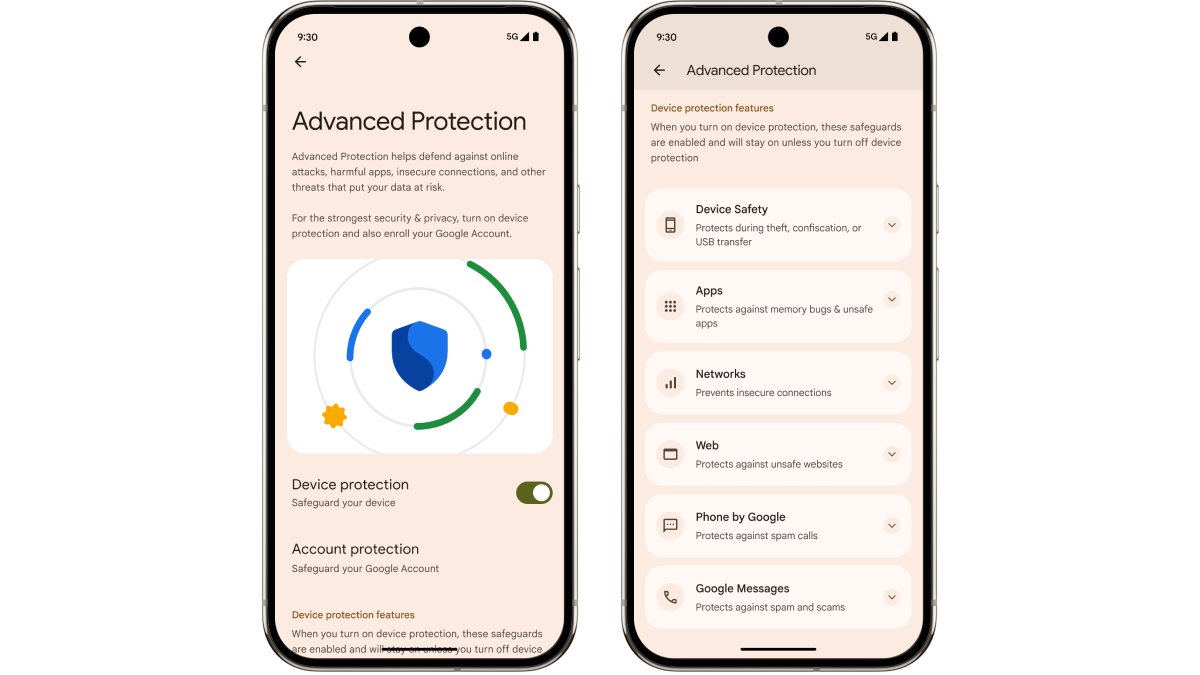
 Google May Soon Give Android Users More Control Over Advanced Protection Features; Suggests APK Teardown14 September 2026
 -
iPhone 18 Pro, iPhone 18 Pro Max Alternatives: Pixel 11 Pro to Xiaomi 17 Ultra and More12 September 2026
-
How to Factory Reset an Android Phone Safely: A Step-by-Step Guide12 September 2026
-
Samsung's Rumoured Android XR Smart Glasses With Colour Display: All You Need to Know11 September 2026
-
Google Makes It Easier to Switch Password Managers on Android: How to Transfer Passwords and Passkeys11 September 2026
- Home
- Mobiles
- Mobiles News
- Jelly Bean now on over 10% Android devices, Gingerbread finally below 50%
Jelly Bean now on over 10% Android devices, Gingerbread finally below 50%
By NDTV Correspondent | Updated: 4 January 2013 14:02 IST
Click Here to Add Gadgets360 As A Trusted Source

Advertisement
Google has shared the monthly Android distribution data, and if you had money on Jelly Bean hitting the 10% mark, it's time to claim your share of the winnings.
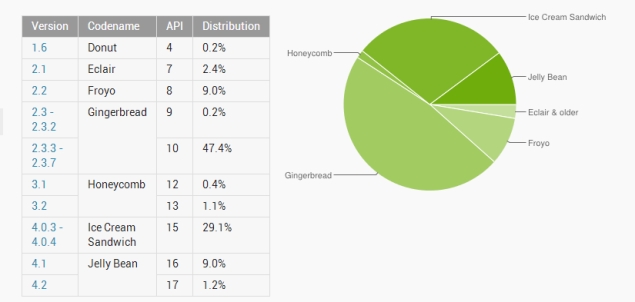
As per data released on 3 January 2013, Jelly Bean now accounts for 10.2% of devices, with Ice Cream Sandwich (Android 4.0.x) now present on an impressive 29.1% of the devices. Gingerbread (Android 2.x) is still going strong, but is finally below the 50% mark for the first time since reaching that milestone.
Android 2.2 and 2.1 together stay above the 10% mark, at a combined marketshare of 11.4%, down from 13% last month. With no upgrade path for most of these devices, the reduction is likely down to people finally ditching their old devices in favour of new ones.
While Jelly Bean hitting 10% mark may seem like good news, it's not all rosy if you look closer. With Jelly Bean having come to represent two different Android versions - Android 4.1 and Android 4.2 - there's further fragmentation, with Android 4.1 accounting for 9% of the devices, while Android 4.2 being present of 1.2%. In other words, hiding behind that over 10% figure for Jelly Bean is the fact, that only 1.2% of Android devices are running the latest Android version.
Contrast that with the iOS world, where barely a week after iOS 6 was released, over 50% of iOS devices worldwide were running the latest version of Apple's OS.
Comments
Get your daily dose of tech news, reviews, and insights, in under 80 characters on Gadgets 360 Turbo. Connect with fellow tech lovers on our Forum. Follow us on X, Facebook, WhatsApp, Threads and Google News for instant updates. Catch all the action on our YouTube channel.
Further reading:
Android, Android 2.2, Android 4.1, Android 4.2, Android mobiles, Froyo, Gingerbread, Google, Ice Cream Sandwich, Jelly Bean, iOS, iOS 6
Related Stories



Advertisement
Follow Us




-

05:20
Samsung Galaxy Watch Ultra 2 Review: Is This the Best Android Smartwatch? -
07:01
Samsung Galaxy Z Fold 8 Review: Is This the Best Foldable Phone? -
06:39
Samsung Galaxy Z Fold8 Ultra Review: Cameras, Battery, Performance Tested -
04:33
[Sponsored] JBL Live 780NC: Great Sound, Perfect Comfort, Smart ANC & 80-Hour Battery -
12:04
[Partner Content] OPPO Reno16 Series Deep Dive: Built for Creators?
-
Ganesh Chaturthi Stickers: ऐसे डाउनलोड करें और भेजे गणपति बप्पा के स्टिकर
-
iQOO 16 में होगा दुनिया का पहला 2K 165Hz डिस्प्ले
-
Xiaomi का ये छोटा सा सॉकेट पुराने पंखे-लैंप को बना देगा सुपर स्मार्ट
-
150 इंच स्क्रीन पर 4K सिनेमा और बिल्ट-इन 2.1 चैनल स्पीकर सिस्टम! लॉन्च हुआ OBE R3 Ultra Max Projector
-
Samsung का 42 हजार वाला फोन मिल रहा ₹9000 सस्ता, यहां आई तगड़ी डील
Advertisement
Popular on Gadgets
- Samsung Galaxy S26 Ultra
- Motorola Razr Fold
- ChatGPT
- OPPO Find N6
- Mobiles Under Rs. 40,000
- Vivo X300 Ultra
- Asus Zenbook S14
- iQOO 15
- Vivo X300 Pro
- Lenovo Yoga Slim 7i Aura Edition
- iQOO 15R
- Vivo X Fold 5
- Sony PlayStation 5
- HP OmniPad 12
- OnePlus Nord CE 6 Lite
- OnePlus Pad 4
- OPPO F33 Pro 5G
- Cryptocurrency
- HP OmniBook Ultra 14 (2026)
- iPhone 17
- Eureka Forbes AP 355 Room Air Purifier
- Latest Mobile Phones
- Compare Phones
Latest Gadgets
- iPhone Duo
- OPPO A7 Pro
- Huawei Mate XT 2 Ultimate Design
- Realme 16 Pro Harry Potter Edition
- Samsung Galaxy A07s
- Huawei Pura X View
- Tecno Camon Slim 5G
- iQOO Z11xa
- Acer Aspire G 3D 16
- Acer Swift Air 16 (2026)
- Xiaomi Pad 9 Pro
- Xiaomi Pad 9
- Apple Watch Ultra 4
- Apple Watch Series 12
- Haier M70 Mini LED 65-inch
- Xiaomi TV FX Mini LED 65
- Acer Predator Atlas 8
- Asus ROG Ally
- Blue Star 1.5 Ton 5 Star Inverter Split AC (IE518ZNURS)
- Blue Star 2 Ton 3 Star Inverter Window AC (WIE324L)

- About Us
- Sitemaps
- Feedback
- Archives
- Contact Us
- RSS
- Advertise
- Career
- Privacy Policy
- Ethics
- Editorial Policy
- Terms & Conditions
- Complaint Redressal
Download Our Apps
Available in Hindi
© Copyright Red Pixels Ventures Limited 2026. All rights reserved.