
-
 Scientists Find Wastewater Bacteria That Break Down PET Plastic, Aiding Pollution Control27 February 2025
 -
Microplastics Found in Human Brain Tissue, Study Shows Rising Levels7 February 2025
-
New Global Policies to Cut Plastic Waste and Reduce Carbon Emissions by 205015 November 2024
-
RMIT University Develops Satellite Technology to Identify Plastic Waste on Beaches4 November 2024
- Home
- Science
- Science News
- Mealworms Can Eat Plastic, But Study Shows Limited Impact on Pollution Crisis
Mealworms Can Eat Plastic, But Study Shows Limited Impact on Pollution Crisis
A study shows mealworms eat plastic but can't manage the immense scale of global plastic pollution alone
Written by Gadgets 360 Staff | Updated: 4 December 2024 22:27 IST

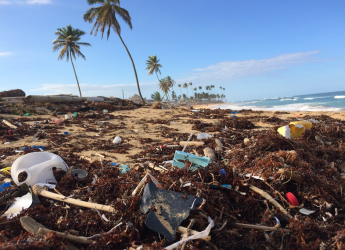
Photo Credit: Unsplash/ Robert Gunnarsson
Even a natural genius at plastic recycling like the yellow mealworm
Click Here to Add Gadgets360 As A Trusted Source


Advertisement
An experiment conducted by researchers at the University of British Columbia has revealed the limited potential of mealworms in addressing plastic pollution. The study, published in Biology Letters on December 4, estimated that 100 mealworms would take approximately 138 days, or 4.5 months, to consume a single disposable face mask made from polypropylene. The findings underscore the challenges of relying on insect larvae for large-scale plastic degradation as per various reports.
Plastic Pollution and Microplastics: A Growing Concern
The research focused on microplastics, which are plastic fragments smaller than 5 millimetres and linked to severe health issues such as increased risks of heart attacks and strokes, as suggested by prior studies. Earlier experiments had demonstrated the ability of several insect species, including yellow mealworms (Tenebrio molitor) and superworms (Zophobas atratus), to degrade various types of plastics. However, most of those studies utilised powdered or pure forms of plastic, rather than the manufactured items people use daily, as reported by researchers.
Real-World Testing and Observations
Led by ecologist Dr Michelle Tseng, the team opted for a more realistic approach by using disposable face masks containing additional materials from manufacturing processes. To encourage consumption, the plastic was processed into microbits and blended with wheat bran. According to Dr Tseng in a statement, the insects readily consumed this mixture, termed “face-mask granola.”
No significant reduction in the insects' lifespan was observed. However, questions regarding the safety of using these larvae as feedstock in agriculture, particularly for poultry, were raised. Dr Tseng noted that mealworms consuming large amounts of microplastics may not remain safe for further use in food chains, as reported.
Challenges and Future Directions
The feasibility of using mealworms for large-scale plastic degradation remains doubtful due to the slow consumption rate. During the peak of the COVID-19 pandemic, Asia alone reportedly used 2 billion face masks per day, highlighting the impracticality of such a solution. Researchers have suggested that exploring the microbial composition of these insects could lead to advancements in waste breakdown technologies. Nonetheless, reducing plastic usage is emphasised as the most effective approach to managing this environmental crisis.
Comments
Get your daily dose of tech news, reviews, and insights, in under 80 characters on Gadgets 360 Turbo. Connect with fellow tech lovers on our Forum. Follow us on X, Facebook, WhatsApp, Threads and Google News for instant updates. Catch all the action on our YouTube channel.
Related Stories





Advertisement
Follow Us




-
04:17
[Sponsored] LG NANO 4K UHD AI TV NU885: Gemini Search, Dolby Atmos & 5 Years of Updates -
00:57
[Sponsored] Samsung Galaxy Z Fold8 My Fan Cam in Action: Find the Moment, Then Share It -
01:41
[Sponsored] What Do You Need To Know Before Your Next Run? | Samsung Galaxy Watch Ultra2 -
01:32
[Sponsored] Big Day Tomorrow? Prep Today | Samsung Galaxy Watch Ultra2 -
04:37
[Sponsored]: CP PLUS CarKam CP-F89B: 4K Dashcam With Rear Camera, GPS & Emergency Recording
-
Dell Pro Essential 14, Essential 15 लॉन्च, सिक्योरिटी के लिए गजब फीचर्स
-
Flipkart Big Billion Days Sale: ₹15 हजार में स्टूडेंट के लिए बेस्ट लैपटॉप
-
Amazon Great Indian Festival Sale: 10 हजार से सस्ते मिल रहे ये स्मार्टफोन
-
Poco X8s के जल्द लॉन्च की तैयारी, 50 मेगापिक्सल हो सकता है प्राइमरी कैमरा
-
Amazon पर Samsung Galaxy A56 5G, Flipkart पर Motorola Edge 70 Fusion की डील, ₹30 हजार में कौनसा फोन बेहतर?
Advertisement
Popular on Gadgets
- Samsung Galaxy S26 Ultra
- Motorola Razr Fold
- ChatGPT
- OPPO Find N6
- Mobiles Under Rs. 40,000
- Vivo X300 Ultra
- Asus Zenbook S14
- iQOO 15
- Vivo X300 Pro
- Lenovo Yoga Slim 7i Aura Edition
- iQOO 15R
- Vivo X Fold 5
- Sony PlayStation 5
- HP OmniPad 12
- OnePlus Nord CE 6 Lite
- OnePlus Pad 4
- OPPO F33 Pro 5G
- Cryptocurrency
- HP OmniBook Ultra 14 (2026)
- iPhone 17
- Eureka Forbes AP 355 Room Air Purifier
- Latest Mobile Phones
- Compare Phones
Latest Gadgets
- Vivo Y600s Pro
- Vivo Y32 (2026)
- Infinix Smart 20 HD
- Vivo V80
- Vivo S2 FE
- Vivo Y600K Turbo
- Realme P4s Lite
- Vivo S60t
- HP ZBook Ultra G3a
- Dell Pro Rugged 14
- Amazon Alexa Tablet 8
- Amazon Alexa Tablet 11
- Amazfit T-Rex Dual Solar
- OPPO Watch S2
- Toshiba 65-Inch 4K Ultra HD Smart Mini LED QLED TV (65Z670SP)
- Haier M70 Mini LED 65-inch
- Acer Predator Atlas 8
- Asus ROG Ally
- Blue Star 1.5 Ton 5 Star Inverter Split AC (IE518ZNURS)
- Blue Star 2 Ton 3 Star Inverter Window AC (WIE324L)

- About Us
- Sitemaps
- Feedback
- Archives
- Contact Us
- RSS
- Advertise
- Career
- Privacy Policy
- Ethics
- Editorial Policy
- Terms & Conditions
- Complaint Redressal
Download Our Apps
Available in Hindi
© Copyright Red Pixels Ventures Limited 2026. All rights reserved.
-
 Apple Watch Series 12
Starts from ₹56,900
Apple Watch Series 12
Starts from ₹56,900
-
 Samsung Galaxy Watch Ultra 2
Starts from ₹62,479
Samsung Galaxy Watch Ultra 2
Starts from ₹62,479
-
 Samsung Galaxy Watch 9 (44mm, LTE)
Starts from ₹41,999
Samsung Galaxy Watch 9 (44mm, LTE)
Starts from ₹41,999
-
 Samsung Galaxy Watch 9 (40mm, LTE)
Starts from ₹37,999
Samsung Galaxy Watch 9 (40mm, LTE)
Starts from ₹37,999
-
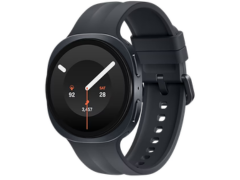 Samsung Galaxy Watch 9 (40mm)
Starts from ₹36,999
Samsung Galaxy Watch 9 (40mm)
Starts from ₹36,999
-
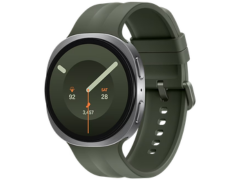 Samsung Galaxy Watch 9 (44mm)
Starts from ₹40,999
Samsung Galaxy Watch 9 (44mm)
Starts from ₹40,999
-
 Rockstar Explains Why It Took Over 8 Years to Make GTA 6, Says It Will Make Its Next Game Faster
-
 Facebook Introduces Your Algorithm Feature to Let Users Customise Feed and Reels
-
 Solana’s Alpenglow Upgrade Set for October 21 With 150-Millisecond Finality Target
-
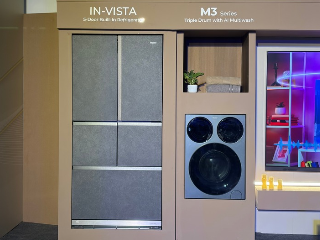 Haier In-Vista Five-Door Refrigerator and M3 Series Washing Machine Launched in India: Price, Features