- Home
- Science
- Science News
- New Experiments Suggest RNA Could Have Formed Naturally, Supporting ‘RNA World’ Origin of Life Theory
New Experiments Suggest RNA Could Have Formed Naturally, Supporting ‘RNA World’ Origin of Life Theory
RNA may have naturally formed on early Earth, aided by borates, supporting the RNA world hypothesis.
Written by Gadgets 360 Staff | Updated: 7 January 2026 22:30 IST
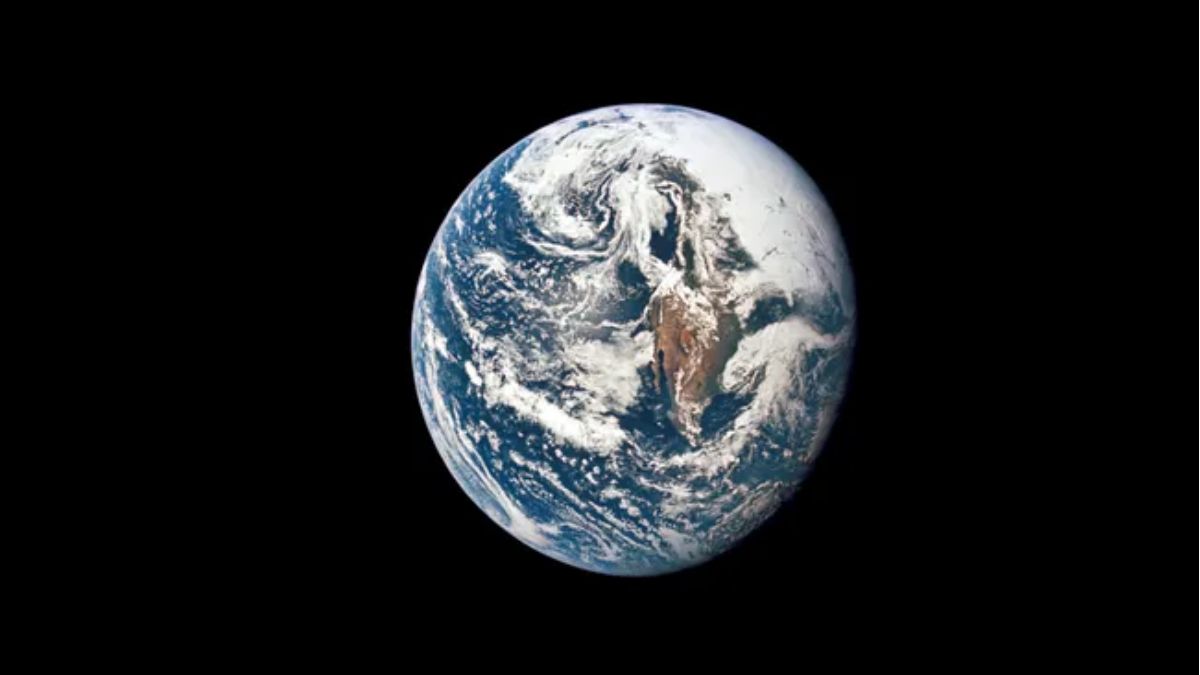
Photo Credit: NASA
Laboratory experiments show RNA could form naturally under early Earth-like conditions.
Click Here to Add Gadgets360 As A Trusted Source


Advertisement
New experiments suggest that RNA, one of the most fundamental molecules of life, could have developed naturally on the early Earth. Researchers simulated 4.3 billion years ago, combining ribose, nucleobases, phosphates, borate, and basalt and then heating and drying the mixture. RNA made without human-directed reactions, a hint that life's building blocks can arise quickly. The results complement a parsec of NASA's OSIRIS-REx mission, which discovered ribose in asteroid Bennu, suggesting the ingredients for RNA may have been delivered through impacts by ancient protoplanets.
Study Suggests Borates May Have Supported RNA Formation, Offering Clues to Life's Origins on Early Earth
According to a report from the Proceedings of the National Academy of Sciences, the team, led by Yuta Hirakawa of Tohoku University, found that borates, which were previously thought to hamper the formation of RNA, actually stabilised ribose and facilitated phosphate production. The experiments approximate the conditions of this natural process, implying that it may have taken place efficiently in underground aquifers.
RNA probably came before DNA, serving as the storehouse of genetic information and driving chemical reactions; a 500-kilometre-wide protoplanet may have brought its components to Earth.
Mars Could Have Supported RNA Formation, Strengthening the RNA World Hypothesis for Life's Origins
These findings also suggest that Mars, which has borates and experienced similar impacts, could have been capable of forming RNA. RNA's advent on Earth would thus potentially have presented a shortcut to the rapid evolution of simple organisms that lie between chemistry and biology.
Hirakawa's finding dispels the idea that only under sophisticated lab conditions RNA could self-replicate and adds weight to an RNA world theory of how life began on Earth, and perhaps elsewhere.
Comments
Get your daily dose of tech news, reviews, and insights, in under 80 characters on Gadgets 360 Turbo. Connect with fellow tech lovers on our Forum. Follow us on X, Facebook, WhatsApp, Threads and Google News for instant updates. Catch all the action on our YouTube channel.
Further reading:
RNA world, RNA formation, Origin of life, borates, early Earth, Ribose, Nucleobases
New Experiments Suggest RNA Could Have Formed Naturally, Supporting ‘RNA World’ Origin of Life Theory


Advertisement
Follow Us




-
04:37
[Sponsored]: CP PLUS CarKam CP-F89B: 4K Dashcam With Rear Camera, GPS & Emergency Recording -
04:23
[Partner Content] Your Phone Can Do WAY More Than You Think | OPPO ColorOS 16 -
01:59
Samsung Galaxy Z Fold8 Ultra: Unfold the Ultra Night -
03:24
Apple Pay Launches In India: Supported Devices, Cards And Payments Explained -
00:21
[Sponsored] Samsung Galaxy Z Fold8, Fold8 Ultra
-
Amazon Great Indian Festival Sale: iPhone 17 Pro पर बंपर डील
-
Flipkart Big Billion Days Sale: ₹8K से सस्ता मिल रहा Google Pixel 10a
-
भारत में दुनिया का सबसे सस्ता इंटरनेट, 1GB की कीमत सिर्फ 8 रुपये
-
Flipkart Big Billion Days Sale 2026: ₹30 हजार वाले स्मार्टफोन्स पर बेस्ट डील्स
-
iQOO 15, iQOO 15R Amazon सेल 2026 में ₹8 हजार तक सस्ते! 7,600mAh की बैटरी
Advertisement
Popular on Gadgets
- Samsung Galaxy S26 Ultra
- Motorola Razr Fold
- ChatGPT
- OPPO Find N6
- Mobiles Under Rs. 40,000
- Vivo X300 Ultra
- Asus Zenbook S14
- iQOO 15
- Vivo X300 Pro
- Lenovo Yoga Slim 7i Aura Edition
- iQOO 15R
- Vivo X Fold 5
- Sony PlayStation 5
- HP OmniPad 12
- OnePlus Nord CE 6 Lite
- OnePlus Pad 4
- OPPO F33 Pro 5G
- Cryptocurrency
- HP OmniBook Ultra 14 (2026)
- iPhone 17
- Eureka Forbes AP 355 Room Air Purifier
- Latest Mobile Phones
- Compare Phones
Latest Gadgets
- Vivo Y600s Pro
- Vivo Y32 (2026)
- Infinix Smart 20 HD
- Vivo V80
- Vivo S2 FE
- Vivo Y600K Turbo
- Realme P4s Lite
- Vivo S60t
- Dell Pro Rugged 14
- Dell Pro Rugged 13 Extreme
- Amazon Alexa Tablet 8
- Amazon Alexa Tablet 11
- Amazfit T-Rex Dual Solar
- OPPO Watch S2
- Toshiba 65-Inch 4K Ultra HD Smart Mini LED QLED TV (65Z670SP)
- Haier M70 Mini LED 65-inch
- Acer Predator Atlas 8
- Asus ROG Ally
- Blue Star 1.5 Ton 5 Star Inverter Split AC (IE518ZNURS)
- Blue Star 2 Ton 3 Star Inverter Window AC (WIE324L)

- About Us
- Sitemaps
- Feedback
- Archives
- Contact Us
- RSS
- Advertise
- Career
- Privacy Policy
- Ethics
- Editorial Policy
- Terms & Conditions
- Complaint Redressal
Download Our Apps
Available in Hindi
© Copyright Red Pixels Ventures Limited 2026. All rights reserved.