-
 iPhone 18 Pro, iPhone 18 Pro Max Alternatives: Pixel 11 Pro to Xiaomi 17 Ultra and More12 September 2026
 -
How to Factory Reset an Android Phone Safely: A Step-by-Step Guide12 September 2026
-
Samsung's Rumoured Android XR Smart Glasses With Colour Display: All You Need to Know11 September 2026
-
Google Makes It Easier to Switch Password Managers on Android: How to Transfer Passwords and Passkeys11 September 2026
-
Nothing Phone 2 to Stop at Android 16 as CEO Carl Pei Explains Update Decision9 September 2026
Now, a smartphone app that recognises stress from your voice
By Press Trust of India | Updated: 20 August 2012 13:20 IST
Click Here to Add Gadgets360 As A Trusted Source

Advertisement
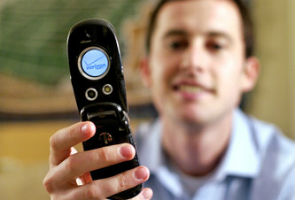
Your smartphone may soon be able to tell you when you are most stressed, with the help of a new software that can identify stress from the patterns in your voice.
The app called 'StressSense' is first trained to recognise a person's unstressed voice.
For that, users must relax and read a 3-minute passage from a book into their phones.
The system then compares this recording to its pre-programmed knowledge of the physiological changes that stress induces like speaking at a faster rate and a clipped frequency spectrum.
The application then takes note of any instances of stress it detects in the voice.
"Our stress model also adapts to different background noise environments," New Scientist quoted Hong Lu of Intel in Santa Clara, California, who developed the system, as saying.
In tests that included putting volunteers through mock job interviews, the researchers found their prototype's stressrecognition accuracy to be 81 per cent indoors and 76 per cent outdoors, where sound quality wasn't as good.
The team plans to make the system a plug-in to an Android application called BeWell, which uses a phone's accelerometers and Global Positioning System (GPS) sensors to record users' activity and sleep levels.
Smartphone users will be able to set StressSense to either listen to their voice throughout the day, or only to activate when they are having a phone conversation.
The app will be presented at the Ubicomp conference in Pittsburgh, Pennsylvania, next month.
Comments
Get your daily dose of tech news, reviews, and insights, in under 80 characters on Gadgets 360 Turbo. Connect with fellow tech lovers on our Forum. Follow us on X, Facebook, WhatsApp, Threads and Google News for instant updates. Catch all the action on our YouTube channel.
Related Stories



Advertisement
Follow Us




-

05:20
Samsung Galaxy Watch Ultra 2 Review: Is This the Best Android Smartwatch? -
07:01
Samsung Galaxy Z Fold 8 Review: Is This the Best Foldable Phone? -
06:39
Samsung Galaxy Z Fold8 Ultra Review: Cameras, Battery, Performance Tested -
04:33
[Sponsored] JBL Live 780NC: Great Sound, Perfect Comfort, Smart ANC & 80-Hour Battery -
12:04
[Partner Content] OPPO Reno16 Series Deep Dive: Built for Creators?
-
iPhone Duo के लिए ₹3 लाख का बजट नहीं है? ये 4 सस्ते फोल्डेबल फोन देखिए
-
सोशल मीडिया में छाया 80s AI Photo Trend, आप भी आजमाएं ये 5 Prompts
-
Motorola के 7000mAh बैटरी वाले फोन पर ₹4,500 तक की बचत
-
₹23 हजार से ज्यादा सस्ता मिल रहा 55 हजार एमआरपी वाला Vivo 5G फोन! 50MP कैमरा, 7200mAh बैटरी
-
Mivi One 5G सस्ता फोन भारत में आएगा तीन रंगों में, Android 16 सपोर्ट, 24 सितंबर को है लॉन्च
Advertisement
Popular on Gadgets
- Samsung Galaxy S26 Ultra
- Motorola Razr Fold
- ChatGPT
- OPPO Find N6
- Mobiles Under Rs. 40,000
- Vivo X300 Ultra
- Asus Zenbook S14
- iQOO 15
- Vivo X300 Pro
- Lenovo Yoga Slim 7i Aura Edition
- iQOO 15R
- Vivo X Fold 5
- Sony PlayStation 5
- HP OmniPad 12
- OnePlus Nord CE 6 Lite
- OnePlus Pad 4
- OPPO F33 Pro 5G
- Cryptocurrency
- HP OmniBook Ultra 14 (2026)
- iPhone 17
- Eureka Forbes AP 355 Room Air Purifier
- Latest Mobile Phones
- Compare Phones
Latest Gadgets
- iPhone Duo
- OPPO A7 Pro
- Huawei Mate XT 2 Ultimate Design
- Realme 16 Pro Harry Potter Edition
- Samsung Galaxy A07s
- Huawei Pura X View
- Tecno Camon Slim 5G
- iQOO Z11xa
- Acer Aspire G 3D 16
- Acer Swift Air 16 (2026)
- Infinix Xpad 30 Pro
- Lenovo Yoga Tab Gen 2
- Apple Watch Ultra 4
- Apple Watch Series 12
- Haier M70 Mini LED 65-inch
- Xiaomi TV FX Mini LED 65
- Acer Predator Atlas 8
- Asus ROG Ally
- Blue Star 1.5 Ton 5 Star Inverter Split AC (IE518ZNURS)
- Blue Star 2 Ton 3 Star Inverter Window AC (WIE324L)

- About Us
- Sitemaps
- Feedback
- Archives
- Contact Us
- RSS
- Advertise
- Career
- Privacy Policy
- Ethics
- Editorial Policy
- Terms & Conditions
- Complaint Redressal
Download Our Apps
Available in Hindi
© Copyright Red Pixels Ventures Limited 2026. All rights reserved.