- Home
- Mobiles
- Phone Finder
- Sharp Phones
- Sharp Aquos R9 Pro
Sharp Aquos R9 Pro
- Sharp
- Last Updated: 6th September 2026


Key Specs
-
Display 6.70-inch (3120x1440)
-
Front Camera 50.3MP
-
Rear Camera 50.3MP + 50.3MP + 50.3MP
-
RAM 12GB
-
Storage 256GB
-
Battery Capacity 5000mAh
-
OS Android 14
Market Status Released
Release Date 29th October 2024
Sharp Aquos R9 Pro Summary
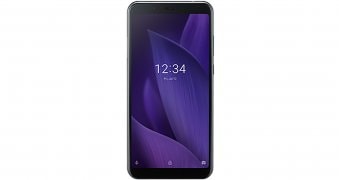
Sharp Aquos R9 Pro mobile was launched on 29th October 2024. The phone comes with a 120 Hz refresh rate 6.70-inch touchscreen display offering a resolution of 3120x1440 pixels.Sharp Aquos R9 Pro comes with 12GB of RAM. The Sharp Aquos R9 Pro runs Android 14 and is powered by a 5000mAh battery.
As far as the cameras are concerned, the Sharp Aquos R9 Pro on the rear packs a triple camera setup featuring a 50.3-megapixel (f/1.8) primary camera; a 50.3-megapixel (f/2.2) camera, and a 50.3-megapixel (f/2.6) camera. It has a single front camera setup for selfies, featuring a 50.3-megapixel sensor with an f/2.2 aperture.
Sharp Aquos R9 Pro is based on Android 14 and packs 256GB of inbuilt storage. The Sharp Aquos R9 Pro measures 162.00 x 78.00 x 9.30mm (height x width x thickness) and weighs 229.00 grams. It was launched in Black colour. It features an IP68 rating for dust and water protection.
Connectivity options on the Sharp Aquos R9 Pro include Wi-Fi 802.11 a/b/g/n/ac/ax, GPS, Bluetooth v5.40, and NFC. Sensors on the phone include in-display fingerprint sensor.
Sharp Aquos R9 Pro Full Specifications
General
| Brand | Sharp |
| Model | Aquos R9 Pro |
| Release date | 29th October 2024 |
| Launched in India | No |
| Form factor | Touchscreen |
| Dimensions (mm) | 162.00 x 78.00 x 9.30 |
| Weight (g) | 229.00 |
| IP rating | IP68 |
| Battery capacity (mAh) | 5000 |
| Colours | Black |
Display
| Refresh Rate | 120 Hz |
| Screen size (inches) | 6.70 |
| Touchscreen | Yes |
| Resolution | 3120x1440 pixels |
Hardware
| Processor make | Qualcomm Snapdragon 8s Gen 3 |
| RAM | 12GB |
| Internal storage | 256GB |
Camera
| Rear camera | 50.3-megapixel (f/1.8) + 50.3-megapixel (f/2.2) + 50.3-megapixel (f/2.6) |
| No. of Rear Cameras | 3 |
| Front camera | 50.3-megapixel (f/2.2) |
| No. of Front Cameras | 1 |
Software
| Operating system | Android 14 |
Connectivity
| Wi-Fi | Yes |
| Wi-Fi standards supported | 802.11 a/b/g/n/ac/ax |
| GPS | Yes |
| Bluetooth | Yes, v 5.40 |
| NFC | Yes |
Sensors
| In-Display Fingerprint Sensor | Yes |
! Error or missing information?
Please let us know
Sharp Aquos R9 Pro Competitors






OR
-
 Sharp Aquos R9 Pro
Sharp Aquos R9 Pro User Review and Ratings
0★
Sharp Aquos R9 Pro News
Other Sharp Phones







Price List
-
Samsung Mobiles Price
-
Oppo Mobiles Price
-
Mi Mobiles Price
-
Vivo Mobiles Price
-
Nokia Mobiles Price
-
Motorola Mobiles Price
-
Asus Mobiles Price
-
OnePlus Mobiles Price
-
Apple Mobiles Price
-
Huawei Mobiles Price
-
Google Mobiles Price
-
Realme Mobiles Price
-
Sony Mobiles Price
-
Honor Mobiles Price
-
Lenovo Mobiles Price















Advertisement
Best Mobile Phones
- Best Mobile Phones
- Best Camera Mobile Phones
- Best Mobile Phones Under 10000
- Best Mobile Phones Under 15000
- Best Mobile Phones Under 20000
- Best Mobile Phones Under 25000
- Best Mobile Phones Under 30000
- Best Mobile Phones Under 35000
- Best Mobile Phones Under 40000
- Mobile Phones between 10000 to 15000
- Best Camera Mobile Phones Under 15000
- Best Camera Mobile Phones Under 20000
- Best Camera Mobile Phones Under 25000
- Best Camera Mobile Phones Under 30000
- Best 5G Mobile Phones Under 15000
- Best 5G Mobile Phones Under 20000
- Best 5G Mobile Phones Under 25000
- Best 5G Mobile Phones Under 30000
- Best 5G Mobile Phones Under 40000
- Best 5G Mobile Phones Under 50000

Advertisement
Popular on Gadgets
- Samsung Galaxy S26 Ultra
- Motorola Razr Fold
- ChatGPT
- OPPO Find N6
- Mobiles Under Rs. 40,000
- Vivo X300 Ultra
- Asus Zenbook S14
- iQOO 15
- Vivo X300 Pro
- Lenovo Yoga Slim 7i Aura Edition
- iQOO 15R
- Vivo X Fold 5
- Sony PlayStation 5
- HP OmniPad 12
- OnePlus Nord CE 6 Lite
- OnePlus Pad 4
- OPPO F33 Pro 5G
- Cryptocurrency
- HP OmniBook Ultra 14 (2026)
- iPhone 17
- Eureka Forbes AP 355 Room Air Purifier
- Latest Mobile Phones
- Compare Phones
Latest Gadgets
- Tecno Pova 8 Pro 5G Tonino Lamborghini Limited Edition
- Vivo V80 Lite 5G (2026)
- Philips S7221 5G
- Poco F9 Pro
- Poco F9 Ultra
- OPPO Find X10 Pro Max
- OPPO Find X10 Pro
- OPPO Find X10
- Acer Swift Neo 14
- Lenovo Yoga 7 2-in-1
- Lenovo Yoga Tab Gen 2
- Lenovo Yoga Tab Plus Gen 2
- Huawei Watch GT 7 Pro
- Huawei Watch GT 7
- Haier M70 Mini LED 65-inch
- Xiaomi TV FX Mini LED 65
- Acer Predator Atlas 8
- Asus ROG Ally
- Blue Star 1.5 Ton 5 Star Inverter Split AC (IE518ZNURS)
- Blue Star 2 Ton 3 Star Inverter Window AC (WIE324L)
- About Us
- Sitemaps
- Feedback
- Archives
- Contact Us
- RSS
- Advertise
- Career
- Privacy Policy
- Ethics
- Editorial Policy
- Terms & Conditions
- Complaint Redressal
Download Our Apps
Available in Hindi
© Copyright Red Pixels Ventures Limited 2026. All rights reserved.