-
 OKX Introduces Exchange OS to Support User-Created Crypto Trading Markets26 May 2026
 -
Bitcoin Struggles Near $76,800 as ETF Outflows Continue to Pressure Markets26 May 2026
-
Ethereum Co-Founder Vitalik Buterin Responds to Criticism of Ethereum Foundation25 May 2026
-
FTX Law Firm Fenwick & West Agrees to $54 Million Settlement With Customers25 May 2026
-
Bitcoin Recovers Above $77,300 as Easing Geopolitical Tensions Drive Crypto Market Recovery25 May 2026
- Home
- Cryptocurrency
- Cryptocurrency News
- Kelp DAO Completes Recovery of Restaked Ether Token Following Major Hack
Kelp DAO Completes Recovery of Restaked Ether Token Following Major Hack
The protocol has restored its rsETH token after a major exploit disrupted DeFi liquidity markets in April.
Written by Rahul Dhingra, Edited by Rohan Pal | Updated: 26 May 2026 17:47 IST
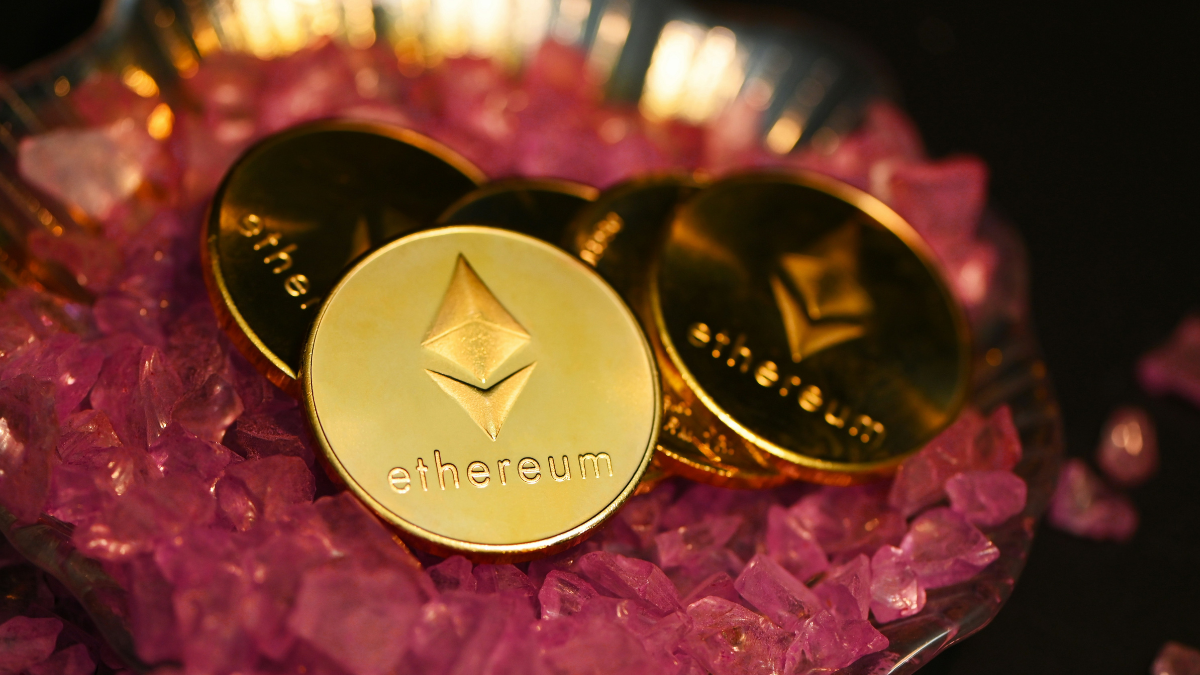
Photo Credit: Unsplash/Traxer
Protocol resumes rsETH operations following multi-protocol recovery effort
Click Here to Add Gadgets360 As A Trusted Source

Advertisement
Kelp DAO, an Ethereum liquid staking protocol, says its restaked Ether token has been restored after a five-week effort, after the protocol suffered a $293 million (roughly Rs. 2,804 crore) exploit led by North Korea's Lazarus Group on April 18. Kelp DAO further announced that the final segment of 20,373.7 Kelp DAO resteked ETH (rsETH) tokens were sent to the LayerZero smart contracts, which were responsible for locking, minting, burning, and releasing rsETH during cross-chain transfers. Several crypto protocols have contributed funds to assist in restoring rsETH's backing under the DeFi United initiative.
DeFi Protocols Unite to Rebuild rsETH Backing After Major Hack
The Kelp DAO hack in April had caused a snowball effect throughout the crypto lending market that disrupted billions of dollars in liquidity and brought out more concerns about the connectivity of DeFi protocols. Aave was among the biggest victims after the Kelp DAO attacker used a large chunk of the stolen 116,500 rsETH as collateral on its lending platform to borrow wrapped Ether, leaving $190 million (roughly Rs. 1,818 crore) in bad debt and triggering a wave of withdrawals. As per the data by DeFiLlama, April witnessed 25 crypto hacks, with a combined total of $630 million (roughly Rs. 6,028 crore) worth of losses, the worst month since February 2025, when crypto exchange Bybit was hacked for a record $1.5 billion (roughly Rs. 14,352 crore).
Over the last two weeks, ~116K rsETH have been refilled into the rsETH OFT adapter by @aave and Kelp.
— Kelp (@KelpDAO) May 25, 2026
Mints, redemptions, and rewards operations have been running normally since the unpause. rsETH has been fully backed since unpause.
As usual, you can track the complete rsETH…
Later in April, DeFi protocols came together in an attempt to restore the backing of rsETH. The Decentralised platform Aave had called this effort “DeFI United”. Crypto protocols involved also include Mantle, EtherFi Foundation, Golem Foundation, Lido DAO, Ethena, LayerZero, Ink Foundation, and Tyrdo. The amount pledged by these DeFi protocols had accumulated 43,500 Ether at the time.
The very next month, DeFi Protocol Kelp DAO announced that it would be migrating its staking token, rsETH, to the Chainlink oracle platform. The protocol had placed the blame for the attack on LayerZero's cross-chain infrastructure. While LayerZero argued that the hack occurred because of an inadequate setup tied to Kelp's decentralised verifier network (DVN), which relied on a single LayerZero DVN as the only verified path, rather than requiring multiple checks of cross-chain transactions. LayerZero had advised against such a setup.
Earlier this month, the first tranche of 25,000 rsETH was transferred, allowing rsETH bridging between the Ethereum mainnet and the blockchain's layer 2 networks to reopen. After this, Kelp reopened withdrawals for rsETH and said on Tuesday that rsETH mints, redemptions, and rewards operations “have been running normally”.
Comments
Get your daily dose of tech news, reviews, and insights, in under 80 characters on Gadgets 360 Turbo. Connect with fellow tech lovers on our Forum. Follow us on X, Facebook, WhatsApp, Threads and Google News for instant updates. Catch all the action on our YouTube channel.
Related Stories



Advertisement
Follow Us




-
![[Sponsored] Samsung Galaxy A57 5G: The Perfect Phone Under Rs. 50,000?](https://www.gadgets360.com/static/desktop/images/spacer.png)
03:11
[Sponsored] Samsung Galaxy A57 5G: The Perfect Phone Under Rs. 50,000? -
03:58
Dreame D20 Ultra Review: The Most Intelligent Robot Vacuum Cleaner Under ₹40,000? -
03:23
iPhone Fold Leaks & Rumors 2026 | Apple's Foldable iPhone Launch, Price & Specs Revealed -
04:12
Samsung Galaxy A37 Review: Camera, Gaming & Battery Tested! -
14:16
[Partner Content] OPPO F33 Pro 5G Explained: Built for the Big Moments
Advertisement
Popular on Gadgets
- Samsung Galaxy S26 Ultra
- Motorola Razr Fold
- ChatGPT
- OPPO Find N6
- Mobiles Under Rs. 40,000
- Vivo X300 Ultra
- Asus Zenbook S14
- iQOO 15
- Vivo X300 Pro
- Lenovo Yoga Slim 7i Aura Edition
- iQOO 15R
- Vivo X Fold 5
- Sony PlayStation 5
- HP OmniPad 12
- OnePlus Nord CE 6 Lite
- OnePlus Pad 4
- OPPO F33 Pro 5G
- Cryptocurrency
- HP OmniBook Ultra 14 (2026)
- iPhone 17
- Eureka Forbes AP 355 Room Air Purifier
- Latest Mobile Phones
- Compare Phones
Latest Gadgets
- Lava Shark 2 5G
- Infinix Hot 70
- Honor 600e
- Honor 600 Super Edition
- Honor 600 Vitality Edition
- OPPO A6c 4G
- OPPO Reno 16
- OPPO Reno 16 Pro
- Microsoft Surface for Business (2026, 15-Inch)
- Microsoft Surface for Business (2026, 13.8-Inch)
- Poco Pad C1
- iQOO Pad 6 Pro
- Realme Watch S5
- Xiaomi Smart Band 10 Pro
- Lumio Vision 9 (2026)
- Lumio Vision 7 (2026)
- Asus ROG Ally
- Nintendo Switch Lite
- IFB 1.5 Ton 3 Star Inverter Split AC (CI193GN22RGM3)
- IFB 2 Ton 3 Star Inverter Split AC (CI223GD32RGM3)

- About Us
- Sitemaps
- Feedback
- Archives
- Contact Us
- RSS
- Advertise
- Career
- Privacy Policy
- Ethics
- Editorial Policy
- Terms & Conditions
- Complaint Redressal
Download Our Apps
Available in Hindi
© Copyright Red Pixels Ventures Limited 2026. All rights reserved.