-
 Japan Digital Agency Reports Potential Leak of 246,000 Records After Cyberattack11 September 2026
 -
Bitcoin Holds Below $79,000 as Rate Concerns Weigh on Recovery8 September 2026
-
Bitcoin Climbs Above $80,500 as Fed Rate Hike Bets Ease4 September 2026
-
Australia Sets September 30 Deadline for Crypto Firm Licensing3 September 2026
-
Remixpoint Dumps Altcoins as It Shifts Crypto Strategy Towards Bitcoin2 September 2026
- Home
- Cryptocurrency
- Cryptocurrency News
- US Regulator Urges FDIC for Better Coordination on Crypto, Blockchain Risks
US Regulator Urges FDIC for Better Coordination on Crypto, Blockchain Risks
The US Government Accountability Office (GAO) says regulators need stronger mechanisms to address blockchain threats.
Written by Rahul Dhingra, Edited by David Delima | Updated: 16 June 2026 19:06 IST
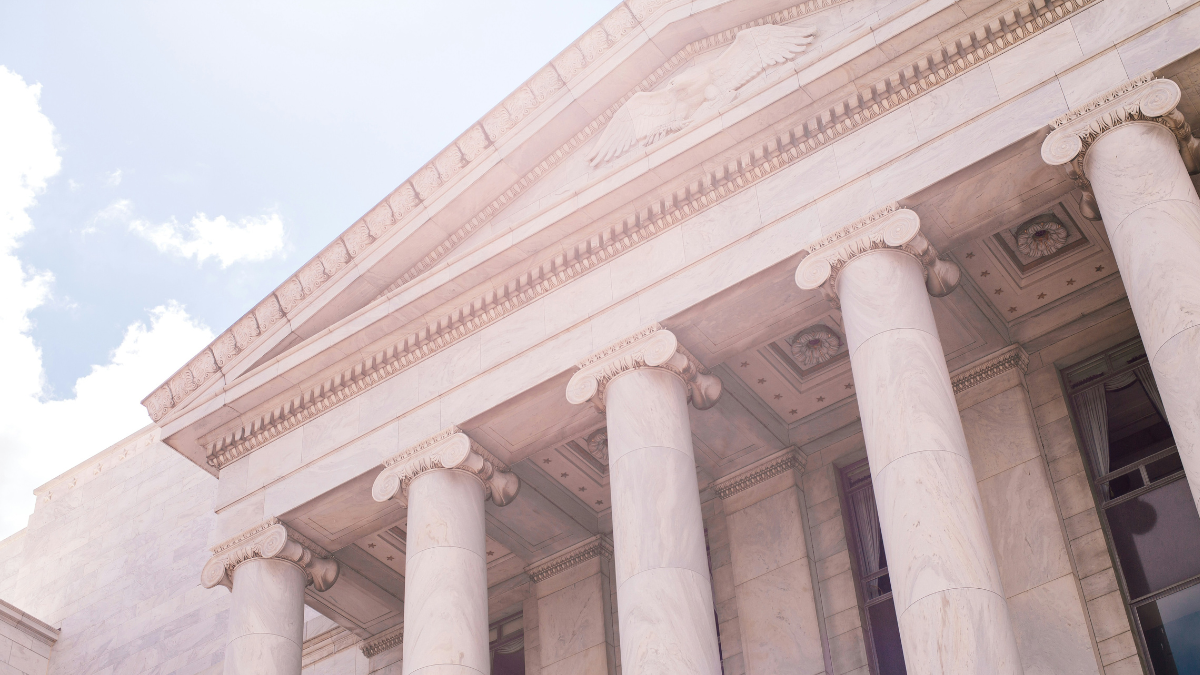
Photo Credit: Unsplash/ Katie Moum
Regulators believe that there has been a failure in monitoring blockchain-based financial instruments
Click Here to Add Gadgets360 As A Trusted Source

Advertisement
The US Government Accountability Office (GAO) has appealed to the Federal Deposit Insurance Corporation (FDIC) to make efforts to cooperate with other agencies regarding risks of blockchain technology. The GAO released a letter dated June 8 to FDIC Chairman Travis Hill, stating that it had, for the first time, identified priority recommendations regarding the regulator in May last year, among them being blockchain technology threats. The letter stated that the organisation had categorised blockchain technology as an area of risk and is part of their “High Risk List”.
GAO Highlights Need for Joint Regulatory Response to Emerging Risks
The reason for this classification is that regulators believe that there has been a failure in monitoring blockchain-based financial instruments. In accordance with the provisions of the recently enacted GENIUS Act, the FDIC is the principal agency responsible for regulating stablecoins issued by subsidiaries of financial institutions supervised by the FDIC. The Senate members have proposed a bill that will define the federal regulation of the crypto market.
Priority Open Recommendations: Federal Deposit Insurance Corporation https://t.co/IRaUHHke52
— U.S. GAO (@USGAO) June 15, 2026
In its letter to Hill, the GAO added that in 2023, the financial regulators did not have an ongoing coordination mechanism” to address blockchain risks and that, meanwhile, blockchain-based financial products and services have expanded significantly.
The letter also read that “Establishing such a mechanism, as we recommended, would help FDIC and other regulators collectively identify risks and develop and implement a regulatory response on time.” The GAO also urged that the FDIC rotate case managers assigned to banks to strengthen supervision of the sector.
According to this body, there was no requirement for supervisors to rotate to other banks in 2024, something that could affect their independence and impact supervisory results, but supervisor rotation could minimise threats to independence. The GAO noted that the failures of crypto and technology-related industry-associated banks in 2023 “raised questions” regarding whether bank supervisors took sufficient actions to ensure banks promptly addressed supervisory concerns.
In April, the FDIC in the US proposed a new regulation where they want to enact a new set of rules that will control stablecoin issuing to investors, and is in line with the GENIUS Act. In simple terms, every stablecoin must be backed 1:1 with real assets. If there are $1 billion (roughly Rs. 9,452 crore) worth of stablecoins in circulation, the issuer must hold $1 billion in actual reserves without any exceptions. This law will also set reserve, redemption, capital, risk management, and custody standards for stablecoin issuers and insured depository institutions under its supervision.
Comments
Get your daily dose of tech news, reviews, and insights, in under 80 characters on Gadgets 360 Turbo. Connect with fellow tech lovers on our Forum. Follow us on X, Facebook, WhatsApp, Threads and Google News for instant updates. Catch all the action on our YouTube channel.
Related Stories




Advertisement
Follow Us




-

05:20
Samsung Galaxy Watch Ultra 2 Review: Is This the Best Android Smartwatch? -
07:01
Samsung Galaxy Z Fold 8 Review: Is This the Best Foldable Phone? -
06:39
Samsung Galaxy Z Fold8 Ultra Review: Cameras, Battery, Performance Tested -
04:33
[Sponsored] JBL Live 780NC: Great Sound, Perfect Comfort, Smart ANC & 80-Hour Battery -
12:04
[Partner Content] OPPO Reno16 Series Deep Dive: Built for Creators?
-
Ganesh Chaturthi Stickers: ऐसे डाउनलोड करें और भेजे गणपति बप्पा के स्टिकर
-
iQOO 16 में होगा दुनिया का पहला 2K 165Hz डिस्प्ले
-
Xiaomi का ये छोटा सा सॉकेट पुराने पंखे-लैंप को बना देगा सुपर स्मार्ट
-
150 इंच स्क्रीन पर 4K सिनेमा और बिल्ट-इन 2.1 चैनल स्पीकर सिस्टम! लॉन्च हुआ OBE R3 Ultra Max Projector
-
Vivo ला रही नया मिडरेंज फोन, 44W फास्ट चार्जिंग के साथ!
Advertisement
Popular on Gadgets
- Samsung Galaxy S26 Ultra
- Motorola Razr Fold
- ChatGPT
- OPPO Find N6
- Mobiles Under Rs. 40,000
- Vivo X300 Ultra
- Asus Zenbook S14
- iQOO 15
- Vivo X300 Pro
- Lenovo Yoga Slim 7i Aura Edition
- iQOO 15R
- Vivo X Fold 5
- Sony PlayStation 5
- HP OmniPad 12
- OnePlus Nord CE 6 Lite
- OnePlus Pad 4
- OPPO F33 Pro 5G
- Cryptocurrency
- HP OmniBook Ultra 14 (2026)
- iPhone 17
- Eureka Forbes AP 355 Room Air Purifier
- Latest Mobile Phones
- Compare Phones
Latest Gadgets
- iPhone Duo
- OPPO A7 Pro
- Huawei Mate XT 2 Ultimate Design
- Realme 16 Pro Harry Potter Edition
- Samsung Galaxy A07s
- Huawei Pura X View
- Tecno Camon Slim 5G
- iQOO Z11xa
- Acer Aspire G 3D 16
- Acer Swift Air 16 (2026)
- Xiaomi Pad 9 Pro
- Xiaomi Pad 9
- Apple Watch Ultra 4
- Apple Watch Series 12
- Haier M70 Mini LED 65-inch
- Xiaomi TV FX Mini LED 65
- Acer Predator Atlas 8
- Asus ROG Ally
- Blue Star 1.5 Ton 5 Star Inverter Split AC (IE518ZNURS)
- Blue Star 2 Ton 3 Star Inverter Window AC (WIE324L)

- About Us
- Sitemaps
- Feedback
- Archives
- Contact Us
- RSS
- Advertise
- Career
- Privacy Policy
- Ethics
- Editorial Policy
- Terms & Conditions
- Complaint Redressal
Download Our Apps
Available in Hindi
© Copyright Red Pixels Ventures Limited 2026. All rights reserved.