- Home
- Glance
Did You Know the First Emojis Were Created in 1999 by a Japanese Artist
The first emojis were created by Japanese artist Shigetaka Kurita.
Written by Gadgets 360 Staff | Updated: 8 December 2023 20:00 IST
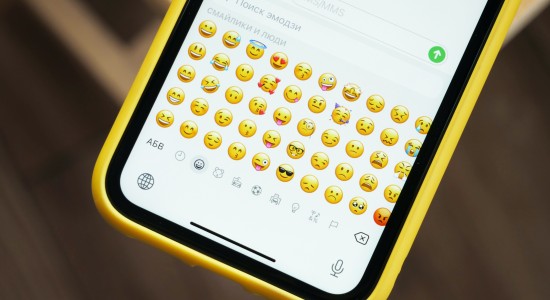
Photo Credit: Unsplash/ Denis Cherkashin
Click Here to Add Gadgets360 As A Trusted Source


Advertisement
Communication across a distance has undergone a fascinating transformation. From telephones to smartphones, we have come a long way. Propelled mainly by the ingenious invention of emojis, texting has become fun and more expressive. These tiny icons, conveying emotions and expressions, have become integral to our everyday conversations. Surprisingly, the roots of these beloved symbols trace back to 1999, crafted by the imaginative mind of Japanese artist Shigetaka Kurita.
In an era when text messaging was gaining momentum, Kurita envisioned a visual language that could transcend linguistic barriers. Working on a project for NTT DoCoMo, a Japanese mobile carrier, he aimed to devise a means to communicate succinctly in the limited space of early mobile screens. The challenge was formidable: conveying emotions and messages effectively in a mere 12x12 pixel grid.
Drawing inspiration from various sources like weather forecasts and Chinese characters, Kurita ingeniously designed the first set of 176 emojis, encompassing a range of emotions, objects, and symbols. These tiny creations, representing everything from joyful faces to weather conditions, revolutionised how people communicated through texts.
Initially, emojis were confined to Japan's mobile technology. However, as the concept gained traction and their universal appeal became evident, emojis transcended geographical boundaries. Soon, they found their way into various digital platforms and messaging apps worldwide, captivating users with their ability to infuse conversations with emotions and nuances.
Today, emojis have evolved into a global language, transcending linguistic disparities and enriching digital communication. They've become a means of expressing emotions and a significant cultural phenomenon, influencing art, marketing, and even academic studies.
The impact of Kurita's creation cannot be overstated. His vision for a concise yet expressive communication tool has left an indelible mark on the digital landscape, shaping how we interact and connect in the modern age. The humble beginnings of these small pictorial icons in 1999 paved the way for a vibrant and universally understood language of emotions in the digital realm.
Comments
Get your daily dose of tech news, reviews, and insights, in under 80 characters on Gadgets 360 Turbo. Connect with fellow tech lovers on our Forum. Follow us on X, Facebook, WhatsApp, Threads and Google News for instant updates. Catch all the action on our YouTube channel.


Advertisement
Follow Us




-
05:05
Goboult Mustang Racer Smartwatch Review: Should You Get This Mustang Smartwatch? -
04:58
OnePlus Nord Buds 4 Pro Review: Specs, Sound Quality, ANC, and Battery Backup Tested -
02:29
[Sponsored] Samsung Galaxy S26 Ultra First Look: AI Smartphone for Creators, Gaming & Productivity -
04:25
Vivo X200T Review - Full Camera, Gaming & Battery Test | Worth Buying? -
28:31
The Future of Productivity: Logitech's Anatoliy Polyanker On AI, Hybrid Work, And India's Tech Boom
Advertisement
Popular on Gadgets
- Samsung Galaxy Unpacked 2026
- iPhone 17 Pro Max
- ChatGPT
- iOS 26
- Laptop Under 50000
- Smartwatch Under 10000
- Apple Vision Pro
- Oneplus 12
- OnePlus Nord CE 3 Lite 5G
- iPhone 13
- Xiaomi 14 Pro
- Oppo Find N3
- Tecno Spark Go (2023)
- Realme V30
- Best Phones Under 25000
- Samsung Galaxy S24 Series
- Cryptocurrency
- iQoo 12
- Samsung Galaxy S24 Ultra
- Giottus
- Samsung Galaxy Z Flip 5
- Apple 'Scary Fast'
- Housefull 5
- GoPro Hero 12 Black Review
- Invincible Season 2
- JioGlass
- HD Ready TV
- Latest Mobile Phones
- Compare Phones
Latest Gadgets
- Honor Play 80
- Nord 6
- Honor X80i
- Honor Play 80 Pro
- Redmi Note 15 SE 5G
- Redmi A7 Pro
- OPPO K15 Pro
- OPPO K15 Pro+
- Xiaomi Book Pro 14
- MacBook Neo
- Vivo Pad 6 Pro
- Lenovo Legion Y700 Gen 5
- boAt Valour Watch 1R
- Xiaomi Watch S5
- Xiaomi QLED TV X Pro 75
- Haier H5E Series
- Asus ROG Ally
- Nintendo Switch Lite
- Haier 1.6 Ton 5 Star Inverter Split AC (HSU19G-MZAID5BN-INV)
- Haier 1.6 Ton 5 Star Inverter Split AC (HSU19G-MZAIM5BN-INV)

- About Us
- Sitemaps
- Feedback
- Archives
- Contact Us
- RSS
- Advertise
- Career
- Privacy Policy
- Ethics
- Editorial Policy
- Terms & Conditions
- Complaint Redressal
Download Our Apps
Available in Hindi
© Copyright Red Pixels Ventures Limited 2026. All rights reserved.