-
 WhatsApp Could Bring New Theme Categories and Wallpapers to Android18 September 2026
 -
Samsung Expands One UI 9 Rollout to Galaxy S25, S24, S23 Series and More Devices17 September 2026
-
Vivo X300 Pro, iQOO 15 Get Android 17-Based OriginOS 7 Preview Programme in India Ahead of Global Launch16 September 2026
-
Google’s Motion Assist Expands to More Android Phones: How to Enable the Motion Sickness Feature15 September 2026
-
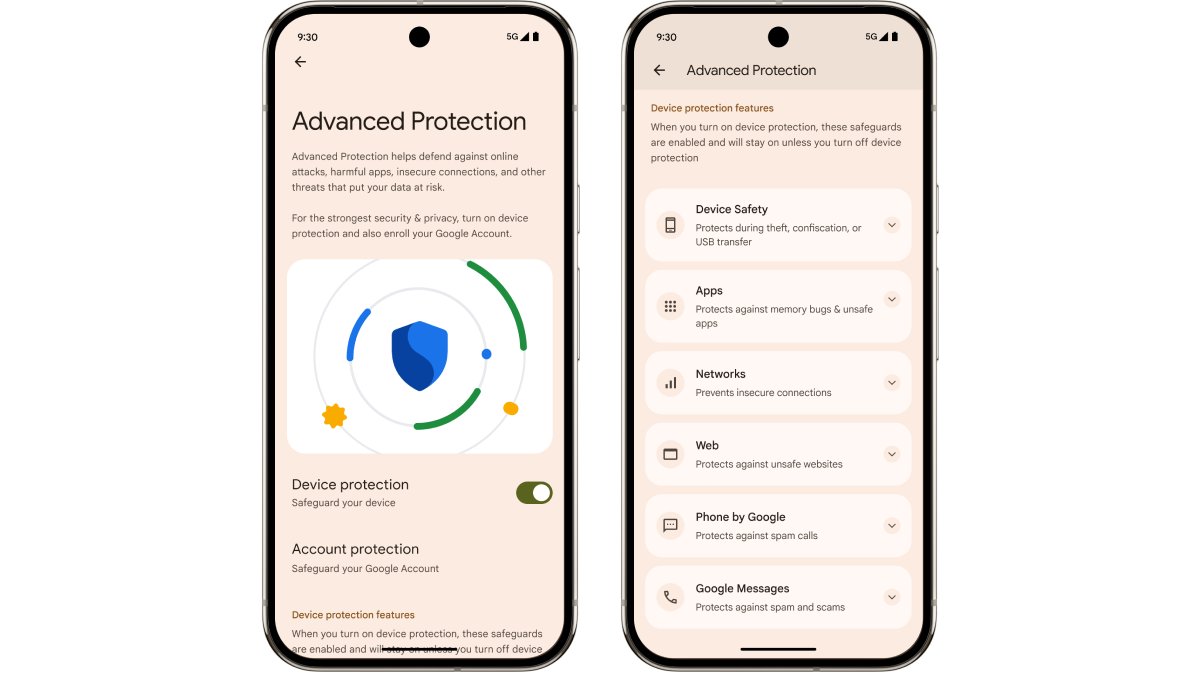
Google May Soon Give Android Users More Control Over Advanced Protection Features; Suggests APK Teardown14 September 2026
- Home
- Mobiles
- Mobiles Reviews
- Lenovo Vibe P1 and Vibe P1m First Impressions
Lenovo Vibe P1 and Vibe P1m First Impressions
By Kunal Dua | Updated: 3 November 2015 12:09 IST
Click Here to Add Gadgets360 As A Trusted Source

Advertisement
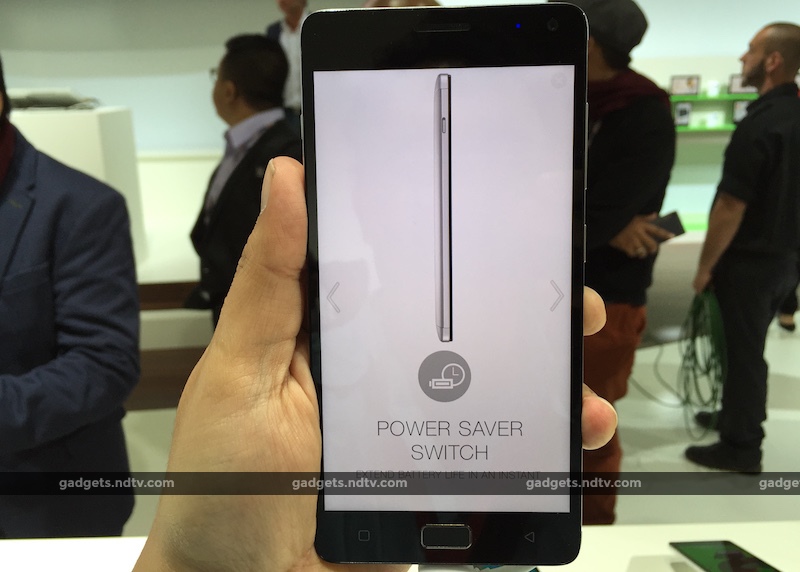
The Lenovo Vibe P1 and Vibe P1m, are two smartphones that know where their priorities lie - battery life. The P1 and the P1m are backed by incredible 4900mAh and 3900mAh batteries respectively. If that wasn't enough, the two smartphones have a dedicated switch on the left, which puts the smartphones into a power saving mode. Putting this button on phones that already have a large battery seems like a bit of a waste to us, but then we aren't running a corporation that just bought Motorola, so what do we know.
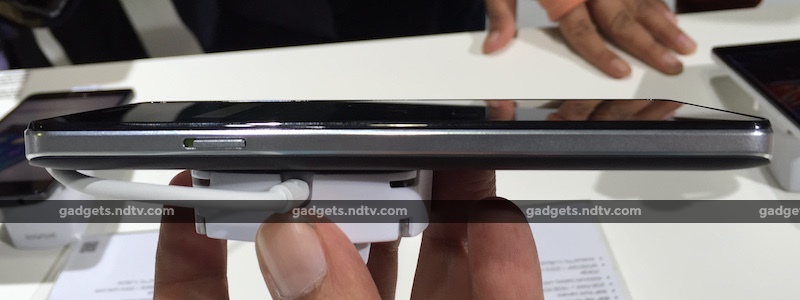
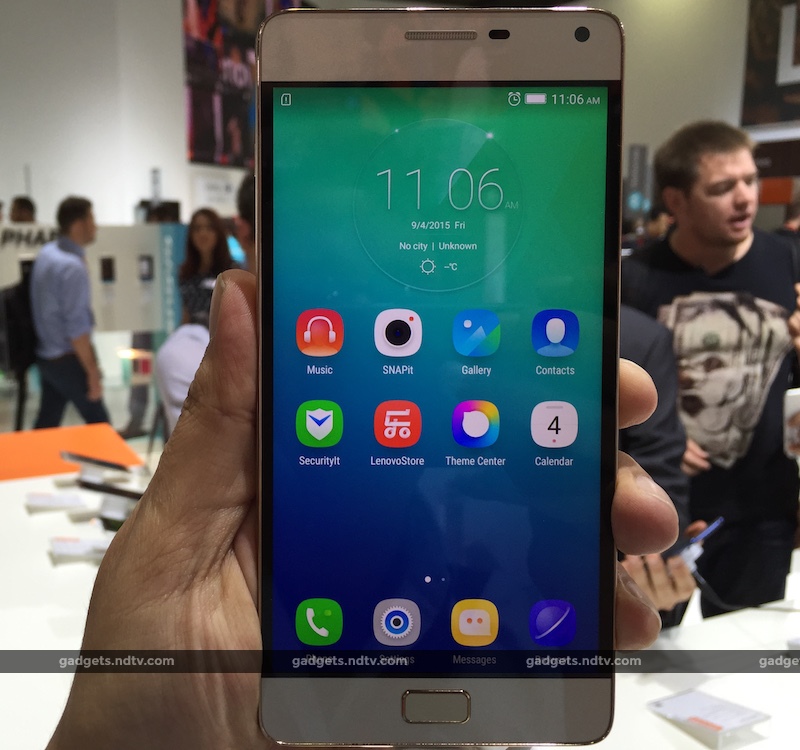
Back to what you came here to read - how the two smartphones perform. This power saving mode isn't too dissimilar to what you've seen on other smartphones - it basically takes away your standard launcher and leaves you with a handful of apps you can use while in this mode - the Phone (dialler), Contacts, SMS, and Clock are the usual suspects. Lenovo's implementation leaves mobile data on - we couldn't verify if it disables 3G/ 4G in a bid to save power - and also a chat app. The unit we saw had QQ available, and we were told the international variant will let you pick WhatsApp instead.
(Also see: Lenovo Vibe S1, Vibe P1, and Vibe P1m Smartphones Launched at IFA 2015)
Lenovo's power saving mode launcher has room for six apps on the 'home screen' and you have some amount of control over which apps should be shown. Lenovo lets you pick from a pre-approved list of apps that you can use in this low power state. The unit we saw had only two options available other than the five apps we mentioned above. What apps need to do to make the power saving mode cut isn't available, though it's clear your browser will never be on that list.
In terms of the rest of the specifications, the Lenovo Vibe P1 is a dual-SIM (dual LTE) smartphone that comes with a 5.5-inch full-HD display with Corning Gorilla Glass 3 protection. It is powered by a Snapdragon 615 octa-core processor alongside 2GB of RAM and 16GB of expandable storage. the Lenovo Vibe P1 has a 13-megapixel rear and 5-megapixel front shooter. The P1m is more modest, with a 5-inch 720p display, 2GB RAM, and 8-megapixel rear camera.
(Also see: Lenovo Vibe P1 and Vibe P1m full specifications)
- REVIEW
- KEY SPECS
- NEWS
- Variants
- Good
- Great battery life
- Good performance and features
- Improved software
- Decent display
- Bad
- Heavy and aesthetically average
- Camera has some problems
- Fingerprint sensor is limited in function
Read detailed Lenovo Vibe P1 review
Display 5.50-inch
Processor Qualcomm Snapdragon 615
Front Camera 5-megapixel
Rear Camera 13-megapixel
RAM 2GB
Storage 32GB
Battery Capacity 4900mAh
OS Android 5.1.1
Resolution 1080x1920 pixels
- KEY SPECS
- NEWS
Display 5.00-inch
Processor MediaTek MT6735
Front Camera 5-megapixel
Rear Camera 8-megapixel
RAM 2GB
Storage 16GB
Battery Capacity 3900mAh
OS Android 5.0
Resolution 720x1280 pixels
Comments
Get your daily dose of tech news, reviews, and insights, in under 80 characters on Gadgets 360 Turbo. Connect with fellow tech lovers on our Forum. Follow us on X, Facebook, WhatsApp, Threads and Google News for instant updates. Catch all the action on our YouTube channel.
Further reading:
Android, IFA, IFA 2015, Lenovo, Lenovo Vibe P1, Lenovo Vibe P1 specifications, Lenovo Vibe P1m, Lenovo Vibe P1m specifications, Mobiles, Vibe P1, Vibe P1 specifications, Vibe P1m, Vibe P1m specifications
Related Stories




Advertisement
Follow Us




-
![[Sponsored] Samsung Galaxy Z Fold8: How It Fits Into an Actor’s Busy Day | Camera, Multitasking & More](https://www.gadgets360.com/static/desktop/images/spacer.png)
03:41
[Sponsored] Samsung Galaxy Z Fold8: How It Fits Into an Actor’s Busy Day | Camera, Multitasking & More -
09:53
iPhone 18 Goes On Sale In India: Huge Crowds, Long Queues At Apple Stores -
06:32
Google Pixel 11 Pro XL Review: The Most Exciting Pixel Yet? | 120X Zoom + Tensor G6 -
05:20
Samsung Galaxy Watch Ultra 2 Review: Is This the Best Android Smartwatch? -
07:01
Samsung Galaxy Z Fold 8 Review: Is This the Best Foldable Phone?
-
Harry Potter फैंस के लिए भारत में लॉन्च हुआ Realme 16 Pro स्पेशल एडिशन
-
Amazon Great Indian Festival 2026: इस दिन शुरू होगी अमेजन सेल
-
Jio के इन प्लान में फ्री मिल रहा है Amazon Prime Lite सब्सक्रिप्शन
-
Honor 600 Elite 5G लॉन्च हुआ 8GB रैम, 108MP कैमरा, 8100mAh बैटरी के साथ, IP68, IP69K रेटिंग
-
Motorola का 50MP कैमरा, 5500mAh बैटरी वाले फोन पर मिल रहा डिस्काउंट, जानें ऑफर
Advertisement
Popular on Gadgets
- Samsung Galaxy S26 Ultra
- Motorola Razr Fold
- ChatGPT
- OPPO Find N6
- Mobiles Under Rs. 40,000
- Vivo X300 Ultra
- Asus Zenbook S14
- iQOO 15
- Vivo X300 Pro
- Lenovo Yoga Slim 7i Aura Edition
- iQOO 15R
- Vivo X Fold 5
- Sony PlayStation 5
- HP OmniPad 12
- OnePlus Nord CE 6 Lite
- OnePlus Pad 4
- OPPO F33 Pro 5G
- Cryptocurrency
- HP OmniBook Ultra 14 (2026)
- iPhone 17
- Eureka Forbes AP 355 Room Air Purifier
- Latest Mobile Phones
- Compare Phones
Latest Gadgets
- Ai+ Nova 2 Power 5G
- Lava Virat Curve 5G
- Lava Bold N4 Pro 5G
- Samsung Galaxy A08
- Itel Muzik 450L
- OPPO K14 Lite
- Samsung Galaxy A18 4G
- iPhone Duo
- Lenovo LOQ 15AHP11
- Lenovo Legion 5a (2026)
- Xiaomi Pad 9 Pro
- Xiaomi Pad 9
- Apple Watch Ultra 4
- Apple Watch Series 12
- Haier M70 Mini LED 65-inch
- Xiaomi TV FX Mini LED 65
- Acer Predator Atlas 8
- Asus ROG Ally
- Blue Star 1.5 Ton 5 Star Inverter Split AC (IE518ZNURS)
- Blue Star 2 Ton 3 Star Inverter Window AC (WIE324L)

- About Us
- Sitemaps
- Feedback
- Archives
- Contact Us
- RSS
- Advertise
- Career
- Privacy Policy
- Ethics
- Editorial Policy
- Terms & Conditions
- Complaint Redressal
Download Our Apps
Available in Hindi
© Copyright Red Pixels Ventures Limited 2026. All rights reserved.