-
 Amazon Great Indian Festival 2026: Best Deals on Samsung Smartphones, Tablets, Smart TVs, More15 October 2026
 -
Amazon Great Indian Festival 2026: Best Deals on LG Products Like Washing Machines, Smart TVs and More15 October 2026
-
Amazon Great Indian Festival 2026: Best Deals on OnePlus Products14 October 2026
-
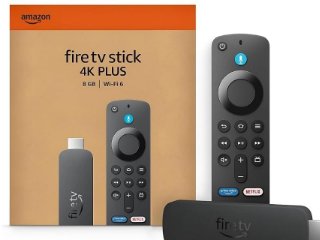
Amazon Great Indian Festival Sale 2026: Best Deals on Fire TV Stick and Streaming Devices14 October 2026
-
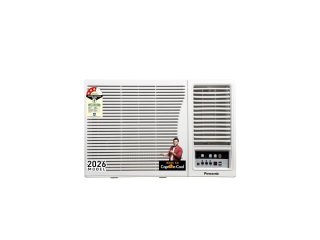
Amazon Great Indian Festival 2026: Best Window AC Deals14 October 2026
- Home
- Science
- Science News
- Bezos' Firm Rocket Passes Landing and Parachute Failure Tests
Bezos' Firm Rocket Passes Landing and Parachute-Failure Tests
By Spencer Soper, Yalman Onaran, Bloomberg | Updated: 20 June 2016 09:57 IST
Click Here to Add Gadgets360 As A Trusted Source

Advertisement
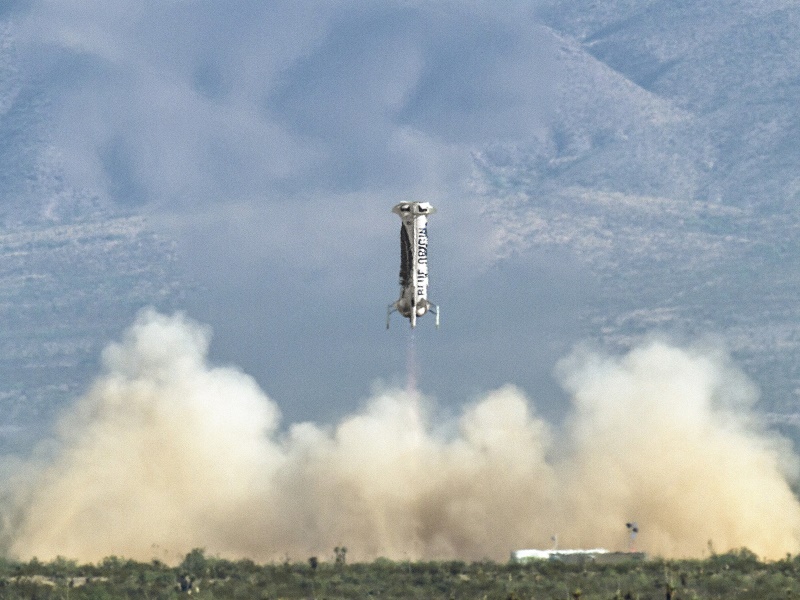
Billionaire Jeff Bezos's space-exploration company launched and landed an unmanned rocket Sunday while testing a parachute failure, a key step in checking the safety of its New Shepard vehicle before sending it to space with astronauts aboard.
The mission was the fourth time the same Blue Origin LLC rocket flew to suborbital space and returned to Earth intact. It was the first incorporating a planned failure of landing equipment for its capsule, to test redundancies meant to protect the vehicle and passengers.
The capsule, which would carry astronauts on a manned mission, landed successfully in West Texas on Sunday at 9:46am local time, after two instead of a typical three parachutes deployed. The capsule and the rocket split after takeoff and landed separately.
- Amazon Prime Day 2026 sale date announced. What are you going to purchase?
- Amazon Smartchoice Days Sale: Big Savings on Laptops and Tablets from Samsung, HP, and More
- Amazon's New Visual Search Features Could Be Dangerous for My Wallet
- Amazon Music Is Getting Ads. Was This Always Inevitable?
- Amazon Prime Video is adding vertical videos now?
The rocket itself uses wings and refires its engine to slow its descent. It landed successfully before the capsule, at 9:43, about 7 minutes after takeoff. It was the first Blue Origin launch broadcast live, on the internet. New Shepard made its first test flight in April of last year.
Bezos, who founded Amazon.com Inc. and owner of The Washington Post, and billionaire Elon Musk want to reduce the cost of space exploration by building rockets that are reusable like airplanes. Blue Origin and Musk's Space Exploration Technologies Corp. have conducted frequent tests in the last couple of years.
SpaceX rockets can be used to deliver people, supplies and equipment to space. The smaller Blue Origin rockets would be used to bring tourists to the edge of space for a few minutes of weightlessness. The company aims to send crews into space next year and expects to sell seats to tourists in 2018 for between $250,000 and $350,000.
© 2016 Bloomberg L.P.
Comments
Get your daily dose of tech news, reviews, and insights, in under 80 characters on Gadgets 360 Turbo. Connect with fellow tech lovers on our Forum. Follow us on X, Facebook, WhatsApp, Threads and Google News for instant updates. Catch all the action on our YouTube channel.
Related Stories


Advertisement
Follow Us




-
![[Sponsored] LG NANO 4K UHD AI TV NU885: Gemini Search, Dolby Atmos & 5 Years of Updates](https://www.gadgets360.com/static/desktop/images/spacer.png)
04:17
[Sponsored] LG NANO 4K UHD AI TV NU885: Gemini Search, Dolby Atmos & 5 Years of Updates -
00:57
[Sponsored] Samsung Galaxy Z Fold8 My Fan Cam in Action: Find the Moment, Then Share It -
01:41
[Sponsored] What Do You Need To Know Before Your Next Run? | Samsung Galaxy Watch Ultra2 -
01:32
[Sponsored] Big Day Tomorrow? Prep Today | Samsung Galaxy Watch Ultra2 -
04:37
[Sponsored]: CP PLUS CarKam CP-F89B: 4K Dashcam With Rear Camera, GPS & Emergency Recording
-
Amazon Sale: 7200mAh बैटरी वाले iQOO Z11xa 5G पर ₹4 हजार का डिस्काउंट
-
EVs Under 10L: दिवाली पर ₹4.69 लाख से शुरू होने वाली ये 4 EV देखें
-
Samsung TV खरीदने पर ₹1.59 लाख का TV फ्री, कुछ मॉडल्स पर मुफ्त Soundbar
-
Flipkart Big Billion Days Sale: 50 इंच स्मार्ट टीवी मिल रहे सस्ते, कीमत 21 हजार से शुरू
-
₹13 हजार सस्ती कीमत में मिल रहा iPhone 17 Pro, जानें पूरा ऑफर
Advertisement
Popular on Gadgets
- Samsung Galaxy S26 Ultra
- Motorola Razr Fold
- ChatGPT
- OPPO Find N6
- Mobiles Under Rs. 40,000
- Vivo X300 Ultra
- Asus Zenbook S14
- iQOO 15
- Vivo X300 Pro
- Lenovo Yoga Slim 7i Aura Edition
- iQOO 15R
- Vivo X Fold 5
- Sony PlayStation 5
- HP OmniPad 12
- OnePlus Nord CE 6 Lite
- OnePlus Pad 4
- OPPO F33 Pro 5G
- Cryptocurrency
- HP OmniBook Ultra 14 (2026)
- iPhone 17
- Eureka Forbes AP 355 Room Air Purifier
- Latest Mobile Phones
- Compare Phones
Latest Gadgets
- Vivo Y600s Pro
- Vivo Y32 (2026)
- Infinix Smart 20 HD
- Vivo V80
- Vivo S2 FE
- Vivo Y600K Turbo
- Realme P4s Lite
- Vivo S60t
- HP ZBook Ultra G3a
- Dell Pro Rugged 14
- Amazon Alexa Tablet 8
- Amazon Alexa Tablet 11
- Amazfit T-Rex Dual Solar
- OPPO Watch S2
- Toshiba 65-Inch 4K Ultra HD Smart Mini LED QLED TV (65Z670SP)
- Haier M70 Mini LED 65-inch
- Acer Predator Atlas 8
- Asus ROG Ally
- Blue Star 1.5 Ton 5 Star Inverter Split AC (IE518ZNURS)
- Blue Star 2 Ton 3 Star Inverter Window AC (WIE324L)

- About Us
- Sitemaps
- Feedback
- Archives
- Contact Us
- RSS
- Advertise
- Career
- Privacy Policy
- Ethics
- Editorial Policy
- Terms & Conditions
- Complaint Redressal
Download Our Apps
Available in Hindi
© Copyright Red Pixels Ventures Limited 2026. All rights reserved.