-
 Crypto Airdrops Spur Use of Web3 Wallets as Blockchain Gaming, DeFi Growth Slows: Report5 July 2024
 -
Celsius Defends Bitcoin Mining Plans, Hopes to Repair Relationship With Customers as Bankruptcy Kicks Off19 July 2022
-
Celsius Files for Bankruptcy a Month After Freezing Withdrawals, Amid Ongoing Industry Turmoil14 July 2022
-
Crypto Lending Firm Celsius Lays Off 25 Percent Staff Amid Tumbling Market Situation: Reports4 July 2022
-
Sky Mavis COO Promises to Reimburse Players After Hackers Steal $625 Million31 March 2022
- Home
- Cryptocurrency
- Cryptocurrency News
- Ethereum Network to Undergo Major Speed Upgrade Test on October 6
Ethereum Network to Undergo Major Speed Upgrade Test on October 6
The Glamsterdam upgrade will test changes designed to increase Ethereum’s Layer-1 capacity and improve transaction processing.
Written by Rahul Dhingra, Edited by Rohan Pal | Updated: 29 September 2026 20:04 IST
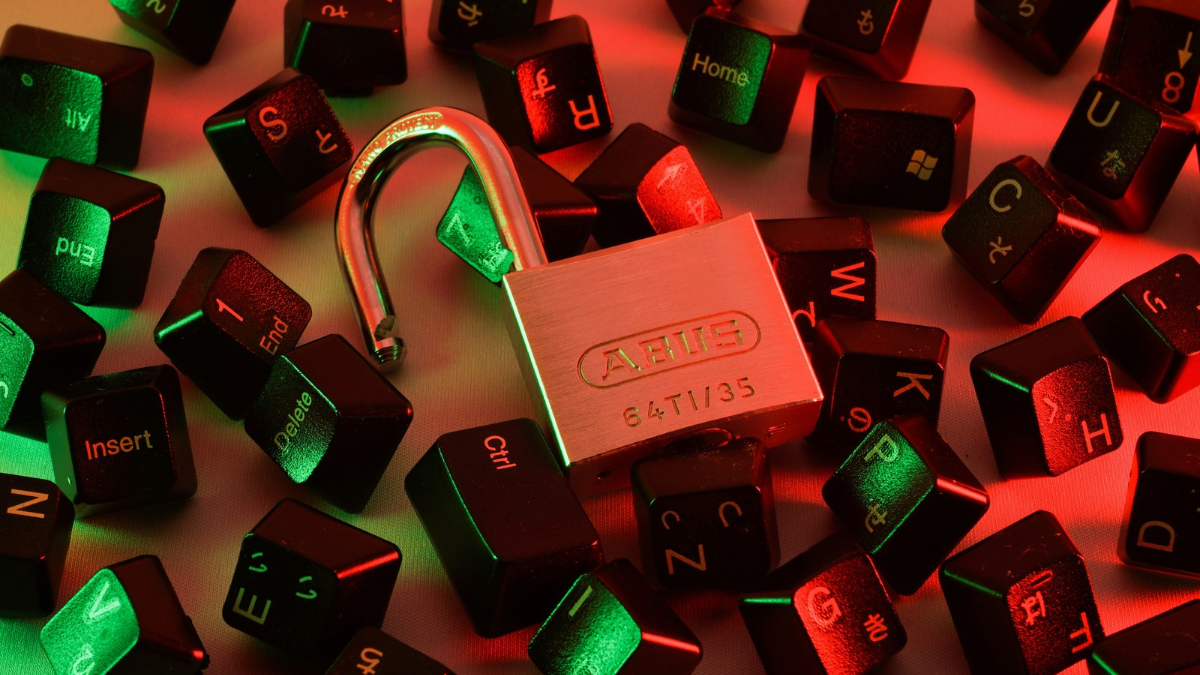
Photo Credit: Unsplash/FlyD
Glamsterdam combines Amsterdam and Gloas changes across Ethereum’s two protocol layers
Click Here to Add Gadgets360 As A Trusted Source

Advertisement
The Ethereum network plans to launch its Glamsterdam update on the Sepolia testnet on October 6 at 13:53:36 UTC, bringing its upcoming scaling solution closer to being tested on a live network. The Ethereum Foundation confirmed that the activation of Glamsterdam will take place during epoch 353,024 and slot 11,296,768. The launch dates of Hoodi and mainnet are yet to be decided. Therefore, the October 6 update applies to Sepolia only. This particular upgrade comprises updates known as Amsterdam on Ethereum's execution layer and Gloas on the consensus layer.
EIP-7732 Will Bring Block Builder Payments Into Ethereum's Protocol
As per the announcement, its largest changes include alterations to block building, block validation, and state handling by clients while processing transactions. Operators of nodes in Sepolia must have the appropriate version of both their execution and consensus clients before activation. ETH users and Ethereum mainnet users don't have anything to do about the Sepolia upgrade for the following reason. Glamsterdam adds enshrined proposer-builder separation, or ePBS for short, via EIP-7732. This update brings the relationship between block proposers and block builders to the Ethereum protocol level.
:rotating_light:𝗟𝗔𝗧𝗘𝗦𝗧: Ethereum's Glamsterdam upgrade is set to go live on the Sepolia testnet on October 6, marking the next major testing step before a broader rollout. pic.twitter.com/AfeaExTP3b
— DustyBC Crypto (@DustyBC) September 29, 2026
In today's day and age, most block builders will build the execution payload and communicate with the validators via external means. In ePBS, the proposer will include the commitment by the block builder for the execution payload. The transaction is then processed by the Ethereum protocol to handle the payment made by the builder to the proposer. According to the Ethereum Foundation, the architecture helps eliminate the need for trustware middleware for block builder payments, while separating consensus validation from execution validation.
Another important element is going to be added to Glamsterdam through EIP-7928, which creates block-level access lists. The lists will keep track of the accounts and storage keys used within a block, as well as the state transitions caused by transactions. This would allow Ethereum clients to read state off the disk and put some of the work into the validation process of transactions, while optimising the state root computation. As per the official roadmap, Glamsterdam is an update aimed at preparing Ethereum for higher Layer-1 capacity.
The next public testnet phase will be Hoodi if the Sepolia phase works as planned. The development meeting notes mention October 27 as a tentative Hoodi launch. Although discussions about whether or not Hoodi should be launched are slated for after the Sepolia phase, the Foundation has not scheduled Hoodi yet. Post-Glamsterdam, Ethereum's timeline points to Hegotá in 2027. The upcoming fork would involve a further series of updates within the blockchain protocol, while developers focus on making preparations for long-term plans related to native account abstraction, improved cryptography, and quantum resistance.
Comments
Get your daily dose of tech news, reviews, and insights, in under 80 characters on Gadgets 360 Turbo. Connect with fellow tech lovers on our Forum. Follow us on X, Facebook, WhatsApp, Threads and Google News for instant updates. Catch all the action on our YouTube channel.
Related Stories




Advertisement
Follow Us




-
![[Sponsored] Samsung Galaxy Z Fold8, Fold8 Ultra](https://www.gadgets360.com/static/desktop/images/spacer.png)
00:21
[Sponsored] Samsung Galaxy Z Fold8, Fold8 Ultra -
03:41
[Sponsored] Samsung Galaxy Z Fold8: How It Fits Into an Actor’s Busy Day | Camera, Multitasking & More -
09:53
iPhone 18 Goes On Sale In India: Huge Crowds, Long Queues At Apple Stores -
06:32
Google Pixel 11 Pro XL Review: The Most Exciting Pixel Yet? | 120X Zoom + Tensor G6 -
05:20
Samsung Galaxy Watch Ultra 2 Review: Is This the Best Android Smartwatch?
Advertisement
Popular on Gadgets
- Samsung Galaxy S26 Ultra
- Motorola Razr Fold
- ChatGPT
- OPPO Find N6
- Mobiles Under Rs. 40,000
- Vivo X300 Ultra
- Asus Zenbook S14
- iQOO 15
- Vivo X300 Pro
- Lenovo Yoga Slim 7i Aura Edition
- iQOO 15R
- Vivo X Fold 5
- Sony PlayStation 5
- HP OmniPad 12
- OnePlus Nord CE 6 Lite
- OnePlus Pad 4
- OPPO F33 Pro 5G
- Cryptocurrency
- HP OmniBook Ultra 14 (2026)
- iPhone 17
- Eureka Forbes AP 355 Room Air Purifier
- Latest Mobile Phones
- Compare Phones
Latest Gadgets
- HMD Vibe 2 Pro 5G
- OPPO K14 Plus 5G
- Lava Shark 2 Pro 5G
- Ai+ Pulse 2 FE
- OPPO Reno 16t
- Itel Zeno 300
- Vivo Y600i
- Mivi One 5G
- Dell 14 Plus 2-in-1 (AMD Ryzen AI 7 350, 2025)
- Microsoft Surface Laptop, 13-inch (2nd Edition)
- Ai+ NovaTab
- Microsoft Surface Pro, 12-inch (2nd Edition)
- Amazfit T-Rex Dual Solar
- OPPO Watch S2
- Toshiba 65-Inch 4K Ultra HD Smart Mini LED QLED TV (65Z670SP)
- Haier M70 Mini LED 65-inch
- Acer Predator Atlas 8
- Asus ROG Ally
- Blue Star 1.5 Ton 5 Star Inverter Split AC (IE518ZNURS)
- Blue Star 2 Ton 3 Star Inverter Window AC (WIE324L)

- About Us
- Sitemaps
- Feedback
- Archives
- Contact Us
- RSS
- Advertise
- Career
- Privacy Policy
- Ethics
- Editorial Policy
- Terms & Conditions
- Complaint Redressal
Download Our Apps
Available in Hindi
© Copyright Red Pixels Ventures Limited 2026. All rights reserved.