- Home
- Games
- Games Reviews
- Marvel's Wolverine Review: Insomniac's Superhero Slasher Comes With Dull Edges
Marvel's Wolverine Review: Insomniac's Superhero Slasher Comes With Dull Edges
Marvel's Wolverine falls convincingly short of doing justice to a complex comic book character immortalised in films and animated shows.
Written by Manas Mitul, Edited by Ketan Pratap | Updated: 10 September 2026 22:32 IST
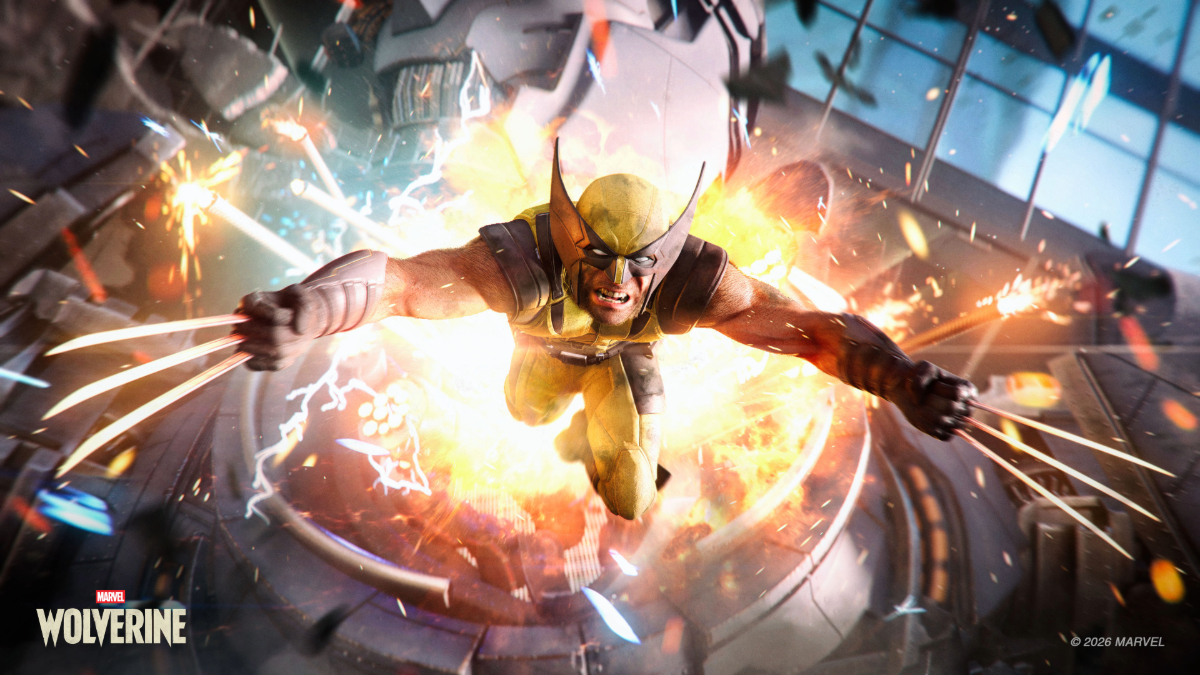
Photo Credit: Sony/ Insomniac Games
Marvel's Wolverine is a PS5 exclusive
Click Here to Add Gadgets360 As A Trusted Source

Advertisement
After years of false starts and failed flights, the Marvel Cinematic Universe finally took form in 2008 with a movie about a man in a metal suit. The MCU—an initialism now as ubiquitous as the UN or ESPN—burst out of its chrysalis and spread its wings relatively quietly at the time. Perhaps even Marvel didn't anticipate its planned universe of superhero films to eat the film industry itself. Eighteen years and 38 bland and boring and sexless movies later, the butterfly effect of the MCU's ascendance has not only altered the grammar of the summer blockbuster, but also flattened tastes beyond films.
That Marvel sensibility is conspicuously visible in Sony's next tentpole video game. Marvel's Wolverine, which releases on PS5 on September 15, falls into the pit dug by superhero movies and does little to pick itself up. The action-adventure title is preoccupied with showing its flawed hero as complex without making him interesting; it tells a predictable, risk-averse story that underwhelms at important junctures; and the game's cast of characters fails to leave an impression during the course of its 20-hour campaign. When operating at its best, Marvel's Wolverine is a fun and frantic action romp that comes with great technical polish. Most of the time, though, the game struggles to live up to its cinematic aspirations.
The Blood of Dawnwalker Review: Rebel Wolves' Gothic RPG Delights and Disturbs
Perhaps even more egregiously, the gameplay in Marvel's Wolverine lacks depth and creativity. The combat is pacy and flashy, but rarely adds any complexity beyond mashing two buttons on the controller. There's a satisfying mechanical crunch to all the moves, and the action is highly responsive and refined, but there's very little room for player expression. And even though Wolverine can move at a quick pace and jump long distances, traversal in the game is shallow and mostly cuts a straight line through linear levels. There are a few thrilling action set pieces and some moments of narrative flair, but Marvel's Wolverine never quite claws its way to the highs Insomniac Games reached with its Spider-Man games.
That doesn't mean the game is all bad. Its linear structure helps it avoid the pitfalls of open-world design and continuously pushes you forward, even when the pacing of the story falters early on. It looks and plays at a standard that sets a high bar for the games industry but is now impressively the default expectation from Insomniac. And there's an old-school, video-gamey feel present throughout Wolverine's systems that helps it stand out amidst titles that follow increasingly homogenous game design ideas. You can rip through the main story in 15 to 20 hours, have fun while doing it, and move on to other things in your life. Games that respect your time are few and far between, and Marvel's Wolverine certainly does that.
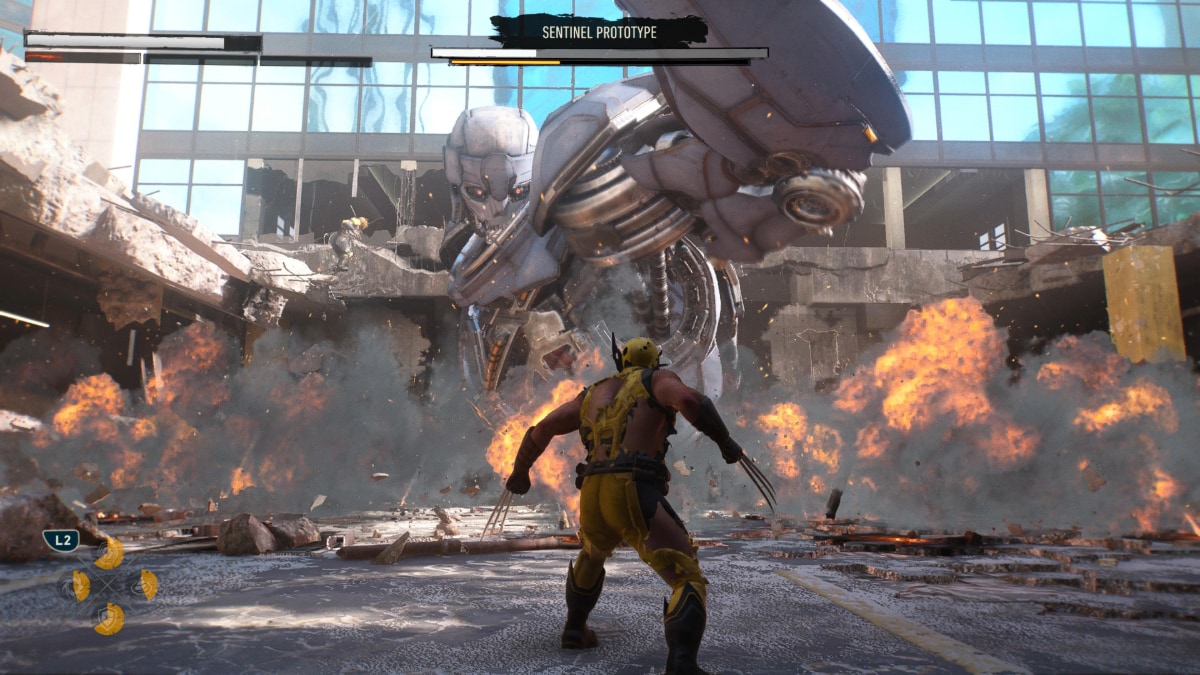
Marvel's Wolverine is let down by its shallow combat and predictable story
Photo Credit: Sony/ Insomniac Games (Screenshot – Manas Mitul)
Part of the reason why Insomniac's new game underwhelms is also the studio's stellar record on the PS5. The California-based developer has been Sony's most prolific first-party game maker this decade without letting the quality dip. Insomniac delivered three new games on the PS5 between 2020 and 2023, and Marvel's Wolverine will be the fourth in six years. Naughty Dog, meanwhile, is yet to ship a new game this console generation. And when compared to Spider-Man 2 and Ratchet & Clank: Rift Apart, two games that are vastly more ambitious in scope, Marvel's Wolverine can't help but feel like a step back for the studio. The game makes perfect sense as a linear, story-driven adventure, but Insomniac does little to expand the underlying gameplay systems within that singular approach.
And that would have been fine if Marvel's Wolverine managed to tell a compelling story with convincing characters. Naughty Dog's games are mechanically shallow, too, but they reach for the stars with their cinematic storytelling. Characters from The Last of Us and Uncharted are complex and well-written. You care for their motives and fret about their fates. You are caught up in their stories. But Wolverine does not pull you in despite its suite of ready-made heroes. Logan, Jean Grey, and Mystique are interesting and iconic comic book characters with decades of lore behind them, so it's hard to stray too far from popular and established archetypes. But Insomniac could have still pushed to find an edge that cuts deeper than the game's conventional claws. After all, IO Interactive did the same with James Bond in 007 First Light this year.
007 First Light Review: Licence to Thrill

Characters fail to leave an impression in Marvel's Wolverine
Photo Credit: Sony/ Insomniac Games (Screenshot – Manas Mitul)
Marvel's Wolverine draws from years' worth of comic book narratives surrounding Logan and the X-Men, but it tells a new story about its titular protagonist. The game follows the fates of James “Logan” Howlett—also known as Wolverine—and Team X, a mutant black operations unit running clandestine missions around the globe. Set in the present day, Marvel's Wolverine takes place in a world largely unaware of mutants, who live in secrecy, hiding from ever-present threats. It's established that it has been three years since Logan left Team X, but he returns to help when the group's founder and his mentor, Nathaniel Essex, is abducted by Bolivar Trask, a billionaire scientist who sees mutants as a threat to humanity.
Logan, with the help of his former Team X comrades Mystique and Sabretooth, saves Essex and reluctantly agrees to rejoin the task force when he learns of Trask's plans for a mysterious and powerful artefact that could put the lives of all mutants at risk. His mission to take down Trask and his cybernetically enhanced mercenary group, Reavers, puts Logan in the path of Jean Grey and a group of young mutants fighting for their survival. Jean and Wolverine quickly form a rapport and work together to protect the mutants from Trask's forces, but an inciting incident leaves the two and the rest of the Team X on the trail of the dangerous device tied to both Trask and Essex.
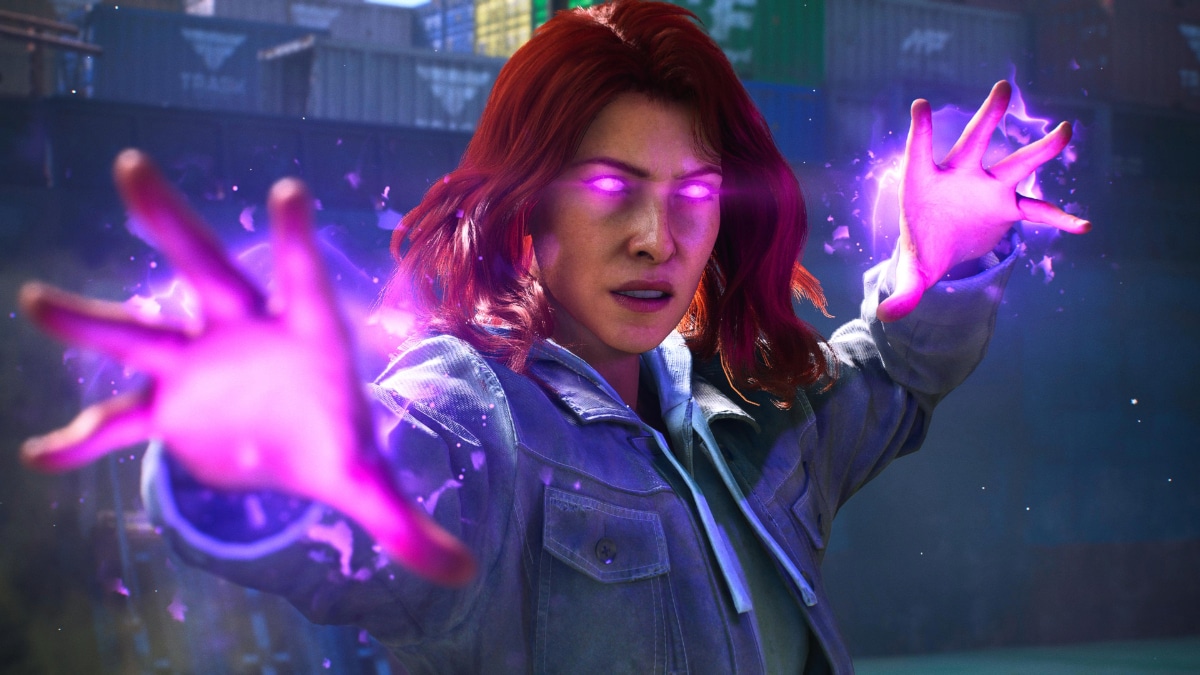
Jean and Logan work together in Marvel's Wolverine
Photo Credit: Sony/ Insomniac Games (Screenshot – Manas Mitul)
The linear story takes Team X on a globe-trotting and gritty adventure across Canada, Madripoor, and Tokyo, where Wolverine comes up against the Hand, an ancient order of Ninjas also after the artefact. As Logan and Jean delve deeper into the origins of the mysterious object, they find they might have been misled right from the start. As the story progresses, allegiances shift, and motives that tie Trask, Essex, and The Hand together are revealed. The final act frantically pushes you forward into the heart of an explosive truth and an escalating conflict that threatens every mutant on Earth.
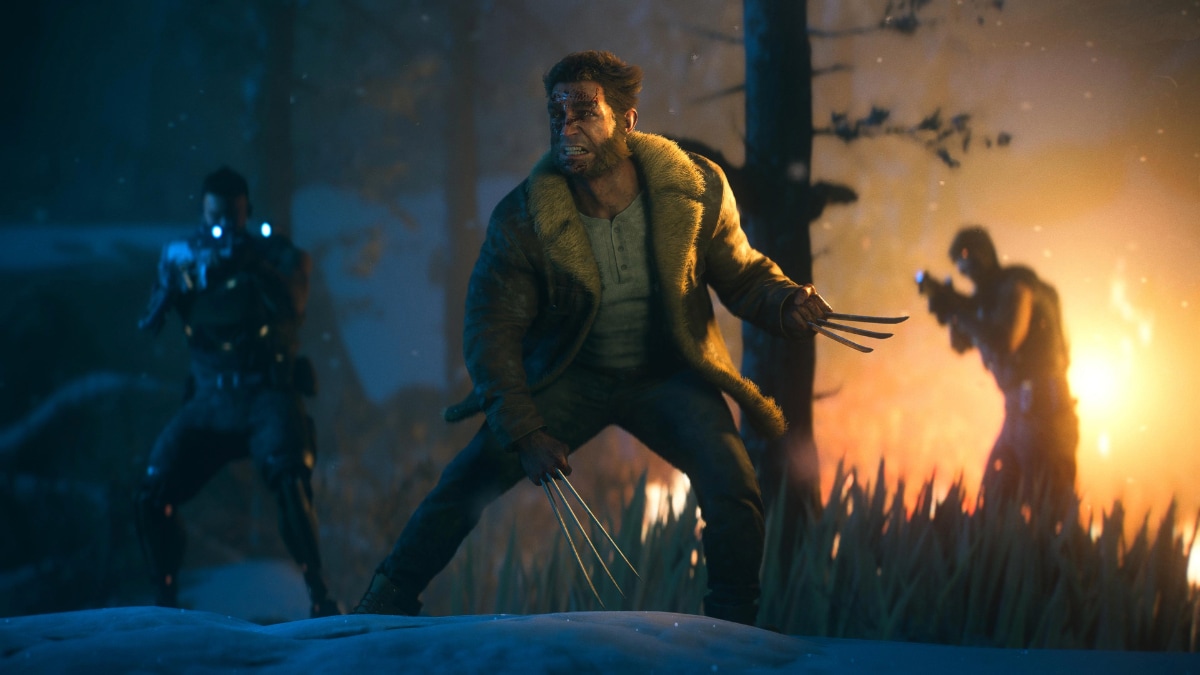
The climax is a thrilling whirlwind of betrayals and revelations that makes Wolverine question the very truths of his own being. Along the way, the reluctant hero also dives into the recesses of his memory and sifts through forgotten parts of his centuries-long life. The final few hours of Marvel's Wolverine serve up intriguing twists and intense confrontations, but it arrives hours after the game's sluggish opening act and its predictable and boring middle section. By then, Marvel's Wolverine has already lost a bit of wind in its sails. The fiery finale mostly stands in contrast with the lukewarm story that precedes it.
Logan takes on Trask's forces hunting down mutants
Photo Credit: Sony/ Insomniac Games (Screenshot – Manas Mitul)
I found myself mostly not caring for the events unfolding in the game. At one point, the story becomes preoccupied with the McGuffin artefact and seems to abandon its characters. Early on, missions are followed by prolonged cutscenes that set the stage for the story to come, but these sections fail to make you care about Logan and his journey. Extended cutscenes aren't necessarily bad, but in the absence of a compelling plot and interesting characters, the storytelling in Marvel's Wolverine sputters at every crucial juncture.
The MCU influence on the writing hurts the game, too. Cinematic story moments often play out as a series of expository dialogue, dry character moments, and corny quips—all delivered without urgency or intensity you'd expect from a violent, globe-trotting thriller starring Wolverine. The game's story lacks an edge that would elevate it beyond the safe, sanitised approach Insomniac took in Spider-Man 2. A Wolverine game needs to be mature and disturbing—not just through amped-up violence and gore, but also in its commitment to a darker, bolder narrative. And while the brutality is present in the combat, it is not matched by the game's clean-cut story.

Marvel's Wolverine fails to tell a darker, more mature story
Photo Credit: Sony/ Insomniac Games (Screenshot – Manas Mitul)
Characters, too, feel a little too nice to be inhabiting such a violent world. Even Logan feels like he is missing his ferocity outside of combat. He is portrayed admirably well by Australian actor Liam McIntyre, but he feels shackled by Insomniac's approach. To McIntyre's credit, he attempts to inject a bit of tenderness into a character largely defined by his gruff demeanour. You see Wolverine reach within himself and find a humanity often hidden from the outside world. His human side surfaces in his scenes with Jean, played by Krizia Bajos, as the two first develop a friendship and then feelings for each other. Logan's chemistry with Jean feels easy and natural, and stands out as one of the highlights of the game.
Wolverine's most compelling character, however, is Essex, played with disarming wit and alarming menace by Troy Baker. The Team X founder wants to save all mutants, but his well-intentioned demeanour gives way to something more sinister later in the game. Essex and Logan's motives largely align until their complicated relationship is further strained. Their dynamic reminded me of the relationship between Arthur Morgan and his charismatic mentor, Dutch van der Linde, in Red Dead Redemption 2. The two are never quite on the same page, but are bound by a flawed sense of loyalty. Baker's portrayal, which walks the line between light and dark, is measured and assured, and his presence elevates every cutscene in the game.
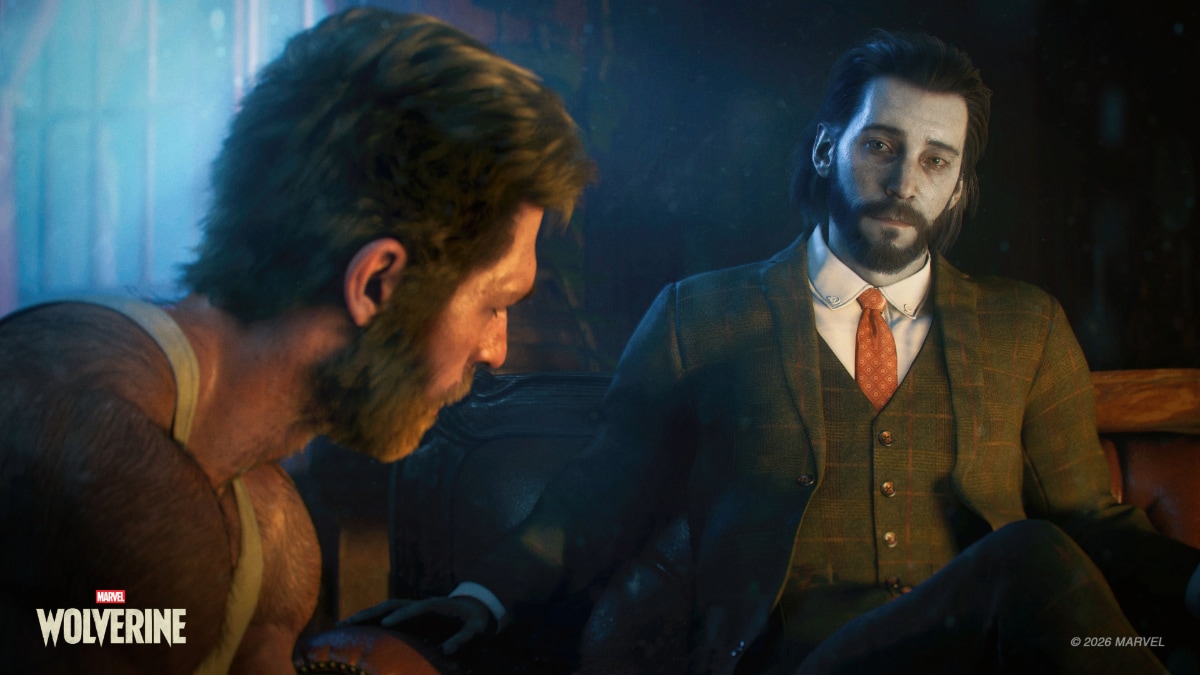
Troy Baker excels as Essex
Photo Credit: Sony/ Insomniac Games
Insomniac tries to take off the restraints—ever-present in Wolverine's story—in the game's combat. Marvel's Wolverine is visceral and gory. Its blood-soaked combat system is weighty and violent. Logan's adamantium claws shred through enemies, both human and cybernetic, in a fountain of blood, guts, and dismembered limbs. The feel of the combat in Marvel's Wolverine isn't too far from Insomniac's Spider-Man games, but the presentation stands in shocking contrast to the bloodless acrobatics seen in those titles. As Wolverine, you rip off heads and slice through limbs as you cut down hordes of soldiers sent first by Trask and then by the Hand to stop you.
As you'd expect from Insomniac, the combat is fun, responsive, and satisfying, but it is also severely shallow. Two-button combos carry you for most of the game. Wolverine gets a suite of special techniques that add a bit of variety to his moves, but regular combat remains largely one-note. You can leap at enemies and unleash a barrage of attacks that end with a violent finisher, but the game has a very limited roster of combos to let you truly express yourself in an encounter. Technique points gained as you level up allow you to unlock a few new moves, but very few of them add a new dimension to the combat system.

Combat in Marvel's Wolverine is visceral but shallow
Photo Credit: Sony/ Insomniac Games
You can parry and dodge incoming attacks, stagger foes to open them up for more damage, and use the environment to impale enemies rushing at you. As you fight hordes of mercenaries, you also slowly fill up a rage meter across three tiers that progressively increase the damage of your attacks. In the final tier of rage, the screen turns black and white, and Wolverine flies into a feral state, executing staggered or low-health enemies in a single devastating critical strike. The problem is that it takes too long for the rage tiers to fill up, leaving you largely dependent on a limited list of standard combos for most combat encounters.
Logan's moves feel particularly one-note in earlier sections of the game when you don't have the expanded set of moves and techniques unlocked. Consequently, it takes a while before you feel empowered as Wolverine to shred a room full of enemies to pieces within seconds. Only towards the end of the game, with all special techniques and abilities unlocked, does the combat system begin to show its claws. By then, you've also unlocked a bunch of adaptations; these are handy passive buffs that let you tailor the combat style a bit to your liking.
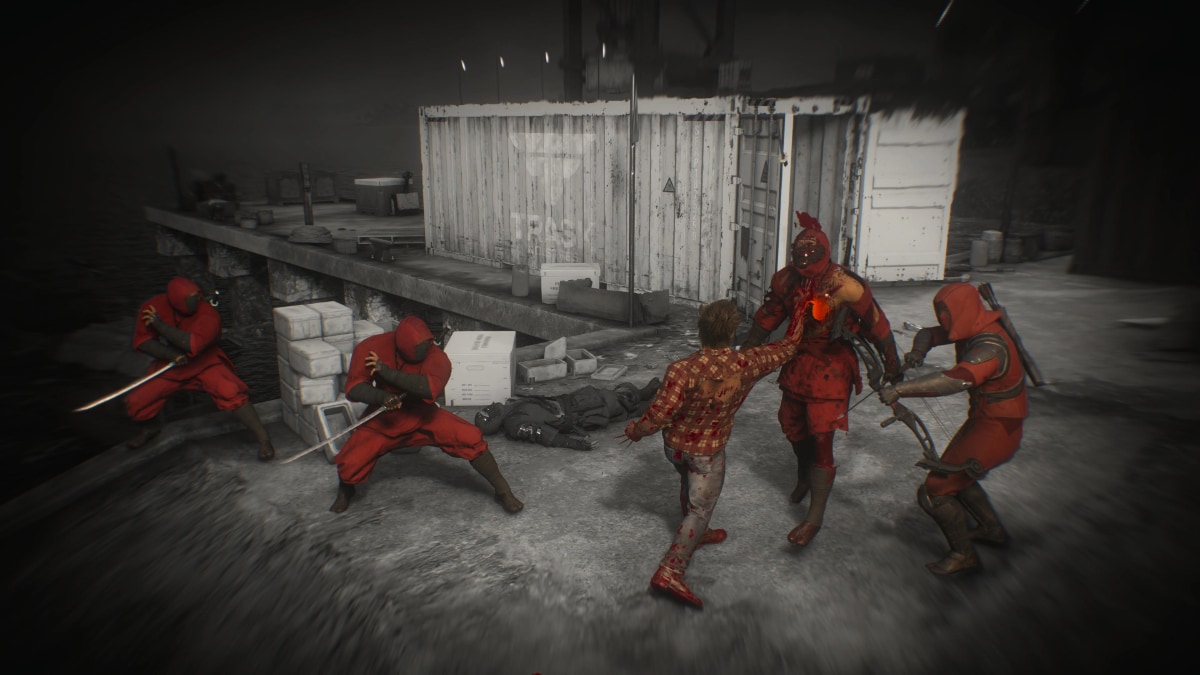
The combat system in Marvel's Wolverine features a Rage mode
Photo Credit: Sony/ Insomniac Games (Screenshot – Manas Mitul)
The same lack of depth is also seen in the game's stealth sections and side activities. Stealth is limited to specific encounters, where you can silently take out an enemy from behind or from a point of vantage. The stealth state breaks if you're spotted by a foe, and you're forced to face enemies head-on—which anyway is the more fun way to go about killing people in the game. In fact, stealth feels out of place in Marvel's Wolverine. Insomniac may have intended it to add variety to the gameplay systems, but the implementation leaves a lot to be desired.
Marvel's Wolverine is a linear, story-driven game that jumps from level to level, but each stage also features a list of side activities. As you move forward in a level, you can find collectables in the form of whiskey bottles and materials that unlock new Wolverine suits. But these aren't difficult to find. They rarely require you to go outside of your main path and explore. Marvel's Wolverine instead draws a clear marker pointing at these optional pickups, so that you don't miss out on them. It's an especially egregious bit of hand-holding in a game that bombards you with hints and instructions as you play. The most interesting side activity appears in the form of Nightmare Doors, which offer a brief glimpse into Logan's troubled past. But oddly, these doors are designed as gameplay trials that test your combat and traversal skills. Once completed, they unlock a piece of Logan's memory—essentially an audio log narrated by Logan himself. But the Nightmare Doors could have easily been playable flashbacks where you could actively explore the hidden memory yourself. That would have added a necessary bit of narrative depth to side activities, as well.
Spider-Man for PS4 Is the Best Superhero Game Ever
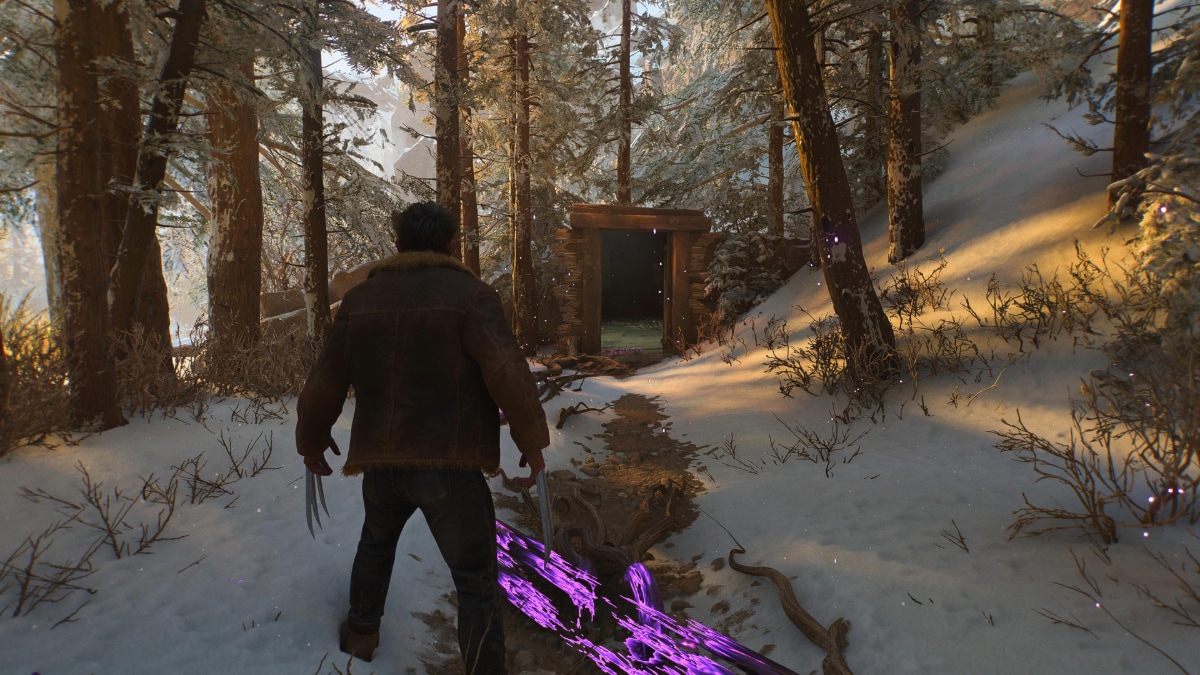
Nightmare Doors offer a glimpse into Wolverine's past
Photo Credit: Sony/ Insomniac Games (Screenshot – Manas Mitul)
The levels themselves are fairly linear, and there aren't any branching paths that reward exploration. There's one particular section in Tokyo that feels a bit more open than any other mission in the game. Here, you're allowed to explore the neon-drenched rooftops of the city as Logan, utilising his enhanced movement abilities. It's only a brief section, but it feels like it could have been explored further as a gameplay idea to incorporate traversal mechanics in a meaningful way. A Wolverine game may not have space for a movement system that is as fluid and fleshed-out as Spider-Man, but Insomniac could have surely done better to connect the linear game world with some form of non-linear traversal and exploration.
The levels, however, do feature a good amount of visual variety. Exterior locations in Tokyo, Madripoor, and Canada feature distinct lighting, weather, and environments. Marvel's Wolverine also features ray-traced lighting in both Performance and Fidelity graphics modes that target 60fps and 30fps, respectively. As a technical package, the game is near-flawless, but the visual detail in character models drops significantly when you move from major members of the cast to nameless NPCs.
Marvel's Spider-Man 2 Review: Insomniac Games' Ambitious Sequel Swings for the Fences
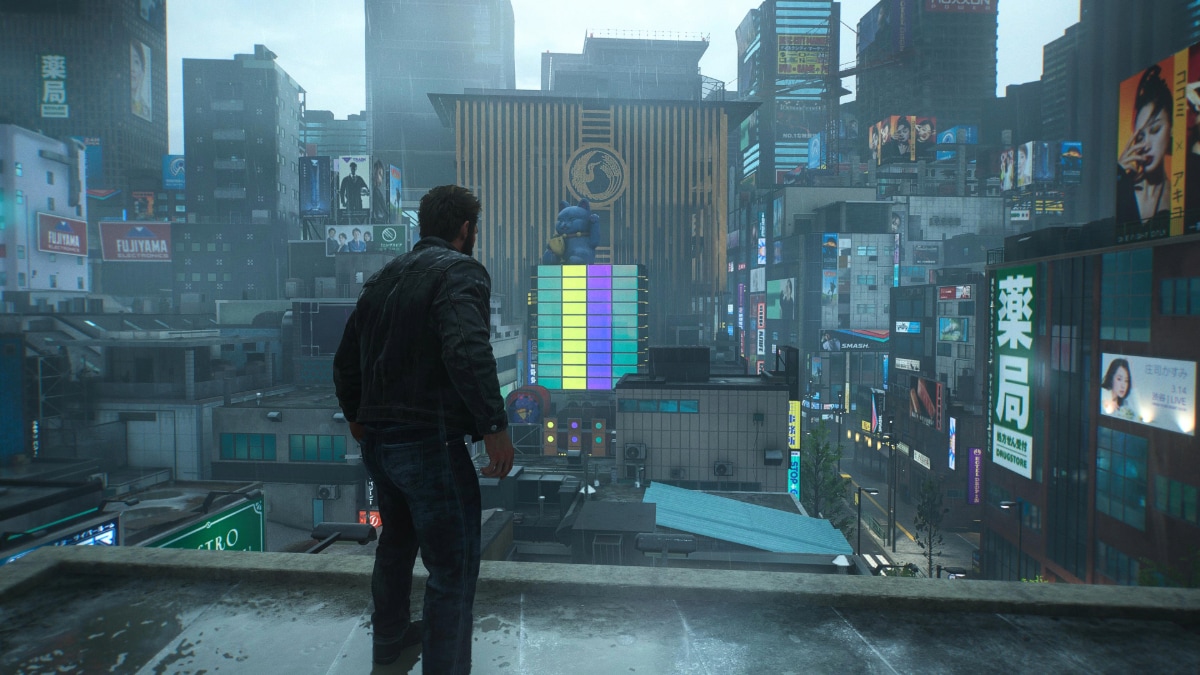
The Tokyo level offers avenues of exploration
Photo Credit: Sony/ Insomniac Games (Screenshot – Manas Mitul)
The technical polish and sophistication, however, are expected from Insomniac Games. Over the last decade, the studio has proved its credentials over a run of stellar games on PS4 and PS5. The developer set a new bar for superhero video games with Marvel's Spider-Man. But with Wolverine, it has a different beast altogether in its hands, one that cannot be tamed by conventional methods. Insomniac has a reputation for telling safe and sanitised stories in its games, but it needed to find a darker edge for a character like Logan. Marvel's Wolverine fails to do that.
It feels as if Insomniac Games refused to dive below the surface on every aspect of its newest game. Its shallow gameplay systems and straitjacketed story only highlight the shortcomings of its linear design. And the game falls convincingly short of doing justice to a complex comic book character immortalised in films and animated shows. The uninspired combat, the unpersuasive story, the unconvincing characters are all just a thin veneer. But when you peel that off, there's little inside Marvel's Wolverine that feels visceral.
Marvel's Wolverine releases September 15 on PS5.
Pricing starts at Rs. 4,999 for the Standard Edition on the PlayStation Store.

- REVIEW
- KEY SPECS
- NEWS
- Good
- Excellent visuals
- Flawless technical performance
- Fun, visceral combat
- Bad
- Boring and uninspired story
- Shallow combat system
- Lack of meaningful exploration and traversal
- Banal side activities
- Forgettable characters
Read detailed Sony Marvel's Wolverine review
Genre Action-Adventure
Platform PlayStation 5 (PS5)
Modes Single-player
Series Marvel’s Spider-Man
PEGI Rating 16+
More Sony Games
Comments
Get your daily dose of tech news, reviews, and insights, in under 80 characters on Gadgets 360 Turbo. Connect with fellow tech lovers on our Forum. Follow us on X, Facebook, WhatsApp, Threads and Google News for instant updates. Catch all the action on our YouTube channel.
Further reading:
Marvels Wolverine Review, Marvels Wolverine, Wolverine, Insomniac Games, PS5, Sony, Marvel


Advertisement
Follow Us




-
![[Sponsored] Galaxy Watch9 for Everyday Health Insights | Smarter Wellness Choices](https://www.gadgets360.com/static/desktop/images/spacer.png)
01:42
[Sponsored] Galaxy Watch9 for Everyday Health Insights | Smarter Wellness Choices -
01:15
[Sponsored] Galaxy Tab S10 Lite for Students: Notes, Solve Math and More -
04:17
[Sponsored] LG NANO 4K UHD AI TV NU885: Gemini Search, Dolby Atmos & 5 Years of Updates -
00:57
[Sponsored] Samsung Galaxy Z Fold8 My Fan Cam in Action: Find the Moment, Then Share It -
01:41
[Sponsored] What Do You Need To Know Before Your Next Run? | Samsung Galaxy Watch Ultra2
-
NVIDIA के सीईओ ने पेश किए माइक्रोडक रोबोट, AI से चलते हैं, क्या काम आएंगे
-
iPhone Duo को बीच से खोला, फोल्डेबल डिस्प्ले से हटाया कवर, फिर क्या दिखा?
-
1 जनवरी से फोन में बिना सिम नहीं चलेगा WhatsApp, सिम बाइडिंग हुआ अनिवार्य
-
Amazon Sale में ₹11 हजार सस्ता खरीदें Motorola का 50MP Sony कैमरा, 5500mAh बैटरी वाला 5G फोन!
-
Flipkart Sale में ₹12,249 में खरीदें Lava का 6000mAh बैटरी वाला 5G फोन!
Advertisement
Popular on Gadgets
- Samsung Galaxy S26 Ultra
- Motorola Razr Fold
- ChatGPT
- OPPO Find N6
- Mobiles Under Rs. 40,000
- Vivo X300 Ultra
- Asus Zenbook S14
- iQOO 15
- Vivo X300 Pro
- Lenovo Yoga Slim 7i Aura Edition
- iQOO 15R
- Vivo X Fold 5
- Sony PlayStation 5
- HP OmniPad 12
- OnePlus Nord CE 6 Lite
- OnePlus Pad 4
- OPPO F33 Pro 5G
- Cryptocurrency
- HP OmniBook Ultra 14 (2026)
- iPhone 17
- Eureka Forbes AP 355 Room Air Purifier
- Latest Mobile Phones
- Compare Phones
Latest Gadgets
- HMD 2660 Flip Senior Edition
- Lava Aura Curve
- Poco X8s
- Samsung Galaxy F70 5G
- Tecno Spark 50S 5G
- Vivo Y600s Pro
- Vivo Y32 (2026)
- Infinix Smart 20 HD
- Lenovo Yoga 9n 2-in-1
- Lenovo Yoga Pro 9n
- Amazon Alexa Tablet 8
- Amazon Alexa Tablet 11
- Pebble Qore 2
- Amazfit T-Rex Dual Solar
- Toshiba 65-Inch 4K Ultra HD Smart Mini LED QLED TV (65Z670SP)
- Haier M70 Mini LED 65-inch
- Acer Predator Atlas 8
- Asus ROG Ally
- Blue Star 1.5 Ton 5 Star Inverter Split AC (IE518ZNURS)
- Blue Star 2 Ton 3 Star Inverter Window AC (WIE324L)

- About Us
- Sitemaps
- Feedback
- Archives
- Contact Us
- RSS
- Advertise
- Career
- Privacy Policy
- Ethics
- Editorial Policy
- Terms & Conditions
- Complaint Redressal
Download Our Apps
Available in Hindi
© Copyright Red Pixels Ventures Limited 2026. All rights reserved.