-
 Meta Agrees to Pay $18 Billion to Settle US Lawsuits Over Children's Social Media Addiction27 August 2026
 -
Starlink Constellation Crosses 10,600 Satellites After Latest SpaceX Launch12 June 2026
-
SpaceX Launches 24 More Starlink Satellites, Nears 10,500 in Orbit20 May 2026
-
Meghalaya Government Signs MoU With Starlink to Boost Connectivity in Region and Reduce Digital Divide1 April 2026
-
Bank of Baroda Mini Statement: How to Get Mini Statement Using Different Methods Online13 February 2026
- Home
- Internet
- Internet News
- Online corrections unable to dent false beliefs: Study
Online corrections unable to dent false beliefs: Study
By Indo-Asian News Service | Updated: 25 January 2013 14:40 IST
Click Here to Add Gadgets360 As A Trusted Source

Advertisement
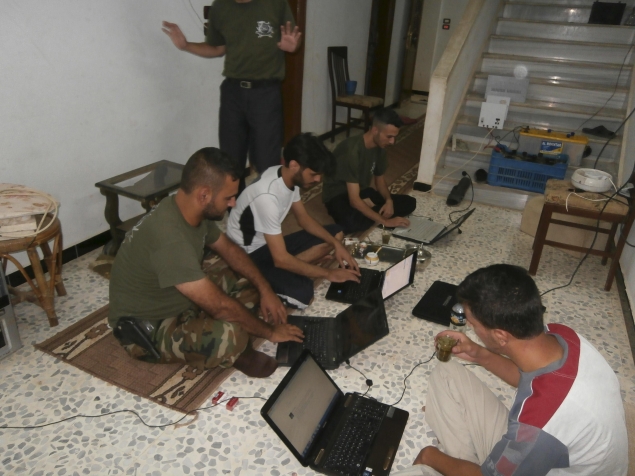
Providing instant corrections to web surfers when they run across obviously false information on the net may be good in theory. But a new study suggests it may not be a panacea for dispelling inaccurate beliefs.
"Real-time corrections do have some positive effect, but it is mostly with people who were predisposed to reject the false claim anyway," said R. Kelly Garrett, assistant professor of communication at Ohio State University, who led the study.
"The problem with trying to correct false information is that some people want to believe it, and simply telling them it is false won't convince them," added Garrett, the journal Proceedings of the Computer Supported Cooperative Work and Social Computing conference reports.
For example, the rumour that Barak Obama was not born in the US was widely believed during the past election season, even though it was thoroughly debunked.
The prospect of correcting falsehoods like this online before they have a chance to spread widely has obvious appeal, Garret said, according to an Ohio statement.
In fact, it has already been attempted: A team from Intel and the University of California, Berkeley, developed Dispute Finder, a plug-in for web browsers that was released in 2009 and would alert users when they opened a webpage with a disputed claim.
That project has ended, but Garrett said similar efforts are under way.
"Although the average news user hasn't encountered real-time correction software yet, it is in the works and I suspect it will see more widespread use soon," he said.
These findings will be presented Feb 26 in Austin, Texas.
Comments
Get your daily dose of tech news, reviews, and insights, in under 80 characters on Gadgets 360 Turbo. Connect with fellow tech lovers on our Forum. Follow us on X, Facebook, WhatsApp, Threads and Google News for instant updates. Catch all the action on our YouTube channel.
Further reading:
Internet
Related Stories






Advertisement
Follow Us




-
![[Sponsored]: CP PLUS CarKam CP-F89B: 4K Dashcam With Rear Camera, GPS & Emergency Recording](https://www.gadgets360.com/static/desktop/images/spacer.png)
04:37
[Sponsored]: CP PLUS CarKam CP-F89B: 4K Dashcam With Rear Camera, GPS & Emergency Recording -
04:23
[Partner Content] Your Phone Can Do WAY More Than You Think | OPPO ColorOS 16 -
01:59
Samsung Galaxy Z Fold8 Ultra: Unfold the Ultra Night -
03:24
Apple Pay Launches In India: Supported Devices, Cards And Payments Explained -
00:21
[Sponsored] Samsung Galaxy Z Fold8, Fold8 Ultra
-
Amazon Great Indian Festival Sale: iPhone 17 Pro पर बंपर डील
-
Flipkart Big Billion Days Sale: ₹8K से सस्ता मिल रहा Google Pixel 10a
-
भारत में दुनिया का सबसे सस्ता इंटरनेट, 1GB की कीमत सिर्फ 8 रुपये
-
40 इंच से 65 इंच तक बड़े Thomson 4K QLED TV भारत में लॉन्च, ₹11,999 से शुरू कीमत
-
Flipkart Big Billion Sale 2026: ₹15 हजार से भी सस्ते मिल रहे Motorola, Poco, Ai+ के AI कैमरा वाले फोन
Advertisement
Popular on Gadgets
- Samsung Galaxy S26 Ultra
- Motorola Razr Fold
- ChatGPT
- OPPO Find N6
- Mobiles Under Rs. 40,000
- Vivo X300 Ultra
- Asus Zenbook S14
- iQOO 15
- Vivo X300 Pro
- Lenovo Yoga Slim 7i Aura Edition
- iQOO 15R
- Vivo X Fold 5
- Sony PlayStation 5
- HP OmniPad 12
- OnePlus Nord CE 6 Lite
- OnePlus Pad 4
- OPPO F33 Pro 5G
- Cryptocurrency
- HP OmniBook Ultra 14 (2026)
- iPhone 17
- Eureka Forbes AP 355 Room Air Purifier
- Latest Mobile Phones
- Compare Phones
Latest Gadgets
- Vivo Y600s Pro
- Vivo Y32 (2026)
- Infinix Smart 20 HD
- Vivo V80
- Vivo S2 FE
- Vivo Y600K Turbo
- Realme P4s Lite
- Vivo S60t
- Dell Pro Rugged 14
- Dell Pro Rugged 13 Extreme
- Amazon Alexa Tablet 8
- Amazon Alexa Tablet 11
- Amazfit T-Rex Dual Solar
- OPPO Watch S2
- Toshiba 65-Inch 4K Ultra HD Smart Mini LED QLED TV (65Z670SP)
- Haier M70 Mini LED 65-inch
- Acer Predator Atlas 8
- Asus ROG Ally
- Blue Star 1.5 Ton 5 Star Inverter Split AC (IE518ZNURS)
- Blue Star 2 Ton 3 Star Inverter Window AC (WIE324L)

- About Us
- Sitemaps
- Feedback
- Archives
- Contact Us
- RSS
- Advertise
- Career
- Privacy Policy
- Ethics
- Editorial Policy
- Terms & Conditions
- Complaint Redressal
Download Our Apps
Available in Hindi
© Copyright Red Pixels Ventures Limited 2026. All rights reserved.