- Home
- Science
- Science News
- NASA’s GNEISS Mission Will Map Electric Currents Behind the Aurora
NASA’s GNEISS Mission Will Map Electric Currents Behind the Aurora
NASA’s GNEISS mission will launch twin rockets from Alaska in 2026 to map the electric currents driving auroras. Using multiple sub-payloads and radio signals, scientists will reconstruct electron flows and improve understanding of space weather impacts on satellites.
Written by Gadgets 360 Staff | Updated: 7 February 2026 17:00 IST
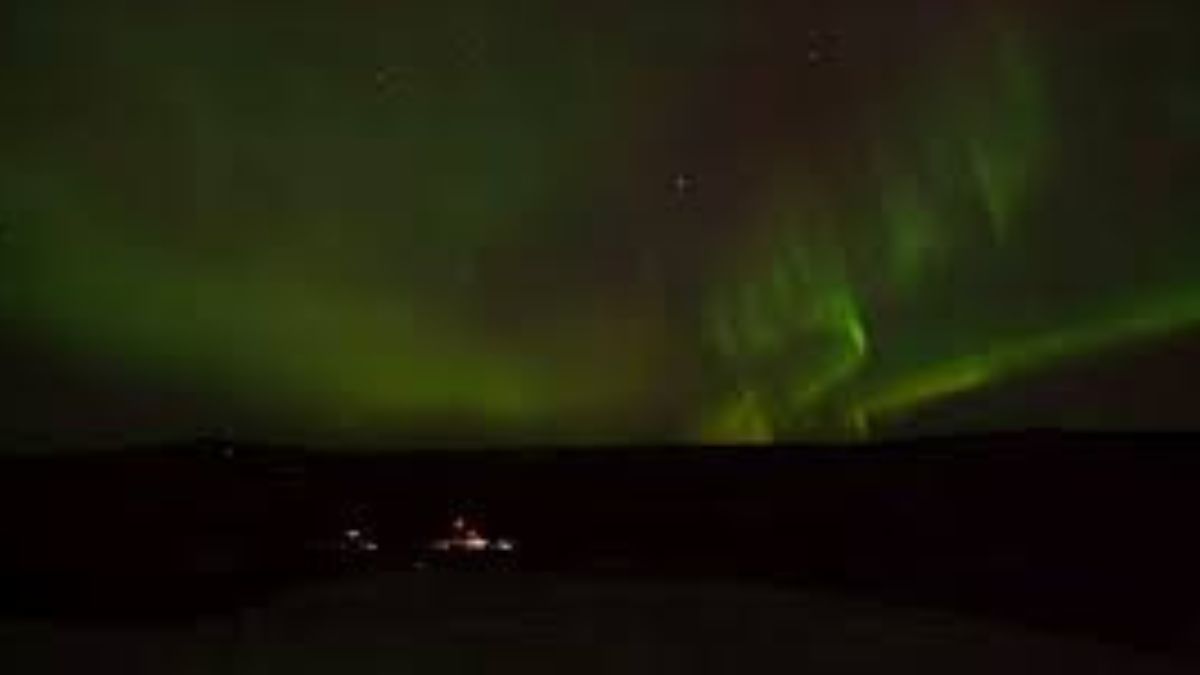
Photo Credit: NASA
NASA plans a 2026 Alaska rocket mission to map auroral electric currents with CT-like scans for science
Click Here to Add Gadgets360 As A Trusted Source


Advertisement
In the near future, NASA plans to send a mission from Alaska to explore the electric currents behind the aurora, also referred to as the northern lights, aurora borealis. This mission, named the Geophysical Non-Equilibrium Ionospheric System Science (GNEISS), will be done with the help of two rockets and a technique similar to a CT scan. With a launch date set for early February 2026, the mission will come from Poker Flat in Alaska.
Mapping the aurora's currents
According to NASA, aurora is formed by the fall of electrons from space, which light up the atmosphere as if from a bulb. For the electrons to light the auroras, they must follow a circular path, and the path is randomly directed. The GNEISS mission plans to overcome the problem by sending twin rockets through the auroral arc, each deploying four sub-payloads and sending radio messages to receivers on the ground. The plasma interferes with the messages, just as tissues in the body affect the beams from a computer tomography scanner, and this effect is analysed to determine the density and the direction of the electrons.
Implications for space weather
The study of auroral currents plays a vital role in understanding space weather phenomena. The currents direct energy transmission to the upper atmosphere, which results in heating and turbulence creation that impacts satellite operations. Scientists aim to develop A method for predicting aurora effects by combining GNEISS measurements with data from NASA's EZIE satellite, which launched in March 2025. NASA will send another rocket mission to investigate the enigmatic "black auroras", which appear as dark areas that scientists believe indicate current flow reversal points.
Comments
Get your daily dose of tech news, reviews, and insights, in under 80 characters on Gadgets 360 Turbo. Connect with fellow tech lovers on our Forum. Follow us on X, Facebook, WhatsApp, Threads and Google News for instant updates. Catch all the action on our YouTube channel.


Advertisement
Follow Us




-
05:05
Goboult Mustang Racer Smartwatch Review: Should You Get This Mustang Smartwatch? -
04:58
OnePlus Nord Buds 4 Pro Review: Specs, Sound Quality, ANC, and Battery Backup Tested -
02:29
[Sponsored] Samsung Galaxy S26 Ultra First Look: AI Smartphone for Creators, Gaming & Productivity -
04:25
Vivo X200T Review - Full Camera, Gaming & Battery Test | Worth Buying? -
28:31
The Future of Productivity: Logitech's Anatoliy Polyanker On AI, Hybrid Work, And India's Tech Boom
Advertisement
Popular on Gadgets
- Samsung Galaxy Unpacked 2026
- iPhone 17 Pro Max
- ChatGPT
- iOS 26
- Laptop Under 50000
- Smartwatch Under 10000
- Apple Vision Pro
- Oneplus 12
- OnePlus Nord CE 3 Lite 5G
- iPhone 13
- Xiaomi 14 Pro
- Oppo Find N3
- Tecno Spark Go (2023)
- Realme V30
- Best Phones Under 25000
- Samsung Galaxy S24 Series
- Cryptocurrency
- iQoo 12
- Samsung Galaxy S24 Ultra
- Giottus
- Samsung Galaxy Z Flip 5
- Apple 'Scary Fast'
- Housefull 5
- GoPro Hero 12 Black Review
- Invincible Season 2
- JioGlass
- HD Ready TV
- Latest Mobile Phones
- Compare Phones
Latest Gadgets
- Honor Play 80
- Nord 6
- Honor X80i
- Honor Play 80 Pro
- Redmi Note 15 SE 5G
- Redmi A7 Pro
- OPPO K15 Pro
- OPPO K15 Pro+
- Xiaomi Book Pro 14
- MacBook Neo
- Vivo Pad 6 Pro
- Lenovo Legion Y700 Gen 5
- boAt Valour Watch 1R
- Xiaomi Watch S5
- Xiaomi QLED TV X Pro 75
- Haier H5E Series
- Asus ROG Ally
- Nintendo Switch Lite
- Haier 1.6 Ton 5 Star Inverter Split AC (HSU19G-MZAID5BN-INV)
- Haier 1.6 Ton 5 Star Inverter Split AC (HSU19G-MZAIM5BN-INV)

- About Us
- Sitemaps
- Feedback
- Archives
- Contact Us
- RSS
- Advertise
- Career
- Privacy Policy
- Ethics
- Editorial Policy
- Terms & Conditions
- Complaint Redressal
Download Our Apps
Available in Hindi
© Copyright Red Pixels Ventures Limited 2026. All rights reserved.