-
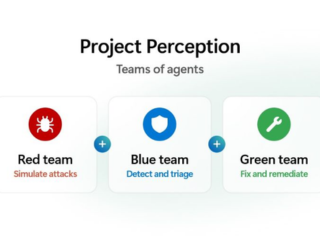
 Microsoft Introduces Project Perception as a New Agentic Security System to Protect Against AI-Powered Cyberattacks28 July 2026
 -
Microsoft Said to Plan Fresh Layoffs, Job Cuts Could Affect Under 2.5 Percent of Workforce1 July 2026
-
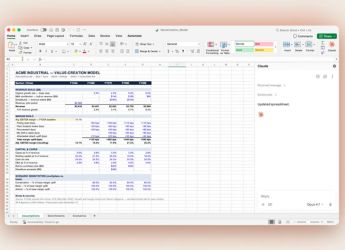
Anthropic’s Microsoft 365 Integration Expands With Claude for Excel, PowerPoint and Word8 May 2026
-
Microsoft Retires Xbox Copilot AI Assistant on Mobile and Consoles, Confirms Xbox Leadership Changes6 May 2026
-
OpenAI, Microsoft Make Major Changes to Partnership, Remove the AGI Clause28 April 2026
Microsoft’s Copilot Terms of Use Says the AI Chatbot Is for Entertainment Purposes Only
While Microsoft pushes its AI chatbot as a productivity tool, the language used in the terms of use avoids accountability.
Written by Akash Dutta, Edited by Rohan Pal | Updated: 6 April 2026 11:30 IST

Photo Credit: Microsoft
The terms mention that Microsoft won't be held liable if Copilot’s output includes copyrighted content
Click Here to Add Gadgets360 As A Trusted Source

Advertisement
Microsoft has been aggressively pushing Copilot, its in-house artificial intelligence (AI) technology, as a powerful productivity tool for enterprises. The Redmond-based tech giant recently released an automation tool dubbed Copilot Cowork, a wellbeing product called Copilot Health, and new native large language models (LLMs). However, despite the push, the AI chatbot's terms of use describe it as an entertainment tool, which has started a debate online. Netizens have raised concerns that the language used in the terms suggests the tech giant does not want to take accountability for its AI's actions.
Microsoft Calls Copilot a Party Trick
Last week, several social media users unearthed the terms of use for Microsoft's Copilot and began sharing it online due to its confusing language. The tech giant updated the chatbot's terms in October 2025, making several changes to older language. Most of it is a legal disclaimer that highlights how the tool should and should not be used.
- Microsoft piloting a wearable AI access badge with built in biometric sensors
- NVIDIA and Microsoft Are Betting Big on Personal AI PC
- Xbox removing some Copilot features feels unexpected
- Microsoft updates ads platform for AI-driven discovery
- What is the Gaming Copilot AI Assistant that Microsoft is bringing to Xbox consoles?
However, one part of the document mentions, “Copilot is for entertainment purposes only. It can make mistakes, and it may not work as intended. Don't rely on Copilot for important advice. Use Copilot at your own risk.” The language is concerning because the company wants the tech used for serious productivity tasks, yet it also mentions that it is not a reliable tool.
Another part of the terms of use claims that Copilot's response can infringe copyrights, trademarks, or rights of privacy, and that Microsoft will not be held responsible if the user chooses to publish or share these responses publicly or with another individual. This also conflicts with Microsoft's vision of users generating reports and documents using the AI chatbot.
Reacting to this, Reddit user u/iliveonramen said, “It's not a good sign when a company won't stand behind the accuracy of their product. If Microsoft doesn't trust Copilot, why should I?” Another responded, “If it is for entertainment purposes only, why the hell is my company forcing it on all their workers?”
Meanwhile, a Microsoft spokesperson told PCMag, "The ‘entertainment purposes' phrasing is legacy language from when Copilot originally launched as a search companion service in Bing. As the product has evolved, that language is no longer reflective of how Copilot is used today and will be altered with our next update.”
Affiliate links may be automatically generated - see our ethics statement for details.
Comments
Get your daily dose of tech news, reviews, and insights, in under 80 characters on Gadgets 360 Turbo. Connect with fellow tech lovers on our Forum. Follow us on X, Facebook, WhatsApp, Threads and Google News for instant updates. Catch all the action on our YouTube channel.
Related Stories





Advertisement
Follow Us




-
![[Partner Content] OPPO Reno16 Series Deep Dive: Built for Creators?](https://www.gadgets360.com/static/desktop/images/spacer.png)
12:04
[Partner Content] OPPO Reno16 Series Deep Dive: Built for Creators? -
05:33
Poco M8 Power Review | 8000mAh battery phone | Best budget phone 2026? -
03:28
[Partner Content] OPPO Enco Air5, Flagship ANC for Just Rs. 3,299? -
01:02
[Sponsored] One Shot Away From the Perfect Edit | Galaxy Book6 Pro -
02:00
[Sponsored] Galaxy Book6 Pro vs Lenovo Yoga 7 2-in-1: Which Laptop Wins?
-
Amazon Great Freedom Sale: बंपर डिस्काउंट के साथ मिल रहे 1.5 Ton Split AC
-
Flipkart Freedom Sale में ₹25000 में आने वाले 43 इंच TV पर डिस्काउंट
-
Flipkart Freedom Sale: ₹5000 सस्ता मिल रहा 48MP कैमरा वाला iPhone 17
-
Amazon Great Freedom Sale में ₹11000 तक सस्ते मिल रहे OnePlus N6x, OnePlus 13s, OnePlus Nord 6 जैसे फोन
-
Motorola भारत में ला रही Moto G Max, 7000mAh बैटरी, 50MP दो कैमरा, IP64 रेटिंग, 14 अगस्त को है लॉन्च
Advertisement
Popular on Gadgets
- Samsung Galaxy S26 Ultra
- Motorola Razr Fold
- ChatGPT
- OPPO Find N6
- Mobiles Under Rs. 40,000
- Vivo X300 Ultra
- Asus Zenbook S14
- iQOO 15
- Vivo X300 Pro
- Lenovo Yoga Slim 7i Aura Edition
- iQOO 15R
- Vivo X Fold 5
- Sony PlayStation 5
- HP OmniPad 12
- OnePlus Nord CE 6 Lite
- OnePlus Pad 4
- OPPO F33 Pro 5G
- Cryptocurrency
- HP OmniBook Ultra 14 (2026)
- iPhone 17
- Eureka Forbes AP 355 Room Air Purifier
- Latest Mobile Phones
- Compare Phones
Latest Gadgets
- Redmi 17 5G
- Vivo S2
- Itel Ace 3 Heera
- Motorola Moto G37 Power 128GB
- OPPO A7 Pro Max
- Poco M8 Power
- OnePlus N6x
- Honor X6e
- Huawei MateBook Pro S
- Asus Chromebook CX15 (CX1505CTA)
- Moto Pad 70 Groove
- Honor Pad X9 Max
- Samsung Galaxy Watch 9 (44mm)
- Samsung Galaxy Watch 9 (44mm, LTE)
- Sony Bravia 9 II
- Haier HQLED P7 Pro
- Acer Predator Atlas 8
- Asus ROG Ally
- Blue Star 1.5 Ton 5 Star Inverter Split AC (IE518ZNURS)
- Blue Star 2 Ton 3 Star Inverter Window AC (WIE324L)

- About Us
- Sitemaps
- Feedback
- Archives
- Contact Us
- RSS
- Advertise
- Career
- Privacy Policy
- Ethics
- Editorial Policy
- Terms & Conditions
- Complaint Redressal
Download Our Apps
Available in Hindi
© Copyright Red Pixels Ventures Limited 2026. All rights reserved.