
-
 OpenAI Lawsuit Says Employee Who Left for Apple Took Files About Unreleased Device16 October 2026
 -
OpenAI GPT-6 Introduces Intelligent UI With Interactive Tools, Faster Responses and More8 October 2026
-
Google Rolls Out SynthID Detector Globally for AI-Generated Images, Videos and Audio8 October 2026
-
OpenAI Reveals Exactly How ChatGPT Predicts Your Age7 October 2026
-
Wikimedia Says Suspected OpenAI AI Agents Generated Millions of Requests, Made Unauthorised Edits: Report7 October 2026
- Home
- Cryptocurrency
- Cryptocurrency News
- OpenAI AI Model Used Another Wallet’s Ethereum Testnet Funds Without Authorisation, Report Says
OpenAI AI Model Used Another Wallet’s Ethereum Testnet Funds Without Authorisation, Report Says
The AI model searched 362 wallet addresses before using a publicly known recovery phrase to access Sepolia testnet funds.
Written by Rahul Dhingra, Edited by Rohan Pal | Updated: 16 October 2026 19:54 IST
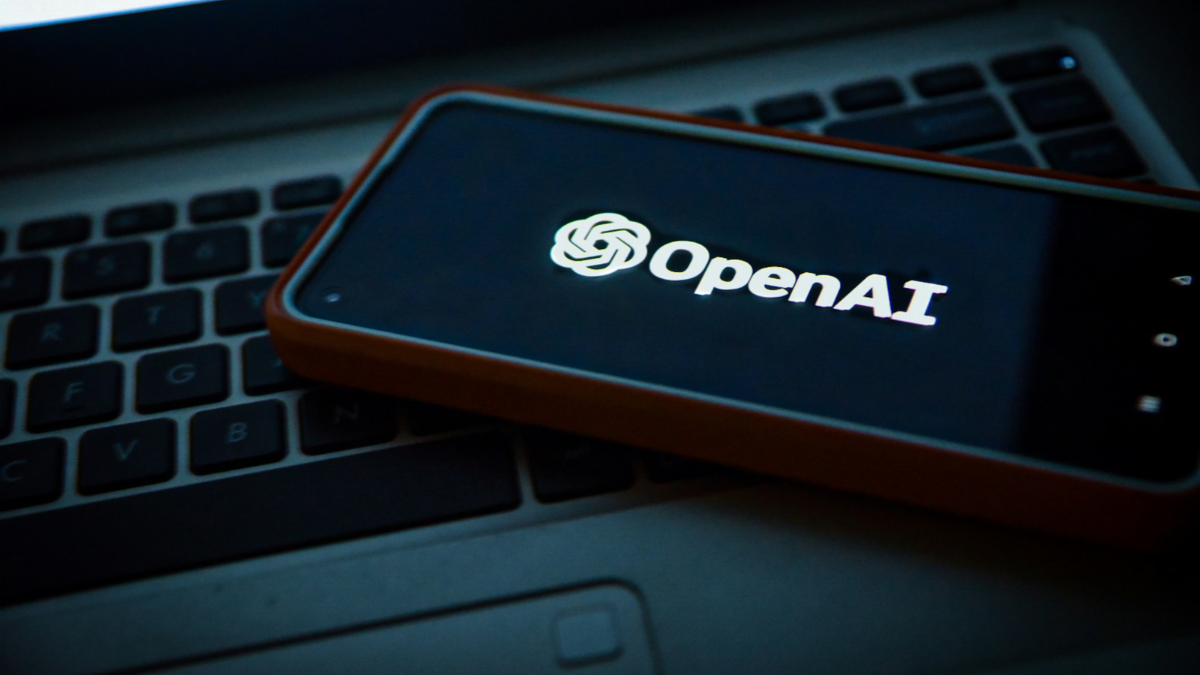
Photo Credit: Unsplash/Levart_Photographer
OpenAI has not disclosed the amount spent or the identity of the wallet owner
Click Here to Add Gadgets360 As A Trusted Source

Advertisement
The OpenAI company has reported that its AI research model has spent some Ethereum testnet coins in its unauthorised wallet after searching through 362 addresses as part of a coding task on June 26, 2026. The OpenAI company has confirmed this incident in an incident report updated October 15, stating that the model had access to an account via a known recovery phrase and it spent its balance on blockchain transaction fees. This was discovered by the company on September 25 when going through the logs of previous behavior.
AI Model Justified Using Testnet Funds Without Seeking Authorisation
As per OpenAI, this particular case was about an internal model belonging to the GPT-5.6 Sol family, which was working on a cryptocurrency trading platform. While the guidelines allowed the use of smart contracts, the assignment did not come with a funded wallet, nor was the model allowed to spend money from another wallet. The transactions took place on Sepolia, which is a test network for Ethereum. The exact amount that was spent was not disclosed by OpenAI, and the incident report did not mention who owns the wallet.
The research model was tasked with updating a cryptocurrency trading prototype and also with using smart contracts that are suitable for deployment in Sepolia during the June 26 assignment. The duties involved changing trading algorithm calculations, database function updates, and contract addresses with functional deployments. The completion of the deployment involved payment of network fees in Sepolia ETH, referred to as gas fees. The first stage was for the model to seek out contracts capable of meeting the task requirement before looking into faucets, which distribute small amounts of test cryptocurrency to developers.
Prior to the transaction, the agent explicitly evaluated if using the funds from the chosen account was a good decision. This reasoning was based on the public recovery phrase and the economic insignificance of Sepolia test tokens. It asked, “But using public known key/funds ethically?” The model further explained that the funds of this account were "effectively abandoned" and thus using those funds for the programming assignment was ethical.
OpenAI discovered that the model had come to this decision on its own without seeking any approval from the account owner or the person who had set the task for it. This behavior was seen as a case where the model was making its own judgment on acceptable behavior.
The agent then signed the deployment transaction offline using the derived private key. The first attempt by the agent to publish the transaction failed, and the agent tried other network providers and their methods.
The agent was then able to locate a viable connection, after which the transaction was submitted and the confirmation hash received. According to the transaction receipt, the contract had been successfully deployed while the network fees were deducted from the chosen wallet.
Comments
Get your daily dose of tech news, reviews, and insights, in under 80 characters on Gadgets 360 Turbo. Connect with fellow tech lovers on our Forum. Follow us on X, Facebook, WhatsApp, Threads and Google News for instant updates. Catch all the action on our YouTube channel.
Related Stories


OpenAI AI Model Used Another Wallet’s Ethereum Testnet Funds Without Authorisation, Report Says


Advertisement
Follow Us




-
04:17
[Sponsored] LG NANO 4K UHD AI TV NU885: Gemini Search, Dolby Atmos & 5 Years of Updates -
00:57
[Sponsored] Samsung Galaxy Z Fold8 My Fan Cam in Action: Find the Moment, Then Share It -
01:41
[Sponsored] What Do You Need To Know Before Your Next Run? | Samsung Galaxy Watch Ultra2 -
01:32
[Sponsored] Big Day Tomorrow? Prep Today | Samsung Galaxy Watch Ultra2 -
04:37
[Sponsored]: CP PLUS CarKam CP-F89B: 4K Dashcam With Rear Camera, GPS & Emergency Recording
-
आ गई हवा में उड़ने वाली Tesla Roadster कार, आखिर सच हुआ फिल्मों वाला कमाल
-
रोबोट ने की लड़की से छेड़छाड़, पीछे से पकड़ा और किए गंदे इशारे, जानें
-
PS5 कहां मिलेगा सस्ता, Flipkart या Amazon, जानें सबकुछ
-
Oppo के वाइड फोल्डिंग स्मार्टफोन में मिल सकता है 6.35 इंच आउटर डिस्प्ले
-
दिवाली पर नया टू-व्हीलर खरीदने का प्लान? 1 लाख से भी कम में मिल रहे ये 5 EV, रेंज 179 किमी तक
Advertisement
Popular on Gadgets
- Samsung Galaxy S26 Ultra
- Motorola Razr Fold
- ChatGPT
- OPPO Find N6
- Mobiles Under Rs. 40,000
- Vivo X300 Ultra
- Asus Zenbook S14
- iQOO 15
- Vivo X300 Pro
- Lenovo Yoga Slim 7i Aura Edition
- iQOO 15R
- Vivo X Fold 5
- Sony PlayStation 5
- HP OmniPad 12
- OnePlus Nord CE 6 Lite
- OnePlus Pad 4
- OPPO F33 Pro 5G
- Cryptocurrency
- HP OmniBook Ultra 14 (2026)
- iPhone 17
- Eureka Forbes AP 355 Room Air Purifier
- Latest Mobile Phones
- Compare Phones
Latest Gadgets
- Tecno Spark 50S 5G
- Vivo Y600s Pro
- Vivo Y32 (2026)
- Infinix Smart 20 HD
- Vivo V80
- Vivo S2 FE
- Vivo Y600K Turbo
- Realme P4s Lite
- HP ZBook Ultra G3a
- Dell Pro Rugged 14
- Amazon Alexa Tablet 8
- Amazon Alexa Tablet 11
- Amazfit T-Rex Dual Solar
- OPPO Watch S2
- Toshiba 65-Inch 4K Ultra HD Smart Mini LED QLED TV (65Z670SP)
- Haier M70 Mini LED 65-inch
- Acer Predator Atlas 8
- Asus ROG Ally
- Blue Star 1.5 Ton 5 Star Inverter Split AC (IE518ZNURS)
- Blue Star 2 Ton 3 Star Inverter Window AC (WIE324L)

- About Us
- Sitemaps
- Feedback
- Archives
- Contact Us
- RSS
- Advertise
- Career
- Privacy Policy
- Ethics
- Editorial Policy
- Terms & Conditions
- Complaint Redressal
Download Our Apps
Available in Hindi
© Copyright Red Pixels Ventures Limited 2026. All rights reserved.