-
 Revolut Introduces MiCA-Compliant EURR Stablecoin to European Crypto Services26 August 2026
 -
Gears of War: E-Day, Clockwork Revolution Not 'One-Off', More Xbox Exclusives on Their Way9 June 2026
-
Everything Announced at Xbox Games Showcase: Gears of War: E-Day, Senua, Persona 6 and More8 June 2026
-
U&i Budget 99 TWS, Revolution Neckband and New Powerbanks Launched in India28 November 2024
-
'AI Revolution' to Sweep Job Markets in World’s Wealthiest Nations: OECD11 July 2023
- Home
- Cryptocurrency
- Cryptocurrency News
- Revolut Customers Hit by Data Exposure From Fake Government Email
Revolut Customers Hit by Data Exposure From Fake Government Email
Affected users were warned that their identification documents and account information may have been accessed.
Written by Rahul Dhingra, Edited by Ketan Pratap | Updated: 14 September 2026 15:17 IST

Photo Credit: Unsplash/appshunter.io
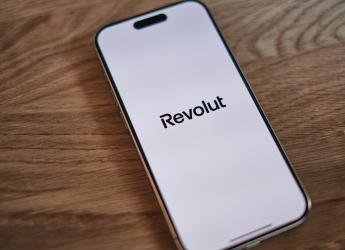
The incident involved fraudulent information requests submitted by an unauthorised third party
Click Here to Add Gadgets360 As A Trusted Source

Advertisement
FinTech and banking firm Revolut exposed sensitive customer information, including passport details, selfie authentication photos, and complete transaction history, after a fraudulent request that appeared to come from an official government agency. Customer information requests from a government agency's genuine email address passed Revolut's verification process, according to a post by the International Cyber Digest on Twitter. Revolut later stated that the requests were not genuine, and the compromised customers were informed about it on Friday. A limited number of customers were affected, said a spokesperson from Revolut.
Revolut Blocked Fraudulent Requests After Detecting Impersonation Scam
The compromised data included personal identification and contact information such as date of birth, home and email address, and phone numbers, along with copies of identification documents such as passports and driving licenses. The compromised data may also include selfie authentication images, account statements, and transaction history, according to the notification sent out to affected users via email, as reported by TechCrunch.
:bangbang: BREAKING: Revolut handed over customers' passport copies, verification selfies and full transaction histories to a malicious actor.
— International Cyber Digest (@IntCyberDigest) September 12, 2026
The actor sent lawful government information-demand emails using a genuine government domain that passed domain authentication.
Revolut later… pic.twitter.com/QFlIlUFpxH
Revolut, however, did not specify how many people were affected. It also did not reveal if the security breach occurred within a particular market alone and did not disclose which government body was involved. “Revolut recently identified a sophisticated external impersonation scam where an unauthorised third party utilised a legitimate government agency domain email to submit fraudulent requests for information,” the spokesperson said.
According to the report from TechCrunch, Revolut blocked the email address after realising the scam carried out by the unauthorised third party and notified the appropriate government agency, law enforcement, and regulators, saying that “Revolut systems and customer funds are unaffected.” The incident created a buzz on X, with people criticising the existing practice of mandated information sharing. Marc Zeller posted that he woke up to Revolut leaking all his data. He added, “A sharp reminder that KYC has not delivered any upside, but rather gotten us into trouble.”
In a similar incident in August, Bits of Gold, a cryptocurrency brokerage service, revealed that cybercriminals hacked about 200,000 users' personal information. They disclosed the data breach incident on Sunday, stating that one hacker managed to gain entry into a third-party data analytics system, thereby gaining access to customers' names, national IDs, email addresses, phone numbers, IP addresses, bank details, and public wallet addresses.
Comments
Get your daily dose of tech news, reviews, and insights, in under 80 characters on Gadgets 360 Turbo. Connect with fellow tech lovers on our Forum. Follow us on X, Facebook, WhatsApp, Threads and Google News for instant updates. Catch all the action on our YouTube channel.
Related Stories





Advertisement
Follow Us




-

05:20
Samsung Galaxy Watch Ultra 2 Review: Is This the Best Android Smartwatch? -
07:01
Samsung Galaxy Z Fold 8 Review: Is This the Best Foldable Phone? -
06:39
Samsung Galaxy Z Fold8 Ultra Review: Cameras, Battery, Performance Tested -
04:33
[Sponsored] JBL Live 780NC: Great Sound, Perfect Comfort, Smart ANC & 80-Hour Battery -
12:04
[Partner Content] OPPO Reno16 Series Deep Dive: Built for Creators?
-
Ganesh Chaturthi Stickers: ऐसे डाउनलोड करें और भेजे गणपति बप्पा के स्टिकर
-
iQOO 16 में होगा दुनिया का पहला 2K 165Hz डिस्प्ले
-
Xiaomi का ये छोटा सा सॉकेट पुराने पंखे-लैंप को बना देगा सुपर स्मार्ट
-
150 इंच स्क्रीन पर 4K सिनेमा और बिल्ट-इन 2.1 चैनल स्पीकर सिस्टम! लॉन्च हुआ OBE R3 Ultra Max Projector
-
8300mAh बैटरी और AI बटन वाला Honor Play 11 हुआ लॉन्च, कीमत करीब ₹20 हजार से शुरू
Advertisement
Popular on Gadgets
- Samsung Galaxy S26 Ultra
- Motorola Razr Fold
- ChatGPT
- OPPO Find N6
- Mobiles Under Rs. 40,000
- Vivo X300 Ultra
- Asus Zenbook S14
- iQOO 15
- Vivo X300 Pro
- Lenovo Yoga Slim 7i Aura Edition
- iQOO 15R
- Vivo X Fold 5
- Sony PlayStation 5
- HP OmniPad 12
- OnePlus Nord CE 6 Lite
- OnePlus Pad 4
- OPPO F33 Pro 5G
- Cryptocurrency
- HP OmniBook Ultra 14 (2026)
- iPhone 17
- Eureka Forbes AP 355 Room Air Purifier
- Latest Mobile Phones
- Compare Phones
Latest Gadgets
- iPhone Duo
- OPPO A7 Pro
- Huawei Mate XT 2 Ultimate Design
- Realme 16 Pro Harry Potter Edition
- Samsung Galaxy A07s
- Huawei Pura X View
- Tecno Camon Slim 5G
- iQOO Z11xa
- Acer Aspire G 3D 16
- Acer Swift Air 16 (2026)
- Xiaomi Pad 9 Pro
- Xiaomi Pad 9
- Apple Watch Ultra 4
- Apple Watch Series 12
- Haier M70 Mini LED 65-inch
- Xiaomi TV FX Mini LED 65
- Acer Predator Atlas 8
- Asus ROG Ally
- Blue Star 1.5 Ton 5 Star Inverter Split AC (IE518ZNURS)
- Blue Star 2 Ton 3 Star Inverter Window AC (WIE324L)

- About Us
- Sitemaps
- Feedback
- Archives
- Contact Us
- RSS
- Advertise
- Career
- Privacy Policy
- Ethics
- Editorial Policy
- Terms & Conditions
- Complaint Redressal
Download Our Apps
Available in Hindi
© Copyright Red Pixels Ventures Limited 2026. All rights reserved.