-
 Samsung Week 2026 Sale in India Offers Up to 60 Percent Off on Galaxy Phones, Tablets and More7 October 2026
 -
Samsung Galaxy S26 Series Price in India Allegedly Hiked by Up to Rs. 25,000, Now Starts at Rs. 1,02,99923 September 2026
-
Best Selfie Camera Smartphones in India: Google Pixel 11 Pro XL, Vivo V70 FE, Nothing Phone 3a Pro and More20 September 2026
-
Samsung Galaxy S26 Series Price Hike Not Happening Anytime Soon, Sources Suggest18 September 2026
-
Samsung Galaxy S27 Ultra Could Get New Image Processing for More Natural Photos: Leak17 September 2026
- Home
- Mobiles
- Mobiles Features
- Samsung Galaxy S26 Ultra's Privacy Display Explained: How Flex Magic Pixel Works
Samsung Galaxy S26 Ultra's Privacy Display Explained: How Flex Magic Pixel Works
At the core of the Privacy Display is what Samsung refers to as Flex Magic Pixel technology.
Written by Shaurya Tomer, Edited by Ketan Pratap | Updated: 26 February 2026 09:30 IST
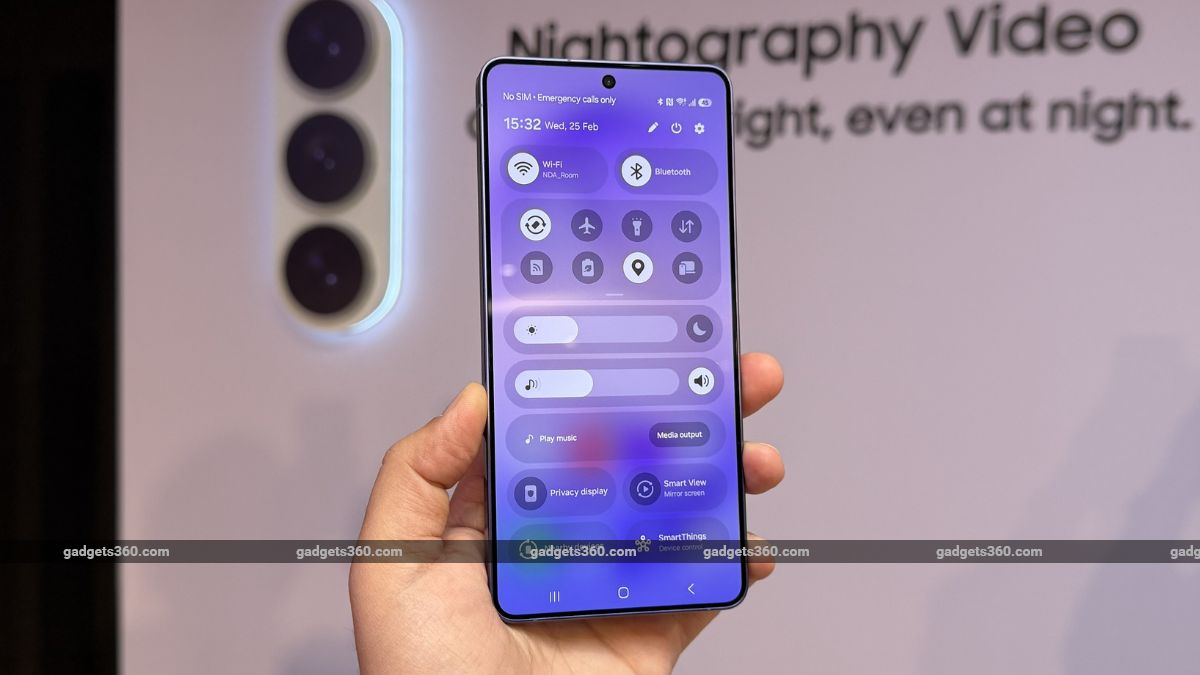
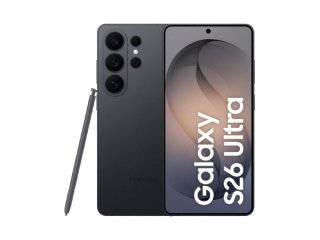
The Galaxy S26 Ultra is powered by the custom Snapdragon 8 Elite Gen 5 for Galaxy chipset
Click Here to Add Gadgets360 As A Trusted Source

 Samsung Galaxy S26 Ultra FAQs
Advertisement
As smartphones increasingly rely on AI-driven personalisation, more sensitive information — from banking apps and OTPs to private messages — is visible on-screen. For this, Samsung's newly launched Galaxy S26 Ultra brings a potentially game-changing feature. The South Korean tech conglomerate has introduced a new display technology that aims to enhance on-device privacy. Called Privacy Display, the feature is built directly into the handset's screen and is designed to limit side-angle visibility without affecting the user's viewing experience. The company says this is the mobile industry's first integrated privacy display at the hardware level, combining display engineering with software controls.
What Is Privacy Display?
Privacy Display on the Galaxy S26 Ultra is a screen feature that is designed to manage the emission of light from pixels on the screen. Unlike the traditional privacy screen protectors that are stick-on and reduce the brightness of the screen, the Privacy Display on the Galaxy S26 Ultra is embedded in the screen.
- Samsung Galaxy S26 Ultra or Samsung Galaxy Z Fold8 Ultra. What would you choose in terms of productivity?
- Samsung Galaxy S26 Ultra camera processing finally sounds less aggressive now
- Samsung Galaxy S26 Ultra Feels Cooler During Android Auto Use
- Samsung Galaxy S26 Ultra's Display Looks Better Side-by-Side
- Samsung Galaxy S26 Ultra's Privacy Display Is Surprisingly Handy at Airports
When the feature is disabled, the screen behaves like any other high-resolution flagship display, with full brightness, colour gamut, and viewing angles. When enabled, the screen does not allow viewing from side angles, making it difficult for others to view what is being displayed on the screen.
According to Samsung, users can set the times when Privacy Display is activated. For example, it can be set to turn on automatically when entering PINs, patterns, or passwords, or when launching certain apps like banking or messaging apps. This feature can also be turned on and off depending on the environment.
The Galaxy S26 Ultra also offers adjustable privacy levels. The Partial Screen Privacy mode limits visibility for specific elements such as notification pop-ups, while Maximum Privacy Protection further restricts side-angle visibility for added discretion. Samsung says the system works in both portrait and landscape orientations and has minimal impact on battery life.
How Flex Magic Pixel Technology Works
At the core of the Privacy Display is what Samsung refers to as Flex Magic Pixel technology. As the company describes, it works by controlling how pixels disperse light across different angles. This system uses a combination of narrow and wide pixels embedded within the display panel.
When Privacy Display is turned off, the screen primarily utilises wide pixels, which disperse light more broadly. This ensures wide viewing angles and consistent image quality from multiple directions, similar to other AMOLED panels.
However, when Privacy Display is activated, the system switches to narrow pixels. Samsung says these pixels are engineered to control and restrict how light spreads from the screen. The light dispersion angle is altered so that the content remains clear and bright to the person directly in front of the screen, while significantly reducing visibility from the sides.
Since Flex Magic Pixel operates at the pixel level, Samsung claims to preserve the overall display quality and eliminate issues like dimming or colour distortion — two effects when using less complex solutions like a privacy screen protector.
Samsung Galaxy S26 Ultra FAQsWhat are the main features of the Samsung Galaxy S26 Ultra?
The Samsung Galaxy S26 Ultra is available with 16GB of RAM paired with 512GB of internal storage, along with 12GB of extended RAM support. It features a dual rear camera setup comprising a 200MP main camera, a 50MP ultrawide, and 50MP 10MP telephoto cameras, along with a 12MP front-facing selfie camera. The phone supports fast charging with 60W wired charging and 25W wireless charging, backed by a 5000mAh battery. It is powered by the Snapdragon 8 Elite Gen 5 for Galaxy processor and comes with a 6.9-inch QHD Dynamic AMOLED 2X display that supports up to a 120Hz refresh rate. The Samsung Galaxy S26 Ultra is available in 4 colour options.
When was the Samsung Galaxy S26 Ultra released?
The Samsung Galaxy S26 Ultra was launched on February 25, 2026
Where can I buy the Samsung Galaxy S26 Ultra?
You can buy the Samsung Galaxy S26 Ultra through the official Samsung website, e-commerce platforms such as Amazon, and select retail stores across India.
- REVIEW
- KEY SPECS
- NEWS
- Good
- Lighter IP68 rated design
- Privacy Display is handy and practical
- One UI gets smarter with better AI integrations
- Fast-charging finally
- Impressive video recording capability
- Bad
- 3x telephoto camera needs work
- Low-light performance could have been better
- Selfies don?t show accurate edge-detection
- S Pen cannot be used as camera remote
Read detailed Samsung Galaxy S26 Ultra review
Display 6.90-inch
Front Camera 12-megapixel
Rear Camera 200-megapixel + 50-megapixel + 50-megapixel + 10-megapixel
RAM 12GB, 16GB
Storage 256GB, 512GB, 1024GB
Battery Capacity 5000mAh
OS Android 16
Resolution 1,440x3,120 pixels
Comments
Get your daily dose of tech news, reviews, and insights, in under 80 characters on Gadgets 360 Turbo. Connect with fellow tech lovers on our Forum. Follow us on X, Facebook, WhatsApp, Threads and Google News for instant updates. Catch all the action on our YouTube channel.
Related Stories


Advertisement
Follow Us




-
![[Sponsored]: CP PLUS CarKam CP-F89B: 4K Dashcam With Rear Camera, GPS & Emergency Recording](https://www.gadgets360.com/static/desktop/images/spacer.png)
04:37
[Sponsored]: CP PLUS CarKam CP-F89B: 4K Dashcam With Rear Camera, GPS & Emergency Recording -
04:23
[Partner Content] Your Phone Can Do WAY More Than You Think | OPPO ColorOS 16 -
01:59
Samsung Galaxy Z Fold8 Ultra: Unfold the Ultra Night -
03:24
Apple Pay Launches In India: Supported Devices, Cards And Payments Explained -
00:21
[Sponsored] Samsung Galaxy Z Fold8, Fold8 Ultra
-
Amazon Great Indian Festival Sale: iPhone 17 Pro पर बंपर डील
-
Flipkart Big Billion Days Sale: ₹8K से सस्ता मिल रहा Google Pixel 10a
-
भारत में दुनिया का सबसे सस्ता इंटरनेट, 1GB की कीमत सिर्फ 8 रुपये
-
Amazon Great Indian Festival Sale 2026: ₹10 हजार से सस्ते खरीदें 5000mAh बैटरी, AI कैमरा वाले ये धांसू फोन
Advertisement
Popular on Gadgets
- Samsung Galaxy S26 Ultra
- Motorola Razr Fold
- ChatGPT
- OPPO Find N6
- Mobiles Under Rs. 40,000
- Vivo X300 Ultra
- Asus Zenbook S14
- iQOO 15
- Vivo X300 Pro
- Lenovo Yoga Slim 7i Aura Edition
- iQOO 15R
- Vivo X Fold 5
- Sony PlayStation 5
- HP OmniPad 12
- OnePlus Nord CE 6 Lite
- OnePlus Pad 4
- OPPO F33 Pro 5G
- Cryptocurrency
- HP OmniBook Ultra 14 (2026)
- iPhone 17
- Eureka Forbes AP 355 Room Air Purifier
- Latest Mobile Phones
- Compare Phones
Latest Gadgets
- Vivo Y600s Pro
- Vivo Y32 (2026)
- Infinix Smart 20 HD
- Vivo V80
- Vivo S2 FE
- Vivo Y600K Turbo
- Realme P4s Lite
- Vivo S60t
- Dell Pro Rugged 14
- Dell Pro Rugged 13 Extreme
- Amazon Alexa Tablet 8
- Amazon Alexa Tablet 11
- Amazfit T-Rex Dual Solar
- OPPO Watch S2
- Toshiba 65-Inch 4K Ultra HD Smart Mini LED QLED TV (65Z670SP)
- Haier M70 Mini LED 65-inch
- Acer Predator Atlas 8
- Asus ROG Ally
- Blue Star 1.5 Ton 5 Star Inverter Split AC (IE518ZNURS)
- Blue Star 2 Ton 3 Star Inverter Window AC (WIE324L)

- About Us
- Sitemaps
- Feedback
- Archives
- Contact Us
- RSS
- Advertise
- Career
- Privacy Policy
- Ethics
- Editorial Policy
- Terms & Conditions
- Complaint Redressal
Download Our Apps
Available in Hindi
© Copyright Red Pixels Ventures Limited 2026. All rights reserved.