-
 OpenAI GPT-6 Introduces Intelligent UI With Interactive Tools, Faster Responses and More8 October 2026
 -
Google Gemini Plans Get New Limits: Free Users Lose Flash, AI Pro Gets Deep Think5 October 2026
-
Fireflies.ai Launches Talk for Voice Dictation Across Email, Slack, Documents and More30 September 2026
-
OpenAI Introduces ChatGPT Dots: 4000+ Apps Support, Availability, and More Explained30 September 2026
-
OpenAI Sets Up Australia Task Force After AI Models Accessed Government Websites Without Authorisation29 September 2026
- Home
- Mobiles
- Mobiles Features
- What Is On Device AI and Why Does It Matter for Your Next Phone?
What Is On-Device AI and Why Does It Matter for Your Next Phone?
A capable AI engine can improve low-light photography, make voice assistants more responsive, and translate conversations in real time.
Written by Sucharita Ganguly, Edited by David Delima | Updated: 11 July 2026 14:00 IST
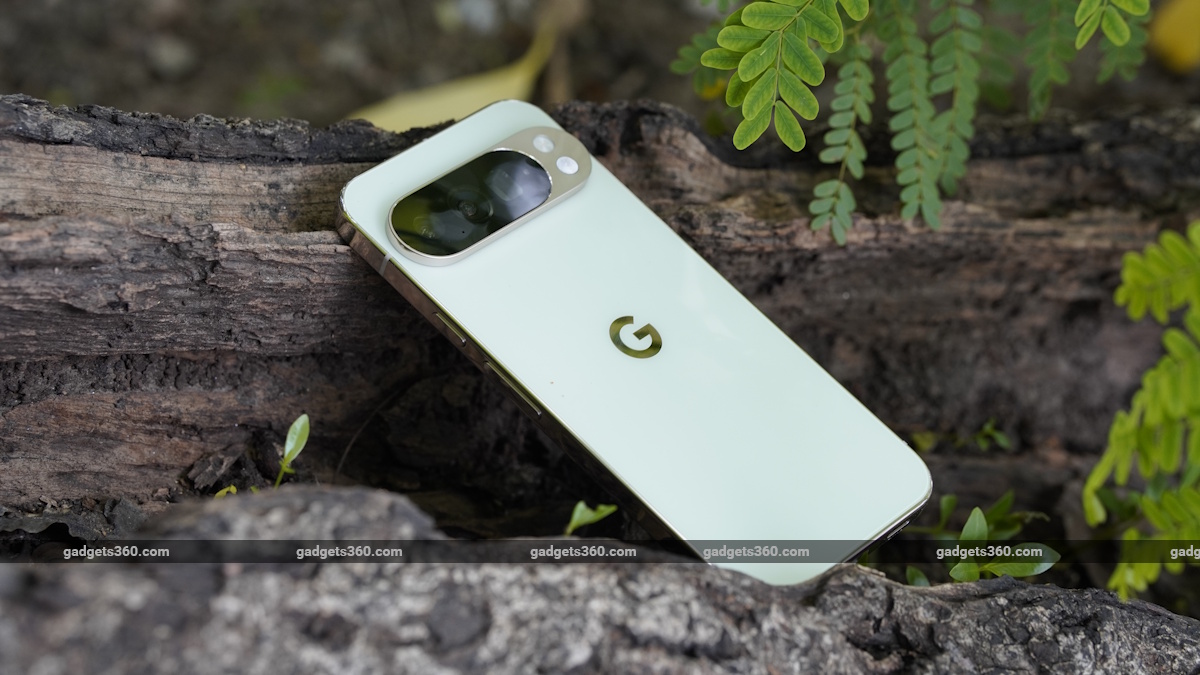
Modern smartphones rely on dedicated AI hardware
Click Here to Add Gadgets360 As A Trusted Source

Advertisement
Artificial intelligence (AI) is quickly becoming one of the biggest selling points of modern smartphones, with brands promoting features such as AI photo editing, live translation, call summaries and writing assistance. While many of these tools rely on the cloud, an increasing number now run directly on the device itself. This shift is making smartphones faster, more private and capable of handling several AI tasks even without an internet connection. Here's what on-device AI is, how it works and why it matters when buying your next phone.
What Is On-Device AI and How Does It Work?
If you've used features like Magic Eraser, Live Translate, Circle to Search or AI-powered photo editing on a recent smartphone, you've probably already experienced on-device AI without realising it.
In simple terms, on-device AI means artificial intelligence that runs directly on your smartphone instead of sending every request to a cloud server. Think of it as your phone handling many AI tasks on its own rather than relying on an internet connection each time.
This is possible because modern smartphone chipsets include a dedicated Neural Processing Unit, or NPU. Unlike the CPU, which handles general computing tasks, or the GPU, which focuses on graphics, an NPU is built specifically to process AI workloads efficiently. It can quickly recognise objects in photos, understand speech, translate languages and summarise text while using less power.
That doesn't mean every AI feature runs entirely on your phone. Many smartphones use a hybrid approach, where routine tasks are processed locally, while more complex requests, such as generating detailed images or answering complicated questions, are handled by cloud-based AI models.
Why On-Device AI Is Becoming Essential for Smartphones
You may not notice it, but on-device AI is quietly changing how smartphones work behind the scenes. Because many AI tasks are processed locally, features such as live translation, voice transcription and AI-powered photo editing can respond almost instantly without waiting for data to travel to a remote server.
Another major advantage is privacy. Many AI tools work with personal information, including photos, messages and voice recordings. Keeping more of that processing on the device means less data needs to be shared externally.
Local AI processing also allows several features to continue working even without an internet connection. Translation, transcription, and some editing tools remain available while travelling or in places with poor network coverage.
Beyond that, AI has become part of the everyday smartphone experience. It helps cameras recognise scenes before you take a photo, reduces background noise during calls, organises photo libraries, suggests replies to messages and strengthens security features such as face unlock and fingerprint recognition.
Why Does On-Device AI Matter for Your Next Phone?
When buying a smartphone, most people compare the camera, battery, display and processor. Increasingly, however, the quality of its on-device AI is becoming just as important because it determines how well many modern features perform.
A capable AI engine can improve low-light photography, make voice assistants more responsive, summarise notes or calls, remove unwanted objects from images and offer smarter writing and editing tools. It can also support new features that manufacturers introduce through future software updates.
It's also worth remembering that not all AI phones are created equal. Two devices may advertise similar AI capabilities, but differences in their processor, memory and dedicated AI hardware can affect how quickly features work, how accurate they are and whether they run on the device or depend on the cloud.
As smartphone makers continue to build AI into more parts of the user experience, on-device AI is evolving from a premium feature into an essential part of choosing your next phone. Alongside the camera, battery life and performance, it is likely to become one of the key factors that shape how useful your smartphone remains over the years.
1. What is the difference between on-device AI and cloud AI?
On-device AI handles tasks directly on your smartphone, while cloud AI sends your data to remote servers for processing. This makes on-device AI faster for many everyday features and generally better for privacy, while cloud AI is better equipped to handle more complex AI tasks.
2. Does on-device AI work without an internet connection?
Yes, many on-device AI features can work offline because they are processed locally. However, some advanced features, such as generating detailed images or handling complex queries, may still require an internet connection.
3. Do all AI smartphones offer the same on-device AI features?
No. The quality of on-device AI depends on the phone's processor, Neural Processing Unit, memory and software. Two smartphones may advertise similar AI features, but their performance and the number of tasks they can process locally can differ.
Comments
Get your daily dose of tech news, reviews, and insights, in under 80 characters on Gadgets 360 Turbo. Connect with fellow tech lovers on our Forum. Follow us on X, Facebook, WhatsApp, Threads and Google News for instant updates. Catch all the action on our YouTube channel.
Further reading:
Artificial Intelligence, AI, On device AI, Cloud AI, AI smartphones, NPU, Generative AI, AI features
Related Stories







Advertisement
Follow Us




-
![[Sponsored]: CP PLUS CarKam CP-F89B: 4K Dashcam With Rear Camera, GPS & Emergency Recording](https://www.gadgets360.com/static/desktop/images/spacer.png)
04:37
[Sponsored]: CP PLUS CarKam CP-F89B: 4K Dashcam With Rear Camera, GPS & Emergency Recording -
04:23
[Partner Content] Your Phone Can Do WAY More Than You Think | OPPO ColorOS 16 -
01:59
Samsung Galaxy Z Fold8 Ultra: Unfold the Ultra Night -
03:24
Apple Pay Launches In India: Supported Devices, Cards And Payments Explained -
00:21
[Sponsored] Samsung Galaxy Z Fold8, Fold8 Ultra
-
Amazon Great Indian Festival Sale: iPhone 17 Pro पर बंपर डील
-
Flipkart Big Billion Days Sale: ₹8K से सस्ता मिल रहा Google Pixel 10a
-
भारत में दुनिया का सबसे सस्ता इंटरनेट, 1GB की कीमत सिर्फ 8 रुपये
-
Amazon Great Indian Sale 2026: ₹20 हजार से सस्ते iQOO, Samsung, OnePlus के धांसू फोन, 7000mAh बैटरी
-
Flipkart Big Billion Sale 2026: ₹30 हजार से सस्ते खरीदें Motorola, Vivo, Samsung के 7,000mAh बैटरी वाले फोन
Advertisement
Popular on Gadgets
- Samsung Galaxy S26 Ultra
- Motorola Razr Fold
- ChatGPT
- OPPO Find N6
- Mobiles Under Rs. 40,000
- Vivo X300 Ultra
- Asus Zenbook S14
- iQOO 15
- Vivo X300 Pro
- Lenovo Yoga Slim 7i Aura Edition
- iQOO 15R
- Vivo X Fold 5
- Sony PlayStation 5
- HP OmniPad 12
- OnePlus Nord CE 6 Lite
- OnePlus Pad 4
- OPPO F33 Pro 5G
- Cryptocurrency
- HP OmniBook Ultra 14 (2026)
- iPhone 17
- Eureka Forbes AP 355 Room Air Purifier
- Latest Mobile Phones
- Compare Phones
Latest Gadgets
- Vivo Y600s Pro
- Vivo Y32 (2026)
- Infinix Smart 20 HD
- Vivo V80
- Vivo S2 FE
- Vivo Y600K Turbo
- Realme P4s Lite
- Vivo S60t
- Dell Pro Rugged 14
- Dell Pro Rugged 13 Extreme
- Amazon Alexa Tablet 8
- Amazon Alexa Tablet 11
- Amazfit T-Rex Dual Solar
- OPPO Watch S2
- Toshiba 65-Inch 4K Ultra HD Smart Mini LED QLED TV (65Z670SP)
- Haier M70 Mini LED 65-inch
- Acer Predator Atlas 8
- Asus ROG Ally
- Blue Star 1.5 Ton 5 Star Inverter Split AC (IE518ZNURS)
- Blue Star 2 Ton 3 Star Inverter Window AC (WIE324L)

- About Us
- Sitemaps
- Feedback
- Archives
- Contact Us
- RSS
- Advertise
- Career
- Privacy Policy
- Ethics
- Editorial Policy
- Terms & Conditions
- Complaint Redressal
Download Our Apps
Available in Hindi
© Copyright Red Pixels Ventures Limited 2026. All rights reserved.