-
 Samsung Reportedly Plans to Launch Galaxy Book Models With Android-Based One UI 9 Soon30 April 2026
 -
Samsung Galaxy S27 Tipped to Arrive With Redesigned Camera Layout to Accomodate Qi2 Magnetic Charging29 April 2026
-
Samsung Exynos 2700 Will Reportedly Feature New SoC, DRAM Packaging for Improved Thermal Management28 April 2026
-
Samsung Wallet Update Adds ‘Trips’ Feature With Unified View of All Travel Plans28 April 2026
-
Samsung Galaxy Glasses to Reportedly Feature Ray-Ban Meta-Like Design, Gemini Integration28 April 2026
- Home
- Mobiles
- Mobiles News
- Samsung Hits Record Revenue in Q1 This Year, Expects Memory Shortage to Last Beyond 2027
Samsung Hits Record Revenue in Q1 This Year, Expects Memory Shortage to Last Beyond 2027
Samsung expects continued strong demand for memory in the second half of this year, driven by the AI infrastructure and services.
Written by Nithya P Nair, Edited by Ketan Pratap | Updated: 1 May 2026 10:44 IST
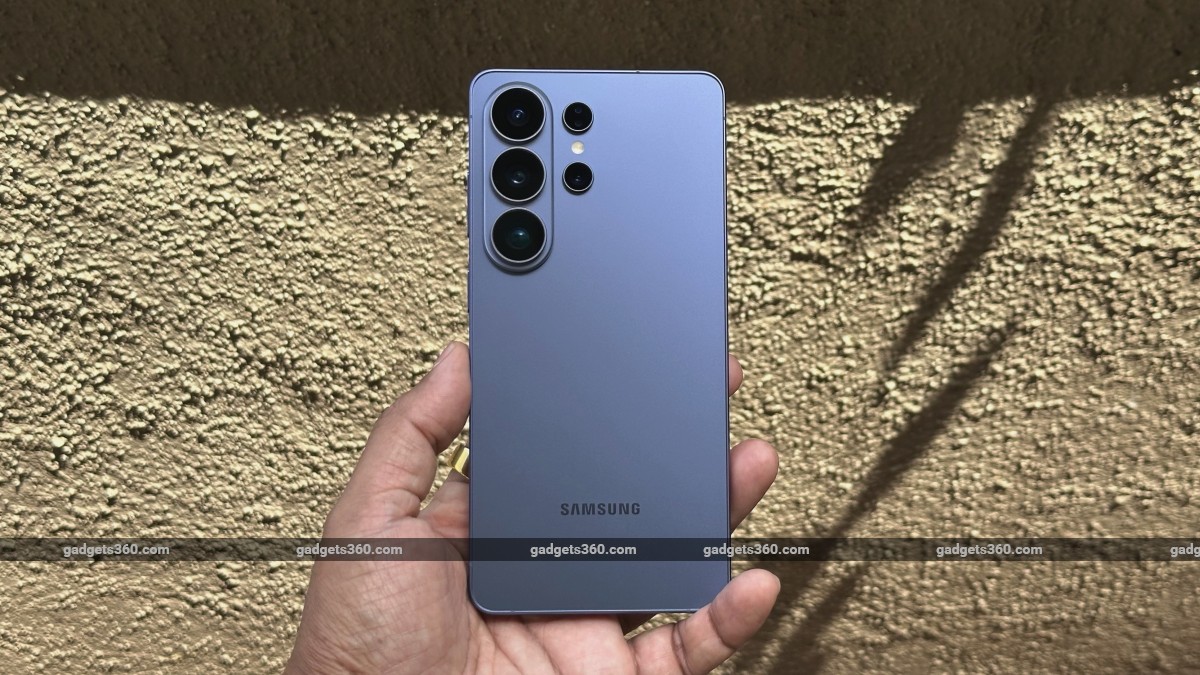
Samsung's Visual Display and Digital Appliances businesses generated KRW 14.3 trillion in revenue
Click Here to Add Gadgets360 As A Trusted Source

Advertisement
Samsung Electronics posted record revenue for the first quarter ending March 31, 2026, marking a 43 percent increase over the previous quarter. It reported a consolidated revenue of KRW 133.9 trillion (roughly Rs. 8,00,000 crore) for the Q1 and posted a record operating profit. However, earnings from the foundry business declined in the first quarter. During its Q1 earnings call, Samsung reportedly predicted that the ongoing memory shortage is unlikely to ease before 2027. The company expects the situation could become even more severe in the coming days.
Samsung Electronics Posts Record Q1 Profit
Samsung Electronics reported record quarterly profit for the January March period this year, with consolidated revenue reaching an all-time high of KRW 133.9 trillion and operating profit hitting an all-time high of KRW 57.2 trillion (roughly Rs. 3,00,000 crore). The growth was driven mainly by the brand's Device Solutions (DS) Division, especially the Memory Business, which benefited from the AI demand and the technological leadership in the memory market.
- Samsung Galaxy S26 Ultra for Content Creation
- Samsung Galaxy S26 Ultra's LOG Video Presets
- Samsung Galaxy S26 for Long-Term Use
- Samsung Galaxy S26 Ultra vs iPhone 17 Pro Max: Which one is more ergonomic?
- Samsung Galaxy S26 Ultra vs iPhone 17 Pro Max: Is Samsung's ecosystem Integration finally catching up?
The MX and Networks businesses of Samsung posted KRW 38.1 trillion (roughly Rs. 2,04,000 crore) in consolidated revenue and KRW 2.8 trillion (roughly Rs. 18,000 crore) in operating profit for the first quarter. The sale of premium smartphones helped the Device eXperience (DX) Division post a QoQ sales increase of 19 percent. However, Samsung says some departments, such as the Foundry Business and the Display division, were down due to seasonal effects, higher memory prices, and cost pressures.
Samsung's Display Corporation (SDC) posted KRW 6.7 trillion (roughly Rs. 40,000 crore) in consolidated revenue and KRW 0.4 trillion in operating profit for the first quarter. The SDC reported a decline in earnings for the small and medium display business due to seasonal effects and the impact of higher memory prices. Demand for OLED gaming monitors helped the department maintain stable sales.
For the second half of this year, Samsung expects continued strong demand for memory, driven by AI infrastructure and services, while planning further growth through flagship devices, foldables, and advanced chips, including the development of the 1.4nm node and a second-generation 2nm process.
Samsung's Visual Display (VD) and Digital Appliances (DA) businesses generated KRW 14.3 trillion in revenue and KRW 0.2 trillion (roughly Rs. 1,200 crore) in operating profit in Q1 2026. Harman's earnings declined in Q1 due to higher costs and seasonal factors, but the brand says the sales will improve later this year, backed by automotive supply and premium audio sales.
Samsung Flags Prolonged Memory Crunch
Additionally, Reuters reports that during its earnings call, Samsung warned that the ongoing memory chip crunch will persist into next year and the supply shortage will worsen in 2027. "Our supply falls far short of customer demand," Kim Jaejune, a Samsung memory chip business executive, reportedly said. "Based solely on the demand currently received for 2027, the supply-to-demand gap for 2027 is set to widen even further than in 2026."
Comments
Get your daily dose of tech news, reviews, and insights, in under 80 characters on Gadgets 360 Turbo. Connect with fellow tech lovers on our Forum. Follow us on X, Facebook, WhatsApp, Threads and Google News for instant updates. Catch all the action on our YouTube channel.
Further reading:
Samsung, Samsung Q1, Samsung Q1 Earnings, Memory Crunch, Samsung Foundry, Samsung mobile division
Related Stories


Advertisement
Follow Us




-
![[Sponsored] Candlelight. Night vibes. Incredible video. This is low-light videography on Galaxy S26 Ultra](https://www.gadgets360.com/static/desktop/images/spacer.png)
01:10
[Sponsored] Candlelight. Night vibes. Incredible video. This is low-light videography on Galaxy S26 Ultra -
01:11
[Sponsored] Who needs bulky gear when your phone shoots like this? -
04:49
Realme 16 Review: Air Design, 7000mAh, And More | Best Phone Under 35000 In 2026? -
05:05
Goboult Mustang Racer Smartwatch Review: Should You Get This Mustang Smartwatch? -
04:58
OnePlus Nord Buds 4 Pro Review: Specs, Sound Quality, ANC, and Battery Backup Tested
-
16 हजार रुपये सस्ता मिल रहा Vivo का फोल्डेबल स्मार्टफोन, ये है ऑफर
-
खो गया है आपका स्मार्टफोन तो फाइंड माय डिवाइस फीचर से ऐसे खोजें
-
50MP कैमरा, 6000mAh बैटरी के साथ Poco C81 Pro लॉन्च, जानें सबकुछ
-
UPI से गलत जगह भेज दिया पैसा? तुरंत करें ये काम, वरना वापस मिलना मुश्किल
-
Open AI लॉन्च करेगी खुद का स्मार्टफोन? कई Apps की हो सकती है छुट्टी!
Advertisement
Popular on Gadgets
- Samsung Galaxy Unpacked 2026
- iPhone 17 Pro Max
- ChatGPT
- iOS 26
- Laptop Under 50000
- Smartwatch Under 10000
- Apple Vision Pro
- Oneplus 12
- OnePlus Nord CE 3 Lite 5G
- iPhone 13
- Xiaomi 14 Pro
- Oppo Find N3
- Tecno Spark Go (2023)
- Realme V30
- Best Phones Under 25000
- Samsung Galaxy S24 Series
- Cryptocurrency
- iQoo 12
- Samsung Galaxy S24 Ultra
- Giottus
- Samsung Galaxy Z Flip 5
- Apple 'Scary Fast'
- Housefull 5
- GoPro Hero 12 Black Review
- Invincible Season 2
- JioGlass
- HD Ready TV
- Latest Mobile Phones
- Compare Phones
Latest Gadgets
- Moto G47
- Motorola Razr 2026
- Motorola Razr+ 2026
- Motorola Razr Ultra 2026
- Moto G37
- Moto G37 Power
- Moto G87
- OnePlus Ace 6 Ultra
- Dell XPS 16
- Dell XPS 14
- OnePlus Pad 4
- Redmi Pad 2 9.7 4G
- NoiseFit Diva Araya
- OPPO Watch X3 Mini
- Xiaomi TV S Mini LED 2026 (75-inch)
- Xiaomi TV S Mini LED 2026 (65-inch)
- Asus ROG Ally
- Nintendo Switch Lite
- Voltas 1 Ton 3 Star Inverter Split AC (183V Vectra Zenith Silver(4503752))
- Voltas 1 Ton 3 Star Inverter Split AC (123V Vertis Smart Elite Gold(4503704))

- About Us
- Sitemaps
- Feedback
- Archives
- Contact Us
- RSS
- Advertise
- Career
- Privacy Policy
- Ethics
- Editorial Policy
- Terms & Conditions
- Complaint Redressal
Download Our Apps
Available in Hindi
© Copyright Red Pixels Ventures Limited 2026. All rights reserved.