-
 Xiaomi 18 Pro First Look9 October 2026
 -
Amazon Great Indian Festival 2026: Best 65-Inch Smart TV Deals8 October 2026
-
Amazon Great Indian Festival 2026: Best Deals on Redmi and Xiaomi Phones8 October 2026
-
Amazon Great Indian Festival Smartphone Deals: Samsung Galaxy S25 Ultra, iPhone 16 Get Big Discounts7 October 2026
-
Xiaomi Festive Offers Announced: Xiaomi 17 Ultra, Redmi Turbo 5, Mijia Air Purifier 4 Compact and More5 October 2026
- Home
- Mobiles
- Mobiles Sponsored
- Why Zoom Is Becoming Smartphone Photography’s Biggest Challenge, And Opportunity
Sponsored Content
Why Zoom Is Becoming Smartphone Photography’s Biggest Challenge, And Opportunity
By Sponsored Content | Updated: 27 May 2026 16:25 IST
Click Here to Add Gadgets360 As A Trusted Source

For years, smartphone cameras have improved in ways people could instantly notice. Better portraits. Brighter night shots. Sharper selfies. Smarter AI. Bigger megapixel numbers. Every new launch promised a better camera experience, and to be fair, smartphones today are genuinely excellent at the basics.
Which is exactly why the conversation around smartphone photography is beginning to shift.
The real challenge now is not capturing what is close to you. It is capturing what is far away.
The Moments People Actually Use Zoom For
Think about the moments people actually use zoom for. A child performing on stage during a school event. A concert viewed from the stands. A beautiful architectural detail spotted while travelling. A player celebrating during a match. A candid moment happening just a little too far away to physically move closer.
These are not edge cases anymore. They are everyday situations. And very often, they are also the moments where even premium smartphone cameras begin to struggle.
The experience feels familiar to almost everyone. You zoom in expecting to capture the moment, but the image quickly starts falling apart. Faces lose clarity. Details soften. Textures begin to look artificial. The photo no longer feels like what your eyes were actually seeing.
And strangely, this still happens on many expensive smartphones.
Why Software Alone Cannot Fix Zoom
For years, smartphone photography evolved largely through software. AI became smarter at brightening scenes, sharpening faces, reducing noise, and making photos look more polished instantly. Computational photography changed what smartphone cameras were capable of.
But zoom is exposing the limits of software-first photography.
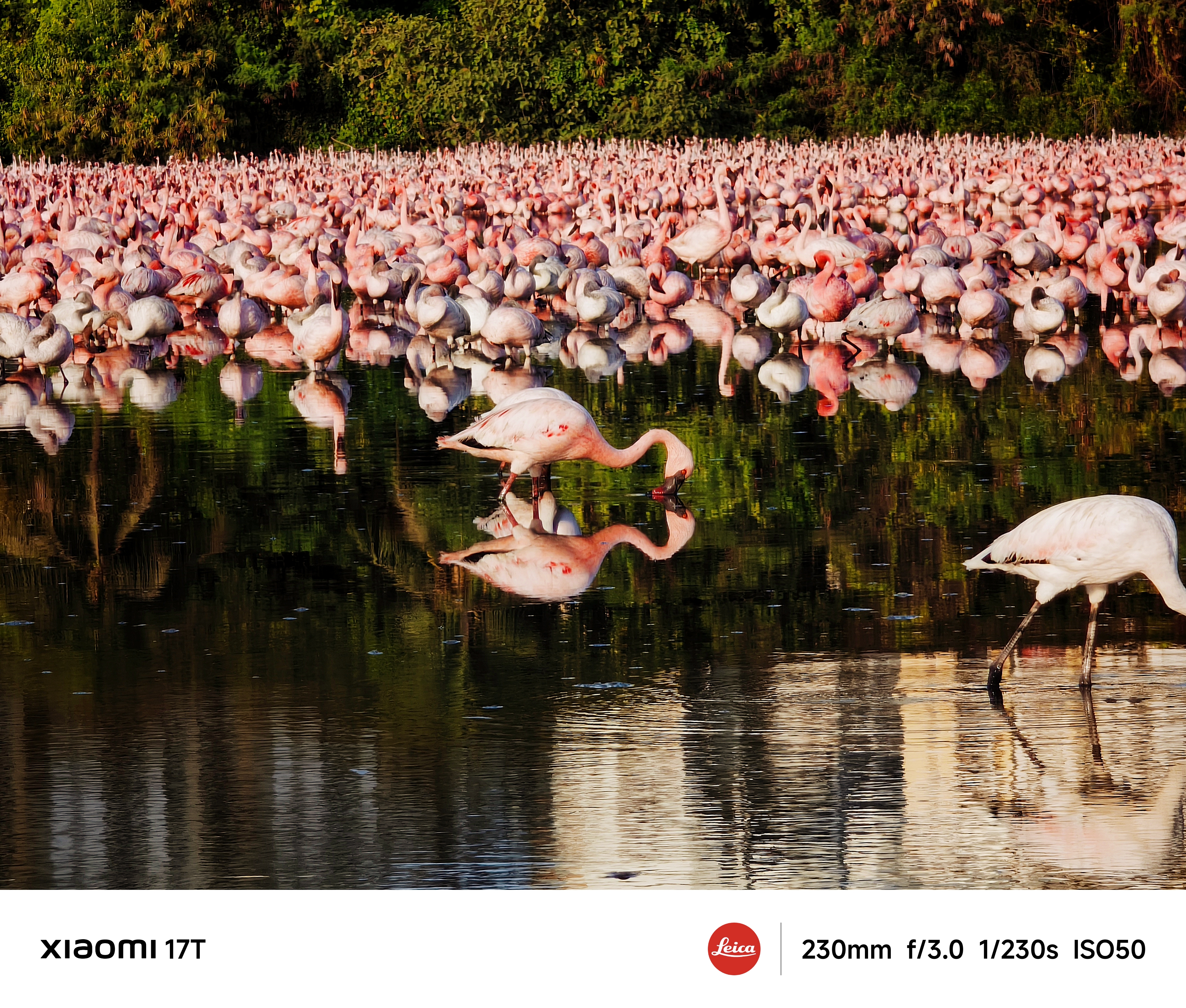
Because when a subject is physically far away, the camera first needs enough real visual information to work with. If the camera cannot properly capture those details optically, software can only do so much before the image starts looking unnatural.
That is why optical zoom is becoming important again.
Unlike digital zoom, which essentially enlarges and crops an image, true optical zoom systems are designed to physically capture more detail from a distance. AI can help enhance an image, but it cannot recreate details that were never captured in the first place. Modern periscope-style cameras are helping smartphones see farther while retaining clarity, texture, and depth in a way digital zoom alone often cannot.
The Difference Feels Obvious In Real Life
And the difference becomes obvious in real-world use.
A photo taken from the back row of an auditorium still looks sharp enough to keep. Facial expressions remain visible. Buildings retain texture. Concert shots still feel alive instead of blurry and overprocessed. The camera feels dependable in situations where people usually expect quality to collapse.
That reliability matters more than ever because for most people, their smartphone is now their only camera.
It captures vacations, birthdays, performances, celebrations, travel memories, and fleeting moments that cannot be recreated. And many of those moments naturally happen from a distance.
Smartphone Photography Is Becoming More Emotional
This is also where the overall smartphone photography experience is beginning to evolve beyond just hardware specifications.
Features like Leica Live Photos on the Xiaomi 17T reflect that shift. Instead of capturing just a single frame, the camera captures moments before and after the shutter is pressed, allowing users to choose the perfect expression or moment later. Sometimes the best memory is not the exact second you clicked, but the split second around it.
At the same time, smartphone users today are also paying greater attention to how photos feel, not just how sharp they look. Natural skin tones, cinematic contrast, and authentic color reproduction are becoming just as important as megapixel counts.
This is where Leica's imaging collaboration with Xiaomi is beginning to stand out. For years, Leica photography was associated with professional cameras and premium visual storytelling. Devices like the Xiaomi 17T are now helping bring that distinctive Leica color science and imaging experience to a much wider audience.
Why Zoom Is Becoming The New Flagship Feature
Which is why zoom is quietly becoming one of the biggest differentiators in smartphone photography today.
Not because bigger zoom numbers look impressive on a spec sheet, but because good zoom genuinely changes the experience of capturing memories.
At the end of the day, nobody thinks about camera technology while taking a photo. People are not thinking about sensors, focal lengths, or computational imaging pipelines. They simply want the moment to look clear when they zoom in.
And increasingly, the smartphones that can do that well are the ones beginning to stand out.
Comments
Get your daily dose of tech news, reviews, and insights, in under 80 characters on Gadgets 360 Turbo. Connect with fellow tech lovers on our Forum. Follow us on X, Facebook, WhatsApp, Threads and Google News for instant updates. Catch all the action on our YouTube channel.
Further reading:
Xiaomi
Related Stories



Follow Us




-
![[Sponsored]: CP PLUS CarKam CP-F89B: 4K Dashcam With Rear Camera, GPS & Emergency Recording](https://www.gadgets360.com/static/desktop/images/spacer.png)
04:37
[Sponsored]: CP PLUS CarKam CP-F89B: 4K Dashcam With Rear Camera, GPS & Emergency Recording -
04:23
[Partner Content] Your Phone Can Do WAY More Than You Think | OPPO ColorOS 16 -
01:59
Samsung Galaxy Z Fold8 Ultra: Unfold the Ultra Night -
03:24
Apple Pay Launches In India: Supported Devices, Cards And Payments Explained -
00:21
[Sponsored] Samsung Galaxy Z Fold8, Fold8 Ultra
Popular on Gadgets
- Samsung Galaxy S26 Ultra
- Motorola Razr Fold
- ChatGPT
- OPPO Find N6
- Mobiles Under Rs. 40,000
- Vivo X300 Ultra
- Asus Zenbook S14
- iQOO 15
- Vivo X300 Pro
- Lenovo Yoga Slim 7i Aura Edition
- iQOO 15R
- Vivo X Fold 5
- Sony PlayStation 5
- HP OmniPad 12
- OnePlus Nord CE 6 Lite
- OnePlus Pad 4
- OPPO F33 Pro 5G
- Cryptocurrency
- HP OmniBook Ultra 14 (2026)
- iPhone 17
- Eureka Forbes AP 355 Room Air Purifier
- Latest Mobile Phones
- Compare Phones
Latest Gadgets
- Vivo Y600s Pro
- Vivo Y32 (2026)
- Infinix Smart 20 HD
- Vivo V80
- Vivo S2 FE
- Vivo Y600K Turbo
- Realme P4s Lite
- Vivo S60t
- Dell Pro Rugged 14
- Dell Pro Rugged 13 Extreme
- Amazon Alexa Tablet 8
- Amazon Alexa Tablet 11
- Amazfit T-Rex Dual Solar
- OPPO Watch S2
- Toshiba 65-Inch 4K Ultra HD Smart Mini LED QLED TV (65Z670SP)
- Haier M70 Mini LED 65-inch
- Acer Predator Atlas 8
- Asus ROG Ally
- Blue Star 1.5 Ton 5 Star Inverter Split AC (IE518ZNURS)
- Blue Star 2 Ton 3 Star Inverter Window AC (WIE324L)

- About Us
- Sitemaps
- Feedback
- Archives
- Contact Us
- RSS
- Advertise
- Career
- Privacy Policy
- Ethics
- Editorial Policy
- Terms & Conditions
- Complaint Redressal
Download Our Apps
Available in Hindi
© Copyright Red Pixels Ventures Limited 2026. All rights reserved.