- Home
- Others
- Others Features
- India’s Native Fast Breeder Reactor Reaches First Criticality: 5 Things to Know
India’s Native Fast Breeder Reactor Reaches First Criticality: 5 Things to Know
The Prototype Fast Breeder Reactor (PFBR) in Tamil Nadu successfully attained its first criticality.
Written by Akash Dutta, Edited by Ketan Pratap | Updated: 8 April 2026 15:14 IST
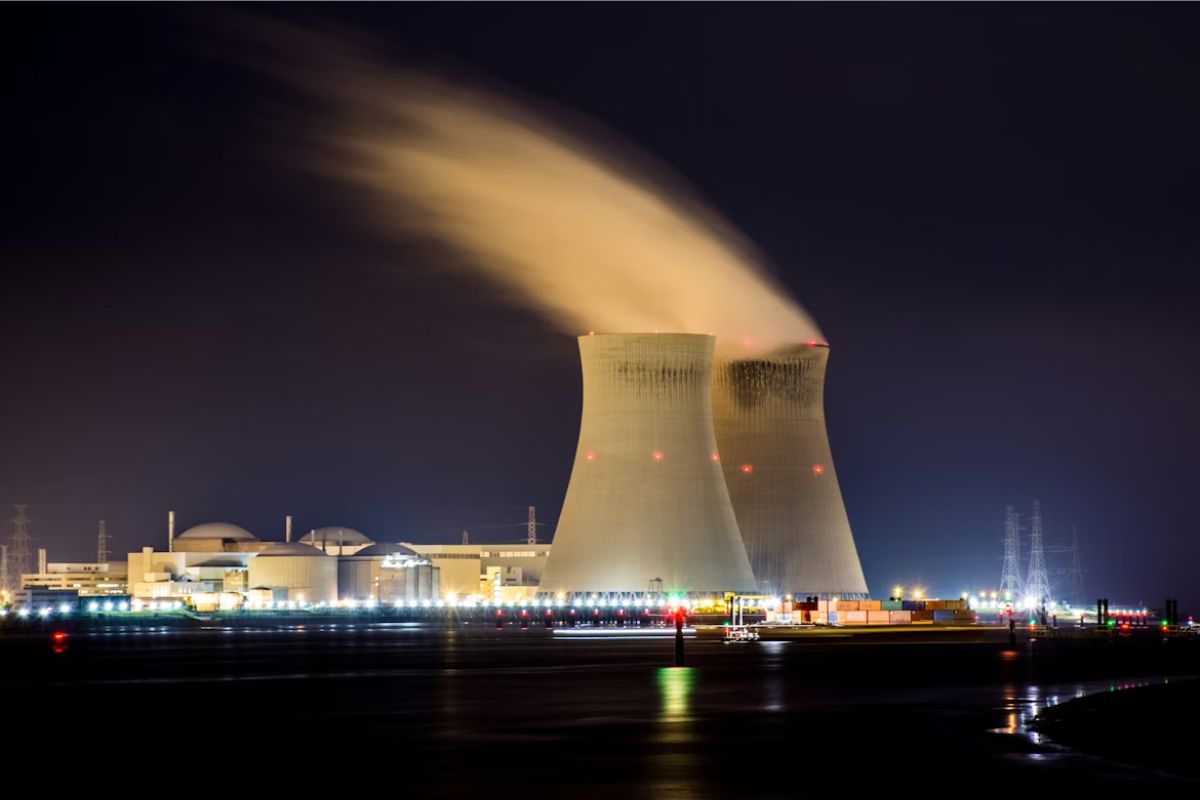
Photo Credit: Unsplash/Nicolas Hippert
The PFBR was developed by the Indira Gandhi Centre for Atomic Research (IGCAR)
Click Here to Add Gadgets360 As A Trusted Source

Advertisement
India has reached a significant milestone in its nuclear programme. On Tuesday, the Prototype Fast Breeder Reactor (PFBR) attained first criticality, an important stage where the reactor generates more fuel than it burns. Now that the PFBR is capable of sustained nuclear chain reaction, the programme will move towards the next stage, where it will use India's vast reserves of thorium. Prime Minister Narendra Modi called it a “defining step” in India's civil nuclear journey and congratulated the scientists and engineers associated with the project.
India's PFBR Achieves First Criticality: 5 Things to Know
-
What is a fast breeder reactor: The country's indigenously designed and built Prototype Fast Breeder Reactor (PFBR) is located at Kalpakkam in Tamil Nadu. A fast breeder reactor is a type of nuclear reactor that is designed to produce more fissile material than it consumes while generating electricity. It is different from thermal reactors that use fast neutrons to sustain the nuclear fission chain reaction.
-
What is first criticality: In a nuclear journey, when a reactor core is brought to a self-sustaining state is called first criticality. Put simply, this is the stage where a reactor's fission produces the same number of neutrons that are lost in generating energy. The stage provides both operational validation and safety clearance to move forward to the next stage.
-
PFBR overview: Developed by the Indira Gandhi Centre for Atomic Research (IGCAR), the PFBR uses Uranium-Plutonium Mixed Oxide (MOX) fuel. With liquid sodium as the coolant, the reactor is able to operate at high temperature without causing any operational issues. It is also called a closed fuel cycle since the spent fuel generated by the reactor is reprocessed and recycled.
-
India's nuclear energy landscape: Over the years, the country's nuclear programme has steadily contributed to the energy needs, powering 8.78GW of energy. Last year, indigenous nuclear power plants generated 56,681 million units of electricity, with a total share of 3.1 percent. With 700MW and 1,000MW reactors under development, the nuclear energy contribution is expected to reach 22.38GW by the end of 2032.
-
Long-term mission: In the Union Budget 2025-26, the Government has outlined the aim of reaching 100GW of nuclear power generation capacity by 2047. To drive it forward, the Nuclear Energy Mission has allocated Rs. 20,000 crore to design, develop, and operationalise Small Modular Reactors (SMRs). At least five such reactors are expected to be running by 2033.
Comments
Get your daily dose of tech news, reviews, and insights, in under 80 characters on Gadgets 360 Turbo. Connect with fellow tech lovers on our Forum. Follow us on X, Facebook, WhatsApp, Threads and Google News for instant updates. Catch all the action on our YouTube channel.


Advertisement
Follow Us




-
![[Sponsored]: CP PLUS CarKam CP-F89B: 4K Dashcam With Rear Camera, GPS & Emergency Recording](https://www.gadgets360.com/static/desktop/images/spacer.png)
04:37
[Sponsored]: CP PLUS CarKam CP-F89B: 4K Dashcam With Rear Camera, GPS & Emergency Recording -
04:23
[Partner Content] Your Phone Can Do WAY More Than You Think | OPPO ColorOS 16 -
01:59
Samsung Galaxy Z Fold8 Ultra: Unfold the Ultra Night -
03:24
Apple Pay Launches In India: Supported Devices, Cards And Payments Explained -
00:21
[Sponsored] Samsung Galaxy Z Fold8, Fold8 Ultra
-
Primebook 3 Max की सेल शुरू, स्टूडेंट्स के लिए ₹36 हजार में नया लैपटॉप
-
Flipkart Big Billion Days Sale 2026: Vivo के इन 5 स्मार्टफोन्स पर Deals
-
Lenovo Watch Fit 3 स्मार्टवॉच लॉन्च, 2.5D कर्व्ड ग्लास, 9 दिन बैटरी
-
Vivo X Fold 6 कल होगा भारत में लॉन्च, 7,000mAh हो सकती है बैटरी!
-
₹1,499 में itel Care फीचर फोन आया, बुजुर्गों के लिए खास फीचर्स से लैस
Advertisement
Popular on Gadgets
- Samsung Galaxy S26 Ultra
- Motorola Razr Fold
- ChatGPT
- OPPO Find N6
- Mobiles Under Rs. 40,000
- Vivo X300 Ultra
- Asus Zenbook S14
- iQOO 15
- Vivo X300 Pro
- Lenovo Yoga Slim 7i Aura Edition
- iQOO 15R
- Vivo X Fold 5
- Sony PlayStation 5
- HP OmniPad 12
- OnePlus Nord CE 6 Lite
- OnePlus Pad 4
- OPPO F33 Pro 5G
- Cryptocurrency
- HP OmniBook Ultra 14 (2026)
- iPhone 17
- Eureka Forbes AP 355 Room Air Purifier
- Latest Mobile Phones
- Compare Phones
Latest Gadgets
- Vivo Y600K Turbo
- Realme P4s Lite
- Vivo S60t
- OPPO F35 5G
- OPPO F35 Pro 5G
- Samsung Galaxy F08
- Samsung Galaxy M08
- OPPO K15x
- Dell 14 Plus 2-in-1 (AMD Ryzen AI 7 350, 2025)
- Microsoft Surface Laptop, 13-inch (2nd Edition)
- Samsung Galaxy Tab S12+
- Samsung Galaxy Tab S12 Ultra
- Amazfit T-Rex Dual Solar
- OPPO Watch S2
- Toshiba 65-Inch 4K Ultra HD Smart Mini LED QLED TV (65Z670SP)
- Haier M70 Mini LED 65-inch
- Acer Predator Atlas 8
- Asus ROG Ally
- Blue Star 1.5 Ton 5 Star Inverter Split AC (IE518ZNURS)
- Blue Star 2 Ton 3 Star Inverter Window AC (WIE324L)

- About Us
- Sitemaps
- Feedback
- Archives
- Contact Us
- RSS
- Advertise
- Career
- Privacy Policy
- Ethics
- Editorial Policy
- Terms & Conditions
- Complaint Redressal
Download Our Apps
Available in Hindi
© Copyright Red Pixels Ventures Limited 2026. All rights reserved.