- Home
- Science
- Science News
- Russia Patents Rotating Space Station Concept to Generate Artificial Gravity in Orbit
Russia Patents Rotating Space Station Concept to Generate Artificial Gravity in Orbit
Russia patents a rotating space station design aimed at creating artificial gravity for astronauts.
Written by Gadgets 360 Staff | Updated: 24 December 2025 23:15 IST
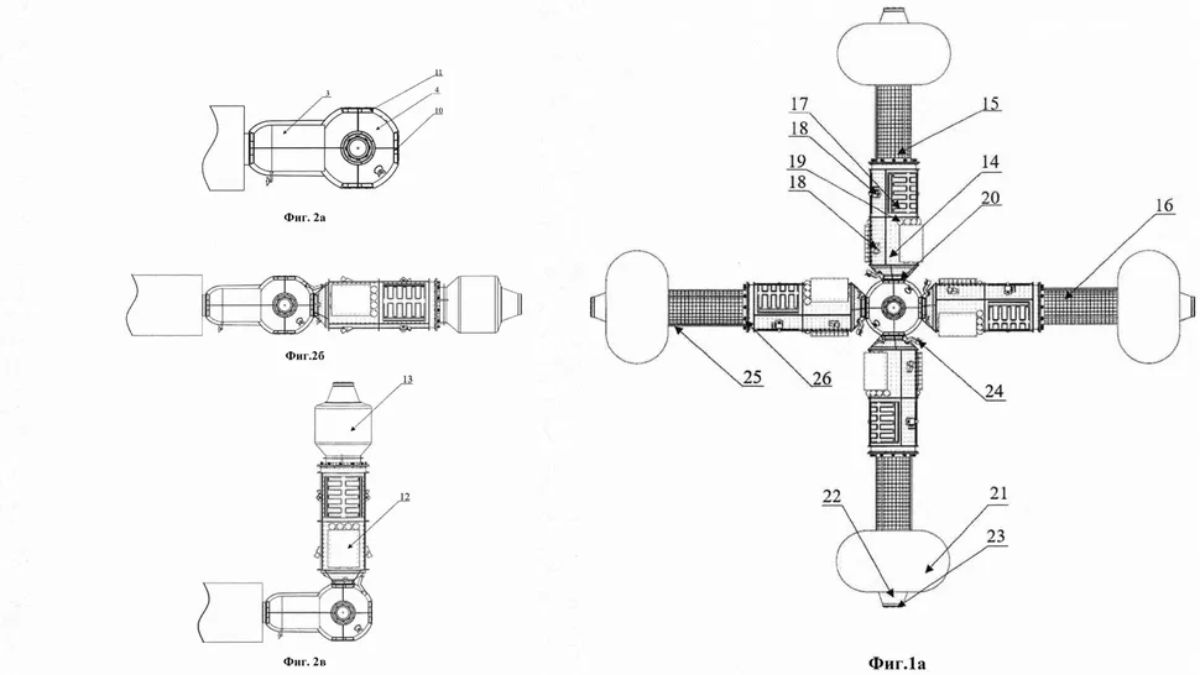
Photo Credit: RSC Energia
Illustration of a rotating Russian space station designed to generate artificial gravity.
Click Here to Add Gadgets360 As A Trusted Source


Advertisement
Russia has taken a conceptual step toward solving one of human spaceflight's oldest challenges by patenting a space station design capable of generating artificial gravity. The idea, conceived by the state-owned Energia rocket company, involves spinning habitable modules around an axis inside which some degree of artificial gravity could be maintained using centrifugal force. A system like this could help reduce health risks faced by space travelers during long orbits and missions further from the Earth's surface, such as muscle atrophy and bone loss, along with other systemic ailments caused by prolonged microgravity exposure. The patent comes as space agencies around the world plan for a future post-ISS era.
Russia's Patented Space Station Design Aims to Create Half-Earth Gravity Through Rotation
According to a report by Russian state media outlet TASS, which reviewed the patent documents, the proposed station would generate about 0.5g—roughly half of Earth's gravity. It is composed of a hub structure with fixed and moving parts, which are linked to a habitat by hermetically sealed but flexible passages. As per the report, the rotating dwellings would circle around the axis continuously, creating simulated gravity.
The patent says rotating 40-metre-radius modules at five rpm would simulate gravity, assembled via multiple orbital launches, complex yet feasible.
Rotating Space Station Faces Docking Risks but Signals Russia's Post-ISS Ambitions
However, the evidence also notes some specific hurdles. This would mean careful coordination in the docking of spacecraft and operational risks. The possible loss of the ability to match rotation for arrivals and departures is listed as one concern, with the potential to reduce “the overall safety envelope,” particularly when crew or supplies are being flown.
Despite hurdles, artificial gravity is considered crucial for deep-space missions, and NASA and private companies investigated it as Russia indicated post-ISS interest.
Comments
Get your daily dose of tech news, reviews, and insights, in under 80 characters on Gadgets 360 Turbo. Connect with fellow tech lovers on our Forum. Follow us on X, Facebook, WhatsApp, Threads and Google News for instant updates. Catch all the action on our YouTube channel.
Further reading:
artificial gravity, Space Station, Russia space program, Energia, Human spaceflight, ISS future


Advertisement
Follow Us




-
01:42
[Sponsored] Galaxy Watch9 for Everyday Health Insights | Smarter Wellness Choices -
01:15
[Sponsored] Galaxy Tab S10 Lite for Students: Notes, Solve Math and More -
04:17
[Sponsored] LG NANO 4K UHD AI TV NU885: Gemini Search, Dolby Atmos & 5 Years of Updates -
00:57
[Sponsored] Samsung Galaxy Z Fold8 My Fan Cam in Action: Find the Moment, Then Share It -
01:41
[Sponsored] What Do You Need To Know Before Your Next Run? | Samsung Galaxy Watch Ultra2
-
NVIDIA के सीईओ ने पेश किए माइक्रोडक रोबोट, AI से चलते हैं, क्या काम आएंगे
-
iPhone Duo को बीच से खोला, फोल्डेबल डिस्प्ले से हटाया कवर, फिर क्या दिखा?
-
1 जनवरी से फोन में बिना सिम नहीं चलेगा WhatsApp, सिम बाइडिंग हुआ अनिवार्य
-
Amazon Sale में ₹15 हजार सस्ता हो गया Redmi का 50MP AI कैमरा, 6000mAh बैटरी वाला फोन!
Advertisement
Popular on Gadgets
- Samsung Galaxy S26 Ultra
- Motorola Razr Fold
- ChatGPT
- OPPO Find N6
- Mobiles Under Rs. 40,000
- Vivo X300 Ultra
- Asus Zenbook S14
- iQOO 15
- Vivo X300 Pro
- Lenovo Yoga Slim 7i Aura Edition
- iQOO 15R
- Vivo X Fold 5
- Sony PlayStation 5
- HP OmniPad 12
- OnePlus Nord CE 6 Lite
- OnePlus Pad 4
- OPPO F33 Pro 5G
- Cryptocurrency
- HP OmniBook Ultra 14 (2026)
- iPhone 17
- Eureka Forbes AP 355 Room Air Purifier
- Latest Mobile Phones
- Compare Phones
Latest Gadgets
- HMD 2660 Flip Senior Edition
- Lava Aura Curve
- Poco X8s
- Samsung Galaxy F70 5G
- Tecno Spark 50S 5G
- Vivo Y600s Pro
- Vivo Y32 (2026)
- Infinix Smart 20 HD
- Lenovo Yoga 9n 2-in-1
- Lenovo Yoga Pro 9n
- Amazon Alexa Tablet 8
- Amazon Alexa Tablet 11
- Pebble Qore 2
- Amazfit T-Rex Dual Solar
- Toshiba 65-Inch 4K Ultra HD Smart Mini LED QLED TV (65Z670SP)
- Haier M70 Mini LED 65-inch
- Acer Predator Atlas 8
- Asus ROG Ally
- Blue Star 1.5 Ton 5 Star Inverter Split AC (IE518ZNURS)
- Blue Star 2 Ton 3 Star Inverter Window AC (WIE324L)

- About Us
- Sitemaps
- Feedback
- Archives
- Contact Us
- RSS
- Advertise
- Career
- Privacy Policy
- Ethics
- Editorial Policy
- Terms & Conditions
- Complaint Redressal
Download Our Apps
Available in Hindi
© Copyright Red Pixels Ventures Limited 2026. All rights reserved.