
- Home
- Wearables
- Wearables News
- Meta Brings Neural Handwriting on Ray Ban Display to All Users, Lets Developers Build Third Party Apps
Meta Brings Neural Handwriting on Ray-Ban Display to All Users, Lets Developers Build Third-Party Apps
Meta is now allowing developers to test software tools for the glasses through a developer preview programme.
Written by Sucharita Ganguly, Edited by David Delima | Updated: 15 May 2026 18:31 IST
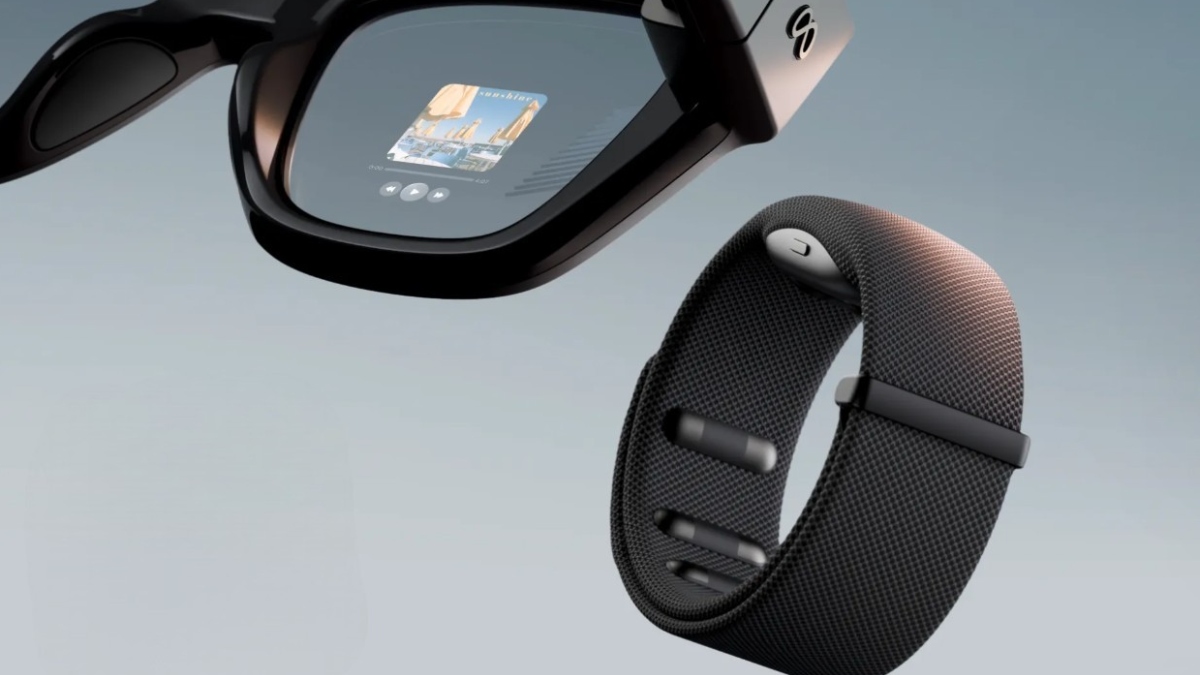
Photo Credit: Meta
Meta Ray-Ban Display (pictured) was launched in September 2025
Click Here to Add Gadgets360 As A Trusted Source
Advertisement
Meta has announced a new software update for the Meta Ray-Ban Display, adding several features that were previewed when the smart glasses launched. The update expands messaging and accessibility tools, introduces new recording capabilities, and broadens navigation support. Meta has also opened developer preview access for the platform, allowing third-party developers to build web apps and extend mobile apps to the glasses. Additional software improvements and new AI features are scheduled to arrive later this year.
Meta Ray-Ban Display Gains New Messaging, Navigation, and Developer Tools
The company said in a blog post that Neural Handwriting is now rolling out to all users. The feature works with Meta's Neural Band and lets users compose messages using finger gestures while using Instagram, WhatsApp, Messenger, and the default messaging apps on Android and iOS.
The company has also introduced a display recording feature that combines the content shown on the glasses display, the user's camera feed, and audio into a single video. The company said turn-by-turn navigation is now available throughout the US and in major cities such as London, Paris, and Rome.
Meta is also extending Live Captions to WhatsApp, Facebook Messenger, and Instagram Direct. The feature can transcribe speech during face-to-face conversations and phone calls, and will support voice interactions within these apps as well.
So far, the glasses have received four software updates since its September 2025 launch. These updates added widgets for reminders, weather, stocks, and calendar, along with quicker access to Spotify playlists and support for Instagram Reels. These tools are intended to support a wide range of experiences, including games, transit utilities, cooking guides, shopping lists, and music practice apps.
Developers can now test software tools for the glasses through a developer preview programme. Developers can create standalone web apps using HTML, CSS, and JavaScript and deploy them to the glasses through a URL. Using the Wearables Device Access Toolkit, developers can also extend existing mobile apps to the glasses and add interface elements such as text, images, lists, buttons, and video playback.
Meta also said that Muse Spark, a new AI model developed for its wearable devices, is scheduled to roll out to the Meta Ray-Ban Display later this summer.
Comments
Get your daily dose of tech news, reviews, and insights, in under 80 characters on Gadgets 360 Turbo. Connect with fellow tech lovers on our Forum. Follow us on X, Facebook, WhatsApp, Threads and Google News for instant updates. Catch all the action on our YouTube channel.

Related Stories

Meta Brings Neural Handwriting on Ray-Ban Display to All Users, Lets Developers Build Third-Party Apps


Advertisement
Follow Us




-
00:21
[Sponsored] Samsung Galaxy Z Fold8, Fold8 Ultra -
03:41
[Sponsored] Samsung Galaxy Z Fold8: How It Fits Into an Actor’s Busy Day | Camera, Multitasking & More -
09:53
iPhone 18 Goes On Sale In India: Huge Crowds, Long Queues At Apple Stores -
06:32
Google Pixel 11 Pro XL Review: The Most Exciting Pixel Yet? | 120X Zoom + Tensor G6 -
05:20
Samsung Galaxy Watch Ultra 2 Review: Is This the Best Android Smartwatch?
Advertisement
Popular on Gadgets
- Samsung Galaxy S26 Ultra
- Motorola Razr Fold
- ChatGPT
- OPPO Find N6
- Mobiles Under Rs. 40,000
- Vivo X300 Ultra
- Asus Zenbook S14
- iQOO 15
- Vivo X300 Pro
- Lenovo Yoga Slim 7i Aura Edition
- iQOO 15R
- Vivo X Fold 5
- Sony PlayStation 5
- HP OmniPad 12
- OnePlus Nord CE 6 Lite
- OnePlus Pad 4
- OPPO F33 Pro 5G
- Cryptocurrency
- HP OmniBook Ultra 14 (2026)
- iPhone 17
- Eureka Forbes AP 355 Room Air Purifier
- Latest Mobile Phones
- Compare Phones
Latest Gadgets
- HMD Vibe 2 Pro 5G
- OPPO K14 Plus 5G
- Lava Shark 2 Pro 5G
- Ai+ Pulse 2 FE
- OPPO Reno 16t
- Itel Zeno 300
- Vivo Y600i
- Mivi One 5G
- Dell 14 Plus 2-in-1 (AMD Ryzen AI 7 350, 2025)
- Microsoft Surface Laptop, 13-inch (2nd Edition)
- Ai+ NovaTab
- Microsoft Surface Pro, 12-inch (2nd Edition)
- Amazfit T-Rex Dual Solar
- OPPO Watch S2
- Toshiba 65-Inch 4K Ultra HD Smart Mini LED QLED TV (65Z670SP)
- Haier M70 Mini LED 65-inch
- Acer Predator Atlas 8
- Asus ROG Ally
- Blue Star 1.5 Ton 5 Star Inverter Split AC (IE518ZNURS)
- Blue Star 2 Ton 3 Star Inverter Window AC (WIE324L)

- About Us
- Sitemaps
- Feedback
- Archives
- Contact Us
- RSS
- Advertise
- Career
- Privacy Policy
- Ethics
- Editorial Policy
- Terms & Conditions
- Complaint Redressal
Download Our Apps
Available in Hindi
© Copyright Red Pixels Ventures Limited 2026. All rights reserved.
-
 Apple Watch Series 12
Starts from ₹56,900
Apple Watch Series 12
Starts from ₹56,900
-
 Samsung Galaxy Watch Ultra 2
Starts from ₹59,909
Samsung Galaxy Watch Ultra 2
Starts from ₹59,909
-
 Samsung Galaxy Watch 9 (44mm, LTE)
Starts from ₹41,999
Samsung Galaxy Watch 9 (44mm, LTE)
Starts from ₹41,999
-
 Samsung Galaxy Watch 9 (40mm, LTE)
Starts from ₹38,999
Samsung Galaxy Watch 9 (40mm, LTE)
Starts from ₹38,999
-
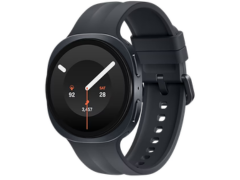 Samsung Galaxy Watch 9 (40mm)
Starts from ₹37,999
Samsung Galaxy Watch 9 (40mm)
Starts from ₹37,999
-
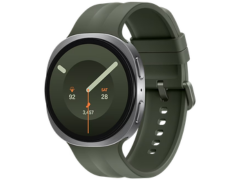 Samsung Galaxy Watch 9 (44mm)
Starts from ₹40,999
Samsung Galaxy Watch 9 (44mm)
Starts from ₹40,999
-
 OpenAI Sets Up Australia Task Force After AI Models Accessed Government Websites Without Authorisation
-
 NEAR Intents Blocks Over $50 Million Linked to $387.5 Million Bitget Hack
-
 Samsung One UI 9 Update Rolls Out With New Features for Galaxy S26 Users in the US: Report
-
 OpenAI Reportedly Scraps GPT-6.1 Astra Release Due to Safety and Alignment Issues