- Home
- Games
- Games News
- 1666 Amsterdam Developer Apologises for AI Assets in Playable Demo, Promises No AI in Final Game
1666 Amsterdam Developer Apologises for AI Assets in Playable Demo, Promises No AI in Final Game
Users have found AI-generated assets in 1666 Amsterdam's key art and playable prologue demo on PC.
Written by Manas Mitul | Updated: 12 June 2026 12:33 IST
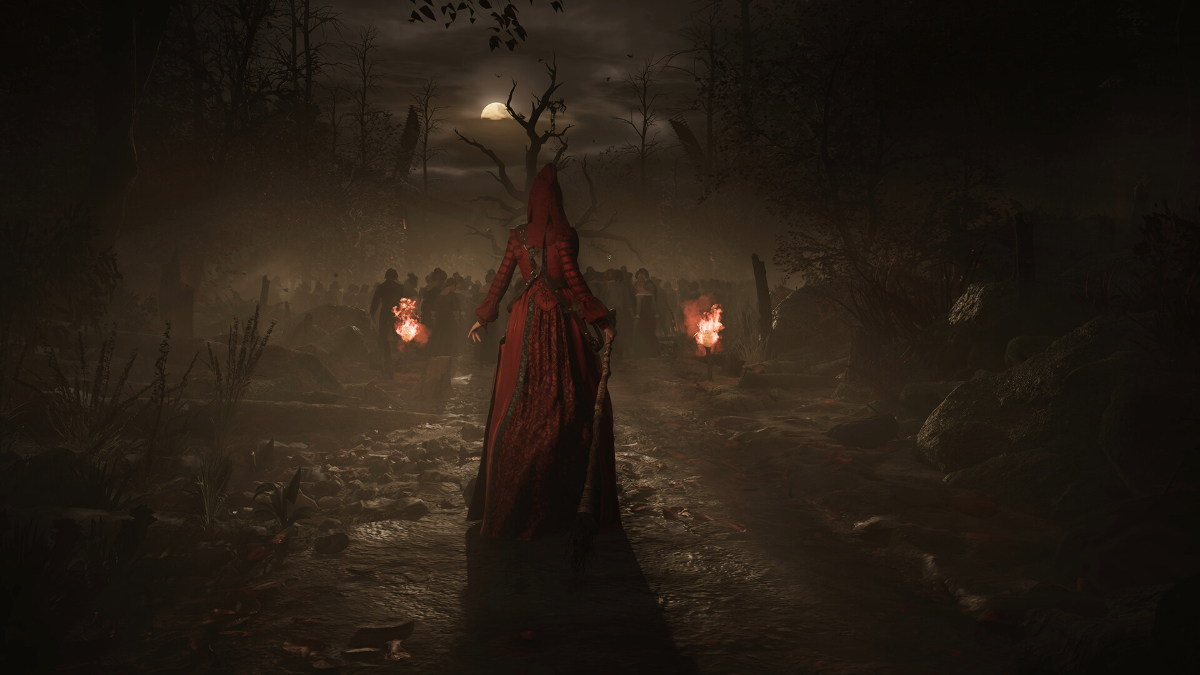
Photo Credit: Panache Digital Games
A playable prologue for 1666 Amsterdam is available on PC
Click Here to Add Gadgets360 As A Trusted Source

Advertisement
1666: Amsterdam, the new action-adventure title from Assassin's Creed co-creator Patrice Désilets, was revealed at Summer Game Fest last week. Just days after the announcement, however, the game has run into an AI controversy. After several users accused developer Panache Digital Games of using AI-generated assets in 1666 Amsterdam, the studio has acknowledged the concerns and apologised, promising no AI-created assets in the final game.
The generative AI assets in question were spotted in the game's key art, as well as the free 30-minute playable prologue section available on Steam and Epic Games Store. Following backlash from players, Montreal-based Panache Digital Games, founded by Désilets in 2014 after he left Ubisoft, admitted that early versions of some assets made using generative AI, had slipped into the game's playable prologue demo.
“A number of people have raised questions or concerns to us about whether assets in our marketing and game use generative AI,” the studio said via its X account on Wednesday. “We have a dedicated team of over a dozen talented and experienced artists. With them, we looked into the assets in question and found that there were indeed some early versions of assets that made their way into the prologue. This includes some in-game portraits and external marketing assets.”
Panache said the assets were under review and would be replaced by human-made versions in a future update “soon”.
“We own up to this oversight and apologize for any upset caused. Please be assured that the Early Access and full game will not include any assets generated by AI,” the studio added.
A number of people have raised questions or concerns to us about whether assets in our marketing and game use generative AI.
— Panache Digital Games (@PanacheDGames) June 9, 2026
We have a dedicated team of over a dozen talented and experienced artists. With them, we looked into the assets in question and found that there were…
1666 Amsterdam is a third-person story-driven action-adventure title set in — you guessed it — Amsterdam in the year 1666. The game follows the story of Noa Brooklyn, a Collector who wields witchcraft to uncover demonic entities amidst humas. 1666 Amsterdam features distinct day and night experiences, allowing you to investigate and explore the city and uncover its demonic secrets.
The game will release in early access on PC in 2026, with console versions coming later. The playable prologue demo, which introduces the world, characters, and the central themes of 1666: Amsterdam, is live right now on Steam and Epic Games Store.
Crazy Taxi, Tomb Raider Face Backlash for AI Use
1666 Amsterdam is not the only game revealed this past week to be mired in an AI controversy. Sega's Crazy Taxi: World Tour was revealed at Xbox Games Showcase on June 7 and quickly faced backlash after the game's Steam page came with an AI generated content disclosure. Sega said it utilised generative AI as a support tool for developers allowing them to focus more on creative tasks.
“We have used such generative AI support tools during development of Crazy Taxi: World Tour. No AI was used in reference to the performers in the game,” the studio clarified in the AI disclosure section of the game's Steam page.
The same story played out in the case of Crystal Dynamics' Tomb Raider: Legacy of Atlantis, which got a new trailer and release date confirmation at Sony's State of Play event last week. The game's Steam page confirmed AI-assisted tools were used during development. Develpers Crystal Dynamics Flying Wild Hog said AI-made assets were later either replaced or refined by humans to maintain the creative and artistic vision of the development team.
Following backlash, Crystal Dynamics assured players that the final product would be “human-crafted”.
“At Crystal Dynamics, we leverage AI tools to help our teams iterate on ideas faster and more efficiently, while ensuring that all finished content in the final product is human-crafted,” the studio said in a statement. “Our goal is to empower the creativity and flexibility of our developers to deliver the highest-quality experiences for players everywhere.”
Affiliate links may be automatically generated - see our ethics statement for details.


- KEY SPECS
- NEWS
Genre Action-Adventure
Platform PC: Windows
Modes Single-player
Comments
Get your daily dose of tech news, reviews, and insights, in under 80 characters on Gadgets 360 Turbo. Connect with fellow tech lovers on our Forum. Follow us on X, Facebook, WhatsApp, Threads and Google News for instant updates. Catch all the action on our YouTube channel.
Further reading:
1666 Amsterdam, Panache Digital Games, Summer Game Fest, AI, Generative AI, AI in Game Development


1666 Amsterdam Developer Apologises for AI Assets in Playable Demo, Promises No AI in Final Game


Advertisement
Follow Us




-
03:47
Best Upcoming Smartphones in June 2026 | Xiaomi 17T, Motorola Edge 70 Pro+, Galaxy A27 -
19:39
LIVE: Xiaomi 17T & Xiaomi TV FX Mini LED Series Launch | Get Closer to Every Detail -
04:26
Moto Buds 2 Review: Best TWS Under Rs. 3000? -
03:26
How To Apply For Driving Licence Online From Home? | Step-by-Step Guide 2026 -
05:58
Motorola Edge 70 Pro Review | Full Specs, Performance & Battery Test
-
8,000mAh की बैटरी के साथ भारत में लॉन्च हुआ Tecno Pova 8
-
इस प्लेटफॉर्म पर फ्री मिल रहे हैं महंगे गेम्स, Final Fantasy 16 भी शामिल
-
क्या है सरकार का Project Ganga? गांव-गांव पहुंचेगा हाई-स्पीड इंटरनेट
-
YouTube में फिर लौटा पुराना, लेकिन बड़े काम का फीचर! ऐसे करें इस्तेमाल
-
Xiaomi Mix Fold 5 में हो सकता है 200 मेगापिक्सल का रियर कैमरा
Advertisement
Popular on Gadgets
- Samsung Galaxy S26 Ultra
- Motorola Razr Fold
- ChatGPT
- OPPO Find N6
- Mobiles Under Rs. 40,000
- Vivo X300 Ultra
- Asus Zenbook S14
- iQOO 15
- Vivo X300 Pro
- Lenovo Yoga Slim 7i Aura Edition
- iQOO 15R
- Vivo X Fold 5
- Sony PlayStation 5
- HP OmniPad 12
- OnePlus Nord CE 6 Lite
- OnePlus Pad 4
- OPPO F33 Pro 5G
- Cryptocurrency
- HP OmniBook Ultra 14 (2026)
- iPhone 17
- Eureka Forbes AP 355 Room Air Purifier
- Latest Mobile Phones
- Compare Phones
Latest Gadgets
- Moto G Max 5G
- Pova 8
- OnePlus Turbo 6X
- OnePlus Turbo 6X Pro
- Realme P4R 5G
- Vivo V70 Lite 5G
- Infinix Smart 20
- Lava Bold N2 5G
- Lenovo IdeaPad Slim 3 Gen 11
- Asus ExpertBook B5 Flip G2 (2026)
- Asus Pad
- Poco Pad C1
- Amazfit Cheetah 2 Ultra
- Amazfit Bip Max
- Sony Bravia 7II
- Lumio Vision 9 (2026)
- Acer Predator Atlas 8
- Asus ROG Ally
- IFB 1.5 Ton 3 Star Inverter Split AC (CI193GN22RGM3)
- IFB 2 Ton 3 Star Inverter Split AC (CI223GD32RGM3)

- About Us
- Sitemaps
- Feedback
- Archives
- Contact Us
- RSS
- Advertise
- Career
- Privacy Policy
- Ethics
- Editorial Policy
- Terms & Conditions
- Complaint Redressal
Download Our Apps
Available in Hindi
© Copyright Red Pixels Ventures Limited 2026. All rights reserved.