-
 NOAA Issues G2 Solar Storm Watch; May Spark Auroras but Threaten Satellite Signals3 January 2026
 -
Massive Sunspot Complex on the Sun Raises Risk of Strong Solar Storms9 December 2025
-
Strongest Solar Flare of 2025 Sends High-Energy Radiation Rushing Toward Earth6 December 2025
-
Intense Solar Storm With Huge CMEs Forced Astronauts to Take Shelter on the ISS16 November 2025
-
Sun Unleashes Strongest Flare of 2025, Causing Global Radio Blackouts13 November 2025
- Home
- Science
- Science News
- 2026 Could Be the Best Year for Northern Lights; Why Post Solar Maximum Storms Are Set to Surge
2026 Could Be the Best Year for Northern Lights; Why Post-Solar Maximum Storms Are Set to Surge
Although the Sun is now declining toward its next minimum, activity is expected to remain high into 2026.
Written by Gadgets 360 Staff | Updated: 4 January 2026 11:31 IST
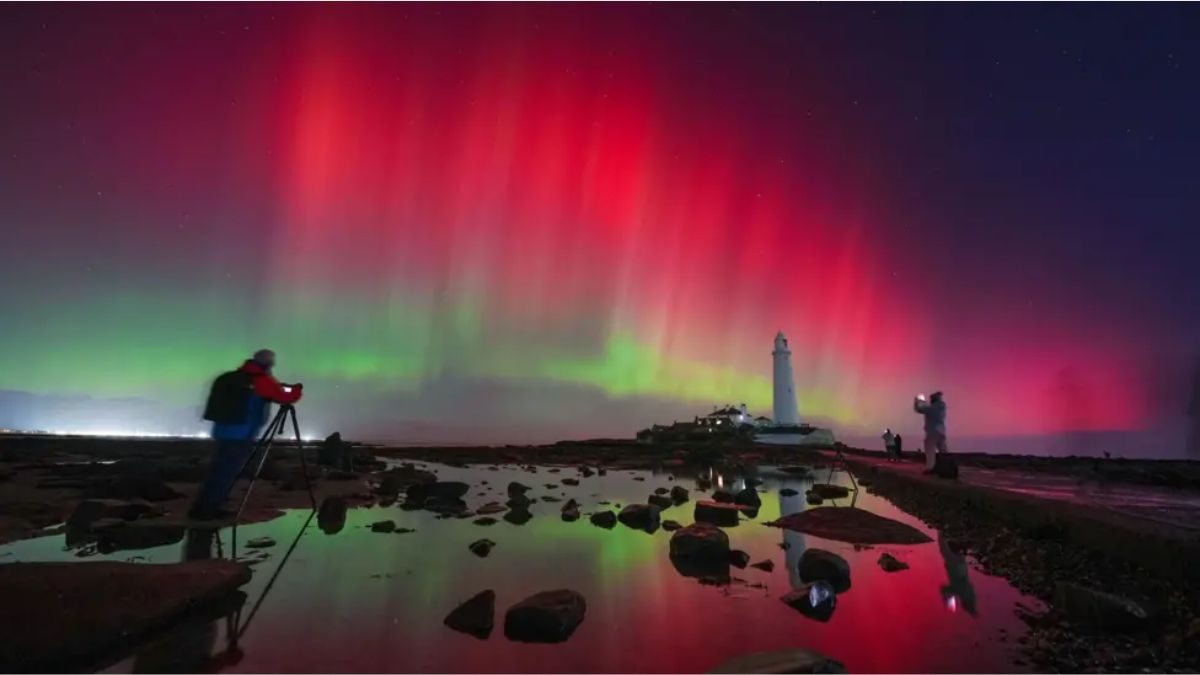
Photo Credit: Wikipedia Commons
A spectacular glimpse of the Northern Lights in Northumberland in November
Click Here to Add Gadgets360 As A Trusted Source


Advertisement
The end of 2025 saw bright auroras over northern skies following a strong solar flare. In October 2024, NASA noted that the Sun had entered its solar maximum phase. Experts predicted that the most frequent and intense Northern Lights would likely occur throughout 2026. Even though solar activity has technically begun its gradual decline since the 2024 peak, the Sun remains hyperactive with numerous sunspots and storms.
A single flare can still create spectacular displays, especially due to seasonal coincidences during the equinoxes, which statistically double the chances of viewing an aurora.
Solar Storms and Auroras
According to reports, the Sun's 11-year cycle peaked in 2024–25, unleashing many intense flares. NASA announced in October 2024 that Solar Cycle 25 had peaked. On November 11, 2025, a massive X5.1-class solar flare sent charged particles toward Earth, sparking the brightest aurora seen in the UK.
Although the Sun is now declining toward its next minimum, activity is expected to remain high into 2026. These storms – including coronal mass ejections (CMEs) – shower Earth with charged particles, which collide with gases high in the atmosphere and create the auroras we see.
Seasonal Effects and Forecasting
Auroras reach their peak as the seasons change between spring and fall. This occurs when Earth's tilted magnetic field is aligned in a way that enhances geomagnetic storms. The NOAA Space Weather Prediction Center states that the equinox periods are the best times of the year to see the Northern Lights.
The Russell-McPherron effect demonstrates that the probability of auroras can increase by two times during the equinoxes. Contemporary satellites and models are instrumental in forecasting solar storms, while mobile phone cameras are convenient for capturing and sharing.
Comments
Catch the latest from the Consumer Electronics Show on Gadgets 360, at our CES 2026 hub.
Related Stories
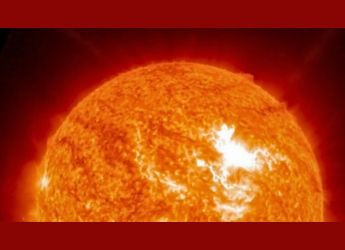


2026 Could Be the Best Year for Northern Lights; Why Post-Solar Maximum Storms Are Set to Surge


Advertisement
Follow Us




-
08:02
Top OxygenOS 16 Features You Must Know: Don't Miss These OnePlus Features On Your Phone! -
10:42
[Partner Content] OPPO Find X9 Two Week Experience: Here's Why It Stands Out -
04:38
Realme Watch 5 Review: Watch This Before You Buy The Latest Realme Smartwatch -
07:03
Vivo X300 Pro Review | Best Camera Phone You Can Buy For 2026 -
04:56
Vivo X300 Review | Best Flagship of 2025? | Unbelievable Camera & Performance Test
-
नए साल पर iPhone पर आया बंपर ऑफर, सीधे मिल रहा 18 हजार का डिस्काउंट
-
CES 2026: Samsung पेश करेगी 130 इंच का बड़ा Micro RGB टीवी, जानें
-
सस्ती, सरकारी कैब बुकिंग सर्विस Bharat Taxi में क्या है अलग, यहां जानें
-
ViewSonic के 2026 में 500 करोड़ रुपये के रेवन्यू टारगेट में होगी LED वीडियो वॉल्स की बड़ी हिस्सेदारी
-
Honor Power 2 में होगी 10,080 mAh की बैटरी, 3 कलर के ऑप्शन
Advertisement
Popular on Gadgets
- Samsung Galaxy Unpacked 2025
- ChatGPT
- Redmi Note 14 Pro+
- iPhone 16
- Apple Vision Pro
- Oneplus 12
- OnePlus Nord CE 3 Lite 5G
- iPhone 13
- Xiaomi 14 Pro
- Oppo Find N3
- Tecno Spark Go (2023)
- Realme V30
- Best Phones Under 25000
- Samsung Galaxy S24 Series
- Cryptocurrency
- iQoo 12
- Samsung Galaxy S24 Ultra
- Giottus
- Samsung Galaxy Z Flip 5
- Apple 'Scary Fast'
- Housefull 5
- GoPro Hero 12 Black Review
- Invincible Season 2
- JioGlass
- HD Ready TV
- Laptop Under 50000
- Smartwatch Under 10000
- Latest Mobile Phones
- Compare Phones
Latest Gadgets
- OPPO Reno 15 Pro Max
- Honor Win RT
- Honor Win
- Xiaomi 17 Ultra Leica Edition
- Xiaomi 17 Ultra
- Huawei Nova 15
- Huawei Nova 15 Pro
- Huawei Nova 15 Ultra
- Asus ProArt P16
- MacBook Pro 14-inch (M5, 2025)
- OPPO Pad Air 5
- Huawei MatePad 11.5 (2026)
- Xiaomi Watch 5
- Huawei Watch 10th Anniversary Edition
- Acerpure Nitro Z Series 100-inch QLED TV
- Samsung 43 Inch LED Ultra HD (4K) Smart TV (UA43UE81AFULXL)
- Asus ROG Ally
- Nintendo Switch Lite
- Haier 1.6 Ton 5 Star Inverter Split AC (HSU19G-MZAID5BN-INV)
- Haier 1.6 Ton 5 Star Inverter Split AC (HSU19G-MZAIM5BN-INV)

- About Us
- Sitemaps
- Feedback
- Archives
- Contact Us
- RSS
- Advertise
- Career
- Privacy Policy
- Ethics
- Editorial Policy
- Terms & Conditions
- Complaint Redressal
Download Our Apps
Available in Hindi
© Copyright Red Pixels Ventures Limited 2026. All rights reserved.