
-
 Google Fitbit Edge to Reportedly Launch Soon Globally as Design Renders Surface Online5 October 2026
 -
Google Fitbit Air Launched in India as Firm's First Screenless Fitness Tracker With Continuous Heart Rate Tracking, SpO2 Sensor: Price, Features30 September 2026
-
Google Fitbit Air Spotted on Flipkart Ahead of India Launch: Expected Price, Features24 September 2026
-
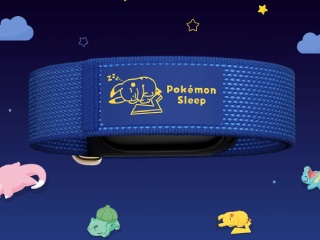
Fitbit Air Special Edition Pokémon Sleep With Pikachu Design Launched28 August 2026
-
Google Pixel 11 Ads Reportedly Reveal Mysterious Fitbit-Like Fitness Tracker17 August 2026
- Home
- Wearables
- Wearables Reviews
- Fitbit Air Review: Is This Google’s Best Fitness Tracker Yet?
Fitbit Air Review: Is This Google’s Best Fitness Tracker Yet?
Google Fitbit Air brings screenless fitness tracking to India at Rs. 13,999. It offers a lightweight design, detailed health monitoring, and Gemini-powered coaching. But can it replace your smartwatch?
Written by Ketan Pratap | Updated: 18 October 2026 16:05 IST
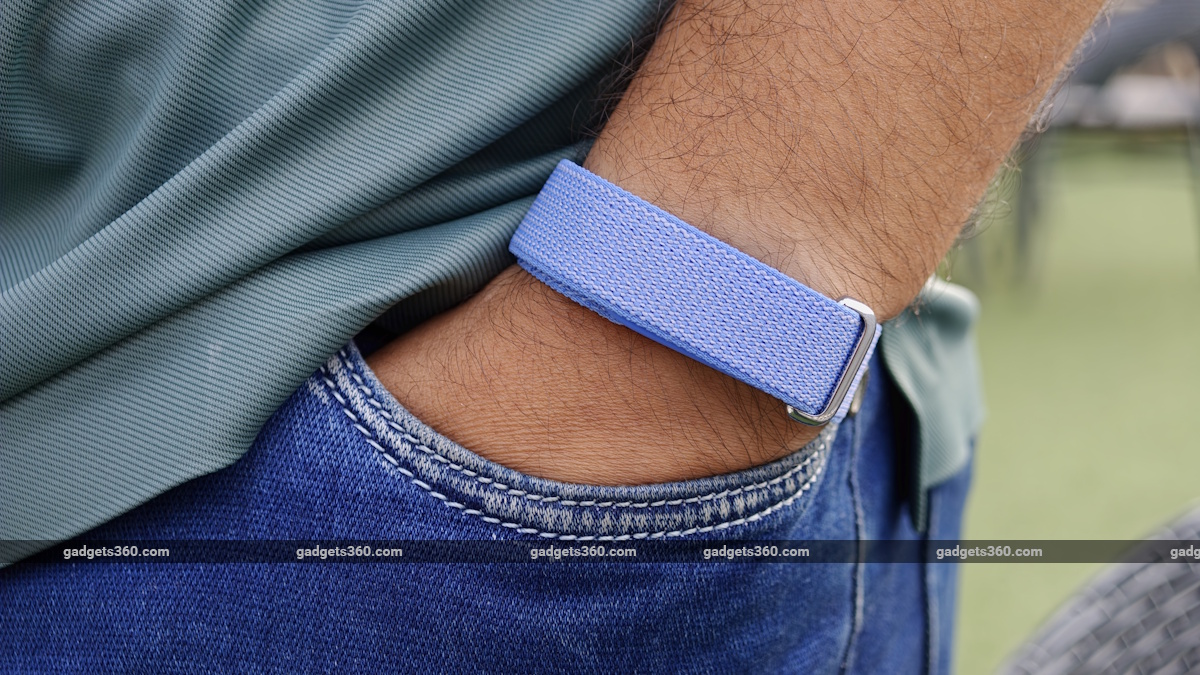
The screenless design makes Fitbit Air a distraction-free alternative to traditional smartwatches
Click Here to Add Gadgets360 As A Trusted Source
Advertisement
As the wearable segment has grown, smartwatches have become increasingly capable over the years. Beyond tracking health and fitness, they can handle calls, notifications, payments in some cases, and other everyday tasks. However, not everyone wants another screen demanding attention all day, plus daily charging. This is where screenless fitness trackers are starting to attract interest, offering an alternative to conventional smartwatches. Google is the latest major player to enter this space with the Fitbit Air, a compact wearable designed to monitor your health without distracting you.
Fitbit Air launched in India earlier this month at Rs. 13,999, making it an interesting proposition for people looking for a dedicated fitness tracker. Compared with Whoop's tracker lineup, the Fitbit Air is considerably more affordable. Additionally, unlike Google's Pixel Watch lineup, the Air doesn't have a display. Instead, it sits quietly on your wrist, collecting information about your heart rate, sleep, workouts, and recovery. You can access all this data through the Google Health app, which also includes a new AI-powered Health Coach built with Gemini. Google is pitching the Fitbit Air as a device you can wear day and night. Its small footprint, fabric band, and claimed seven-day battery life certainly make that proposition appealing. The company is also betting heavily on software, promising personalised insights that go beyond simply showing steps taken or calories burned. There's a catch, though. While the basic health-tracking features are free, more advanced AI coaching requires a Google Health Premium subscription. Google includes a three-month trial with the device.
I've been testing the Fitbit Air for about a week, focusing on its health-tracking capabilities, sleep insights, activity monitoring, and overall Google Health experience. There is plenty to like about Google's newest wearable, but the software could improve in a few areas. Here's my review.
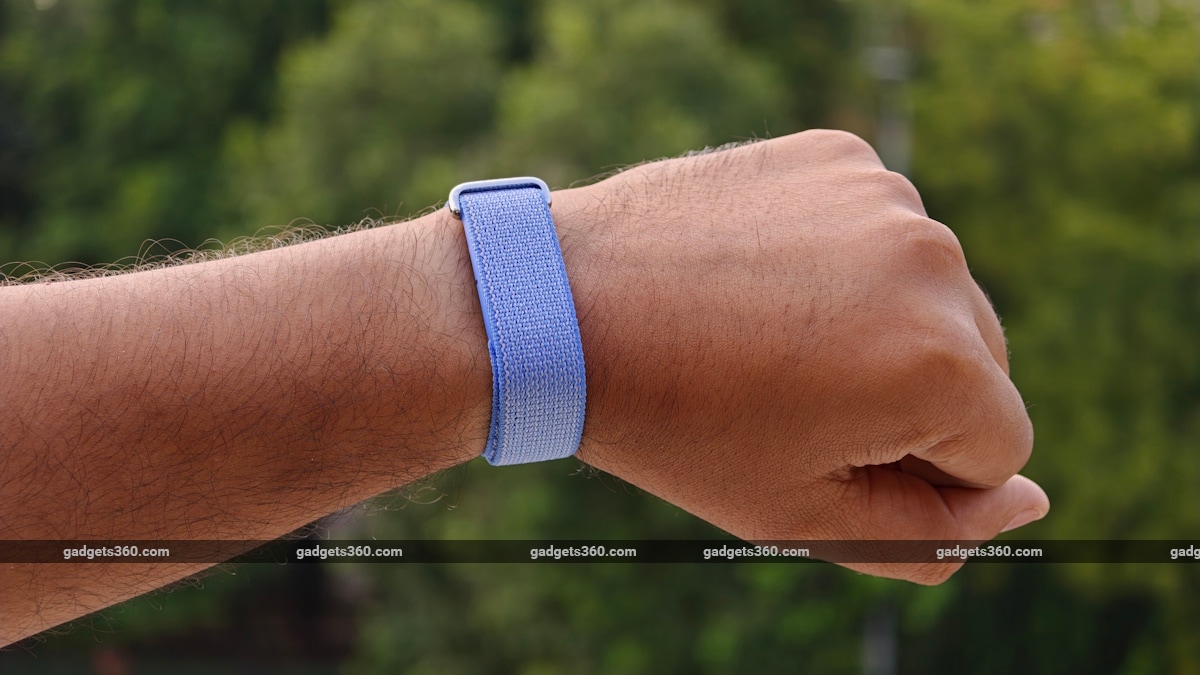
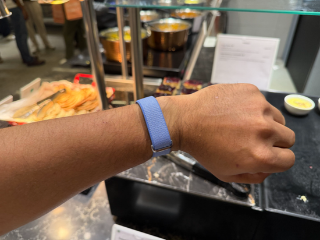
Google Fitbit Air weighs just 12 grams with the band, making it comfortable for all-day wear
Google Fitbit Air Design: Barely There, and That's the Point
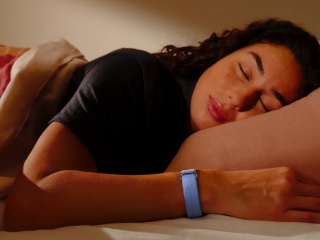
Unboxing the Fitbit Air, the first thing that strikes you is how unapologetically minimal it is. It feels barely there, and it's just so small. The tracker itself weighs only 5.2 grams, while the complete device, including the fabric band, weighs approximately 12 grams. That's considerably lighter than most smartwatches, and the difference matters most when you wear it to bed. Google has kept the design simple. The Air features a small, pebble-shaped tracking module housed inside a woven band. It has no physical buttons, no display, and very little to draw attention to it. It looks more like a regular fabric wristband than a conventional fitness tracker, which is a large part of its appeal.
The bundled Performance Loop band is made from recycled polyester and elastane yarn and features a stainless steel buckle. It has a micro-adjustable fastening mechanism, allowing you to get a reasonably precise fit. This matters because the sensors need consistent skin contact to record reliable measurements. The woven material also makes more sense for continuous wear than some thicker silicone straps on traditional fitness bands.
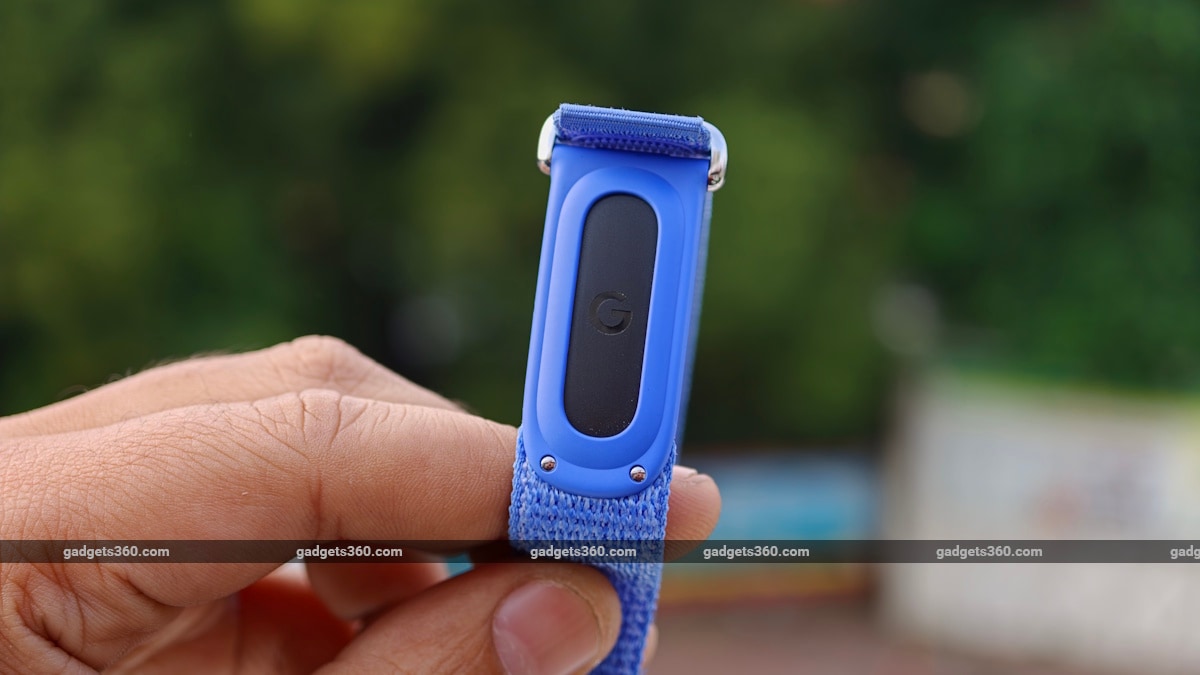
The Fitbit Air offers continuous health monitoring without a conventional display or physical buttons
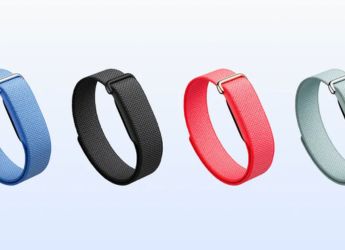
Of course, the fabric bands have their limitations. They can retain moisture after workouts or water exposure, so you'll need to let the band dry properly. Google offers band options, including silicone ones that may suit intense exercise better. The Fitbit Air tracker comes in Obsidian, Berry, Lavender, and Fog. You can remove the sensor module from the band, making it easy to swap straps without replacing the device.
Despite the absence of a display, the Air isn't entirely devoid of interaction. A small status LED responds to a firm double-tap. A white light indicates sufficient battery charge, while red signals a low battery. The device also includes a vibration motor for silent alarms and reminders. Google rates the Air for water resistance up to 50 metres, making it suitable for swimming. However, the company recommends drying the band after water exposure and avoiding contact with soap or shampoo.
The biggest advantage of the Fitbit Air's design isn't necessarily how it looks. It's that the device doesn't constantly ask for your attention. There are no incoming notifications to check, no watch face to customise, and no temptation to interact with it every few minutes. For a product focused primarily on health monitoring, that simplicity works in its favour.
Google Fitbit Air Specifications
- Price in India: Rs. 13,999
- Dimensions: 34.9x17x8.3mm
- Weight: 5.2 grams (tracker), 12 grams (with band)
- Display: None; LED status indicator
- Materials: Recycled polycarbonate and PBT housing, textile band, stainless steel buckle
- Sensors: Optical heart-rate monitor, three-axis accelerometer, gyroscope, red and infrared SpO2 sensors, skin-temperature sensor
- Health tracking: Heart rate, resting heart rate, HRV, sleep stages, SpO2, skin-temperature variations, activity tracking, and more
- Connectivity: Bluetooth 5.0
- GPS: Connected GPS through smartphone
- Water resistance: Up to 50 metres
- Battery life: Up to seven days (claimed)
- Charging: Up to 90 minutes for a full charge; five minutes for up to one day's use
- Compatibility: Android 11 or newer, iOS 16.4 or newer
- Storage: Seven days of detailed motion data and 30 days of daily totals
- Included subscription: Three months of Google Health Premium
Google Fitbit Air Features: Plenty to Explore in Google Health
Setting up the Fitbit Air is straightforward. Google asks you to connect the tracker to its charging cable and keep it close to your smartphone while pairing it through the Google Health app. Once connected, the device starts collecting activity and health information in the background. Google Health app is central to the overall experience. The redesigned app brings together daily steps, sleep, heart rate, readiness, cardio load, and other metrics in a colourful dashboard. The interface differs significantly from the traditional Fitbit app, with larger cards that make key information easier to spot.
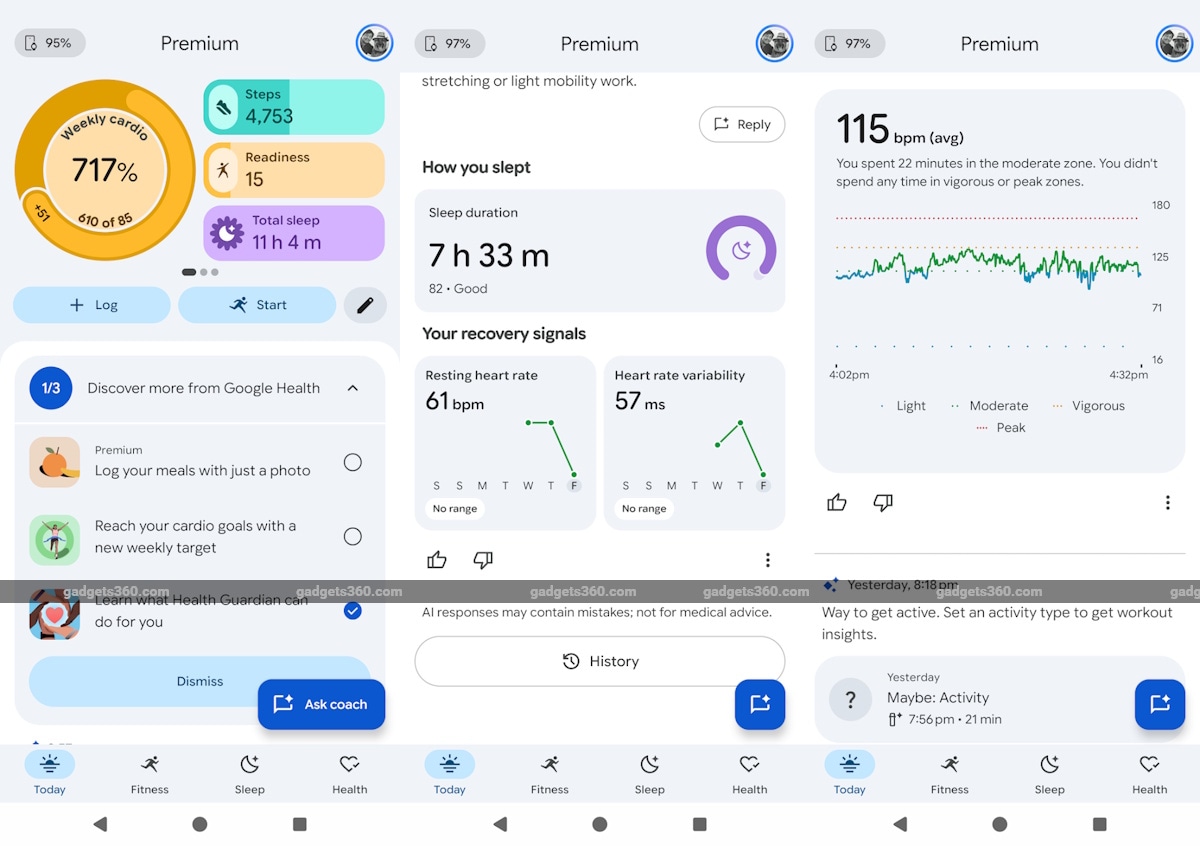
Google Health app provides detailed insights into sleep, heart-rate variability, readiness, and cardio load
During testing, the main dashboard displayed daily steps alongside readiness and weekly cardio load. For context, one screen shows daily steps alongside a readiness score and weekly cardio load progress; see the screenshot below for reference. The numbers are easy to spot, but the app takes time to understand what they mean. The bottom navigation separates Today, Fitness, Sleep, and Health, making it easier to explore individual metrics. You can also connect supported health services and compatible devices. Google lets the Fitbit Air and a Pixel Watch stay connected to the same account, which is useful for people who prefer a smartwatch during the day and a lighter tracker at night.
The bigger addition is Google Health Coach, powered by Gemini. Available through Premium, it can interpret health information, suggest workouts, explain recovery scores, and help create personalised fitness plans. Rather than simply showing a number, Google wants the app to explain why that number matters.
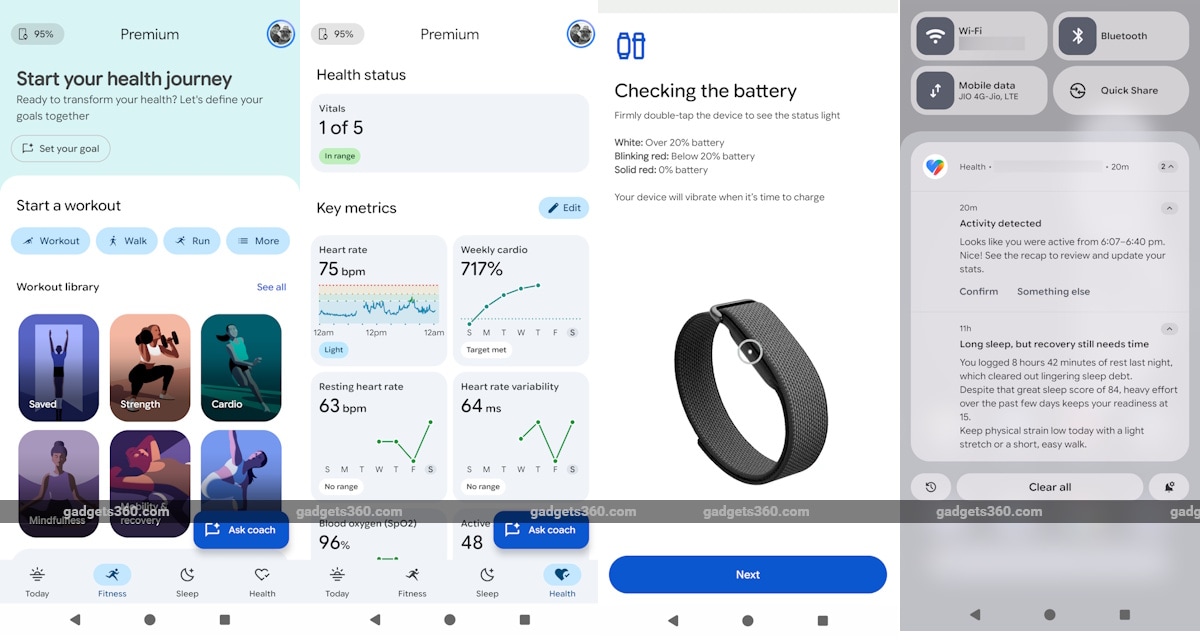
Google Health Coach offers AI-powered insights, although automatic workout recognition needs refinement
The idea is promising, especially for users unfamiliar with terms like heart-rate variability or cardio load. However, the coaching experience still needs refinement. Some recommendations feel generic, and users shouldn't treat the responses as medical advice, as with almost all smart wearable devices.
Google launched Health Premium at Rs. 499 per month or Rs. 4,999 annually after the trial. Fortunately, basic activity tracking, sleep information, and several important recovery metrics remain accessible without a subscription.
Google Fitbit Air Performance: Detailed Tracking, but Some Guesswork
Health tracking is one of the Fitbit Air's strongest suits and makes a strong case for switching to this screenless tracker. Despite its compact size, the wearable packs sensors for continuous heart-rate monitoring, estimated blood oxygen, skin-temperature variations, and activity tracking. Google also uses these readings to provide sleep and recovery information through its app. During the initial week of testing, sleep tracking was one of the more interesting aspects to explore. The Air can automatically detect sleep without requiring you to start a session manually. It also records daytime naps, which is useful if your sleep routine isn't restricted to nighttime hours. In one instance, Google Health detected an afternoon nap beginning at 1:08 pm and ending at 3:36 pm. The app recorded 2 hours and 22 minutes of sleep, breaking it down into 35 minutes of deep sleep, 34 minutes of REM sleep, and 1 hour and 13 minutes of light sleep. It also highlighted six minutes awake and 13 minutes of restlessness, a good deep dive for those who love to stay on top of their health metrics.
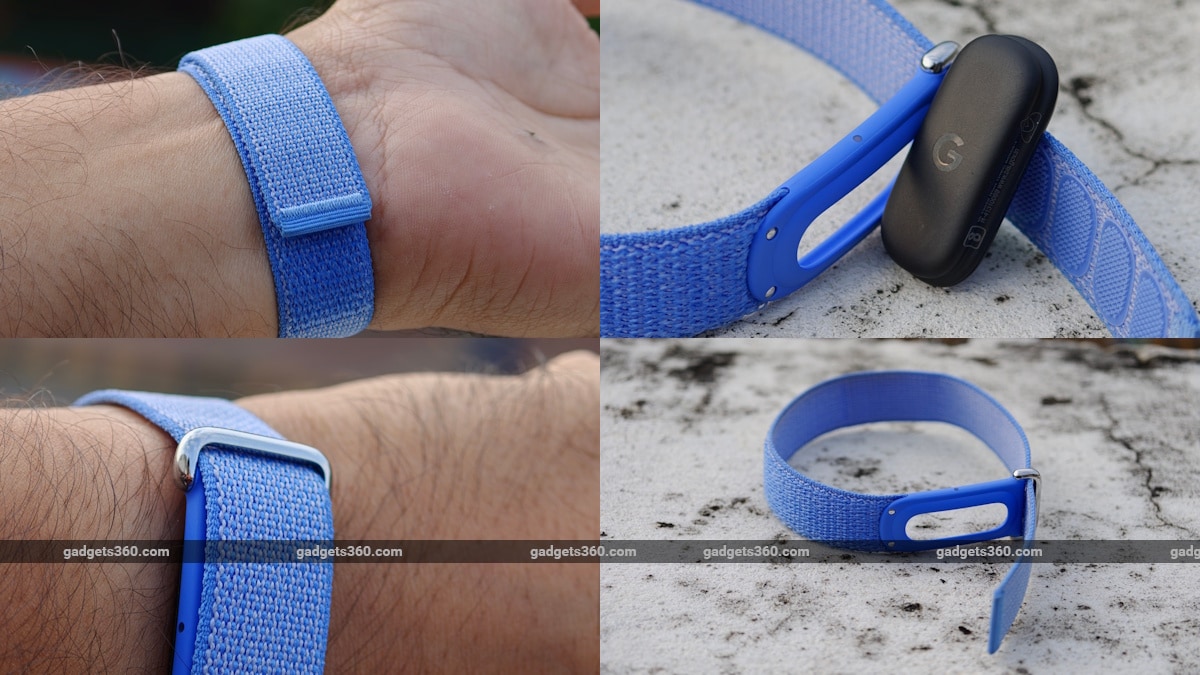
The Performance Loop band offers an adjustable fit, while the tracker can be paired with interchangeable straps
That's an impressive amount of information for such a small device. More importantly, the presentation makes it easy to understand when different sleep stages occurred. Of course, these stages are estimates, and without comparing the results to a clinical sleep study, it's hard to judge their accuracy.
In another night session, the tracker showed 7 hours and 33 minutes of rest, with a sleep score of 82, classified as Good. The app also displayed recovery signals such as resting heart rate and heart-rate variability. In this instance, resting heart rate was 61 bpm, while HRV was 57ms. These are useful measurements, although their value increases once the tracker has collected enough information to establish personal trends. During the first week, the recovery cards still showed "No range" for some metrics, suggesting the tracker needed more baseline data. Keep this in mind if you expect meaningful recovery recommendations immediately after setting up the device.
Heart-rate monitoring is another important feature. During one recorded activity lasting about 30 minutes, the Fitbit Air reported an average heart rate of 115 bpm, with 22 minutes spent in the moderate activity zone. The app presented the readings on a graph, making it easy to see how heart rate changed throughout the session. While the graph provides a useful picture of workout intensity, its precision would need to be established against a dedicated chest-strap monitor. A week's worth of data is more useful for understanding the information presented than for making definitive claims about sensor accuracy.
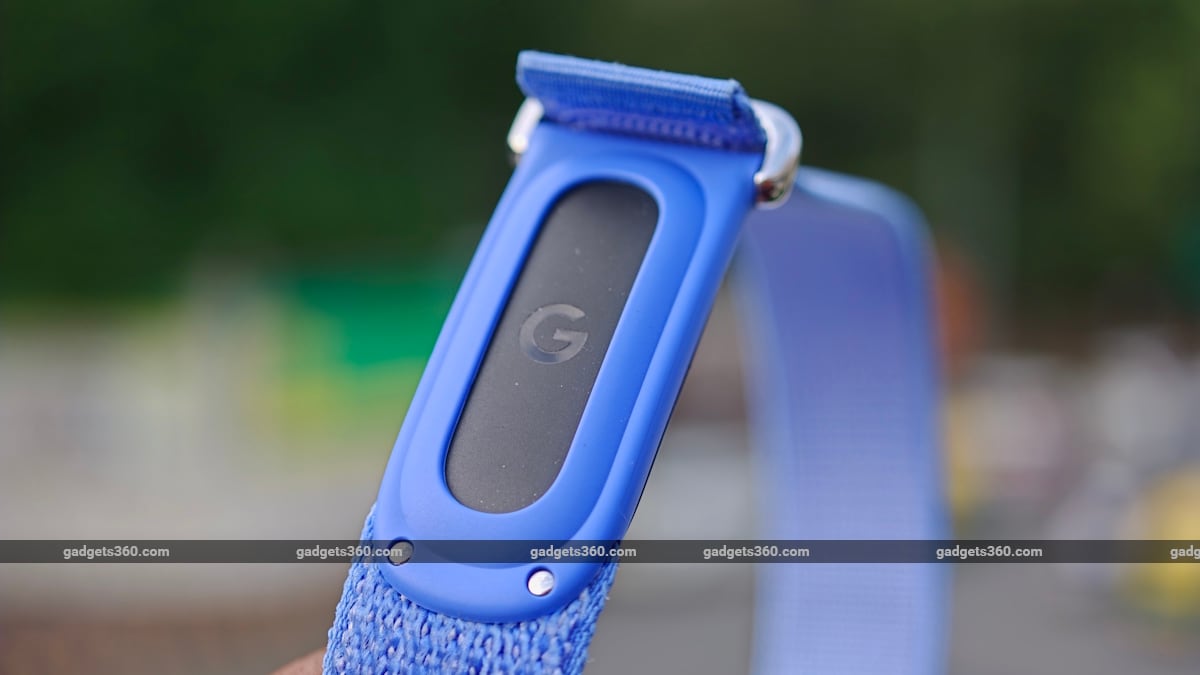
Google Fitbit Air features a compact tracking module that weighs just 5.2 grams
Automatic workout recognition is where the experience could improve. On a couple of occasions, Google Health detected physical activity but labelled it "Maybe: Activity" and asked for confirmation of the exercise type. The app suggested activities such as HIIT, CrossFit, rope jumping, and kickboxing. It's good that the tracker recognised movement, but identifying the workout correctly would make the process more convenient. Google lets users review and edit recorded sessions, but the extra interaction makes the experience feel less automatic than expected.
Readiness and cardio load are useful additions, too. However, scores such as 15 for readiness or unusually high weekly cardio load progress need to be understood against your personal baseline. A short testing period isn't enough to determine whether these recommendations consistently match how recovered or fatigued someone feels. Overall, the Fitbit Air offers a wide range of health information. The next challenge for Google is making that information consistently reliable, easy to interpret, and genuinely actionable.
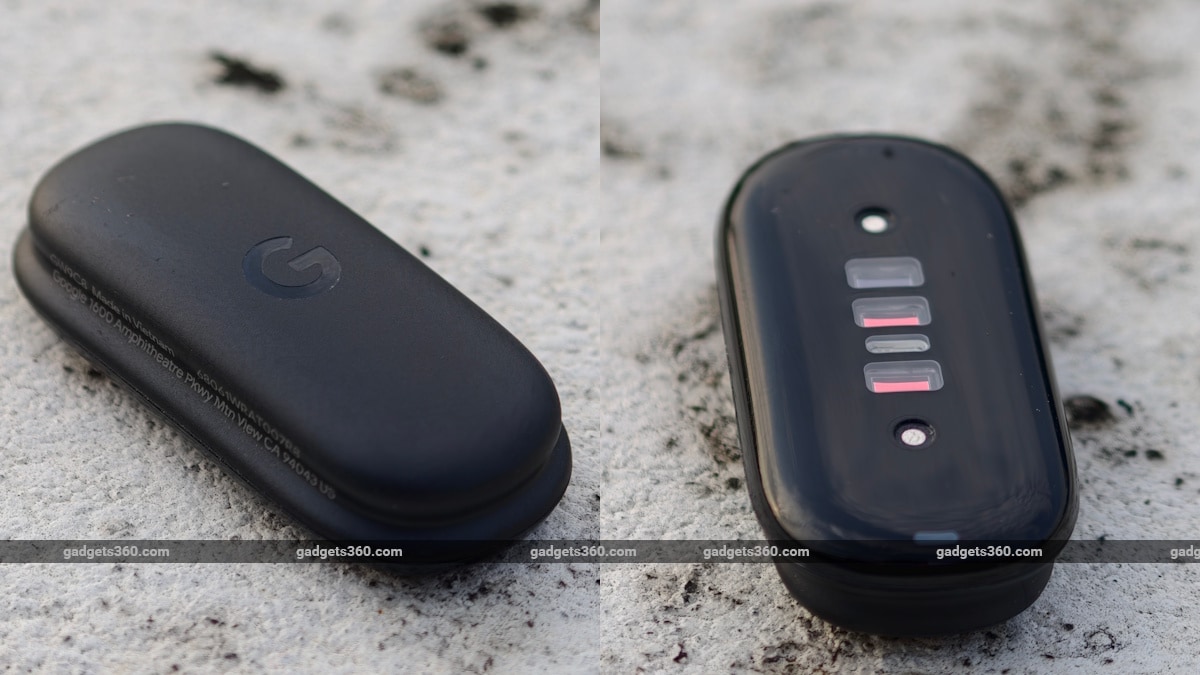
The detachable tracking module houses sensors for monitoring sleep, activity, and recovery
Google Fitbit Air Battery Life: A Week Away From the Charger?
Battery life is another major highlight of the Fitbit Air, particularly when compared with smartwatches that require charging every day or two. Google claims the device can last up to seven days on a single charge, depending on usage and enabled features. That claim makes sense for the Air's design. Without a display to illuminate or smartwatch apps running, power consumption can stay relatively low. The tracker primarily collects sensor data and syncs it with the Google Health app.
During the initial testing period, the app provided a clear view of battery status through its Connections page. One sync showed the tracker at 97 percent, and the battery indicator is also available on the main Google Health dashboard. However, that reading alone isn't enough to establish how closely the device matches Google's seven-day endurance claim. Under regular use, a full discharge cycle takes about seven days, matching Google's claims.
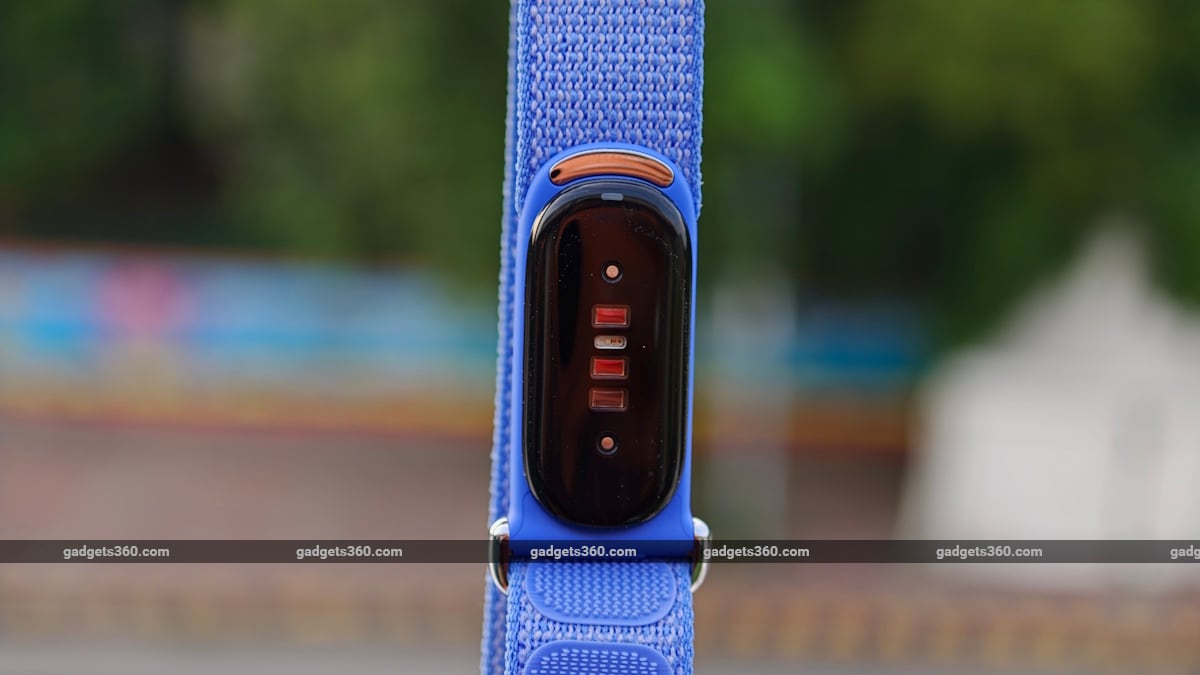
Fitbit Air packs sensors for continuous heart-rate monitoring, blood oxygen estimation, and skin-temperature tracking
The tracker also supports fast charging. According to Google, a five-minute charge can provide up to one day of battery life, while charging from zero to 100 percent takes approximately 90 minutes. The box includes a proprietary USB-C charging cable with pogo pins. The cable attaches to the sensor module, which means you'll need to take the tracker off your wrist while charging. That arrangement is fairly conventional for a fitness tracker, though it means interrupting health monitoring whenever the battery needs a top-up. A short charging session during a shower or while getting ready is usually more convenient than waiting for the battery to run out completely.
The lack of a display also changes how you monitor battery life. You can double-tap the tracker to check its LED indicator, but you need to open the app for an exact percentage. If the Air consistently delivers anything close to its claimed week-long standby time, battery life should be one of its strongest advantages. Its compact construction and quick charging certainly provide a promising foundation.
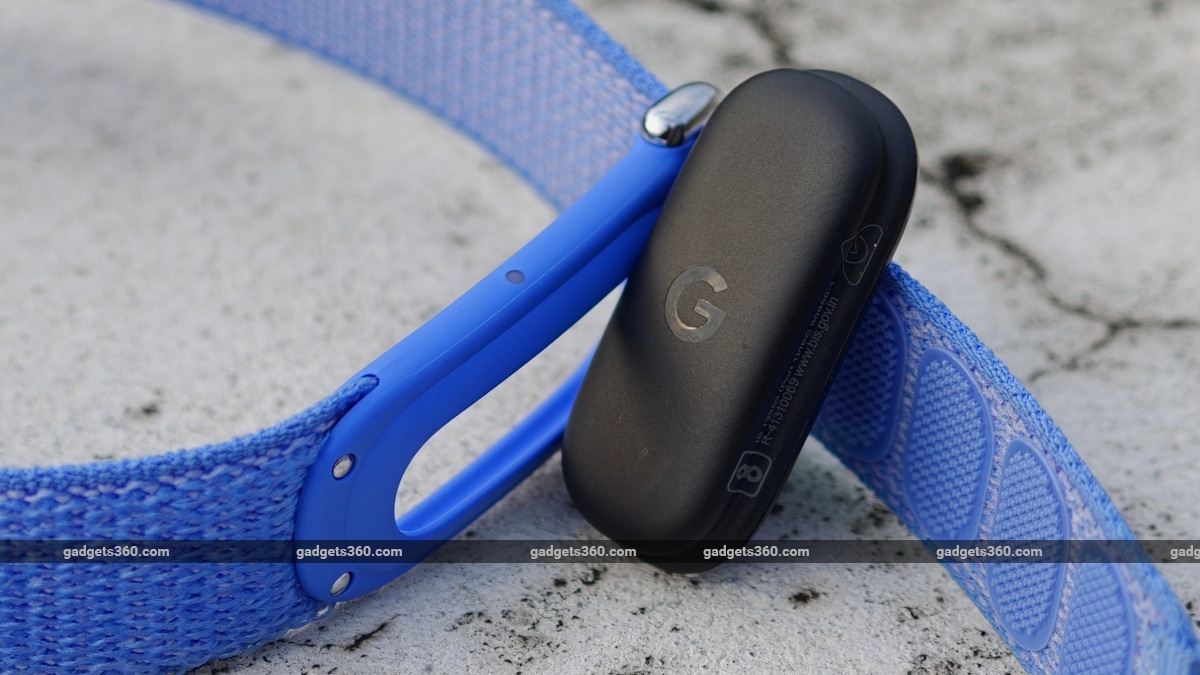
Google claims up to seven days of battery life, with a five-minute charge offering up to a day's use
Google Fitbit Air Verdict
We have reached peak smartwatch fatigue. As screens demand more of our daily attention, the Fitbit Air proves there is still serious value in a wearable that simply shuts up and does its job. After a week of testing, the Fitbit Air makes a convincing case for that approach.
Its biggest strengths are the compact design and the breadth of health information available through Google Health. Sleep monitoring, in particular, offers considerable detail, while heart-rate information, readiness scores, and recovery metrics make it easier to follow activity and wellness trends. The hardware itself is uncomplicated. You don't have to think about notifications, watch faces, or dozens of apps. The Fitbit Air is designed to collect information quietly and leave you to get on with your day.
The software, however, remains a work in progress. Automatic activity detection doesn't always identify the workout, and recovery information needs sufficient historical data to become meaningful. Google Health Coach is another feature with considerable potential, but personalised recommendations must become more dependable before they can justify an ongoing subscription for everyone. At Rs. 13,999, the Fitbit Air isn't the cheapest fitness tracker on the market. Plenty of smart bands offer displays and workout features at lower prices. However, Google's combination of a screenless design, detailed health monitoring, and comprehensive companion software makes it a different proposition.
There's also the inevitable comparison with Whoop, which takes a more specialised approach to performance and recovery analysis. Google's biggest advantage is that tracking features remain available without requiring a recurring subscription. This makes the Fitbit Air a more affordable option for users who want to explore screenless health tracking without committing to an expensive membership.
For someone looking for smartwatch features, the Fitbit Air probably won't make much sense. It lacks built-in GPS, doesn't provide a screen for live info, and relies heavily on the smartphone app. But if health and fitness monitoring are your priorities, there's plenty here to appreciate. The hardware is already exactly what it needs to be: invisible. Now, Google just needs the AI software to match that level of polish.
Google Fitbit Air Rating - 9/10
Pros
- Lightweight design suited to continuous wear
- Detailed health tracking
- Up to a week of battery life with fast charging
- Distraction-free experience
- Useful core features without a subscription
- Value for money
Cons
- Some workouts require manual identification
- AI coaching can be inconsistent
- No built-in GPS
- Heavily dependent on the companion app
- Additional subscription for personalised coaching
Comments
Get your daily dose of tech news, reviews, and insights, in under 80 characters on Gadgets 360 Turbo. Connect with fellow tech lovers on our Forum. Follow us on X, Facebook, WhatsApp, Threads and Google News for instant updates. Catch all the action on our YouTube channel.
Further reading:
Google Fitbit Air
Related Stories


Advertisement
Follow Us




-
![[Sponsored] LG NANO 4K UHD AI TV NU885: Gemini Search, Dolby Atmos & 5 Years of Updates](https://www.gadgets360.com/static/desktop/images/spacer.png)
04:17
[Sponsored] LG NANO 4K UHD AI TV NU885: Gemini Search, Dolby Atmos & 5 Years of Updates -
00:57
[Sponsored] Samsung Galaxy Z Fold8 My Fan Cam in Action: Find the Moment, Then Share It -
01:41
[Sponsored] What Do You Need To Know Before Your Next Run? | Samsung Galaxy Watch Ultra2 -
01:32
[Sponsored] Big Day Tomorrow? Prep Today | Samsung Galaxy Watch Ultra2 -
04:37
[Sponsored]: CP PLUS CarKam CP-F89B: 4K Dashcam With Rear Camera, GPS & Emergency Recording
-
आ गई हवा में उड़ने वाली Tesla Roadster कार, आखिर सच हुआ फिल्मों वाला कमाल
-
रोबोट ने की लड़की से छेड़छाड़, पीछे से पकड़ा और किए गंदे इशारे, जानें
-
PS5 कहां मिलेगा सस्ता, Flipkart या Amazon, जानें सबकुछ
-
Samsung Galaxy F70 5G भारत में लॉन्च, 50MP तीन कैमरा, 5000mAh बैटरी वाला बजट फोन!
-
Flipkart Big Billion Sale 2026: ₹10 हजार से ₹15 हजार में मिल रहे Mivi, Lava, Boltt के AI कैमरा फोन
Advertisement
Popular on Gadgets
- Samsung Galaxy S26 Ultra
- Motorola Razr Fold
- ChatGPT
- OPPO Find N6
- Mobiles Under Rs. 40,000
- Vivo X300 Ultra
- Asus Zenbook S14
- iQOO 15
- Vivo X300 Pro
- Lenovo Yoga Slim 7i Aura Edition
- iQOO 15R
- Vivo X Fold 5
- Sony PlayStation 5
- HP OmniPad 12
- OnePlus Nord CE 6 Lite
- OnePlus Pad 4
- OPPO F33 Pro 5G
- Cryptocurrency
- HP OmniBook Ultra 14 (2026)
- iPhone 17
- Eureka Forbes AP 355 Room Air Purifier
- Latest Mobile Phones
- Compare Phones
Latest Gadgets
- Tecno Spark 50S 5G
- Vivo Y600s Pro
- Vivo Y32 (2026)
- Infinix Smart 20 HD
- Vivo V80
- Vivo S2 FE
- Vivo Y600K Turbo
- Realme P4s Lite
- HP ZBook Ultra G3a
- Dell Pro Rugged 14
- Amazon Alexa Tablet 8
- Amazon Alexa Tablet 11
- Amazfit T-Rex Dual Solar
- OPPO Watch S2
- Toshiba 65-Inch 4K Ultra HD Smart Mini LED QLED TV (65Z670SP)
- Haier M70 Mini LED 65-inch
- Acer Predator Atlas 8
- Asus ROG Ally
- Blue Star 1.5 Ton 5 Star Inverter Split AC (IE518ZNURS)
- Blue Star 2 Ton 3 Star Inverter Window AC (WIE324L)

- About Us
- Sitemaps
- Feedback
- Archives
- Contact Us
- RSS
- Advertise
- Career
- Privacy Policy
- Ethics
- Editorial Policy
- Terms & Conditions
- Complaint Redressal
Download Our Apps
Available in Hindi
© Copyright Red Pixels Ventures Limited 2026. All rights reserved.