-
 Greg Joswiak Says Apple's AI Strategy Focuses on Everyday Users, Not AI Enthusiasts16 October 2026
 -
Apple iPad 12 Specifications Leak With A19 Chip, 8GB RAM and More: What You Need to Know28 September 2026
-
iOS 27 Update for iPhone Rolling Out Today: How to Download, India Release Time, Supported iPhones and More14 September 2026
-
iOS 27: Top New Features, List of Compatible Devices, and More10 September 2026
-
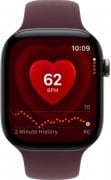
Apple watchOS 27, iPadOS 27 Get New Health and Fitness Features10 September 2026
WWDC 2026: Apple Unveils Its New Gemini-Powered AI Architecture That Will Enable Siri AI
Apple uses private cloud computing to offer enhanced privacy and security to users while they use Siri AI.
Written by Dhruv Raghav, Edited by Ketan Pratap | Updated: 9 June 2026 09:26 IST
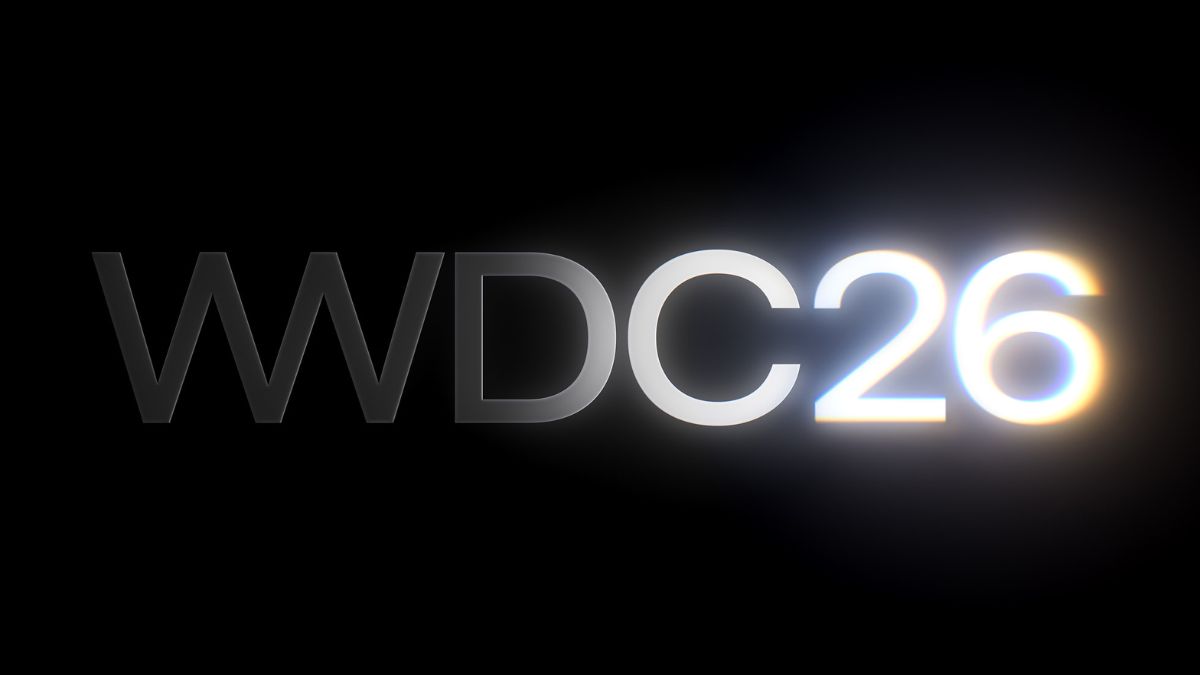
Photo Credit: Apple
Apple's AI architecture brings a system orchestrator
Click Here to Add Gadgets360 As A Trusted Source
Advertisement
Apple kicked off its annual developer conference on Monday. This year's Worldwide Developers Conference (WWDC) started with the keynote presentation from the Cupertino-based tech giant, during which Apple unveiled its new iOS 27, iPadOS 27, macOS 27, visionOS 27, and watchOS 27. However, the keynote presentation also marked the reintroduction of the tech giant's new AI-powered voice assistance, Siri AI, which was first demonstrated during WWDC 2024. Earlier this year, the Tim Cook-led company partnered with Google, allowing Gemini to power the revamped Siri and Apple's foundational AI models. Now, the company has unveiled its new Gemini-powered AI architecture.
New Apple Intelligence Architecture Revealed
During the keynote presentation at the commencement of WWDC 2026, the iPhone-maker unveiled its new Apple Intelligence architecture, with AI models built on Google Gemini. Demonstrated with the help of concentric circles, Apple shows that its foundational models are situated at the core of its AI architecture, bringing new AI tools and features to iPhone, iPad, Mac, Apple Watch, and Apple Vision Pro models.
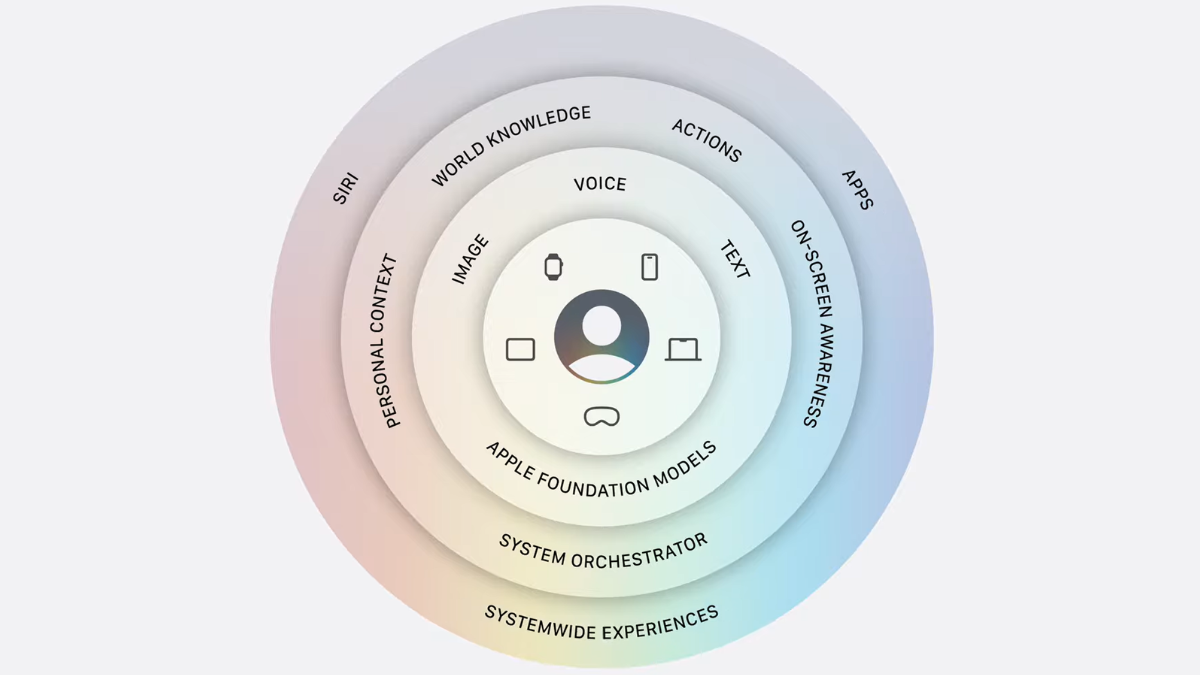
Apple's AI architecture is centred around its foundational AI models
Photo Credit: YouTube/ Apple
Built in collaboration with Google, Apple's foundational AI models support multimodality. This means that they are capable of generating responses based on text, voice, and image-based prompts. Moreover, users can take the help of these tools to generate and edit images using natural language prompts and other references.
Moving outwards, Apple's foundational models are also capable of generating responses based on personal context, further tailoring results best-suited to a user's preferences and past conversations. These AI models are also capable of extracting context from the screen of the device and generating responses based on what is being displayed. On top of this, the AI models are trained on publicly available data, bringing “World Knowledge” to them.
Similar to Gemini's multi-step task automation functionality on Android devices, Apple's foundational models are capable of taking actions on behalf of the users. For example, users can ask Siri AI about the upcoming FIFA World Cup and then ask the voice assistant-tuned-AI agent to look for tickets for a specific match. It is also capable of setting reminders when asked by the user.
Another core component of Apple's revamped AI architecture is a new system orchestrator, which allows Apple's AI tools and security features to work in synchronisation across Apple's native apps on its devices. This system orchestrator also allows the company's foundational AI models to provide responses based on the app being used or the task running in the background. Dubbed “System Experiences”, it also allows Siri AI and apps to work together.
Comments
Get your daily dose of tech news, reviews, and insights, in under 80 characters on Gadgets 360 Turbo. Connect with fellow tech lovers on our Forum. Follow us on X, Facebook, WhatsApp, Threads and Google News for instant updates. Catch all the action on our YouTube channel.
Related Stories


Advertisement
Follow Us




-
![[Sponsored] Galaxy Tab S10 Lite for Students: Notes, Solve Math and More](https://www.gadgets360.com/static/desktop/images/spacer.png)
01:15
[Sponsored] Galaxy Tab S10 Lite for Students: Notes, Solve Math and More -
04:17
[Sponsored] LG NANO 4K UHD AI TV NU885: Gemini Search, Dolby Atmos & 5 Years of Updates -
00:57
[Sponsored] Samsung Galaxy Z Fold8 My Fan Cam in Action: Find the Moment, Then Share It -
01:41
[Sponsored] What Do You Need To Know Before Your Next Run? | Samsung Galaxy Watch Ultra2 -
01:32
[Sponsored] Big Day Tomorrow? Prep Today | Samsung Galaxy Watch Ultra2
-
X पर वीडियो पोस्ट करके जीतें 2.83 लाख रुपये, किकस्टार्ट बोनस शुरू, जानें
-
6500mAh बैटरी वाला फोन Amazon Sale में ₹15 हजार से भी सस्ता हुआ
-
Oura Ring 5 लॉन्च, हेल्थ और मेडिकेशन दोनों की ट्रैकिंग, 7 दिन चलेगी बैटरी
-
₹1800 सस्ता खरीदें Ai+ Nova 2 Power 5G फोन, 7000mAh बैटरी के साथ
-
Amazon Great Indian Sale 2026 में ₹35 हजार रेंज में मिल रहे iQOO, Samsung, OnePlus धांसू फोन, 8000mAh तक बैटरी
Advertisement
Popular on Gadgets
- Samsung Galaxy S26 Ultra
- Motorola Razr Fold
- ChatGPT
- OPPO Find N6
- Mobiles Under Rs. 40,000
- Vivo X300 Ultra
- Asus Zenbook S14
- iQOO 15
- Vivo X300 Pro
- Lenovo Yoga Slim 7i Aura Edition
- iQOO 15R
- Vivo X Fold 5
- Sony PlayStation 5
- HP OmniPad 12
- OnePlus Nord CE 6 Lite
- OnePlus Pad 4
- OPPO F33 Pro 5G
- Cryptocurrency
- HP OmniBook Ultra 14 (2026)
- iPhone 17
- Eureka Forbes AP 355 Room Air Purifier
- Latest Mobile Phones
- Compare Phones
Latest Gadgets
- HMD 2660 Flip Senior Edition
- Lava Aura Curve
- Poco X8s
- Samsung Galaxy F70 5G
- Tecno Spark 50S 5G
- Vivo Y600s Pro
- Vivo Y32 (2026)
- Infinix Smart 20 HD
- Acer TravelLite TL44-53M-G2
- HP ZBook Ultra G3a
- Amazon Alexa Tablet 8
- Amazon Alexa Tablet 11
- Pebble Qore 2
- Amazfit T-Rex Dual Solar
- Toshiba 65-Inch 4K Ultra HD Smart Mini LED QLED TV (65Z670SP)
- Haier M70 Mini LED 65-inch
- Acer Predator Atlas 8
- Asus ROG Ally
- Blue Star 1.5 Ton 5 Star Inverter Split AC (IE518ZNURS)
- Blue Star 2 Ton 3 Star Inverter Window AC (WIE324L)

- About Us
- Sitemaps
- Feedback
- Archives
- Contact Us
- RSS
- Advertise
- Career
- Privacy Policy
- Ethics
- Editorial Policy
- Terms & Conditions
- Complaint Redressal
Download Our Apps
Available in Hindi
© Copyright Red Pixels Ventures Limited 2026. All rights reserved.