-
 WhatsApp May Soon Let Android Users Schedule Messages, Photos and Videos12 October 2026
 -
WhatsApp Could Get a New Contacts Tab With Online Status and Birthday Reminders7 October 2026
-
WhatsApp Could Block Users From Logging In on Outdated Android, iOS Devices6 October 2026
-
WhatsApp Said to Be Testing iOS-Like Appearance for Android With Floating Navigation Bar28 September 2026
-
How to Check BSNL Prepaid Plan and Validity on Your Phone26 September 2026
- Home
- Apps
- Apps Features
- The End of Anonymous WhatsApp? What the SIM Binding Rule Means for User Privacy in India
The End of Anonymous WhatsApp? What the SIM-Binding Rule Means for User Privacy in India
The new mandate may impact people who switch devices frequently, replace SIMs, or use messaging apps across multiple devices.
Written by Shaurya Tomer, Edited by Ketan Pratap | Updated: 1 December 2025 09:43 IST
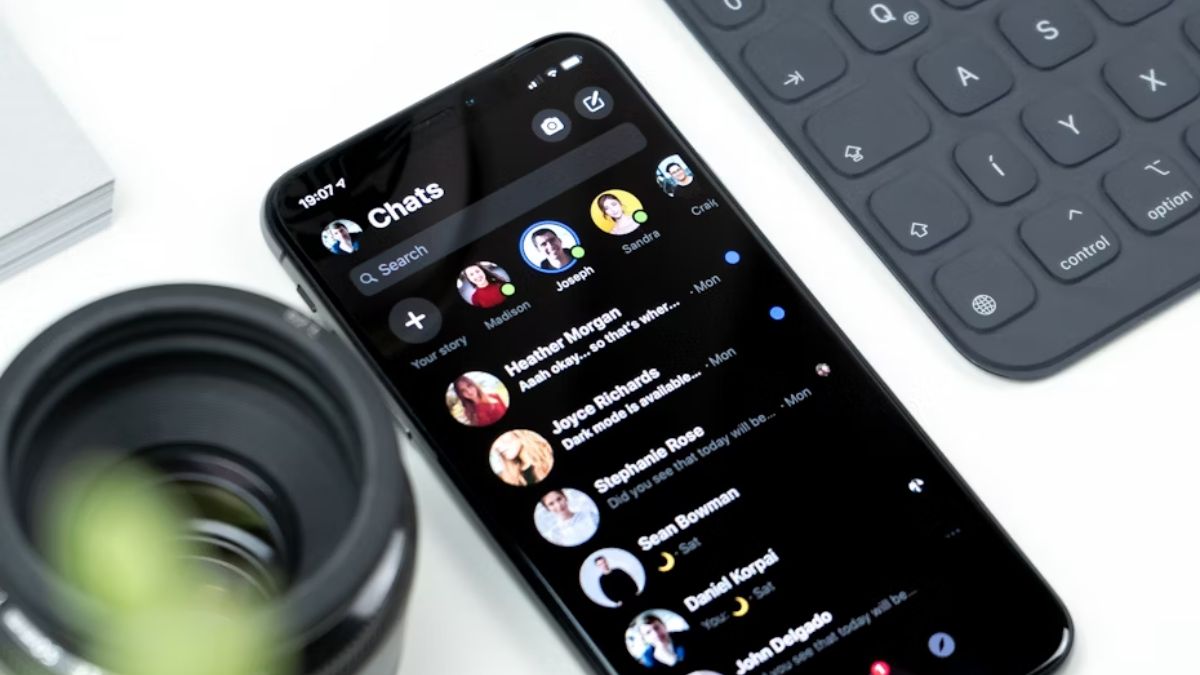
Photo Credit: Unsplash/ Daniel Korpai
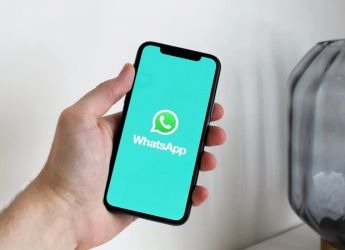
The amendment affects apps like Telegram, Signal, and WhatsApp
Click Here to Add Gadgets360 As A Trusted Source

Advertisement
The Department of Telecommunications (DoT) has announced a major rule that could affect citizens who use messaging services on multiple devices. The new compliance directive mandates instant messaging apps to implement a SIM-based login verification process. This means platforms like Signal, WhatsApp, and Telegram must ensure that users have the same active SIM used during registration present in the device whenever they use the app. As per the DoT, this decision is aimed at curbing fraud and safeguarding the digital ecosystem.
What Is the New SIM-Binding Mandate
The new directive has been issued by the DoT as an amendment to the Telecommunication Cyber Security (TCS) Rules, 2024, notified as the TCS Amendment Rules, 2025. It introduces a requirement for a continuous SIM validation within an implementation period of 90 days.
This is carried out via a process known as SIM binding, where the user's account must be tied to an active SIM card that was present during the registration process, in order to use the app. The mandate also means that users who use instant messaging apps through a linked device, desktop, or web will require periodic re-authentication.
Currently, users can sign in on a platform once and continue to use it even if they change their SIM cards or switch networks. This, however, could soon change.
New SIM-Binding Mandate: 5 Things to Know
- Rationale Behind this Move: As per the DoT, the new compliance directive aims to address rising cases of digital impersonation, financial fraud, online scams, and identity misuse conducted through app-based messaging services. The watchdog states that criminals were exploiting app features that allowed continued account access even after SIM cards were deactivated or removed, using number recycling and similar fraud. SIM binding is expected to ensure that the registered identity remains verifiable and linked to telecom subscriber records at all times. The new amendment is claimed to safeguard India's digital ecosystem against telecom-enabled frauds, strengthen device traceability, and ensure responsible use of telecom identifiers.
- What Has Changed: Per the new amendment, citizens using messaging platforms without a SIM or with a disconnected number will no longer be able to do so. Features such as WhatsApp Web, Telegram Desktop, or multiple-device chat sync will now require periodic authentication checks through the primary smartphone on which the SIM card is installed. Other apps, such as banking and financial services, already enforce restrictions around active SIM presence and restricted multi-device access.
- Who is Affected: The mandate applies to all messaging platforms classified under Telecommunication Identifier User Entities or TIUE. This includes commonly used services such as WhatsApp, Telegram, Signal, Snapchat, and Meta's Messenger. It also applies to Indian apps like JioChat, Josh, and Arattai.
- What Do Apps Need to Do: DoT says messaging service providers must implement continuous SIM verification checks, enforce automatic logout for secondary devices every six hours, and restrict operations if the SIM is removed or changed. There is a 90-day implementation period for the mandate.
- What Do Users Need to Ensure: To continue using the messaging platforms, users must keep the same active SIM inserted in the primary smartphone used during the account registration process. If the number changes, users may need to re-register on the app or verify again. Apart from this, accessing the messaging services through laptops or desktops via the web will require periodic authentication using the primary linked device.
The new mandate may impact people who switch devices frequently, replace SIMs, travel internationally with inactive domestic numbers, or use messaging apps across multiple devices.
Comments
Get your daily dose of tech news, reviews, and insights, in under 80 characters on Gadgets 360 Turbo. Connect with fellow tech lovers on our Forum. Follow us on X, Facebook, WhatsApp, Threads and Google News for instant updates. Catch all the action on our YouTube channel.
Related Stories




Advertisement
Follow Us




-
![[Sponsored]: CP PLUS CarKam CP-F89B: 4K Dashcam With Rear Camera, GPS & Emergency Recording](https://www.gadgets360.com/static/desktop/images/spacer.png)
04:37
[Sponsored]: CP PLUS CarKam CP-F89B: 4K Dashcam With Rear Camera, GPS & Emergency Recording -
04:23
[Partner Content] Your Phone Can Do WAY More Than You Think | OPPO ColorOS 16 -
01:59
Samsung Galaxy Z Fold8 Ultra: Unfold the Ultra Night -
03:24
Apple Pay Launches In India: Supported Devices, Cards And Payments Explained -
00:21
[Sponsored] Samsung Galaxy Z Fold8, Fold8 Ultra
-
एक चार्ज में 1008km रेंज, 9 मिनट में होगी फास्ट चार्ज! BYD Da Han लॉन्च
-
Samsung Galaxy A56 vs Motorola Edge 70 Fusion Deal: 30 हजार में क्या लें
-
Apple का 7 इंच स्क्रीन वाला AI डिवाइस लॉन्च, करेगा बात और चलाएगा गाने!
-
Amazon Great Indian Festival Sale 2026: ₹35 हजार में OnePlus का 8000mAh बैटरी, Snapdragon चिप वाला फोन
Advertisement
Popular on Gadgets
- Samsung Galaxy S26 Ultra
- Motorola Razr Fold
- ChatGPT
- OPPO Find N6
- Mobiles Under Rs. 40,000
- Vivo X300 Ultra
- Asus Zenbook S14
- iQOO 15
- Vivo X300 Pro
- Lenovo Yoga Slim 7i Aura Edition
- iQOO 15R
- Vivo X Fold 5
- Sony PlayStation 5
- HP OmniPad 12
- OnePlus Nord CE 6 Lite
- OnePlus Pad 4
- OPPO F33 Pro 5G
- Cryptocurrency
- HP OmniBook Ultra 14 (2026)
- iPhone 17
- Eureka Forbes AP 355 Room Air Purifier
- Latest Mobile Phones
- Compare Phones
Latest Gadgets
- Vivo Y600s Pro
- Vivo Y32 (2026)
- Infinix Smart 20 HD
- Vivo V80
- Vivo S2 FE
- Vivo Y600K Turbo
- Realme P4s Lite
- Vivo S60t
- Dell Pro Rugged 14
- Dell Pro Rugged 13 Extreme
- Amazon Alexa Tablet 8
- Amazon Alexa Tablet 11
- Amazfit T-Rex Dual Solar
- OPPO Watch S2
- Toshiba 65-Inch 4K Ultra HD Smart Mini LED QLED TV (65Z670SP)
- Haier M70 Mini LED 65-inch
- Acer Predator Atlas 8
- Asus ROG Ally
- Blue Star 1.5 Ton 5 Star Inverter Split AC (IE518ZNURS)
- Blue Star 2 Ton 3 Star Inverter Window AC (WIE324L)

- About Us
- Sitemaps
- Feedback
- Archives
- Contact Us
- RSS
- Advertise
- Career
- Privacy Policy
- Ethics
- Editorial Policy
- Terms & Conditions
- Complaint Redressal
Download Our Apps
Available in Hindi
© Copyright Red Pixels Ventures Limited 2026. All rights reserved.