-
 Google Announces Play Catalog Access Program for Third-Party App Stores on Android Devices15 July 2026
 -
Apple May Be Required to Allow External App Payments, Third-Party NFC Access in UK: Report30 June 2026
-
Google Play Store to Allow External Payments From June 30 in Select Global Markets25 June 2026
-
Jack Dorsey-Backed Divine Brings Popular Vine Platform Back to Life Using Open Protocols30 April 2026
-
How to Bypass Android's 24-Hour Delay and Install Third-Party Apps on Your Phone22 March 2026
Google Blocked 266 Million Risky App Installs, Prevented 1.75 Million Policy-Violating Apps in 2025
Google says it enhanced its anti-spam systems, which resulted in the blocking of 160 million spam ratings and reviews.
Written by Shaurya Tomer, Edited by Ketan Pratap | Updated: 20 February 2026 14:27 IST

Photo Credit: Google
The company protected users from 872,000 unique high-risk applications
Click Here to Add Gadgets360 As A Trusted Source
Advertisement
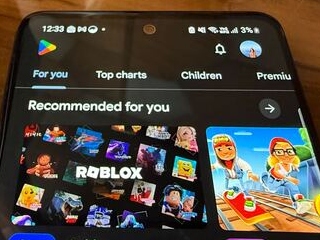
Google on Thursday detailed its new enforcement measures to keep the Android ecosystem secure in 2025. In its annual security update, the Mountain View-based tech giant highlighted how it strengthened protections across Google Play, while blocking millions of harmful apps that could've spread malware, financial fraud, hidden subscriptions, and privacy invasions, before they could reach users. The company leveraged detection tools powered by artificial intelligence (AI) and ecosystem-wide collaborations.
Google's 2025 Security Efforts
Google blocked more than 1.75 million apps from being published on Google Play in 2025 for violating its policies, the company explained in a security blog dated February 19. The tech giant also banned over 80,000 developer accounts that were found to be associated with malicious activity, fraud, or repeated policy violations.
Apart from this, Google's report mentions that it prevented over 255,000 apps from gaining unnecessary access to sensitive user data. The tech giant strengthened its privacy policies and continued promoting privacy-forward development through tools like Play Policy Insights in Android Studio and the Data Safety section on Google Play. These measures are claimed to be designed to encourage developers to minimise privacy-sensitive permission requests and prioritise user-centric design practices.
To preserve trust in app discovery, Google enhanced its anti-spam systems, which resulted in the blocking of 160 million spam ratings and reviews, including artificially inflated or deflated feedback. The company says its protections also prevented an average 0.5-star rating drop for apps targeted by review bombing campaigns, shielding both users and developers from misleading or manipulative reviews.
The company says its generative AI-powered review systems now analyse apps earlier in the development lifecycle, helping detect malware, spyware, and financial scam apps before they are submitted to the Play Store. In addition to existing safeguards, the company introduced new layers of protection last year to prevent younger users from discovering or downloading apps related to activities such as gambling or dating.
As per Google, Android's built-in malware protection service, dubbed Google Play Protect, was further enhanced in the previous year. Originally piloted in Singapore, it was expanded to 185 markets, covering more than 2.8 billion Android devices. The tech giant says this system analyses and automatically blocks installation attempts for apps that may abuse sensitive permissions to commit financial fraud.
It also blocked 266 million risky installation attempts in 2025 and protected users from 872,000 unique high-risk applications through this system.
Lastly, new protections targeting social engineering attacks conducted during phone calls were also introduced. Google's new in-call scam protection feature prevents users from disabling Play Protect while on an active call. This is designed to stop fraudsters from convincing victims to turn off built-in security defences and install malicious apps mid-call.
Comments
Get your daily dose of tech news, reviews, and insights, in under 80 characters on Gadgets 360 Turbo. Connect with fellow tech lovers on our Forum. Follow us on X, Facebook, WhatsApp, Threads and Google News for instant updates. Catch all the action on our YouTube channel.
Related Stories




Google Blocked 266 Million Risky App Installs, Prevented 1.75 Million Policy-Violating Apps in 2025


Advertisement
Follow Us




-
04:37
[Sponsored]: CP PLUS CarKam CP-F89B: 4K Dashcam With Rear Camera, GPS & Emergency Recording -
04:23
[Partner Content] Your Phone Can Do WAY More Than You Think | OPPO ColorOS 16 -
01:59
Samsung Galaxy Z Fold8 Ultra: Unfold the Ultra Night -
03:24
Apple Pay Launches In India: Supported Devices, Cards And Payments Explained -
00:21
[Sponsored] Samsung Galaxy Z Fold8, Fold8 Ultra
-
Flipkart Big Billion Days Sale: Samsung Galaxy S25 और S25 FE पर धांसू डील
-
बड़े साइज के TV पर 40% तक छूट, Hisense की सेल में कीमत ₹25 हजार से शुरू
-
Flipkart Big Billion Days Sale 2026: Ai+ के 6 स्मार्टफोन्स पर डील्स
-
150 इंच की स्क्रीन पर घर में बनेगा सिनेमा, Hisense का नया 4K Laser Projector 240Hz गेमिंग सपोर्ट के साथ लॉन्च
Advertisement
Popular on Gadgets
- Samsung Galaxy S26 Ultra
- Motorola Razr Fold
- ChatGPT
- OPPO Find N6
- Mobiles Under Rs. 40,000
- Vivo X300 Ultra
- Asus Zenbook S14
- iQOO 15
- Vivo X300 Pro
- Lenovo Yoga Slim 7i Aura Edition
- iQOO 15R
- Vivo X Fold 5
- Sony PlayStation 5
- HP OmniPad 12
- OnePlus Nord CE 6 Lite
- OnePlus Pad 4
- OPPO F33 Pro 5G
- Cryptocurrency
- HP OmniBook Ultra 14 (2026)
- iPhone 17
- Eureka Forbes AP 355 Room Air Purifier
- Latest Mobile Phones
- Compare Phones
Latest Gadgets
- Vivo V80
- Vivo S2 FE
- Vivo Y600K Turbo
- Realme P4s Lite
- Vivo S60t
- OPPO F35 5G
- OPPO F35 Pro 5G
- Samsung Galaxy F08
- Dell 14 Plus 2-in-1 (AMD Ryzen AI 7 350, 2025)
- Microsoft Surface Laptop, 13-inch (2nd Edition)
- Samsung Galaxy Tab S12+
- Samsung Galaxy Tab S12 Ultra
- Amazfit T-Rex Dual Solar
- OPPO Watch S2
- Toshiba 65-Inch 4K Ultra HD Smart Mini LED QLED TV (65Z670SP)
- Haier M70 Mini LED 65-inch
- Acer Predator Atlas 8
- Asus ROG Ally
- Blue Star 1.5 Ton 5 Star Inverter Split AC (IE518ZNURS)
- Blue Star 2 Ton 3 Star Inverter Window AC (WIE324L)

- About Us
- Sitemaps
- Feedback
- Archives
- Contact Us
- RSS
- Advertise
- Career
- Privacy Policy
- Ethics
- Editorial Policy
- Terms & Conditions
- Complaint Redressal
Download Our Apps
Available in Hindi
© Copyright Red Pixels Ventures Limited 2026. All rights reserved.