-
 WhatsApp Said to Be Testing iOS-Like Appearance for Android With Floating Navigation Bar28 September 2026
 -
How to Check BSNL Prepaid Plan and Validity on Your Phone26 September 2026
-
WhatsApp Reportedly Brings Third-Party Agent Chats to iOS Beta Users22 September 2026
-
WhatsApp May Let You Share Custom Wallpapers and Chat Themes With Others21 September 2026
-
How to Stop WhatsApp From Automatically Downloading Photos and Videos: A Step-by-Step Guide19 September 2026
Meta Reportedly Warns WhatsApp Users About Fake App Spying on Android, iPhone Users
Asigint, an Italian firm, reportedly created the fake WhatsApp app used for spying on users.
Written by Dhruv Raghav, Edited by David Delima | Updated: 2 April 2026 14:05 IST
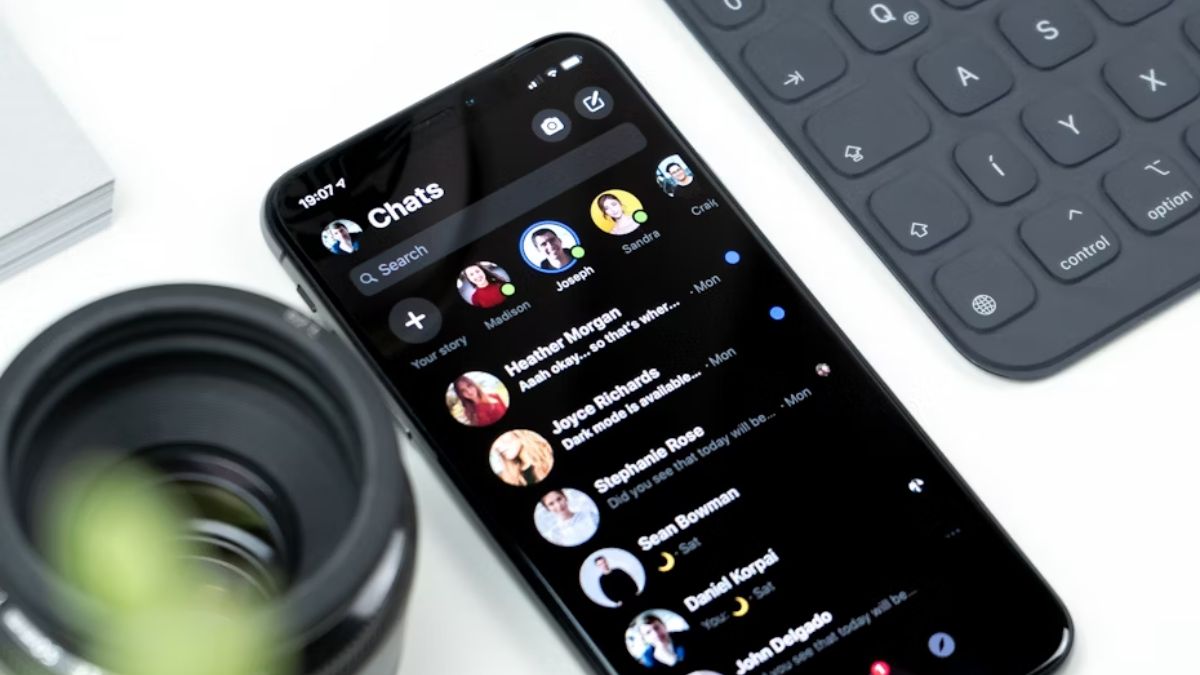
Photo Credit: Unsplash
WhatsApp offers end-to-end encrypted chats as a security measure
Click Here to Add Gadgets360 As A Trusted Source

Advertisement
Meta recently introduced new scam and fraud protection tools for the instant messaging platform WhatsApp, including a new device linkage warning system, designed to alert users if a suspected bad actor remotely attempts to take over a victim's account. However, hackers have also started using innovative ways to target users, especially with the rise in spyware adoption. On Wednesday, the Mark Zuckerberg-led tech giant issued a statement to alert users about a fake WhatsApp app, which is being used to spy on users, primarily in Italy, according to a report. The spyware reportedly targeted about 200 Android and iPhone users.
Android, iPhone Users Sideloading Fake WhatsApp Could Be at Risk
The US-based tech giant, in a statement given to Italy's Agenzia Nazionale Stampa Associata (ANSA), warned about a fake WhatsApp app, which was being used to spy on approximately 200 Android and iPhone users, especially in Italy. Meta reportedly said that the company has disconnected the affected accounts and warned the victims of the privacy and security risks.
As per the report, the fake WhatsApp app was created by Asigint, which is part of Italy's Cantu-based Sio Spa Group. The tech giant believes that hackers at Asigint employed social engineering techniques to dupe a “limited number of users” into downloading the spyware, posing as the official version of WhatsApp. The bad actors could have been looking to remotely gain access to the users' accounts and devices. The report added that it is planning to send a formal warning to the Sio Spa-controlled firm “to cease any malicious activity”.
La Repubblica reports that Meta claims that spyware does not exploit any inherent vulnerabilities within WhatsApp. Hence, the official WhatsApp app remains safe to use. The company is reportedly urging users in the EU to download the instant messaging app from vetted platforms. The company reportedly said that it is not “experiencing a breach of WhatsApp's official apps, infrastructure, or encryption”.
Apart from gaining access to the device, the spyware potentially gave unchecked access to a user's chats with others, as the fake version, unlike the official WhatsApp app, does not support end-to-end encryption, which allows only devices with the encryption keys to read the correspondence between two users. Similarly, it poses a major privacy risk, as it could allow hackers to access private data and credentials on a device.
In 2024, Apple allowed users in 27 EU countries to sideload apps and third-party marketplaces, complying with the Digital Markets Act (DMA). The option to sideload apps on Android devices was already available to users globally. However, the EU, with its DMA, stated that Google and Apple command a monopoly by only offering the Play Store and App Store on Android and iOS devices, respectively.
Comments
Get your daily dose of tech news, reviews, and insights, in under 80 characters on Gadgets 360 Turbo. Connect with fellow tech lovers on our Forum. Follow us on X, Facebook, WhatsApp, Threads and Google News for instant updates. Catch all the action on our YouTube channel.
Related Stories






Advertisement
Follow Us




-
![[Sponsored] Samsung Galaxy Z Fold8, Fold8 Ultra](https://www.gadgets360.com/static/desktop/images/spacer.png)
00:21
[Sponsored] Samsung Galaxy Z Fold8, Fold8 Ultra -
03:41
[Sponsored] Samsung Galaxy Z Fold8: How It Fits Into an Actor’s Busy Day | Camera, Multitasking & More -
09:53
iPhone 18 Goes On Sale In India: Huge Crowds, Long Queues At Apple Stores -
06:32
Google Pixel 11 Pro XL Review: The Most Exciting Pixel Yet? | 120X Zoom + Tensor G6 -
05:20
Samsung Galaxy Watch Ultra 2 Review: Is This the Best Android Smartwatch?
-
Amazon vs Flipkart Sale: iPhone 17 ₹79,999 में, iPhone 15 ₹63,999 से शुरू
-
HMD 106 Pure लेटेस्ट फीचर फोन हुआ पेश, कीमत ₹1,100 के करीब
-
1 स्पीकर में 3 के मजे! Portronics ने भारत में लॉन्च किया AuraTrio
-
मात्र ₹500 में आने वाले 10 TWS ईयरफोन, 50 घंटे तक चलेगी बैटरी
-
भारत में स्मार्ट TV के मार्केट में Xiaomi का जोरदार परफॉर्मेंस, 1 करोड़ से ज्यादा हुआ यूजर बेस
Advertisement
Popular on Gadgets
- Samsung Galaxy S26 Ultra
- Motorola Razr Fold
- ChatGPT
- OPPO Find N6
- Mobiles Under Rs. 40,000
- Vivo X300 Ultra
- Asus Zenbook S14
- iQOO 15
- Vivo X300 Pro
- Lenovo Yoga Slim 7i Aura Edition
- iQOO 15R
- Vivo X Fold 5
- Sony PlayStation 5
- HP OmniPad 12
- OnePlus Nord CE 6 Lite
- OnePlus Pad 4
- OPPO F33 Pro 5G
- Cryptocurrency
- HP OmniBook Ultra 14 (2026)
- iPhone 17
- Eureka Forbes AP 355 Room Air Purifier
- Latest Mobile Phones
- Compare Phones
Latest Gadgets
- HMD Vibe 2 Pro 5G
- OPPO K14 Plus 5G
- Lava Shark 2 Pro 5G
- Ai+ Pulse 2 FE
- OPPO Reno 16t
- Itel Zeno 300
- Vivo Y600i
- Mivi One 5G
- Dell 14 Plus 2-in-1 (AMD Ryzen AI 7 350, 2025)
- Microsoft Surface Laptop, 13-inch (2nd Edition)
- iQOO Pad Ultra
- Ai+ NovaTab
- Amazfit T-Rex Dual Solar
- OPPO Watch S2
- Toshiba 65-Inch 4K Ultra HD Smart Mini LED QLED TV (65Z670SP)
- Haier M70 Mini LED 65-inch
- Acer Predator Atlas 8
- Asus ROG Ally
- Blue Star 1.5 Ton 5 Star Inverter Split AC (IE518ZNURS)
- Blue Star 2 Ton 3 Star Inverter Window AC (WIE324L)

- About Us
- Sitemaps
- Feedback
- Archives
- Contact Us
- RSS
- Advertise
- Career
- Privacy Policy
- Ethics
- Editorial Policy
- Terms & Conditions
- Complaint Redressal
Download Our Apps
Available in Hindi
© Copyright Red Pixels Ventures Limited 2026. All rights reserved.