Get Alerts
From Gadgets 360

Google is an American company specializing in Internet-related services and products. These include online advertising technologies, search, cloud computing, software, and hardware. The company owns the Android operating system, which is the world's most popular smartphone OS. Google's impressive portfolio of services includes Gmail, YouTube, and Google Search, making it one of the biggest Internet companies in the world.





Google Latest News View All News
-
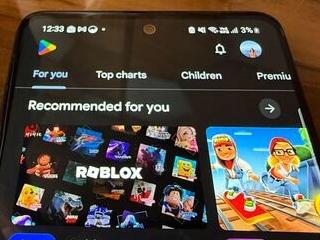
Google Play Store ‘Shop Devices’ Feature Goes Live in India With Pixel Phones and Accessories Updated: 15 October 2026

-
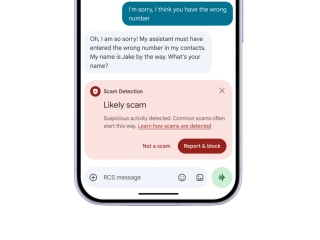
Google AI to Add More Anti-Scam Protections to Messages and Calls on Android Devices Updated: 15 October 2026
-
Google Play Store Adds Vibe-Coded Apps, AI App Comparisons and Personalised Game Discovery Updated: 14 October 2026
-
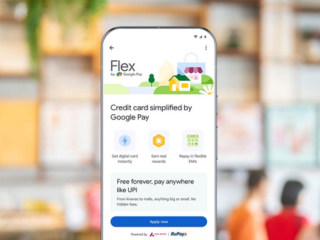
Google Pay Flex Credit Card Gets New Rewards: More Stars on UPI Spending, Google One Benefits Updated: 14 October 2026
-
Google Gemini 4 Argon Launched Globally for Developers and Enterprises Updated: 13 October 2026
-
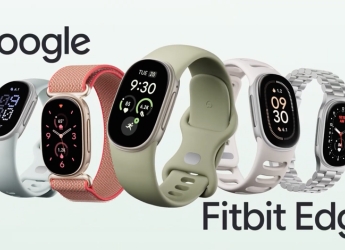
Google Launches Fitbit Edge With AMOLED Screen, Built-In GPS and Health Coach Features: Price, Specifications Updated: 13 October 2026

Google Reviews View All Reviews
-
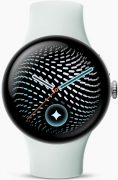
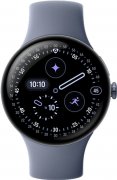
Google Pixel Watch 5
-
Google Pixel 11 Pro XL
-
Google Pixel 11
-
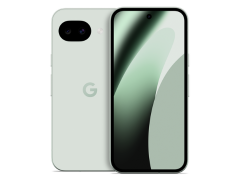
Google Pixel 10a
Google Pixel Watch 5 Review
- Design and comfort
- Tracking accuracy
- Companion app
- Software and ecosystem
- Battery life
- Good
- On-device Gemini is now more useful without a phone
- Solid battery life with fast-charging support
- Beautiful display and design
- Improved GPS
- Bad
- Design is unchanged from the Pixel Watch 4
- Generative AI watch faces could have been better cooked
- Expensive
- Plenty of features not available at launch
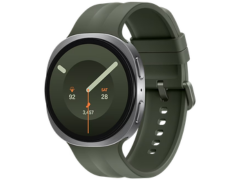
Google always hints at its Pixel keynotes that the star of the show isn't just the phones, and this year it was even clearer. The Pixel Watch 5 might not look like a new smartwatch, with the same rounded case, crown, and domed glass that have defined the Pixel Watch range. But nearly everything running underneath it has changed in ways that matter day to day. I used the Pixel Watch 5 for over a week for workdays, sleep tracking, and daily morning walks.
Google Pixel 11 Pro XL Review
- Design
- Display
- Software
- Performance
- Battery Life
- Camera
- Value for Money
- Good
- Stunning design
- Fantastic display
- Magic Capture is genuinely excellent
- Rambler is one of the best voice-typing tools on Android, full stop
- Solid cameras
- 7 years of OS updates
- Bad
- More expensive than last year (Pro XL model)
- Google AI Pro is now bundled for 6 months instead of a full year
- HiLight is more of a design element than a useful feature, with no third-party app support
- Not built for serious gaming
- Wired charging still behind the competition
The Pixel 11 series is one of Google's bravest attempts to make Gemini mainstream. In fact, when you boot the phone, the new Pixel 11 models flash Gemini Intelligence during boot, suggesting the company is no longer treating it as a party trick but as a real tool for users, with multiple AI features baked in. I have been using the Pixel 11 Pro XL as my primary device for the last few days for work, photos, and more late-night doomscrolling on social media than I'd like to admit. Two things are very clear: first, Google isn't interested in the spec wars a lot of Chinese brands keep referencing during their keynotes; and second, it isn't trying to reinvent the phone this year.
Google Pixel 11 Review
- Design
- Display
- Software
- Performance
- Battery Life
- Camera
- Value for Money
- Good
- Compact and comfortable design
- Good camera performance
- Clean and polished Android 17 experience
- Seven years of software and security updates
- Bad
- No variable refresh rate on the display
- Gaming performance falls behind rivals
- Still requires charge at the end of the day
If you've looked at any Pixel over the past few generations, you already know Google's playbook: AI runs the show and hardware plays second fiddle. Thus, buying a Pixel has meant buying directly into Google's AI vision. The standard Pixel 11 doubles down on that philosophy and carries that torch forward, even though it skips the extravagant camera hardware and spec-sheet flexing reserved for its Pro siblings. Instead, it takes the familiar Pixel formula, which is clean software, computational photography, and a distinctive design with AI layered on top.
Google Pixel 10a Review
- Design
- Display
- Software
- Performance
- Battery Life
- Camera
- Value for Money
- Good
- Minimalist and compact design
- Bright HDR-certified display
- Reliable still camera performance
- Clean UI with handy AI features
- 7 years of updates
- Wireless charging
- Good battery life
- Bad
- Thick display borders
- Average video recording quality
Google's Pixel a series of smartphones evolved from what were essentially mid-range devices into premium devices in India. While the transition did not make sense until the 7a, the 8a introduced some premium features like a high-refresh-rate display, wireless charging and an updated chipset to keep up with the times. With the Pixel 9a, we saw a complete redesign, one that stands out even today with the launch of the Pixel 10a. There's no device that looks like it, and there is currently no device in its segment which offers the same bloatware-free Pixel software experience (with the usual Pixel smarts). But in this competitive premium segment, does Google's a-series formula hold any water in 2026?
Latest Features
-
Best TVs Under Rs. 50,000 in India to Buy During Amazon and Flipkart SaleWritten by Nithya P Nair, 13 October 2026
-
Best Compact Smartphones to Buy During Amazon, Flipkart SaleWritten by Shaurya Tomer, 13 October 2026
-
Best Phones for Long-Term Use in India: Apple iPhone 17, Google Pixel 10a and MoreWritten by Sheldon Pinto, 13 October 2026
-
Best Camera Phones Under Rs 75,000 in India: Reno 16, Samsung Galaxy S25, Motorola Edge 70 Max, and MoreWritten by Sucharita Ganguly, 13 October 2026
-
How to Scan Documents With an Android Phone: A Step-by-Step GuideWritten by Dhruv Raghav, 13 October 2026
-
Best Phones for Video Recording in India Under Rs. 1 Lakh: From iPhone 17 to Google Pixel 11 and MoreWritten by Dhruv Raghav, 13 October 2026
Google Videos View All Videos
-
06:32
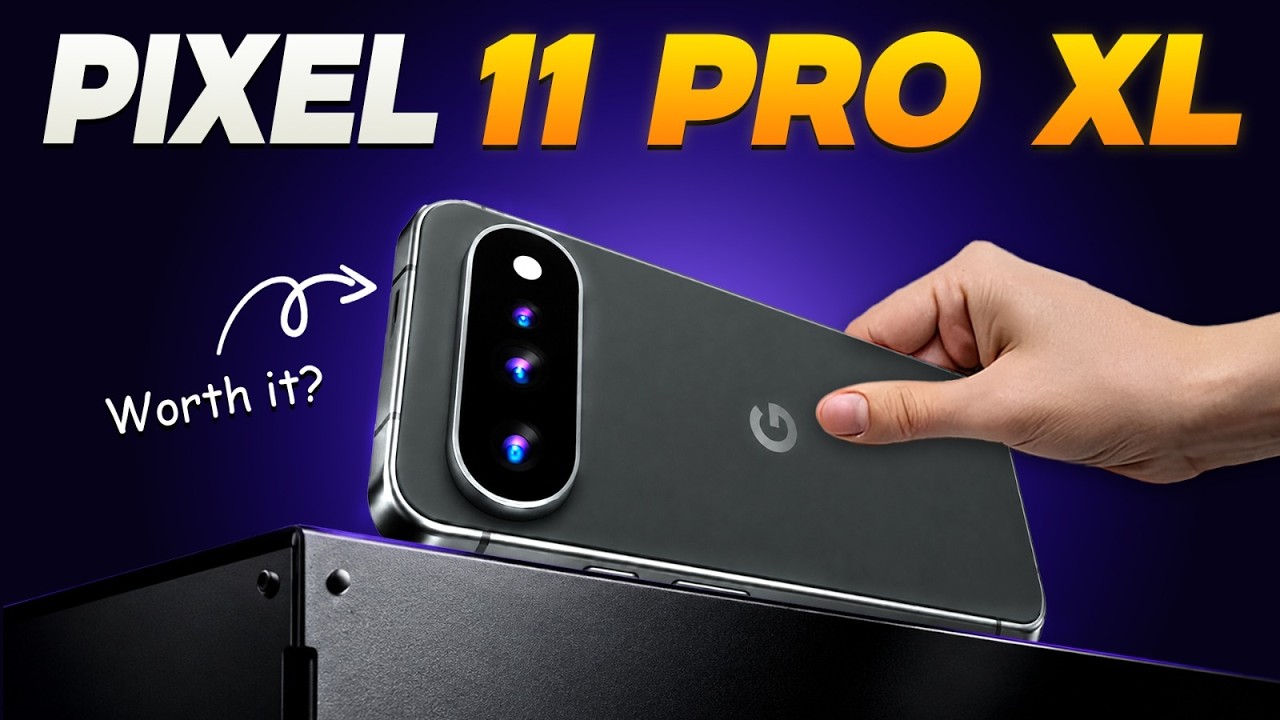
Google Pixel 11 Pro XL Review: The Most Exciting Pixel Yet? | 120X Zoom + Tensor G6
-
04:40
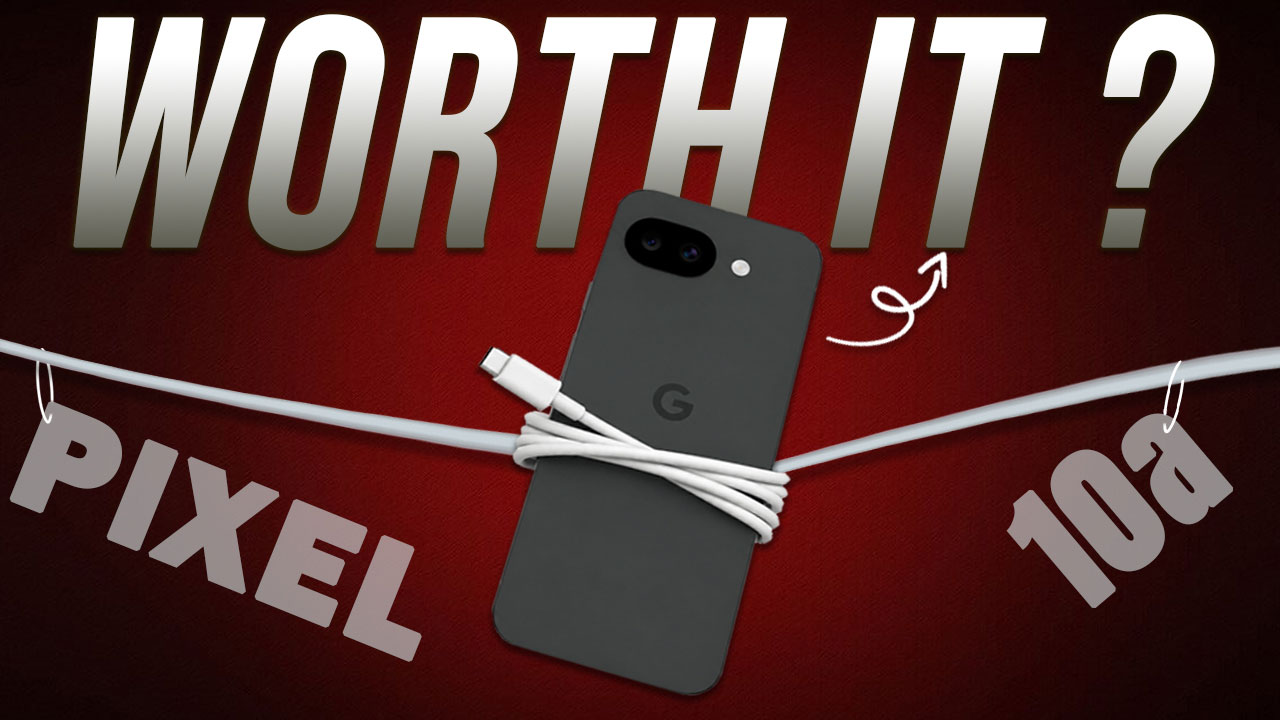
Google Pixel 10a | Don't Buy Before Watching This | Best Budget Phone or Overhyped?
-
04:40
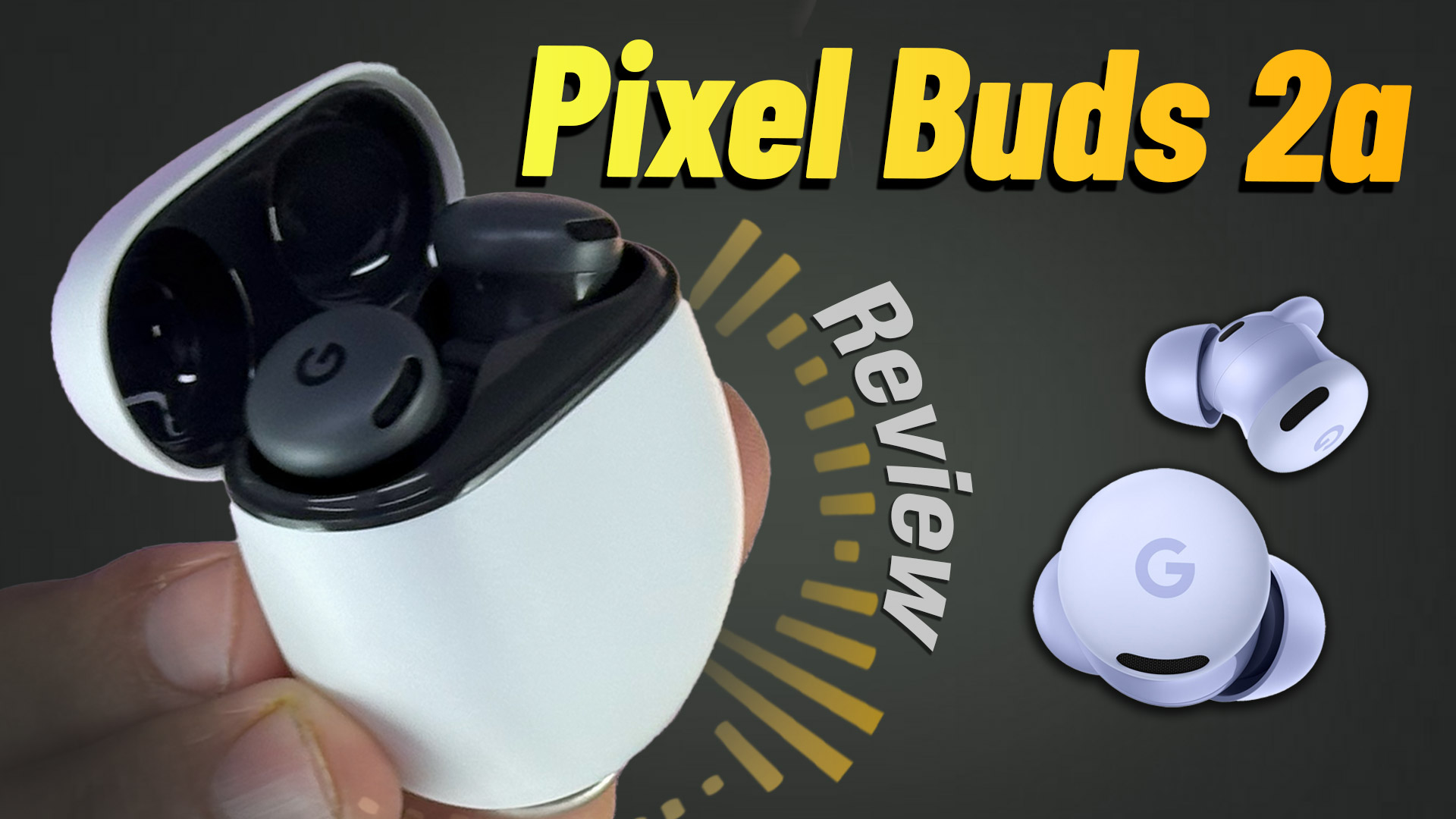
Google Pixel Buds 2a Review | Best Budget Earbuds 2025
-
01:45
Google AI Pro subscription Is Free For Students. Here's What You Get
-
02:05
Gadgets 360 With Technical Guruji: News of the Week [July 5, 2025]
-
02:29
Google Pixel 10 Leaks: New Camera Setup, Tensor G5 and More

![Gadgets 360 With Technical Guruji: News of the Week [July 5, 2025]](https://c.ndtvimg.com/2025-07/on2ghsbc_news-of-the-week_160x120_05_July_25.jpg?downsize=260:*)

Trending






Advertisement
Best Mobile Phones
- Best Mobile Phones
- Best Camera Mobile Phones
- Best Mobile Phones Under 10000
- Best Mobile Phones Under 15000
- Best Mobile Phones Under 20000
- Best Mobile Phones Under 25000
- Best Mobile Phones Under 30000
- Best Mobile Phones Under 35000
- Best Mobile Phones Under 40000
- Mobile Phones between 10000 to 15000
- Best Camera Mobile Phones Under 15000
- Best Camera Mobile Phones Under 20000
- Best Camera Mobile Phones Under 25000
- Best Camera Mobile Phones Under 30000
- Best 5G Mobile Phones Under 15000
- Best 5G Mobile Phones Under 20000
- Best 5G Mobile Phones Under 25000
- Best 5G Mobile Phones Under 30000
- Best 5G Mobile Phones Under 40000
- Best 5G Mobile Phones Under 50000
Advertisement
Popular on Gadgets
- Samsung Galaxy S26 Ultra
- Motorola Razr Fold
- ChatGPT
- OPPO Find N6
- Mobiles Under Rs. 40,000
- Vivo X300 Ultra
- Asus Zenbook S14
- iQOO 15
- Vivo X300 Pro
- Lenovo Yoga Slim 7i Aura Edition
- iQOO 15R
- Vivo X Fold 5
- Sony PlayStation 5
- HP OmniPad 12
- OnePlus Nord CE 6 Lite
- OnePlus Pad 4
- OPPO F33 Pro 5G
- Cryptocurrency
- HP OmniBook Ultra 14 (2026)
- iPhone 17
- Eureka Forbes AP 355 Room Air Purifier
- Latest Mobile Phones
- Compare Phones
Latest Gadgets
- Vivo Y600s Pro
- Vivo Y32 (2026)
- Infinix Smart 20 HD
- Vivo V80
- Vivo S2 FE
- Vivo Y600K Turbo
- Realme P4s Lite
- Vivo S60t
- HP ZBook Ultra G3a
- Dell Pro Rugged 14
- Amazon Alexa Tablet 8
- Amazon Alexa Tablet 11
- Amazfit T-Rex Dual Solar
- OPPO Watch S2
- Toshiba 65-Inch 4K Ultra HD Smart Mini LED QLED TV (65Z670SP)
- Haier M70 Mini LED 65-inch
- Acer Predator Atlas 8
- Asus ROG Ally
- Blue Star 1.5 Ton 5 Star Inverter Split AC (IE518ZNURS)
- Blue Star 2 Ton 3 Star Inverter Window AC (WIE324L)

- About Us
- Sitemaps
- Feedback
- Archives
- Contact Us
- RSS
- Advertise
- Career
- Privacy Policy
- Ethics
- Editorial Policy
- Terms & Conditions
- Complaint Redressal
Download Our Apps
Available in Hindi
© Copyright Red Pixels Ventures Limited 2026. All rights reserved.