

-
 MacBook Pro With PROLED XDR Display and M5 Pro Chip Visits Geekbench Revealing Performance Figures3 November 2026
-
Apple May Discontinue Non-Touch MacBook Pro Models Next Year: Mark Gurman2 November 2026
-
Apple Taking a Gradual Approach to Bring Touchscreen Capabilities to macOS: Report30 October 2026
-
MacBook Pro (2026) Launched in India With 14-Inch Display, Apple’s M6 Chip: Price, Specifications27 October 2026
-
Apple’s First MacBook Pro With OLED Display to Launch at a Notably Higher Price Than the Current Generation: Report23 October 2026
- Home
- Laptops
- Laptops News
- Apple Working With Samsung and LG to Explore Cheaper Ways to Manufacturer MacBook Pro OLED Displays
Apple Working With Samsung and LG to Explore Cheaper Ways to Manufacturer MacBook Pro OLED Displays
The new and advanced display technology will reportedly be used in future MacBooks and iMacs
Written by Sheldon Pinto, Edited by Rohan Pal | Updated: 4 November 2026 13:53 IST
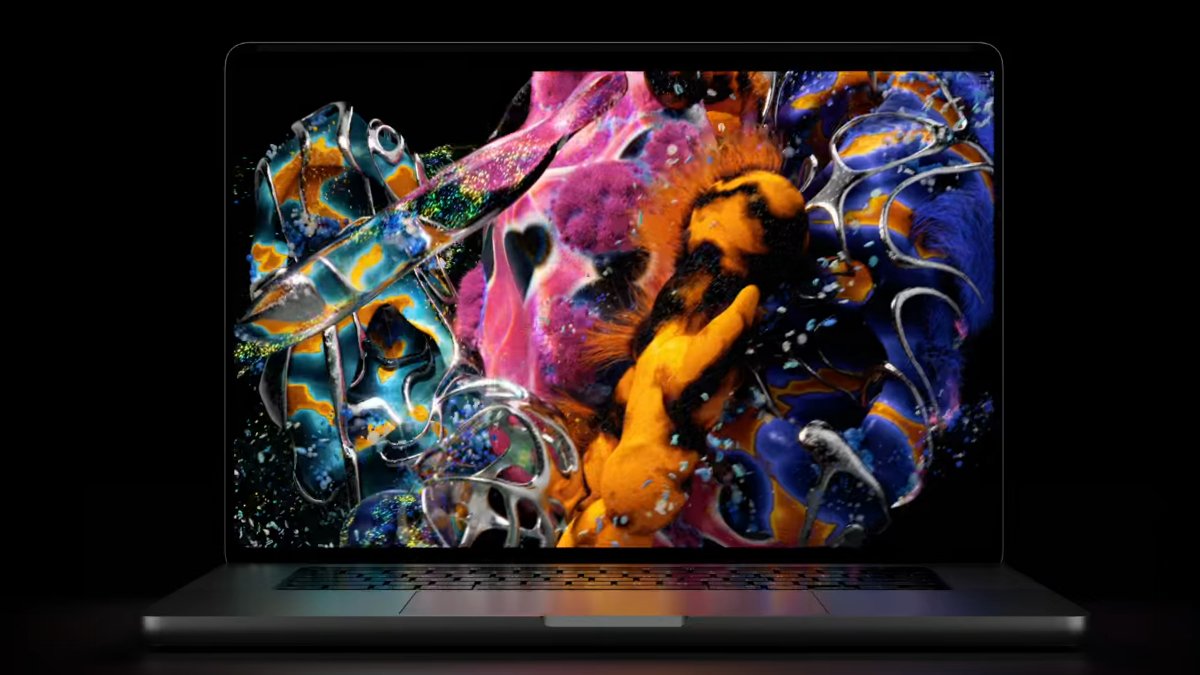
Photo Credit: Apple
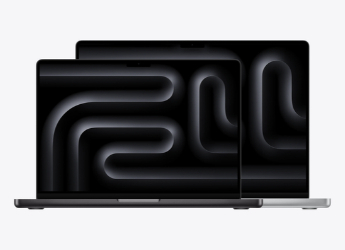
Apple’s 2026 MacBook Pros offer both touch and non-touch displays depending on the model chosen
Click Here to Add Gadgets360 As A Trusted Source

Advertisement
As a part of its broader shift, Apple this year finally switched mini-LED and LCD to OLED with its MacBook Pro and iPad Mini. However, the displays used in its MacBook Pro are vastly different from anything that's currently available in the market. This is because of a new backplane technology called high mobility oxide (HMO) instead of the usual low-temperature polycrystalline oxide (LTPO) tech used in older and recent devices. After launching its latest MacBook Pro models with the new HMO display technology, Apple is reportedly exploring cost-effective ways to manufacture the display backplane technology with Samsung and LG.
Apple Exploring ‘Sputtering' OLED Tech to Produce Future HMO Displays
According to TheElec, Apple is working with Samsung and LG's display divisions to help bring down the cost of manufacturing the new HMO displays. Apple is reportedly even considering HMO as LTPO's successor. LTPO backplane technology which enables fast display refresh rates is currently used in Apple's iPhones and iPad Pro models.
To bring costs down, Apple is prioritising “sputtering” as a deposition method used to manufacture these next-generation OLED panels. According to TheElec, both Samsung and LG are developing both sputtering and atomic layer deposition (ALD) methods for manufacturing these HMO panels. It also claims that Apple is well aware that the ALD manufacturing process offers better precision, but is interested in sputtering due to its lower cost.
Manufacturing costs aside, HMO drastically improves on the existing TFT backplane technology using low-temperature polycrystalline silicon (LTPS) and LTPO displays. The improvements are due to higher electron mobility, which allows for higher resolution panels and lower power consumption for bigger displays. The only major downside is that HMO panels cannot drop refresh rates as low as 1Hz and that's where LTPO technology has an edge.
Apple's new MacBook Pro models currently support variable refresh rate using ProMotion technology but only allows refresh rates between 10Hz and 120Hz and nothing lower. Apple's new display supports 1,000 nits of sustained brightness and 2,000 nits of peak brightness and can drop to just 1 nit in dark settings.
In a recent report, it is said that Apple may reportedly discontinue non-touch MacBook Pro models in the future. The company is reportedly planning to launch a 14-inch entry-level MacBook Pro model with a thinner and lighter design. An older report pointed out that Apple will reportedly roll out better touch features and refinements in the upcoming macOS 28 arriving next year.
- KEY SPECS
- NEWS
Display size 14.00-inch
Display resolution 3024x1964 pixels
Touchscreen No
RAM 24GB
OS macOS
SSD 1TB
Weight 1.60 kg
More Apple Laptops
Comments
Get your daily dose of tech news, reviews, and insights, in under 80 characters on Gadgets 360 Turbo. Connect with fellow tech lovers on our Forum. Follow us on X, Facebook, WhatsApp, Threads and Google News for instant updates. Catch all the action on our YouTube channel.
Further reading:
MacBook Pro 2026, Apple
Related Stories


Apple Working With Samsung and LG to Explore Cheaper Ways to Manufacturer MacBook Pro OLED Displays


Advertisement
Follow Us


-
00:54
Expectation vs Reality: Parents Said Notice Every Detail. She Added One | Galaxy S26 FE -
01:55
From Group Photos to Festive Nights | Samsung Galaxy A57 5G -
01:33
Galaxy Watch Ultra2 on the Trail: Tracking, Hydration & Elevation -
01:38
Galaxy Z Fold8 Captures the Funniest Diwali Moments | My Fan Cam -
01:37
Samsung Galaxy S26 Ultra Diwali Offer in India: ₹79,999 + World's First Privacy Display on Mobile
Advertisement
Popular on Gadgets
- Samsung Galaxy S26 Ultra
- Motorola Razr Fold
- ChatGPT
- OPPO Find N6
- Mobiles Under Rs. 40,000
- Vivo X300 Ultra
- Asus Zenbook S14
- iQOO 15
- Vivo X300 Pro
- Lenovo Yoga Slim 7i Aura Edition
- iQOO 15R
- Vivo X Fold 5
- Sony PlayStation 5
- HP OmniPad 12
- OnePlus Nord CE 6 Lite
- OnePlus Pad 4
- OPPO F33 Pro 5G
- Cryptocurrency
- HP OmniBook Ultra 14 (2026)
- iPhone 17
- Eureka Forbes AP 355 Room Air Purifier
- Latest Mobile Phones
- Compare Phones
Latest Gadgets
- Karbonn Rebel
- Karbonn Rebel Pro
- OnePlus Turbo 6Vs
- Redmi M100 Pro
- OnePlus Ace 7 Pro
- OnePlus Ace 7
- Samsung W27
- Huawei Pura 90 Plus
- Dell 14S (2026)
- HP ProBook 4 G2iS 14
- iPad mini (2026)
- Amazon Alexa Tablet 8
- Pebble Qore 2
- Amazfit T-Rex Dual Solar
- Toshiba 65-Inch 4K Ultra HD Smart Mini LED QLED TV (65Z670SP)
- Haier M70 Mini LED 65-inch
- Acer Predator Atlas 8
- Asus ROG Ally
- Blue Star 1.5 Ton 5 Star Inverter Split AC (IE518ZNURS)
- Blue Star 2 Ton 3 Star Inverter Window AC (WIE324L)

- About Us
- Sitemaps
- Feedback
- Archives
- Contact Us
- RSS
- Advertise
- Career
- Privacy Policy
- Ethics
- Editorial Policy
- Terms & Conditions
- Complaint Redressal
Download Our Apps
Available in Hindi
© Copyright Red Pixels Ventures Limited 2026. All rights reserved.