

-
 Best Value for Money Smartphones Under Rs 30,000 in India31 October 2026
-
Poco X8s Launched With 6,330mAh Battery, 50-Megapixel Rear Camera: Price, Specifications21 October 2026
-
Poco X8s Gets Listed on Another Certification Website, Hinting at Imminent Launch19 October 2026
-
Poco X8s Spotted on IMDA Certification Website; Launch Seems Imminent14 October 2026
-
Best Gaming Smartphones Under Rs. 50,000: Redmi Turbo 5, OnePlus Nord 6, and more4 October 2026
- Home
- Mobiles
- Mobiles Reviews
- Poco X8 Review: Bets Big on Design, Bigger on Battery
Poco X8 Review: Bets Big on Design, Bigger on Battery
Poco X8 sits at the lower end of the company’s mid-range smartphone lineup. How does it actually fare? Here's our review.
Written by Dhruv Raghav, Edited by Ketan Pratap | Updated: 4 November 2026 10:00 IST
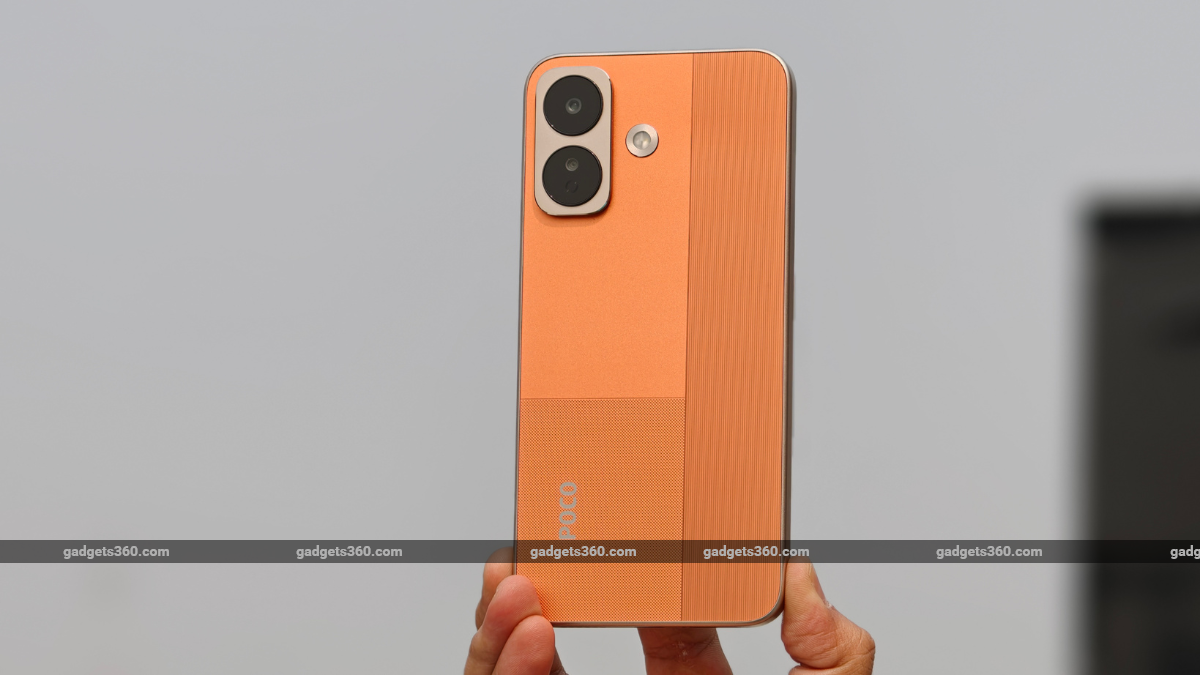
Poco X8 is priced in India at Rs. 29,999
Click Here to Add Gadgets360 As A Trusted Source

Advertisement
Poco has launched four X8 series smartphones in India this year. The mid-range lineup, long known for delivering great performance at an affordable price, was refreshed this year with the Poco X8 Pro and Poco X8 Pro Max. To many people's surprise, the Xiaomi sub-brand, which initially targeted a higher price band, seemed out of character. But Poco was not the only OEM to follow this strategy. With the RAMageddon, an expression used for the ongoing RAM crisis, pushing up the prices of most phones, brands have shifted their focus to their more expensive offerings, delaying the debut of their more affordable models.
However, soon, the family grew by two with the arrival of the Poco X8 and Poco X8 Power. The standard Poco X8 arrived at a very competitive sub-Rs. 30,000 price bracket, which has statistically seen the most price revisions and fewer value-for-money launches. The Poco X8 promises a huge battery, decent performance, and a unique design. Here's our review putting the Poco X8 to the test.
Poco X8 Design, Display: Orange is the New Black!
- Dimensions and weight - 163.45 x 78.27 x 8.6mm; 223g
- Durability - IP66 + IP68 + IP69 + IP69K ratings for dust and water resistance
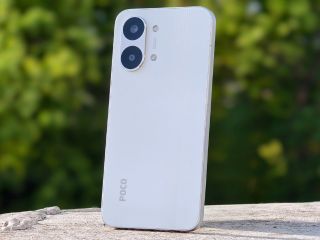
- Colours - Black, Frost White, Fiery Orange
- Display - 6.83-inch 1.5K AMOLED display; up to 120Hz
The Poco X8 gets a uniquely designed rear panel, with a real focus on ingenuity. It is a large phone, measuring 163.45mm in height and 78.27mm in width. The phone is also quite thick at 8.6mm. These dimensions add to the phone's weight, which tips the scales at 223g, about 20g heavier than other handsets of its size. For its price, these dimensions and weight are justifiable, especially with a 9,000mAh battery packed inside.
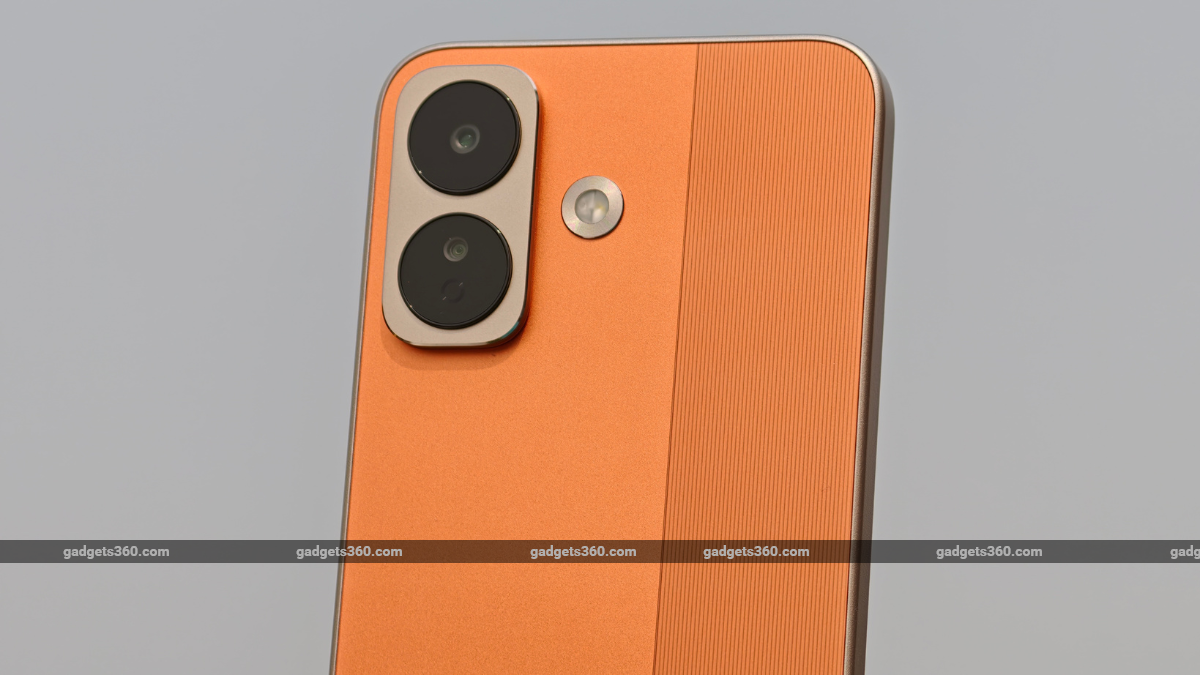
Poco X8 sports a polarising design
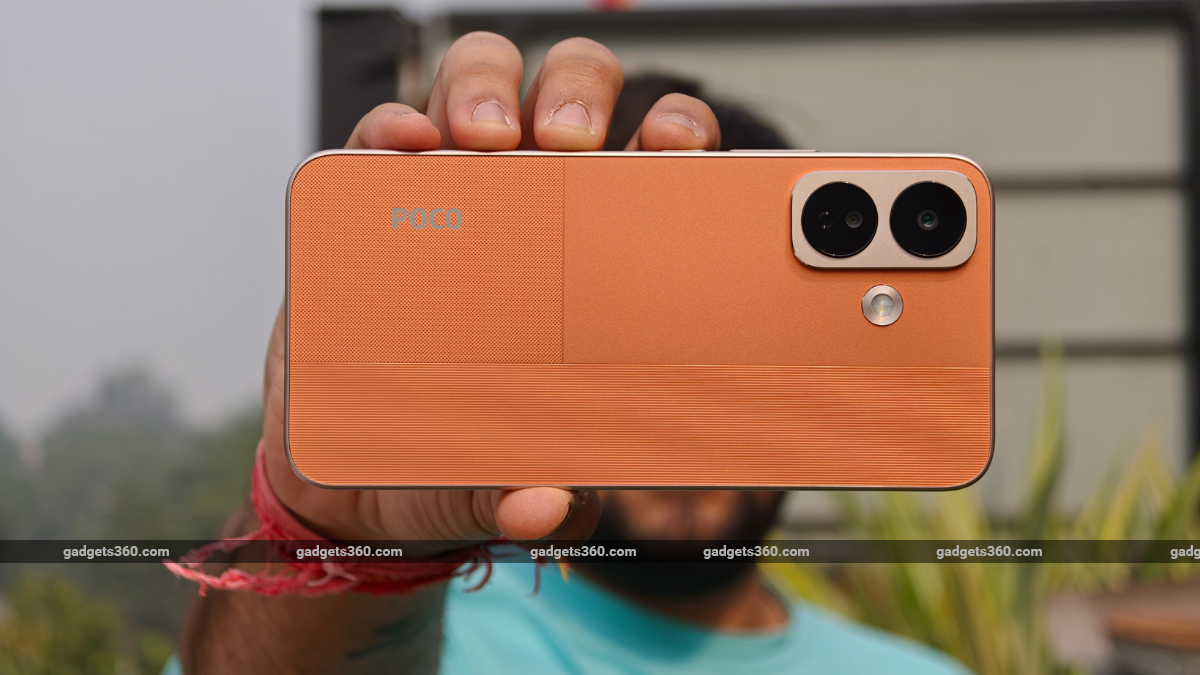
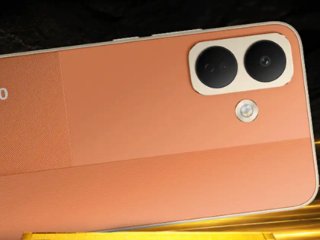
But its flat mid-frame feels really premium, and the overall build quality also seems quite good, which is definitely a notch above its competition. The Poco X8's flat rear panel has been divided into three parts. One-third of the panel gets a plain glossy look, placed above a dotted, mesh-like pattern in the bottom-left corner. It also sports a vertical striped pattern on one side of the panel. However, these patterns are only visual and remain plain to the touch.
This weird design choice creates mental dissonance, since what you touch and what you see do not match. The phone comes in Black, Frost White, and Fiery Orange. I got the orange shade, which is definitely the most unique of the bunch. Its orange colour is really subtle, unlike what you must have seen on the iPhone 17 Pro series and other affordable offerings. This subtle colour choice makes it stand out while maintaining the phone's premium look.
The mid-frame is finished in a shade of gold, which complements the orange rear panel. The power button and volume controls are on the right side of the Poco X8. The physical buttons are easy to reach and press, placed in the top-mid of the frame. The phone feels good to hold one-handed, despite its hefty build.
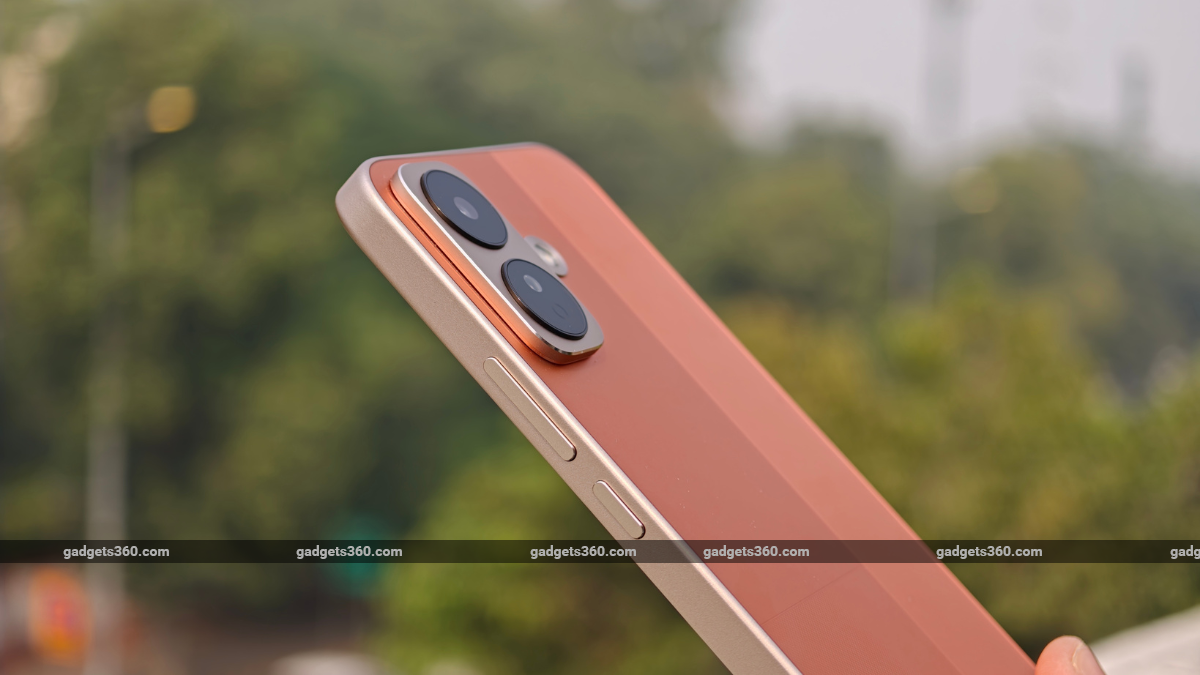
Poco X8's ergonomically placed physical buttons are easy to press
A rectangular camera module, finished in the same colour as the mid-frame, is placed in the top-left corner of the rear panel. The deco protrudes from the panel, making the phone rock when lying flat on a tabletop. I no longer see this as a downside since most OEMs have opted for this design. But, in my opinion, a flatter rectangle for the camera island works better.
Moving on to the display, the Poco X8 sports a large 6.83-inch AMOLED touchscreen with a standard 1.5K resolution and up to a 120Hz refresh rate. The peak refresh rate is only unlocked during select tasks, like gaming. Meanwhile, during other daily tasks, the screen appears to be locked at 60Hz or lower. Despite its 1.5K resolution, the display itself doesn't feel very high quality.
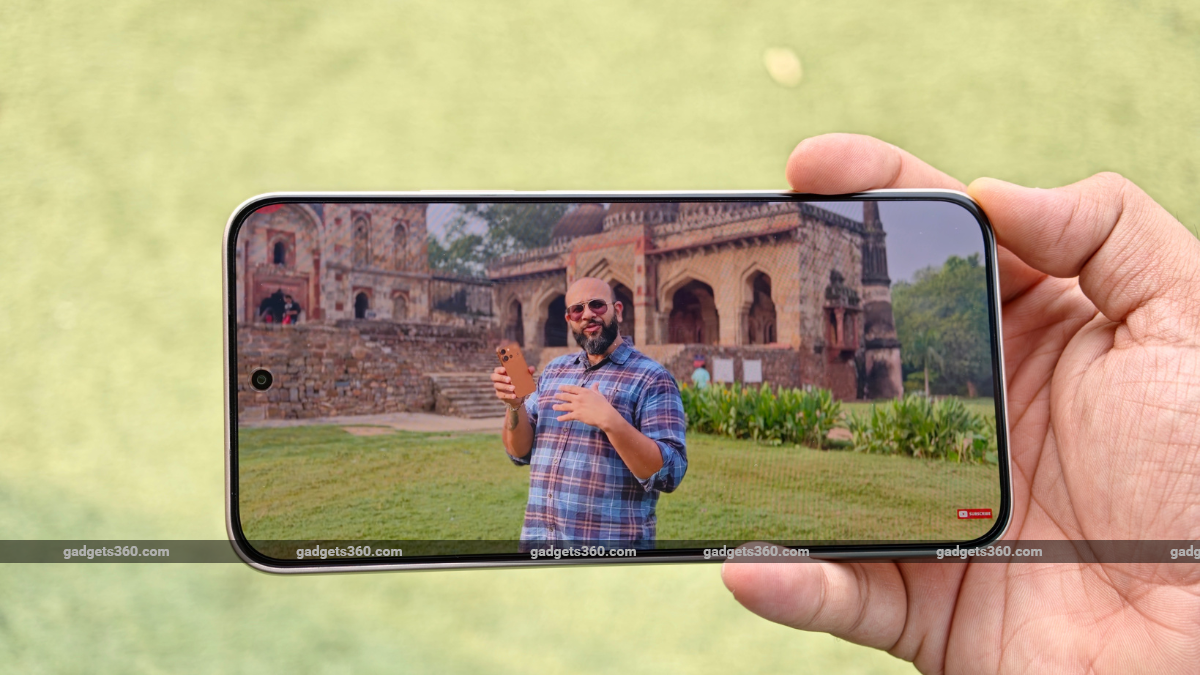
Poco X8 is a decent device for content consumption
Yet, the visuals are sharp, making it decent enough for casual viewing. Even with night mode turned off, the display has a warm, yellow tint that could get annoying while watching a movie or show. The colour contrast and overall colour reproduction seem passable, too. I expected these traits from a budget or lower-end budget phone, so I wasn't surprised.
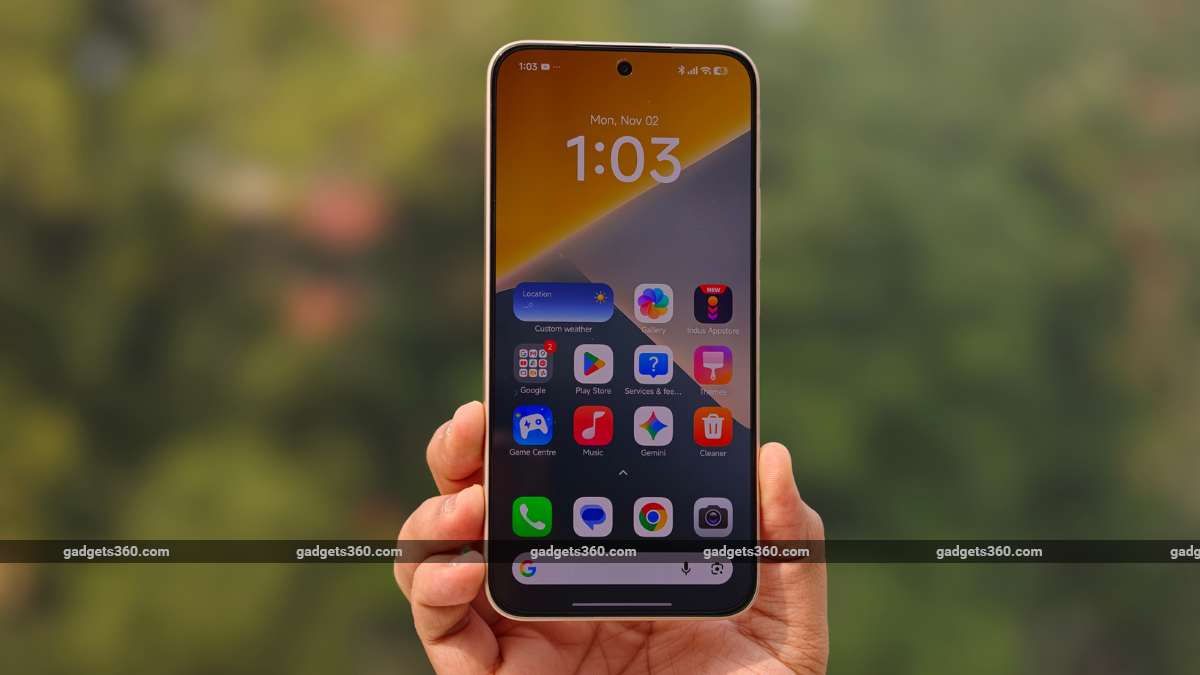
Poco X8 sports an AMOLED panel
I binged season 2 of Game of Thrones on Jio Hotstar and The Kapil Sharma Show on Netflix. It worked well across both apps, despite Netflix's lack of HDR support. The deeper blacks add to the overall viewing experience. For its price, the Poco X8 is decently designed and well equipped.
Poco X8 Performance, Software: Not Impressed
- Chipset - Snapdragon 6s Gen 4
- RAM and storage - 6GB + 128GB, 8GB + 128GB, 8GB + 256GB
- Software - Android 16-based HyperOS 3
Chipset performance is where I was left quite disappointed. I expect an X series phone to punch above its weight and price category. That does not seem to be the case here. It runs on the Snapdragon 6s Gen 4 chipset. The Poco X7, on the other hand, came with the MediaTek Dimensity 7300 Ultra SoC. The choice seems odd, even given current market conditions.
The Poco X8 delivers a peak clock speed of up to 2.4GHz. However, the efficiency cores are clocked at 1.8GHz, which is much lower than the 2.0GHz performance delivered by the efficiency cores of the Poco X7. For most of your time, your phone will use its efficiency cores, and some tasks may take a hit.
Poco X8 delivers sub-par performance
That said, I want to be clear: I didn't notice any stutters or lag while navigating the UI, which is a major plus. Cold boot-ups are very quick, taking about 10 to 15 seconds. Launching multiple apps at the same time was also a cakewalk for the Poco X8. I ran multiple synthetic benchmarking tests on the Poco X8 to quantify its performance. Here are the results.
| Benchmark | Poco X8 | OnePlus Nord CE 6 | Redmi Note 17 5G |
|---|---|---|---|
| Display Resolution | 1.5K | 1.5K | FHD+ |
| Chipset | Snapdragon 6s Gen 4 (4nm) | Qualcomm Snapdragon 7s Gen 4 (4nm) | Qualcomm Snapdragon 4 Gen 4 |
| AnTuTu v10/11 | 9,36,842 | 11,56,283 | 5,88,352 (Lite) |
| PCMark Work Performance 3.0 | 12,037 | FTR | 10,852 |
| Geekbench 6 CPU Single Core | 1,019 | 1,080 | 897 |
| Geekbench 6 CPU Multi Core | 2,981 | 3,171 | 2,178 |
| Geekbench 7 CPU Single Core | 894 | - | 784 |
| Geekbench 7 CPU Multi Core | 2,669 | - | 1,231 |
| Geekbench AI CPU (Quantized) | 2,095 | 1,431 | 992 |
| Geekbench AI GPU (Quantized) | 663 | 755 | 270 |
| 3DM Wild Life | 2,955 | 4,355 | 769 |
| 3DM Wild Life Unlimited | 2,977 | 4,427 | 774 |
| 3DM Steel Nomad Light | 277 | 405 | NA |
With my expectations already lowered, I wasn't expecting mind-blowing gaming performance. Yet, it performed quite well. Of course, it ran all the arcade titles, like Temple Run 2, Subway Surfers, and Angry Birds with ease. The phone also handled heavier titles like Call of Duty Mobile and BGMI at medium graphics settings. There were a few frame drops here and there, but barely noticeable.
Other daily tasks, like using Google Maps and recording long 1080p videos, also feel smooth. But it can get a bit warm when you are running these tasks simultaneously outdoors. In an air-conditioned room, I did not notice any thermal issues.
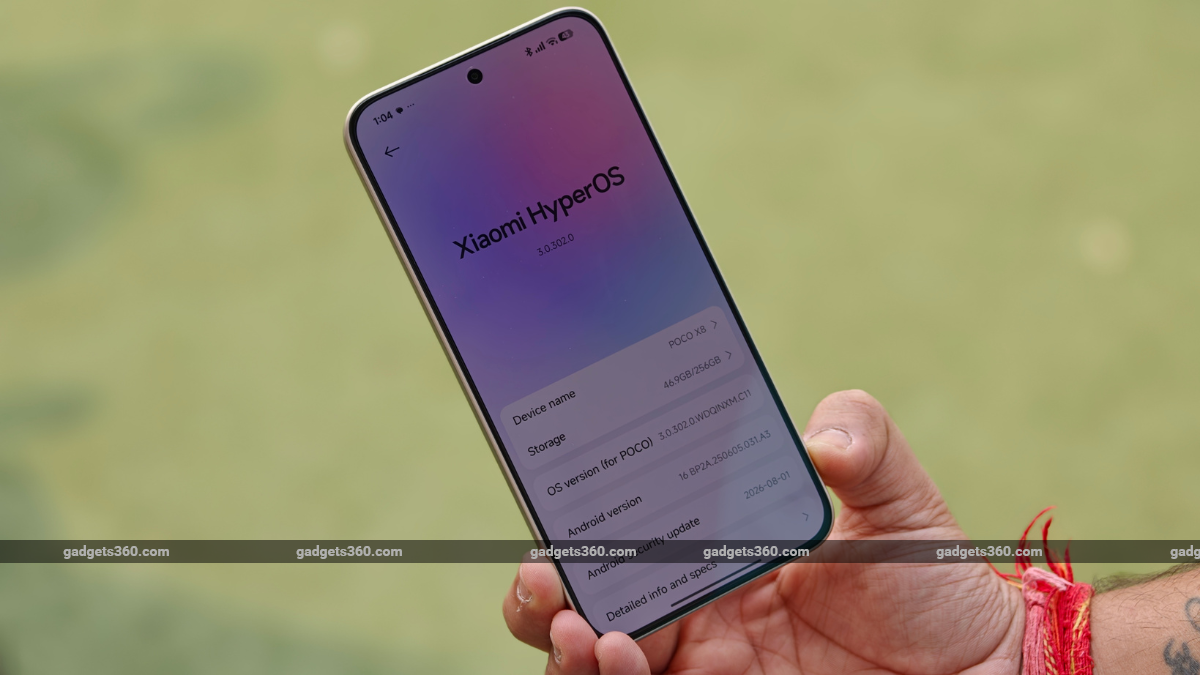
Poco X8 ships with Xiaomi's HyperOS 3
The HyperOS 3 experience is also the same as usual. The OS feels buttery smooth, and it offers a bunch of AI features, too. But it does bring the unwanted bloatware you would expect from a budget phone.
Poco X8 Cameras: Inconsistent
- Rear camera - 50-megapixel (f/1.8) main + 2-megapixel
- Selfie camera - 16-megapixel
The Poco X8 gets a dual rear camera setup with the secondary shooter being a 2-megapixel depth sensor. The star of the show is the 50-megapixel primary camera with a fixed f/1.8 aperture, but its behaviour is inconsistent. In natural light, with the sun overhead, the Poco X8 does a decent job.

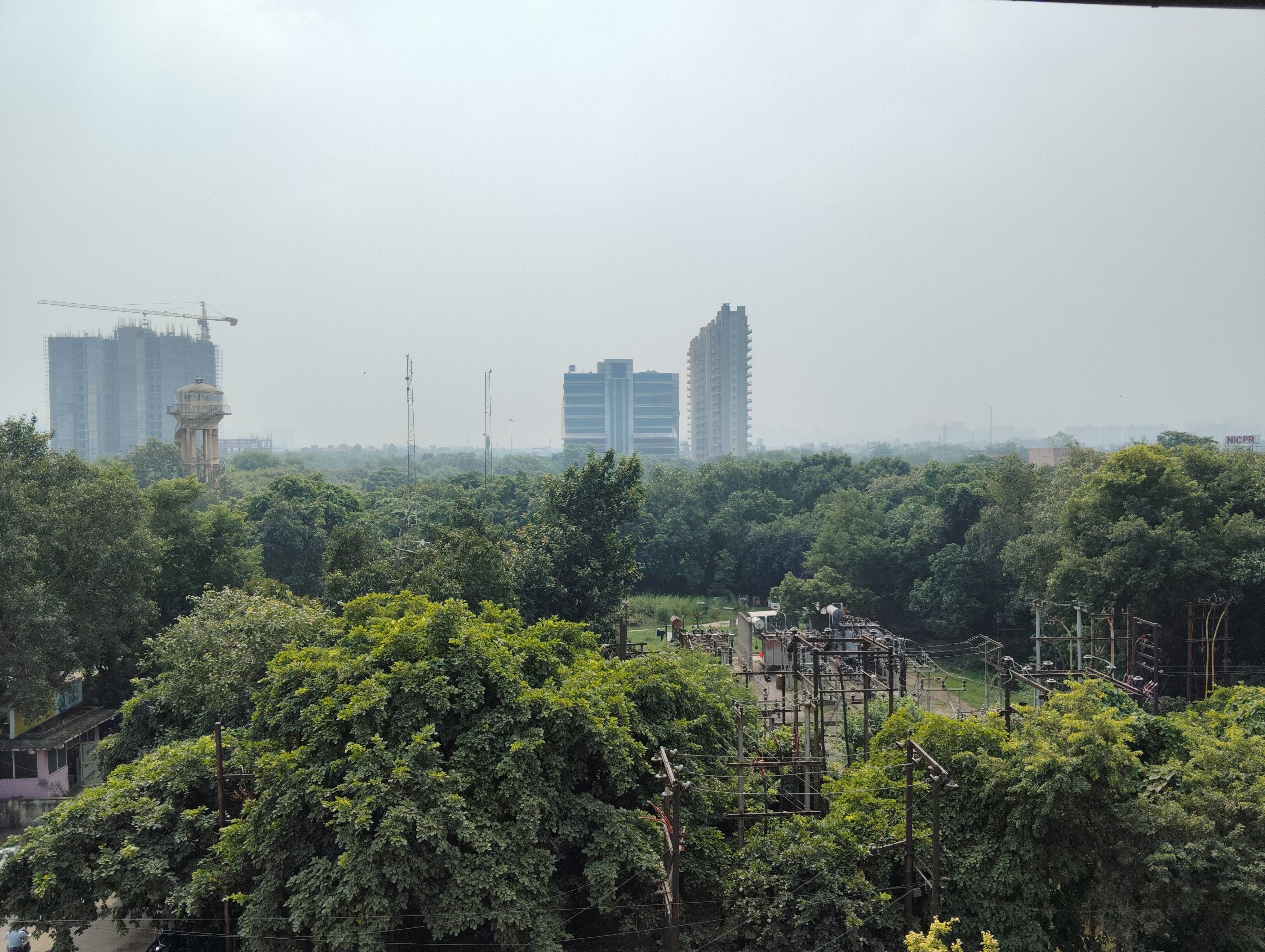
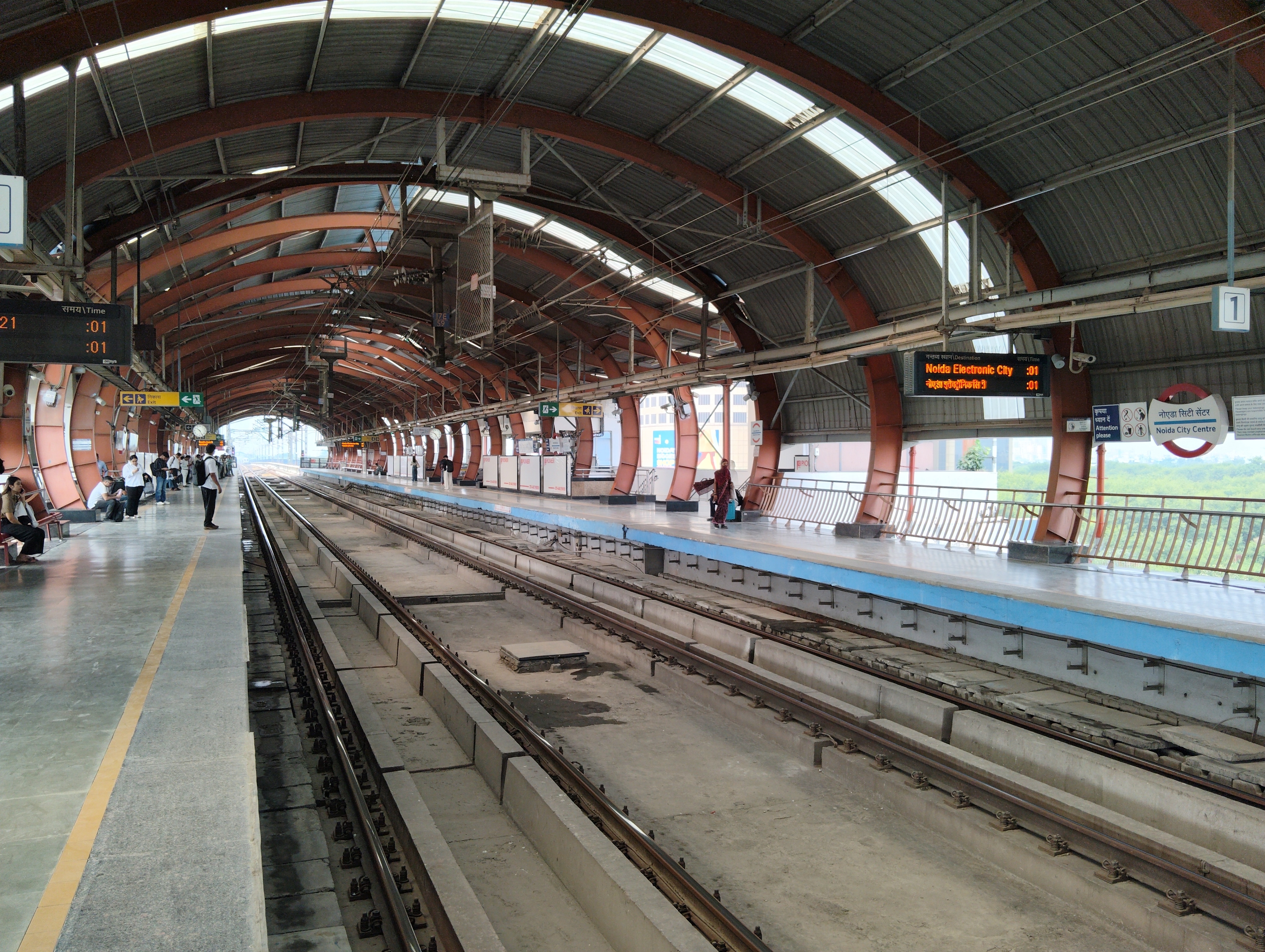
Poco X8 daytime camera performance
The images are detail-rich and sharp. The problem starts when you point towards a tree or an object with multiple shades of the same primary colour. Suddenly, the images start to appear noisier. Pixel-peeping also isn't ideal, especially when you are trying to capture text from a digital board. The figures and alphabets turn to a mush, appearing blurred.
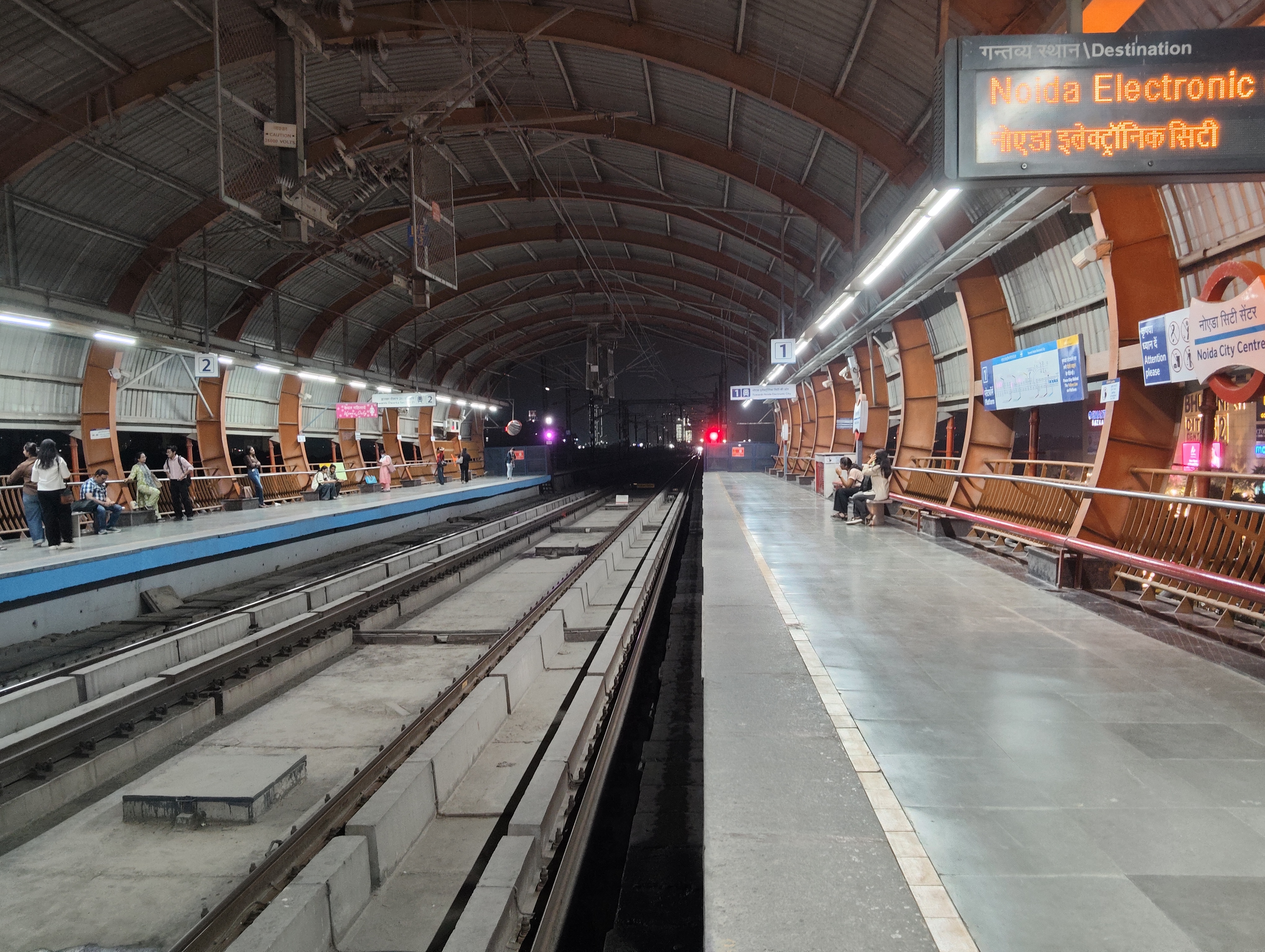
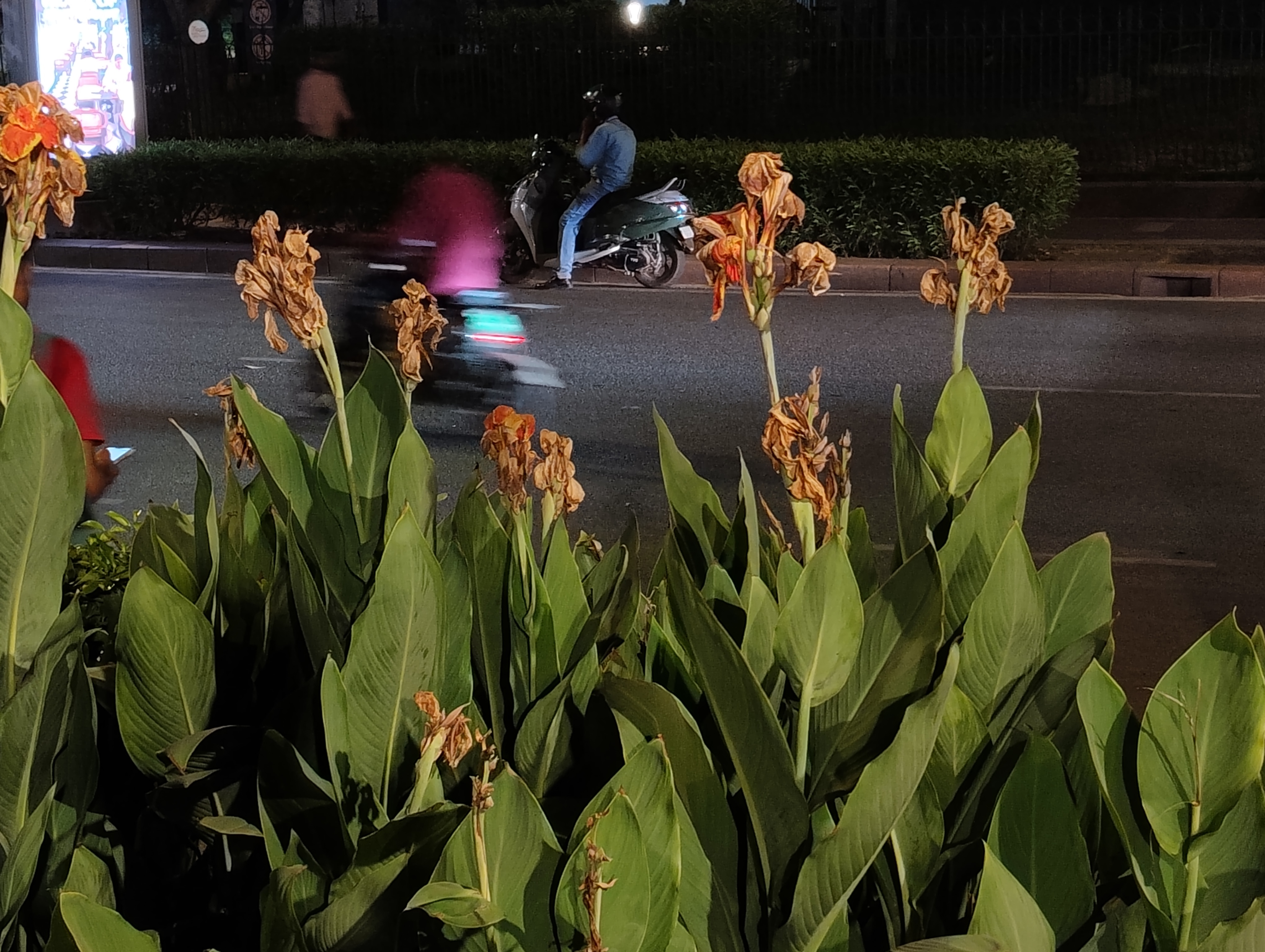

Poco X8 low-light camera performance
Low-light photography brings its own set of problems. The Poco X8 uses computational photography to overexpose images, ruining saturation levels. Images appear almost monochromatic in certain conditions. The camera is also not well tuned for light flares. Even with shadows, the Poco X8 struggles.

Poco X8 selfie camera performance
On the bright side, pun not intended, its 16-megapixel selfie camera is much better. It captures plenty of detail in both day and night. It also manages to get the skin tones right, with slight post-processing. Overall, the handset can get you decent pictures for your social media accounts.
Poco X8 Battery: It's All About the Long Hours
- Capacity - 9,000mAh
- Fast charging - 67W wired
- Charging Adapter - Included
The Poco X8 brags about its massive 9,000mAh battery and rightfully so. The handset can get you through two full days with ease, and at the end of the second day you might still have enough juice to watch a bunch of videos before hitting the bed. I got about 9 hours of screen-on time, which is more than enough. On the PC Mark Battery Life test, it lasted a little over 24 hours, which is impressive.
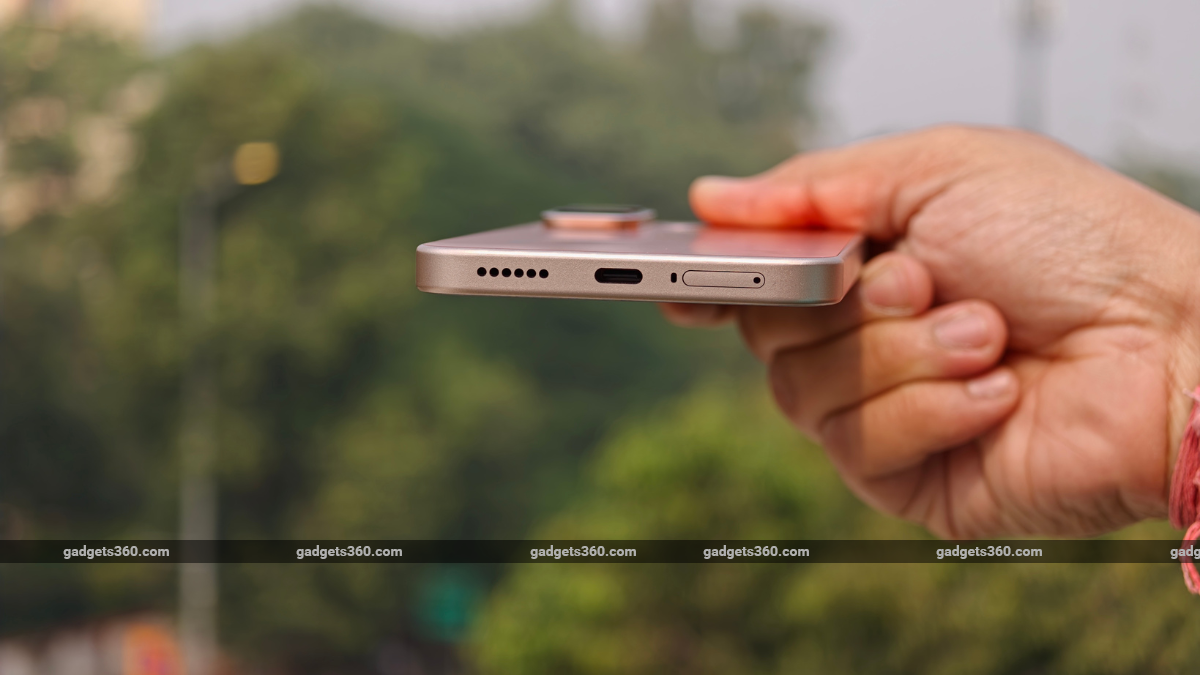
Poco X8 packs a 9,000mAh battery
Owing to its 67W wired fast charging support, the Poco X8 also wakes up quickly, reaching 43 percent charge in 30 minutes and 76 percent in an hour. However, in my testing, the phone took about an hour and 31 minutes to show a fully charged status, which was slightly longer than I expected.
Poco X8 Verdict
Priced at Rs. 29,999, the Poco X8 is a decent budget smartphone. It delivers on most of its promises, making it a good fit for the masses. However, it is harder to recommend to people looking for better camera performance or outright gaming performance. In that case, you have little choice but to increase your budget. Its competitors from Motorola and Infinix have their own set of longevity, camera, and OS problems, which are hard to look past.
If the Poco X8 isn't for you, consider the OnePlus Nord CE 6 (review), a more well-rounded device at a slightly higher price. The Poco X8 Pro is also worth considering, as it packs more punch
- REVIEW
- KEY SPECS
- NEWS
- Good
- Decent daytime camera performance
- Battery lasts forever
- Ingeniously designed rear panel
- Competitively priced
- Bad
- Erratic low-light camera performance
- Polarising design
- Feels quite heavy
- Software feels sluggish
Read detailed Poco X8 review
Display 6.83-inch
Processor Qualcomm Snapdragon 6s Gen 4
Front Camera 16-megapixel
Rear Camera 50-megapixel + 2-megapixel
RAM 6GB, 8GB
Storage 128GB, 256GB
Battery Capacity 9000mAh
OS Android 16
Resolution 1280x2772 pixels
Comments
Get your daily dose of tech news, reviews, and insights, in under 80 characters on Gadgets 360 Turbo. Connect with fellow tech lovers on our Forum. Follow us on X, Facebook, WhatsApp, Threads and Google News for instant updates. Catch all the action on our YouTube channel.
Further reading:
Poco X8, Poco, Poco X8 Review, Poco X8 Price in India, Poco X8 India Launch, Poco X8 Specifications
Related Stories


Advertisement
Follow Us


-

00:54
Expectation vs Reality: Parents Said Notice Every Detail. She Added One | Galaxy S26 FE -
01:55
From Group Photos to Festive Nights | Samsung Galaxy A57 5G -
01:33
Galaxy Watch Ultra2 on the Trail: Tracking, Hydration & Elevation -
01:38
Galaxy Z Fold8 Captures the Funniest Diwali Moments | My Fan Cam -
01:37
Samsung Galaxy S26 Ultra Diwali Offer in India: ₹79,999 + World's First Privacy Display on Mobile
-
10000mAh बैटरी वाला Poco X8 Power 5G Flipkart सेल में मिल रहा ₹8500 सस्ता
-
OnePlus Nord CE6 Lite मिल रहा Amazon दिवाली सेल में सस्ता, जल्द खरीदें
-
HP ने लॉन्च किए OmniBook 5 14, ProBook 4 G2iS 14 लैपटॉप, जानें कीमत
-
Vivo V80 FE आ रहा 50MP के तीन कैमरा, 7000mAh बैटरी के साथ!
-
Karbonn Rebel Pro vs MIVI One 5G vs Vivo T5e: जानें कौन सा रहेगा बेस्ट
Advertisement
Popular on Gadgets
- Samsung Galaxy S26 Ultra
- Motorola Razr Fold
- ChatGPT
- OPPO Find N6
- Mobiles Under Rs. 40,000
- Vivo X300 Ultra
- Asus Zenbook S14
- iQOO 15
- Vivo X300 Pro
- Lenovo Yoga Slim 7i Aura Edition
- iQOO 15R
- Vivo X Fold 5
- Sony PlayStation 5
- HP OmniPad 12
- OnePlus Nord CE 6 Lite
- OnePlus Pad 4
- OPPO F33 Pro 5G
- Cryptocurrency
- HP OmniBook Ultra 14 (2026)
- iPhone 17
- Eureka Forbes AP 355 Room Air Purifier
- Latest Mobile Phones
- Compare Phones
Latest Gadgets
- Karbonn Rebel
- Karbonn Rebel Pro
- OnePlus Turbo 6Vs
- Redmi M100 Pro
- OnePlus Ace 7 Pro
- OnePlus Ace 7
- Samsung W27
- Huawei Pura 90 Plus
- Dell 14S (2026)
- HP ProBook 4 G2iS 14
- iPad mini (2026)
- Amazon Alexa Tablet 8
- Pebble Qore 2
- Amazfit T-Rex Dual Solar
- Toshiba 65-Inch 4K Ultra HD Smart Mini LED QLED TV (65Z670SP)
- Haier M70 Mini LED 65-inch
- Acer Predator Atlas 8
- Asus ROG Ally
- Blue Star 1.5 Ton 5 Star Inverter Split AC (IE518ZNURS)
- Blue Star 2 Ton 3 Star Inverter Window AC (WIE324L)

- About Us
- Sitemaps
- Feedback
- Archives
- Contact Us
- RSS
- Advertise
- Career
- Privacy Policy
- Ethics
- Editorial Policy
- Terms & Conditions
- Complaint Redressal
Download Our Apps
Available in Hindi
© Copyright Red Pixels Ventures Limited 2026. All rights reserved.