-
 HP Retained Top Spot as India's PC Market Grew 3 Percent YoY in Q2 2025: IDC19 August 2025
 -
Asus NUC 15 Pro Mini PC Launched in India With Intel Core Ultra Processor Series 2: Price, Specifications17 July 2025
-
Microsoft's Xbox PC App Gets Aggregated Gaming Library With Access to Titles From Third Party Stores24 June 2025
-
Microsoft's Xbox Handheld Console 'Essentially Canceled', Company to Work on Xbox Software Platform: Report13 June 2025
-
Asus' Arnold Su on New GeForce RTX 50 Series ROG Laptops, AI PCs and What's Next for ROG Ally28 May 2025
- Home
- Laptops
- Laptops News
- Asus to Raise Prices of Some PC Models as Global Memory Shortage Persists: Report
Asus to Raise Prices of Some PC Models as Global Memory Shortage Persists: Report
Increasing costs of memory components, including DRAM, are forcing OEMs to raise the selling price of devices.
Written by Dhruv Raghav, Edited by David Delima | Updated: 31 December 2025 13:58 IST
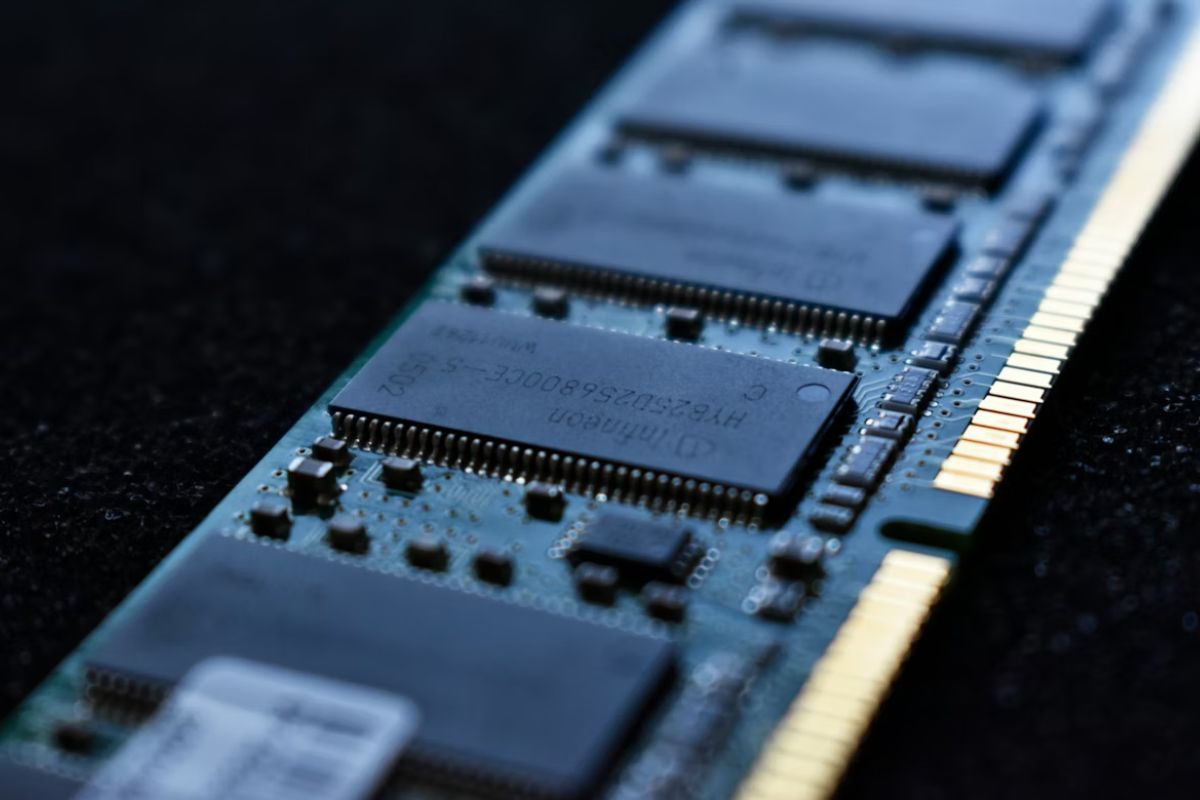
Photo Credit: Unsplash/ Liam Briese
Asus is also planning to manufacture its own DRAMs.
Click Here to Add Gadgets360 As A Trusted Source

Advertisement
Asus is set to increase the prices of its select PC lineups next week, as the PC industry struggles to contain manufacturing costs, according to a report. After the smartphone industry, various PC brands also appear to have been hit by the recent increase in memory and storage components, including DRAMs, NANDs, and SSDs. The report highlights that Asus is slated to be the first tech firm to announce the same after Dell adjusted the prices of its devices earlier this month. Interestingly, this comes amid reports of Asus planning to begin manufacturing its own DRAMs.
Asus to Increase Prices Starting January 5, 2026
Citing a notice obtained by industry sources, TrendForce reports that the Taiwanese tech major will increase the retail prices of select Asus PC lineup starting January 5, 2026. The company is said to be the first PC maker after Dell to raise the prices of its devices.
The move is said to have been taken in light of the recent rise in costs of acquiring memory components, especially DRAM. Adding to its problems is the persistent shortage of storage devices, including NAND and SSDs. Hence, Asus' move will reportedly help it in “safeguarding” supply stability, while maintaining product quality.
Further, Asus reportedly also took cognisance of the “increased capacity realignments” and higher spending on “advanced processes”, spurred globally by “booming” demand for memory and storage components by the AI industry. Unfortunately, the notice did not reveal the names of the PCs that will see a price rise. However, the same could be revealed in the coming days.
In a statement to Commercial Times, Asus CEO Samson Hu pointed out that there is a consensus among tech firms that PC prices will have to “eventually” reflect the increasing cost of memory sticks. He further forewarned that the industry does not expect these price pressures to ease in the first half of 2026, and it was difficult to predict at the time how things would pan out in the second half of next year.
This reflects a larger industry trend, where most OEMs have to adjust to the new business realities. The smartphone market has also been struggling to keep the selling prices in check due to the same reason. As more DRAMs, NANDs, and SSDs get redirected to fulfil the needs of the AI industry, many brands have been forced to raise the prices of phones to maintain healthy margins, while attempting to keep their businesses afloat.
Comments
Get your daily dose of tech news, reviews, and insights, in under 80 characters on Gadgets 360 Turbo. Connect with fellow tech lovers on our Forum. Follow us on X, Facebook, WhatsApp, Threads and Google News for instant updates. Catch all the action on our YouTube channel.
Related Stories





Advertisement
Follow Us




-

05:05
Goboult Mustang Racer Smartwatch Review: Should You Get This Mustang Smartwatch? -
04:58
OnePlus Nord Buds 4 Pro Review: Specs, Sound Quality, ANC, and Battery Backup Tested -
02:29
[Sponsored] Samsung Galaxy S26 Ultra First Look: AI Smartphone for Creators, Gaming & Productivity -
04:25
Vivo X200T Review - Full Camera, Gaming & Battery Test | Worth Buying? -
28:31
The Future of Productivity: Logitech's Anatoliy Polyanker On AI, Hybrid Work, And India's Tech Boom
Advertisement
Popular on Gadgets
- Samsung Galaxy Unpacked 2026
- iPhone 17 Pro Max
- ChatGPT
- iOS 26
- Laptop Under 50000
- Smartwatch Under 10000
- Apple Vision Pro
- Oneplus 12
- OnePlus Nord CE 3 Lite 5G
- iPhone 13
- Xiaomi 14 Pro
- Oppo Find N3
- Tecno Spark Go (2023)
- Realme V30
- Best Phones Under 25000
- Samsung Galaxy S24 Series
- Cryptocurrency
- iQoo 12
- Samsung Galaxy S24 Ultra
- Giottus
- Samsung Galaxy Z Flip 5
- Apple 'Scary Fast'
- Housefull 5
- GoPro Hero 12 Black Review
- Invincible Season 2
- JioGlass
- HD Ready TV
- Latest Mobile Phones
- Compare Phones
Latest Gadgets
- Nord 6
- Honor X80i
- Honor Play 80 Pro
- Redmi Note 15 SE 5G
- Redmi A7 Pro
- OPPO K15 Pro
- OPPO K15 Pro+
- Lava Bold N2 Lite
- Xiaomi Book Pro 14
- MacBook Neo
- Vivo Pad 6 Pro
- Lenovo Legion Y700 Gen 5
- boAt Valour Watch 1R
- Xiaomi Watch S5
- Xiaomi QLED TV X Pro 75
- Haier H5E Series
- Asus ROG Ally
- Nintendo Switch Lite
- Haier 1.6 Ton 5 Star Inverter Split AC (HSU19G-MZAID5BN-INV)
- Haier 1.6 Ton 5 Star Inverter Split AC (HSU19G-MZAIM5BN-INV)

- About Us
- Sitemaps
- Feedback
- Archives
- Contact Us
- RSS
- Advertise
- Career
- Privacy Policy
- Ethics
- Editorial Policy
- Terms & Conditions
- Complaint Redressal
Download Our Apps
Available in Hindi
© Copyright Red Pixels Ventures Limited 2026. All rights reserved.