-
 Solana’s Alpenglow Upgrade Set for October 21 With 150-Millisecond Finality Target14 October 2026
 -
Japan Digital Agency Reports Potential Leak of 246,000 Records After Cyberattack11 September 2026
-
Bitcoin Holds Below $79,000 as Rate Concerns Weigh on Recovery8 September 2026
-
Bitcoin Climbs Above $80,500 as Fed Rate Hike Bets Ease4 September 2026
-
Australia Sets September 30 Deadline for Crypto Firm Licensing3 September 2026
- Home
- Cryptocurrency
- Cryptocurrency News
- Canada's Bill C 25 Clears Key Vote as Government Moves to Block Crypto Political Donations
Canada's Bill C-25 Clears Key Vote as Government Moves to Block Crypto Political Donations
The proposed law aims to restrict the use of digital assets in election funding in Canada.
Written by Rahul Dhingra, Edited by David Delima | Updated: 28 April 2026 14:59 IST
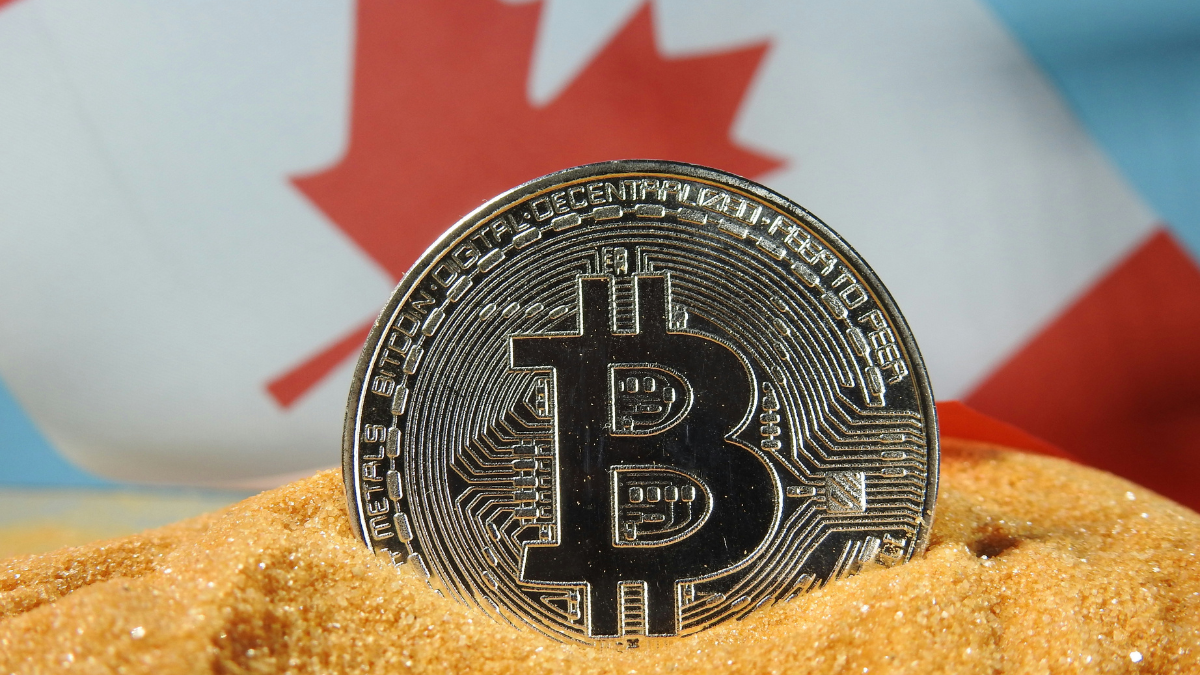
Photo Credit: Unsplash/Ewan Kennedy
Lawmakers move to tighten oversight of campaign financing methods
Click Here to Add Gadgets360 As A Trusted Source

Advertisement
The Canadian government has decided to take steps towards banning donations that are made in the form of cryptocurrency, as lawmakers in Ottawa move forward to tighten restrictions around how money flows into elections. The proposed framework would prohibit political parties and candidates from accepting such donations, closing the gap in campaign finance rules, as per the lawmakers. The bill is not purely focused on digital assets; instead, it distinctly includes crypto assets in its restrictions on political financing. Crypto donations act as a focal point due to concerns over traceability and compliance with existing limits.
Election Reform Bill Expands Rules on Contribution Transparency
The suggested restriction comes as cryptocurrencies and blockchain infrastructure become more entrenched in Canada's financial system. The proposed law, which is Bill C-25, the Strong and Free Elections Act, managed to pass a second reading in the House of Commons on Friday.
This vote is a sign that lawmakers are in favour of this bill and will look to study it in detail at committee meetings, where any kind of required amendments can be made. Regulators have come up with stablecoin frameworks that would give the Bank of Canada the power to oversee them. They have also made rules for crypto investment funds, custodians, and cold storage practices better.
The bill was initially introduced on March 26, and it is a broader overview of election laws with a primary focus on strengthening transparency, tightening enforcement, and reducing the risk of foreign interference.
The proposed law also mentions what happens if a third party receives a contribution and explains what should be done. “The third party shall, within 30 days after becoming aware of the receipt of the contribution, take one of the following measures:
(a) Return the contribution unused to the contributor;
(b) If it is not possible to return the contribution, destroy it unused.
(c) If it is not possible to return or destroy the contribution, convert it into money and pay the amount of it to the Chief Electoral Officer, who shall forward that amount to the Receiver General.”
It is not the first time that Canada has put focus on regulation and compliance. Last month, the Financial Transactions and Reports Analysis Centre of Canada (FINTRAC) managed to revoke registrations of 43 cryptocurrency firms due to compliance failures. This effort was part of a broader effort to rein in firms that aren't playing by the rules.
This action also stresses the increasing regulatory attention on the crypto world in Canada. Authorities are clearly trying to tighten control and make sure digital asset platforms stick to the existing financial regulations.
Comments
Get your daily dose of tech news, reviews, and insights, in under 80 characters on Gadgets 360 Turbo. Connect with fellow tech lovers on our Forum. Follow us on X, Facebook, WhatsApp, Threads and Google News for instant updates. Catch all the action on our YouTube channel.
Related Stories






Advertisement
Follow Us




-
![[Sponsored] Galaxy Watch9 for Everyday Health Insights | Smarter Wellness Choices](https://www.gadgets360.com/static/desktop/images/spacer.png)
01:42
[Sponsored] Galaxy Watch9 for Everyday Health Insights | Smarter Wellness Choices -
01:15
[Sponsored] Galaxy Tab S10 Lite for Students: Notes, Solve Math and More -
04:17
[Sponsored] LG NANO 4K UHD AI TV NU885: Gemini Search, Dolby Atmos & 5 Years of Updates -
00:57
[Sponsored] Samsung Galaxy Z Fold8 My Fan Cam in Action: Find the Moment, Then Share It -
01:41
[Sponsored] What Do You Need To Know Before Your Next Run? | Samsung Galaxy Watch Ultra2
Advertisement
Popular on Gadgets
- Samsung Galaxy S26 Ultra
- Motorola Razr Fold
- ChatGPT
- OPPO Find N6
- Mobiles Under Rs. 40,000
- Vivo X300 Ultra
- Asus Zenbook S14
- iQOO 15
- Vivo X300 Pro
- Lenovo Yoga Slim 7i Aura Edition
- iQOO 15R
- Vivo X Fold 5
- Sony PlayStation 5
- HP OmniPad 12
- OnePlus Nord CE 6 Lite
- OnePlus Pad 4
- OPPO F33 Pro 5G
- Cryptocurrency
- HP OmniBook Ultra 14 (2026)
- iPhone 17
- Eureka Forbes AP 355 Room Air Purifier
- Latest Mobile Phones
- Compare Phones
Latest Gadgets
- HMD 2660 Flip Senior Edition
- Lava Aura Curve
- Poco X8s
- Samsung Galaxy F70 5G
- Tecno Spark 50S 5G
- Vivo Y600s Pro
- Vivo Y32 (2026)
- Infinix Smart 20 HD
- Lenovo Yoga 9n 2-in-1
- Lenovo Yoga Pro 9n
- Amazon Alexa Tablet 8
- Amazon Alexa Tablet 11
- Pebble Qore 2
- Amazfit T-Rex Dual Solar
- Toshiba 65-Inch 4K Ultra HD Smart Mini LED QLED TV (65Z670SP)
- Haier M70 Mini LED 65-inch
- Acer Predator Atlas 8
- Asus ROG Ally
- Blue Star 1.5 Ton 5 Star Inverter Split AC (IE518ZNURS)
- Blue Star 2 Ton 3 Star Inverter Window AC (WIE324L)

- About Us
- Sitemaps
- Feedback
- Archives
- Contact Us
- RSS
- Advertise
- Career
- Privacy Policy
- Ethics
- Editorial Policy
- Terms & Conditions
- Complaint Redressal
Download Our Apps
Available in Hindi
© Copyright Red Pixels Ventures Limited 2026. All rights reserved.