-
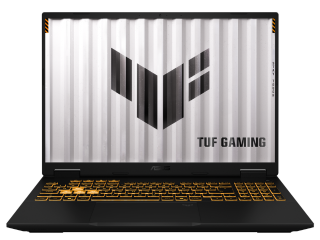
 Asus TUF Gaming 16 (FX610) Launched in India With Up to Nvidia GeForce RTX 5060 GPU, Alongside Refreshed TUF A15, A16 and F1625 August 2026
 -
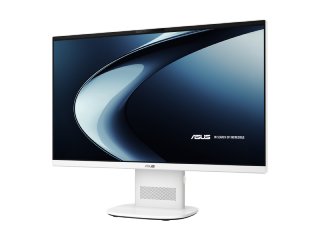
Asus VM240 AiO All-in-One Desktop PC Launched in India With 24-Inch Display, New Gaming Accessories Tag Along20 August 2026
-
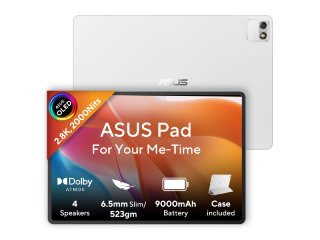
Asus Pad Goes on Sale in India With 2.8K OLED Display, Dimensity 8300 SoC: Price, Specifications, Sale Offers6 August 2026
-
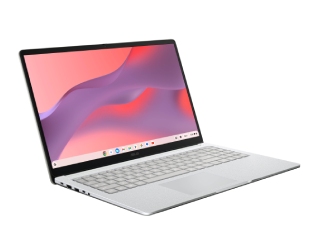
Asus Chromebook CX15 Launched in India With Intel N50, Google AI Features: Price, Features4 August 2026
-
Asus Pad India Price, RAM and Storage Variants Revealed; Sales Begin August 630 July 2026
- Home
- Laptops
- Laptops Features
- Asus Targets No. 1 Position in India This Year: VP Arnold Su on Tablets, Pricing, and More
Asus Targets No. 1 Position in India This Year: VP Arnold Su on Tablets, Pricing, and More
Arnold Su, VP, Asus India, explains why the company is entering the tablet market, how it plans to deal with rising PC prices, and more.
Written by Rohan Pal, Edited by Ketan Pratap | Updated: 11 August 2026 12:41 IST
Click Here to Add Gadgets360 As A Trusted Source

Advertisement
Asus is one of the few brands that have been consistently expanding its portfolio in India. We all know that the company has a strong presence in the PC market, but it is now spreading its wings to cater for a large audience base, and the recent launch of its Asus Pad and Chromebook lineup is a testament to this. More importantly, the company is also planning to challenge the number one position in the PC market and is now targeting a 30 percent market share in the second half of the year, after crossing the 25 percent mark in June 2026.
The company is also tackling the prime issue of rising RAM and SSD prices its own way to help consumers access better financing and upgrade options. The company says memory and storage components, which previously accounted for around 10 to 20 percent of a PC's cost, now contribute more than 50 percent of the total bill of materials. In an interaction with Gadgets360, Arnold Su, Vice President, Consumer and Gaming PC, System Business Group, ASUS India, explains why the company is entering the tablet market, how it plans to deal with rising PC prices, why gaming remains its biggest growth engine, and why he believes India's smaller towns could hold the key to ASUS's next phase of growth.
Asus Pad Brings a New Potential Lineup
Asus has been absent from the Android tablet market for several years. However, it decided to return to this segment with a new approach with its latest Asus Pad tablet. Su believes that the new tablet from the brand will help them establish in the tablet market space. According to him, ASUS had already been discussing a return to tablets during the second half of 2025, before the latest increase in component prices. “So there are two aspects to relaunch these products in the market. The first one is the overall ecosystem. Actually, we decided to come back to tablets already a few quarters back, even before this price hike,” Su said.

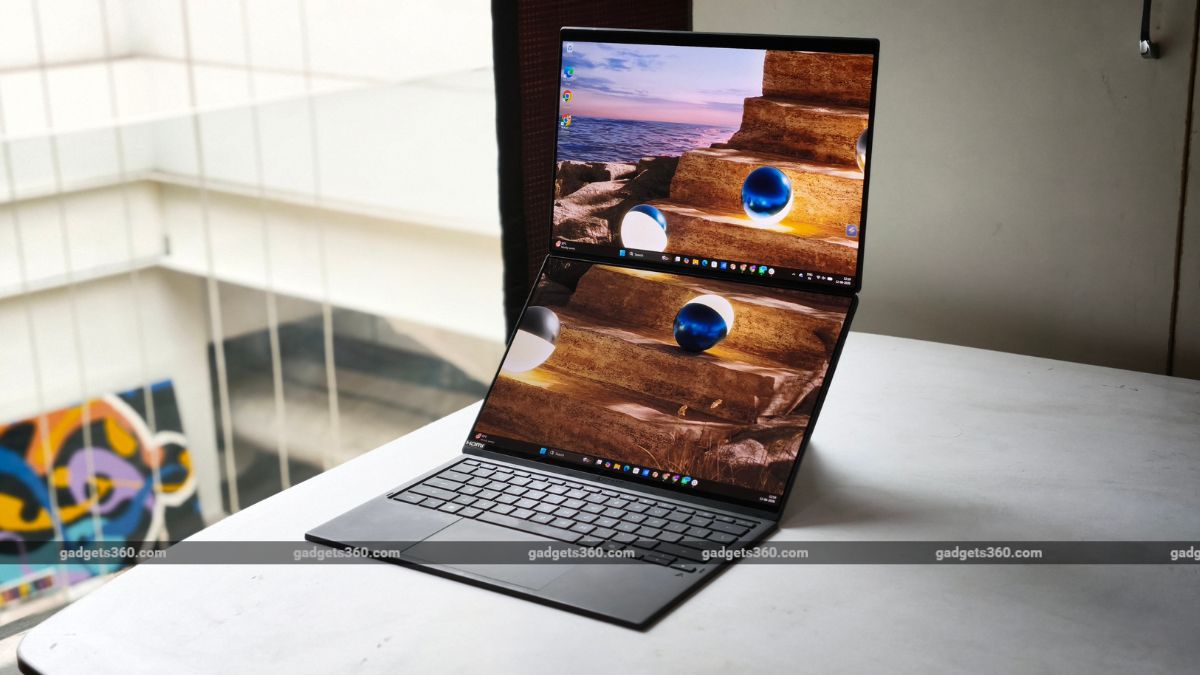
Arnold Su, Vice President, Consumer and Gaming PC, ASUS India talks about company's performance.
“Today, in terms of the on-the-go device, apart from laptops, we think we should come back to tablets because, compared to a laptop for the on-the-go, a tablet is still much easier,” he further added. He also revealed that the second reason for entering this market is to give customers more options with the current market dynamics.
“The second is at the end of last year when we started to see the price hike of the SSD and RAM, which impacted our end-user price of the laptop, and then in quarter one, quarter two, the price hike goes further,” he said. This has made it harder for Windows PC makers to address some of the lower price segments, according to Su, creating a potential role for tablets. “For the Windows PC, it's very difficult to enter this segment. So tablets become a device. Then, in the 30k to 50k segment, I still have a machine which can make ASUS still be available for the end customer,” Su added.
Interestingly, the company is not looking to compete with the other established players in the tablet market, but to create a new identity for itself. Su says that the company's tablet strategy will follow the premiumisation approach it has adopted in PCs, with the company focusing on technology and features rather than simply trying to offer the cheapest product. “We want to align with our overall premiumisation strategy in PC. In the tablet business, we don't want to just go to the price war to fight in the most entry-level segment,” Su said.
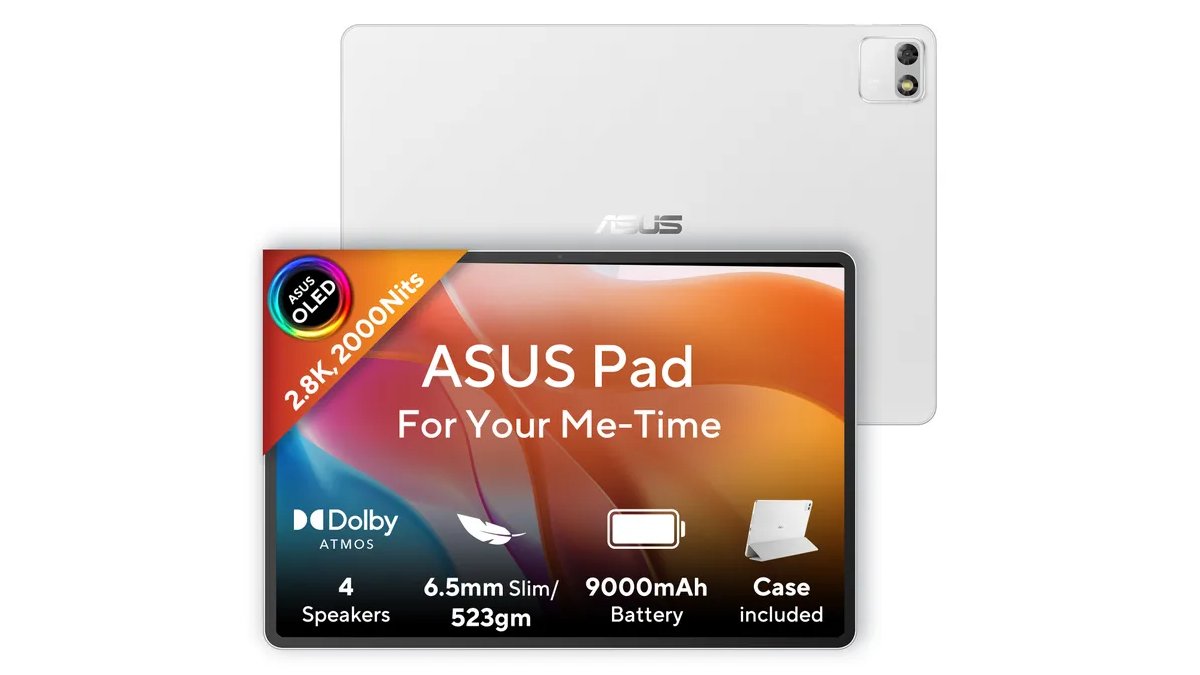
He pointed to the OLED display being used in the Asus Pad as an example of that approach. “At this time, we are launching with the OLED panel in our tabs…We think, yes, for the tablet, once we come back, we may not already jump into the price war, the most entry-level game. No, we don't want to go there. We want to make sure we are not just here to fight on price. We are here to fight for the new technology,” he explained.
Tablets and Chromebooks Are Opening New Avenues Due to Price Hike
Su believes that tablets and Chromebooks will open new avenues for the company in this era of rising component prices. He revealed that the RAM and SSDs previously represented only around 10 to 20 percent of a PC's total cost, but now account for more than 50 percent of the total bill of materials, making it difficult for the brand to absorb the cost. “First and foremost, because this component price hike is unavoidable. Earlier, in one PC brand, the SSD cost may be just 10 to 20 percent of the entire machine cost, but now the SSD is even more than 50 percent of the machine cost,” he said. “So as a company, we are not able to absorb this cost hike. So we have to reflect this in the SRP. So the SRP is increasing day by day,” he explained.
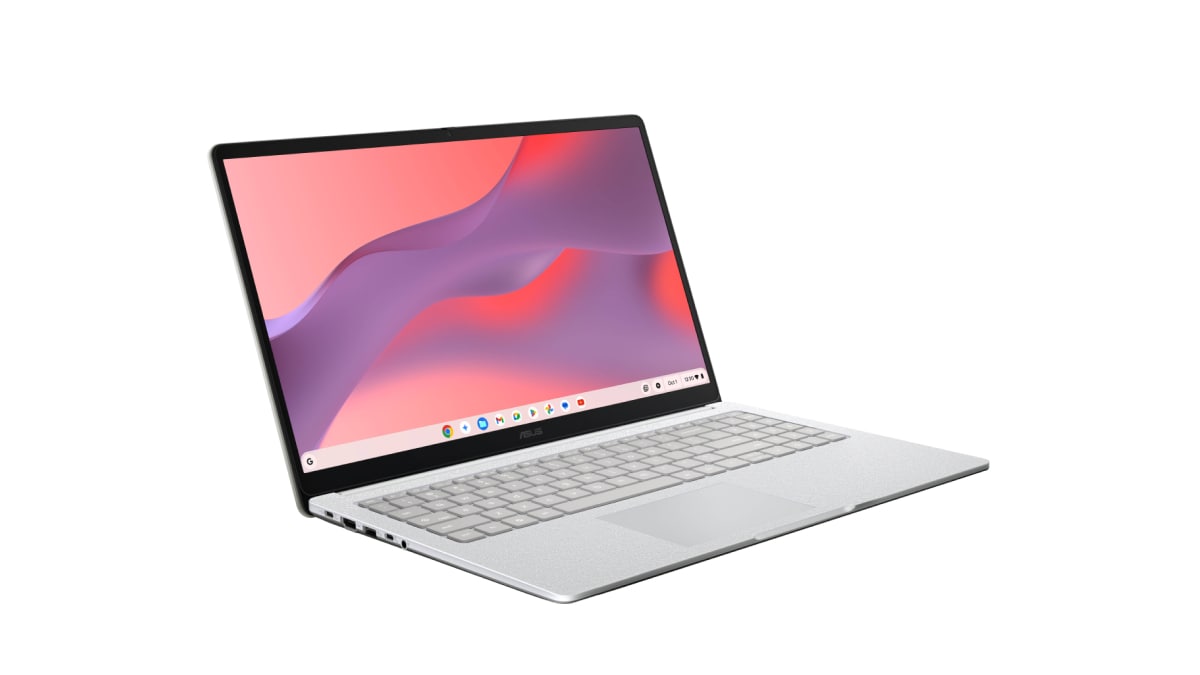
However, the brand is making sure to provide the right alternatives to consumers with its new venture in the tablet and Chromebook segments. The company also recently expanded its Chromebook lineup, which now starts at around Rs. 25,000 in the country. Su says the company has been selling Chromebooks in India for several years, but the category previously struggled because the price gap with Windows PCs was too small. “In the past four years, we already relaunched Chromebook in the Indian market, but the overall market acceptance, I have to say, is not that great,” he said. “Actually, the price difference was not much.”
He further added that the gap has now widened from a mere thousand to around Rs. 20,000 to Rs. 30,000 when compared to a Windows machine. “Today, when the Windows PC minimum price goes beyond Rs. 50,000 to Rs. 60,000, and the Chromebook only from Rs. 15,000 to 30k, then the price gap between Chromebook and Windows PC earlier was a few thousand, and now it has become Rs. 20,000 to Rs. 30,000,” Su said.
Gaming Remains the Engine, but Asus Also Wants Creators
Gaming remains one of the most important parts of the brand's India strategy. Su revealed that India's gaming PC market has grown from around 40,000 units in 2016 to approximately 1.2 million units last year. “Gaming is the major growth engine in the Indian market. There is no doubt.” But ASUS believes the gaming market has also exposed a separate opportunity. According to Su, around 30 to 40 percent of gaming PC buyers may be using their machines for content creation, coding, or other demanding workloads rather than gaming.
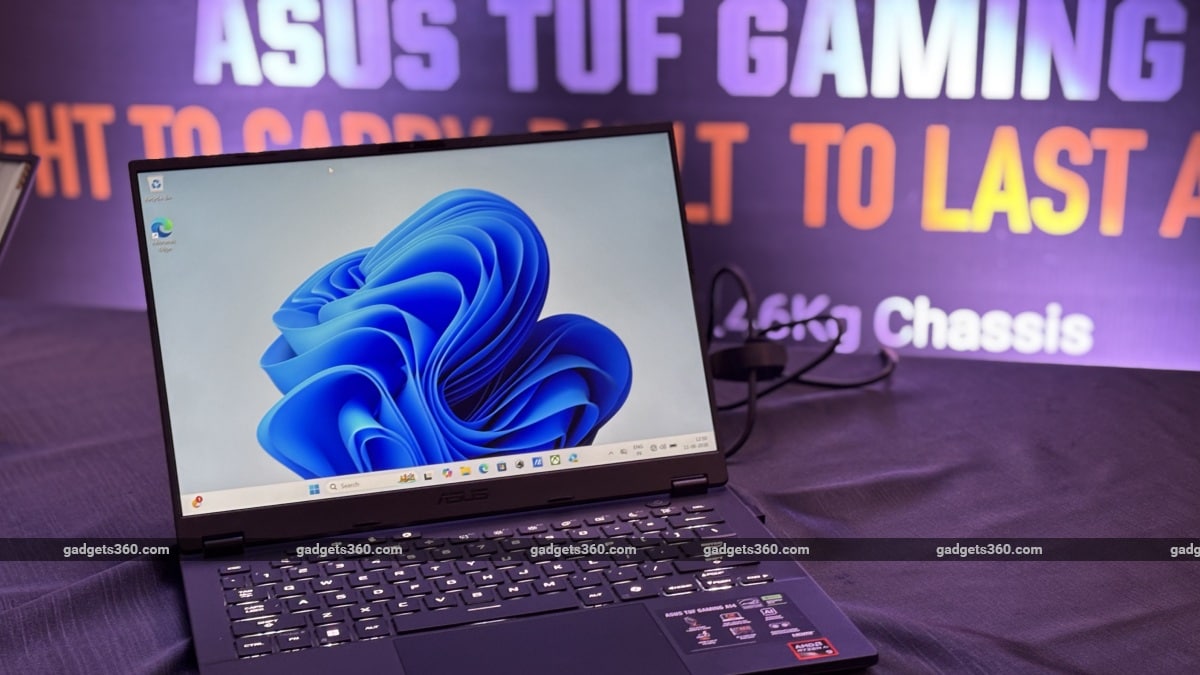
“They purchase not for gaming; they purchase it for content creation or for coding or for other purposes,” he said. He added that this is one of the reasons why the brand is now building its creator portfolio, including ProArt, as a separate category. “The creator segment will play a very important role,” Su said. “We also want to build up our own ProArt, our creator segment in the Indian market, which we believe will help us to drive more market share in India.”
Making Higher Prices Manageable Through Financing
Addressing the elephant in the room, Su revealed that the component prices are not coming down any time soon, and it is affecting its entire portfolio. However, the brand has come up with different initiatives through financing and No Cost EMIs, which are now helping consumers to purchase premium products.
The company says its Easy Pay financing adoption averaged around 15 percent throughout 2025, occasionally reaching around 20 percent during major shopping events such as Prime Day and Big Billion Days. That figure increased to around 25 percent in the first quarter of 2026, even though much of the inventory being sold by retailers at the time had been purchased before the full impact of higher component costs was reflected in retail prices.
By the second quarter, Su revealed that the Easy Pay adoption had increased further to between 25 and 30 percent as retailers began carrying more higher-priced inventory. The company now expects 35 to 40 percent of laptop purchases during the July to September 2026 quarter to be financed through EMI schemes. Su described this as one of the company's key responses to rising prices. “We need to make our products affordable. So in India, what we are doing is low-cost EMI. How can we make the product affordable by providing better finance schemes will be a key action item.”
The company has been promoting different EMI options to reduce the burden of the upfront cost when buying a product. “Today, if you have Rs. 30,000, for example, in hand, you are buying the Rs. 30,000 rupees laptop. At this moment, maybe you will be able to pay the full amount in cash. But what if tomorrow the price already goes up to Rs. 50,000 or Rs. 60,000? You will not spend directly, right?” he said. “But if I can give you 12 months or 18 months or even 24 months, every month you only need to pay Rs. 2,000 to Rs. 3,000, maybe it is still affordable to the customer.”
Apart from this, the brand also rolled out the Assured BuyBack programme, which gives consumers a way to extract value from their existing laptops. Su says Asus has already been running its assured buyback programme for more than a year. “At this moment, what we have is one programme we call Asus Assured Buyback. So this is one programme we have already run for, I think, more than one year, and then we give the Assured Buyback that if you want to exchange your own ASUS machine and then buy the new ASUS machine, where there is a certain amount that we will consider, and then you can use it to buy a new laptop,” he said.
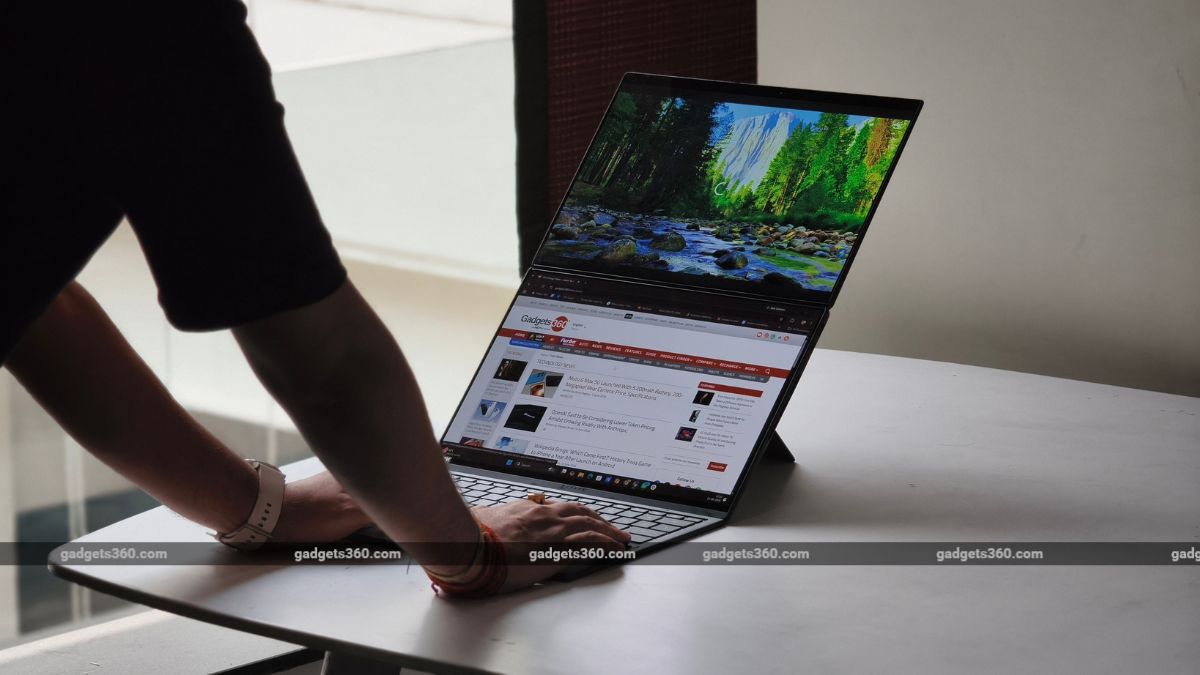
He further noted that the company is working with different agencies to provide exchange value for customers using laptops from other brands. “We are discussing with another agency that they are providing the service that no matter which laptop you have, no matter you are using which brand's laptop, you come back to buy an Asus machine. That agency will give you some value that you can use to buy an Asus machine.”
Asus Big Ambition, Targets No.1 Position in India
Asus' plan is pretty simple. They want to become the No. 1 PC brand in the country. And the company is heading in the right direction, as per Su. “In the first half of 2026, it is really an amazing half year for Asus because, in spite of the market challenge, we have done significant growth in 2026 first half,” he said. Su revealed that the company reached 25 percent market share in June this year, its highest-ever level in India. “In June, I think just one month ago, we reached 25 percent market share in India, which is the ever highest market share of Asus in India, and it's like every four laptops sold in India, one is Asus,” he explained.
However, the brand is setting its next big target for the second half. “Our goal for the second half of the year is we want to reach the number one position in India,” Su said. Asus believes a 25 to 30 percent market share would put it in contention for the top spot and says it has already touched 30 percent for a single week. “We are confident that in the next five months, we should be able to challenge the 30 percent market share.”
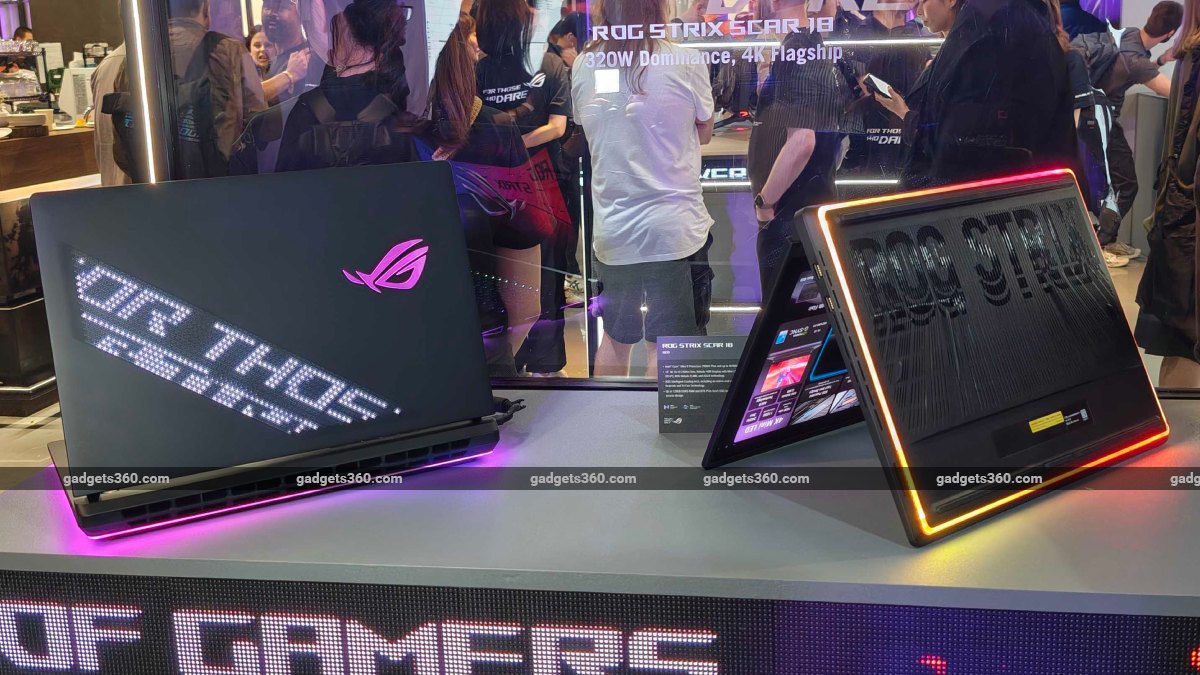
Su does not expect any single category to take ASUS to the top. Gaming remains the foundation, but the company is simultaneously counting on the broader industry shift towards AI PCs and the new categories it is entering.
Smaller Cities Will Bring More Business
Su also stressed that the next phase of growth for the company will not come from Tier 1 cities, but from Tier 2 to Tier 4 cities. “The metro cities currently account for around 35 percent of our total business. The remaining 65 percent comes from Tier 2 to Tier 4 cities. If we look at the real upcountry markets, around 30 percent of our business currently comes from Tier 4 to Tier 6 cities,” he added.
Asus currently operates 337 exclusive stores across the country. Moreover, it is also rapidly expanding its dealer network accordingly. “So, in India, you have more than 6,000 talukas. At this moment, we cover around 1,700 to 1,800 talukas with Asus dealers, not necessarily Asus stores. These are dealers who sell Asus products. Our goal is that by the end of this year, we need to cover 2,000 talukas with at least one dealer selling Asus products. We are entering taluka by taluka, and we are trying to increase our coverage across India,” he said.
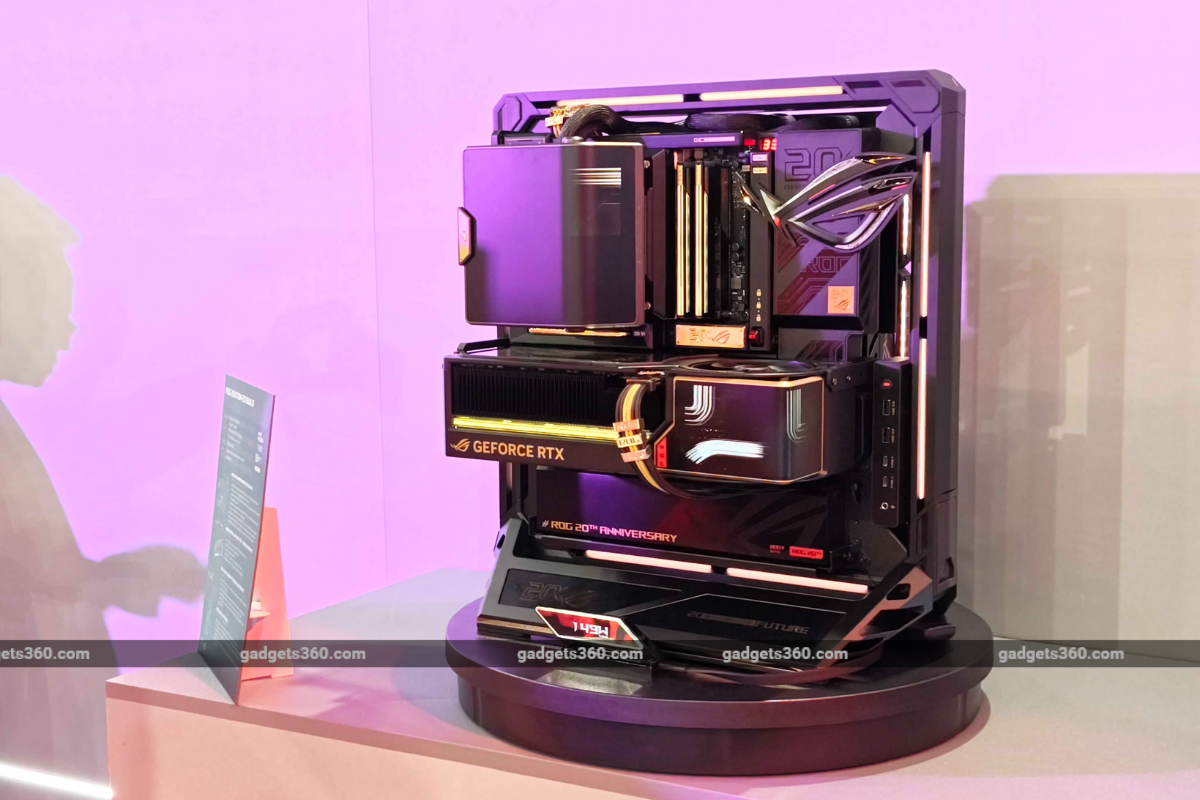
Asus also believes it can tap into low PC penetration in smaller cities. Su estimates that PC penetration in India is somewhere between 10 and 15 percent, although he acknowledges that some reports put the figure somewhat higher. “Between 10 and 15 percent is the PC penetration ratio in India, which means more than 85 percent of Indian households don't even have a PC,” he said
For Asus, that means the country's PC opportunity is not limited to convincing existing laptop owners to switch brands, but to bring opportunity to households that have never owned a PC. “Yes, I need to fight with my competitor, but I should also open my eyes to look at this. 85 percent of the households who are in a small, small-town class actually have the buying power. They also require a PC, but nobody goes to their towns to tell them, hey, there is a laptop. This is a new technology. You can consider it,” he added.
Service will be Critical as Asus Expands
One of the key areas where the brand is also focusing is its after-sales support. The company has faced some criticism over its customer service and turnaround time. However, Su believes that reducing turnaround time remains one of the most important areas for improvement. "The coverage of authorised service centres is the key,” he claimed.
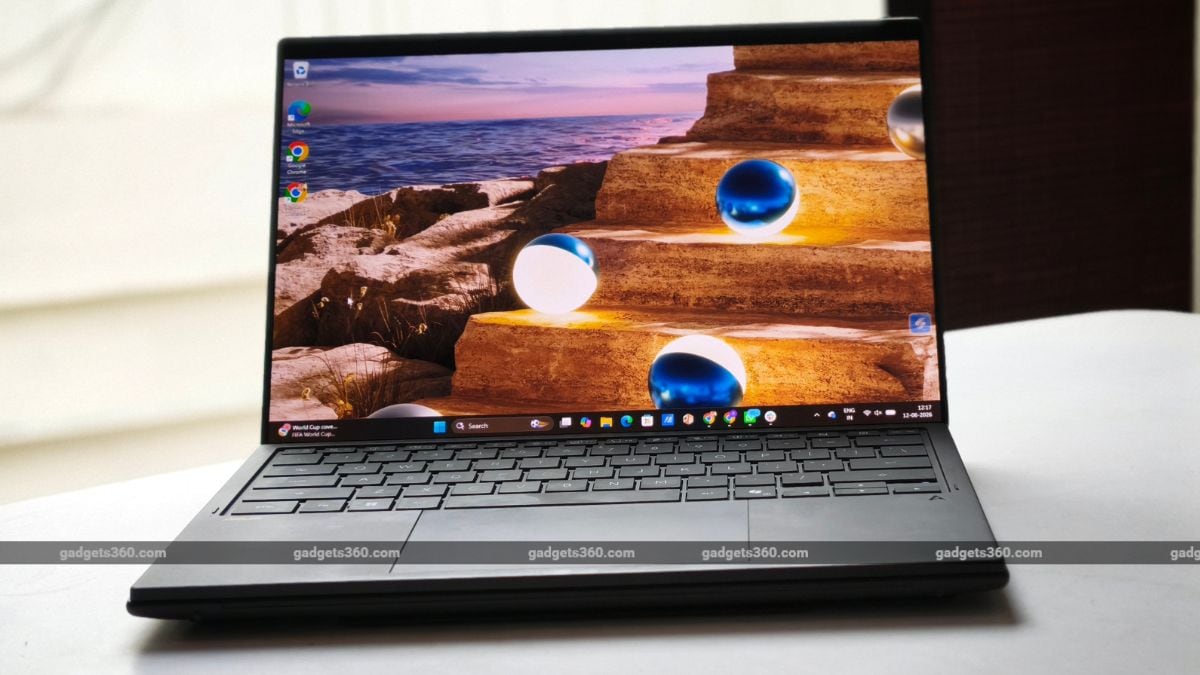
“Over the past few years, we have added around 20 to 30 service centres across India. Now, our service centres number more than 200 in India. This is the first thing we are doing: reducing the distance between our service centres and our customers' locations, because physically reducing that distance helps us reduce the turnaround time,” he further explained.
Su further believes that spare-parts delivery time is also important for a quick turnaround time. “We have more than 200 service centres, so how do we make sure spare parts are available at these service centres? And if a spare part, such as a motherboard, keyboard, or screen, is not available at a particular service centre, how quickly can we deliver it there? So, first, I need to fine-tune my logistics. Second, our spare-parts warehouse coverage also needs to increase. Around five years ago, our spare-parts service centres were only five, and today we are already at eight or nine. We are also building more spare-parts service centres in India so that we can deliver spare parts to service centres faster. So, one is more service centres, and the second is more spare-parts service centres,” he revealed.
“One key point is that we have 337 exclusive stores across India. So, we decided to work with these exclusive stores and make them pickup points. As an end user, if you don't want someone to come to your home and the service centre is far away, you can check your nearby exclusive store. It is not 100 percent covered yet, but some exclusive stores have already signed up with us. You can return your unit to the store directly, and after the repair, it will be sent back to the store. So, it becomes easier for the customer,” he said.
Comments
Get your daily dose of tech news, reviews, and insights, in under 80 characters on Gadgets 360 Turbo. Connect with fellow tech lovers on our Forum. Follow us on X, Facebook, WhatsApp, Threads and Google News for instant updates. Catch all the action on our YouTube channel.
Related Stories



Advertisement
Follow Us




-
![[Sponsored] Samsung Galaxy Z Fold8, Fold8 Ultra](https://www.gadgets360.com/static/desktop/images/spacer.png)
00:21
[Sponsored] Samsung Galaxy Z Fold8, Fold8 Ultra -
03:41
[Sponsored] Samsung Galaxy Z Fold8: How It Fits Into an Actor’s Busy Day | Camera, Multitasking & More -
09:53
iPhone 18 Goes On Sale In India: Huge Crowds, Long Queues At Apple Stores -
06:32
Google Pixel 11 Pro XL Review: The Most Exciting Pixel Yet? | 120X Zoom + Tensor G6 -
05:20
Samsung Galaxy Watch Ultra 2 Review: Is This the Best Android Smartwatch?
Advertisement
Popular on Gadgets
- Samsung Galaxy S26 Ultra
- Motorola Razr Fold
- ChatGPT
- OPPO Find N6
- Mobiles Under Rs. 40,000
- Vivo X300 Ultra
- Asus Zenbook S14
- iQOO 15
- Vivo X300 Pro
- Lenovo Yoga Slim 7i Aura Edition
- iQOO 15R
- Vivo X Fold 5
- Sony PlayStation 5
- HP OmniPad 12
- OnePlus Nord CE 6 Lite
- OnePlus Pad 4
- OPPO F33 Pro 5G
- Cryptocurrency
- HP OmniBook Ultra 14 (2026)
- iPhone 17
- Eureka Forbes AP 355 Room Air Purifier
- Latest Mobile Phones
- Compare Phones
Latest Gadgets
- Vivo Y600i
- Mivi One 5G
- Xiaomi 18 Pro Max
- Motorola Signature 27
- OPPO Find X10 E
- OnePlus N6 Lite 4G
- Ai+ Nova 2 Power 5G
- Lava Virat Curve 5G
- Microsoft Surface Laptop, 13-inch (2nd Edition)
- Lenovo LOQ 15AHP11
- Microsoft Surface Pro, 12-inch (2nd Edition)
- Xiaomi Pad 9 Pro
- Amazfit T-Rex Dual Solar
- OPPO Watch S2
- Haier M70 Mini LED 65-inch
- Xiaomi TV FX Mini LED 65
- Acer Predator Atlas 8
- Asus ROG Ally
- Blue Star 1.5 Ton 5 Star Inverter Split AC (IE518ZNURS)
- Blue Star 2 Ton 3 Star Inverter Window AC (WIE324L)

- About Us
- Sitemaps
- Feedback
- Archives
- Contact Us
- RSS
- Advertise
- Career
- Privacy Policy
- Ethics
- Editorial Policy
- Terms & Conditions
- Complaint Redressal
Download Our Apps
Available in Hindi
© Copyright Red Pixels Ventures Limited 2026. All rights reserved.