- Home
- Laptops
- Laptops Features
- Laser Printer vs Inkjet Printer: Key Differences, Pros, Cons and Long Term Costs Explained
Laser Printer vs Inkjet Printer: Key Differences, Pros, Cons and Long-Term Costs Explained
Laser and inkjet printers may handle similar tasks, but they differ widely in speed, print quality, maintenance, and long-term cost.
Written by Sucharita Ganguly, Edited by David Delima | Updated: 17 February 2026 18:20 IST
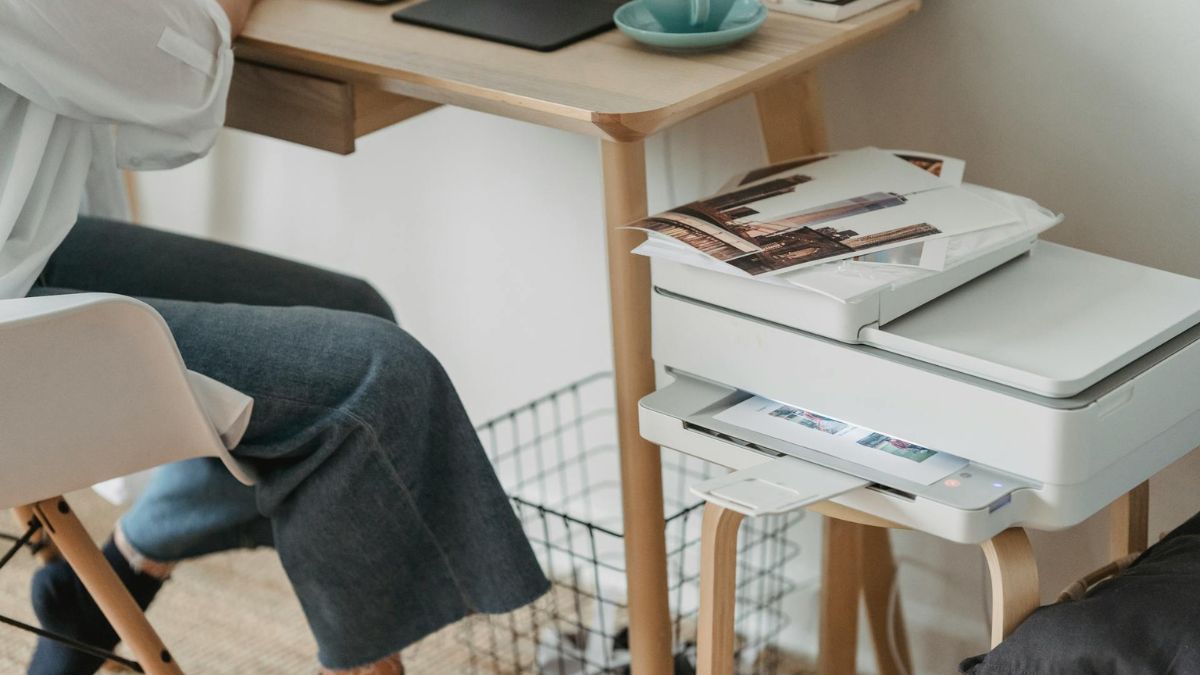
Photo Credit: Pexels/George Milton
Long-term costs of printers depend on consumables, page yield, and upkeep
Click Here to Add Gadgets360 As A Trusted Source

Advertisement
Choosing the right printer starts with understanding the difference between laser and inkjet technology. Although both can handle basic printing tasks, they vary widely in speed, print quality, maintenance, and long-term cost. Laser printers are known for fast performance, sharp text output, and lower cost per page, making them suitable for offices and high-volume use. Inkjet printers, meanwhile, are often better for colour prints and photo-quality images, which makes them popular for home users and creative work.
Laser Printer vs Inkjet Printer
In this feature, we explain the key differences between laser and inkjet printers, including their pros, cons, and running costs over time, to help you pick the best option for your needs.
Pros and Cons: Inkjet Printer
Pros
Excellent colour and photo printing - Inkjet printers produce vibrant colours and smooth gradients, making them ideal for photos and graphics. They work especially well with glossy paper and high-resolution image prints.
Lower upfront cost - Most inkjet printers are cheaper to buy compared to laser models. This makes them a good entry-level option for home users and students.
Versatile media support - Inkjet printers can print on many paper types, including photo paper, labels, cardstock, and envelopes. They are more flexible for creative or mixed-use printing.
Compact and home-friendly designs - Inkjet printers are usually smaller and lighter, so they fit easily in tight spaces. Many models also include wireless printing and scanning features.
Cons
Higher long-term ink costs - Ink cartridges can be expensive, and frequent printing quickly increases running costs. The cost per page is usually higher than that of laser printers, especially for black text.
Ink can dry out with infrequent use - If the printer sits unused, ink may dry in the nozzles and cause clogs. This often leads to cleaning cycles that waste even more ink.
Slower for high-volume printing - Inkjet printers are not built for fast, heavy-duty document printing. They can feel slow compared to laser printers in office-style workloads.
More maintenance and mess potential - Ink systems require more care, and printheads may need cleaning or replacement over time. Smudging is also more likely if prints are handled before the ink fully dries.
Pros and Cons: Laser Printer
Pros
Fast printing speeds - Laser printers are built for high-volume output and can print pages much faster than inkjets. They are especially efficient for offices or users who print frequently.
Lower cost per page over time - Although the printer costs more upfront, toner lasts much longer than ink cartridges. This makes laser printers more economical for long-term document printing.
Sharp and consistent text quality - Laser printers produce crisp black text that looks clean and professional. They are ideal for reports, contracts, invoices, and other text-heavy work.
Less maintenance and no ink drying issues - Toner does not dry out like ink, so laser printers work well even if used occasionally. They also require fewer cleaning cycles and generally have better reliability.
Cons
Higher initial purchase cost - Laser printers usually cost more than inkjet models, especially colour laser units. This can be a drawback for casual home users with light printing needs.
Colour printing can be expensive - Colour laser printers and their toner cartridges are significantly more costly. They are not always the best choice for photo printing or creative colour work.
Bulkier size and heavier build - Laser printers tend to be larger and heavier due to their internal drum and toner system. They take up more space, which may not suit smaller home setups.
Higher power consumption - Laser printers use heat to fuse toner onto paper, so they consume more electricity. This can matter in long print sessions or energy-conscious environments.
Laser Printer vs Inkjet Printer: Long-Term Ownership Cost Breakdown
Consumables Cost
Laser Printers - Toner cartridges last much longer and have a lower cost per page, especially for black-and-white printing.
Inkjet Printers - Ink cartridges wear out faster, and colour cartridges add extra expense. Frequent printing makes inkjet running costs significantly higher.
Page Yield
Laser Printers - A single toner cartridge can yield thousands of pages, making it more cost-efficient for heavy users.
Inkjet Printers - Ink cartridges often yield only a few hundred pages, increasing the frequency of replacements.
Maintenance and Downtime
Laser Printers - Require less frequent maintenance. Toner doesn't dry out, so printers perform reliably even after idle periods.
Inkjet Printers - Printheads may clog if unused, leading to cleaning cycles that consume extra ink and time.
Energy Consumption
Laser Printers - Use more power because they heat toner to bond with paper; this adds to ongoing electricity costs.
Inkjet Printers - Generally use less power, which can reduce energy bills over long usage.
Overall Cost Efficiency
Laser Printers - Better choice for high-volume printing with lower per-page running costs over time.
Inkjet Printers - May be cheaper upfront, but can become costly with frequent colour and photo printing.
Common Myths About Inkjet and Laser Printers
Myth: Laser printers are always expensive
Reality - Laser printers do cost more upfront, but many entry-level models are now fairly affordable. Over time, they often save money because toner lasts much longer than ink.
Myth: Inkjet printers are bad for text printing
Reality - Modern inkjets can print sharp, clear text that is perfectly fine for school or office work. Laser printers still lead in speed and consistency, but inkjets are not “bad” anymore.
Myth: Toner never needs replacement
Reality - Toner cartridges last longer than ink, but they still run out and must be replaced. Laser printers also use drums and other parts that may need servicing over time.
Myth: Inkjet printers are only for photos
Reality - Inkjets are great for colour and photo prints, but they also handle everyday documents well. Many home users choose inkjets as all-purpose printers.
Myth: Laser printers cannot print colour properly
Reality - Colour laser printers can produce excellent charts, graphics, and business documents. They may not match inkjets for photo realism, but colour quality is still strong.
Myth: Ink always dries up quickly
Reality - Ink can dry if the printer sits unused for months, but regular printing prevents this. Newer inkjets also include better nozzle designs and maintenance systems.
Myth: Laser printers are maintenance-free
Reality - Laser printers require less frequent cleaning, but they still need toner, drum units, and occasional part replacement. No printer is completely maintenance-free in the long run.
Myth: Inkjet printers are always cheaper to run
Reality - While inkjet printers are cheaper to buy, cartridge costs can add up fast. For high-volume printing, laser printers usually win on cost per page.
Best Use Cases for Laser Printer and Inkjet Printer
Laser Printer
High-volume office printing - Laser printers are ideal for workplaces that print large batches of documents daily.
Text-heavy reports and paperwork - They produce sharp, professional text for contracts, invoices, and reports.
Low long-term printing costs - Laser printers suit users who want a lower cost per page over time.
Reliable printing with minimal upkeep - They work well for people who need consistent output without ink drying issues.
Inkjet Printer
Photo and colour printing - Inkjet printers are best for users who want vibrant colours and detailed photo prints.
Home and student use - They are a practical option for everyday printing needs at home or school.
Creative projects and mixed media - Inkjet models handle different paper types like glossy sheets, labels, and cardstock.
Occasional printing with lower upfront cost - They suit buyers who print less often but want an affordable printer to start with.
FAQs
1. Which printer is better for students?
Inkjet printers are often better for students because they cost less upfront and handle colour printing for projects.
2. Is a laser printer cheaper than an inkjet in the long run?
Laser printers usually offer a lower cost per page over time, especially for frequent text printing.
3. Do laser printers use ink?
No, laser printers use toner powder instead of liquid ink to produce prints.
4. Can inkjet printers print on photo paper?
Yes, inkjet printers work well with photo paper and are often the better choice for photo-quality prints.
5. Which printer is better for office use and bulk printing?
Laser printers are typically better for offices because they print faster, handle high volumes, and require less frequent cartridge replacement.
Comments
Get your daily dose of tech news, reviews, and insights, in under 80 characters on Gadgets 360 Turbo. Connect with fellow tech lovers on our Forum. Follow us on X, Facebook, WhatsApp, Threads and Google News for instant updates. Catch all the action on our YouTube channel.


Advertisement
Follow Us




-
![[Sponsored]: CP PLUS CarKam CP-F89B: 4K Dashcam With Rear Camera, GPS & Emergency Recording](https://www.gadgets360.com/static/desktop/images/spacer.png)
04:37
[Sponsored]: CP PLUS CarKam CP-F89B: 4K Dashcam With Rear Camera, GPS & Emergency Recording -
04:23
[Partner Content] Your Phone Can Do WAY More Than You Think | OPPO ColorOS 16 -
01:59
Samsung Galaxy Z Fold8 Ultra: Unfold the Ultra Night -
03:24
Apple Pay Launches In India: Supported Devices, Cards And Payments Explained -
00:21
[Sponsored] Samsung Galaxy Z Fold8, Fold8 Ultra
-
Flipkart Big Billion Days: Xiaomi के 5 Redmi स्मार्टफोन्स पर Deals रिवील
-
Delhi Pollution 2026: 50% Work From Home, बिना PUCC नहीं मिलेगा Fuel
-
Oppo K15x हुआ लॉन्च; 6500mAh बैटरी, 120Hz डिस्प्ले के साथ आया बजट 5G फोन
-
Poco C95 Pro ग्लोबल मार्केट में लॉन्च, 50MP AI कैमरा, 7500mAh बैटरी!
-
OnePlus 16 में मिलेगी ज्यादा कैपेसिटी वाली बैटरी, अगले सप्ताह होगा लॉन्च
Advertisement
Popular on Gadgets
- Samsung Galaxy S26 Ultra
- Motorola Razr Fold
- ChatGPT
- OPPO Find N6
- Mobiles Under Rs. 40,000
- Vivo X300 Ultra
- Asus Zenbook S14
- iQOO 15
- Vivo X300 Pro
- Lenovo Yoga Slim 7i Aura Edition
- iQOO 15R
- Vivo X Fold 5
- Sony PlayStation 5
- HP OmniPad 12
- OnePlus Nord CE 6 Lite
- OnePlus Pad 4
- OPPO F33 Pro 5G
- Cryptocurrency
- HP OmniBook Ultra 14 (2026)
- iPhone 17
- Eureka Forbes AP 355 Room Air Purifier
- Latest Mobile Phones
- Compare Phones
Latest Gadgets
- Samsung Galaxy F08
- Samsung Galaxy M08
- OPPO K15x
- OPPO K15s
- HMD Vibe 2 Pro 5G
- OPPO K14 Plus 5G
- Lava Shark 2 Pro 5G
- Ai+ Pulse 2 FE
- Dell 14 Plus 2-in-1 (AMD Ryzen AI 7 350, 2025)
- Microsoft Surface Laptop, 13-inch (2nd Edition)
- Samsung Galaxy Tab S12+
- Samsung Galaxy Tab S12 Ultra
- Amazfit T-Rex Dual Solar
- OPPO Watch S2
- Toshiba 65-Inch 4K Ultra HD Smart Mini LED QLED TV (65Z670SP)
- Haier M70 Mini LED 65-inch
- Acer Predator Atlas 8
- Asus ROG Ally
- Blue Star 1.5 Ton 5 Star Inverter Split AC (IE518ZNURS)
- Blue Star 2 Ton 3 Star Inverter Window AC (WIE324L)

- About Us
- Sitemaps
- Feedback
- Archives
- Contact Us
- RSS
- Advertise
- Career
- Privacy Policy
- Ethics
- Editorial Policy
- Terms & Conditions
- Complaint Redressal
Download Our Apps
Available in Hindi
© Copyright Red Pixels Ventures Limited 2026. All rights reserved.